卷六·第九章 求受孕时的月亮与上升点;卷六跋语
出生时月亮的黄纬所落之处即受孕时的月亮,由此倒推受孕之日与八月十月之产;跋语劝人顺从命运,并以涅墨西斯为喻。
IX. Finding the Moon and the Ascendant at Conception.
In every nativity the Moon is calculated in longitude and in latitude, and we examine into which sign the latitude of the Moon falls; wherever we find it, there one will have the Moon at conception. For always, in every nativity, the latitude at delivery falls upon the Moon at conception, at the same degree which she also had at the conception; for it is not possible, when the time has been fulfilled, for the Moon to overshoot her own mark. Run back over the days, then, and having set the Moon on the degree, see how the preceding conjunction came about, and add the days from it, and you will know on what day and at what hour the native was conceived, and whether he was born at 8 months or at 10.
For if the Sun at conception, for the sake of example, is in Aries, and the Moon is carried from the conjunction up to 120 degrees, the native will have a complete conception (for it is not possible to exceed the 120 degrees, because in them the complete Ascendant of the 270 degrees is fulfilled), and it comes about in the tenth month. If, then, it exceeds the 120 degrees, always add 9 to the days, and having summed up you will learn in how many days he was conceived. Always, then, having hunted out the degree of the latitude, see in how many days and hours the Moon holds on to the same mark; for like a rolling wheel she has stopped short on coming to her own epoch.
翻译点开
IX. Finding the Moon and the Ascendant at Conception.
第九章 求受孕时的月亮与上升点。
In every nativity the Moon is calculated in longitude and in latitude, and we examine into which sign the latitude of the Moon falls; wherever we find it, there one will have the Moon at conception. For always, in every nativity, the latitude at delivery falls upon the Moon at conception, at the same degree which she also had at the conception; for it is not possible, when the time has been fulfilled, for the Moon to overshoot her own mark. Run back over the days, then, and having set the Moon on the degree, see how the preceding conjunction came about, and add the days from it, and you will know on what day and at what hour the native was conceived, and whether he was born at 8 months or at 10.
在每个本命中,都按黄经与黄纬推算月亮,并审视月亮的黄纬落在哪个星座;在哪里找到它,人就在那里得到受孕时的月亮。因为在每个本命中,分娩时的黄纬总是落在受孕时的月亮上,在她受孕时也曾在的同一度上;因为时间满了之后,月亮不可能越过她自己的标记。所以,往回推这些日子,把月亮放在那一度上,看前一次合朔是怎样发生的,从它起加上日数,你就会知道本命者是在哪一日、哪一时受孕的,以及他是八个月还是十个月出生的。
For if the Sun at conception, for the sake of example, is in Aries, and the Moon is carried from the conjunction up to 120 degrees, the native will have a complete conception (for it is not possible to exceed the 120 degrees, because in them the complete Ascendant of the 270 degrees is fulfilled), and it comes about in the tenth month. If, then, it exceeds the 120 degrees, always add 9 to the days, and having summed up you will learn in how many days he was conceived. Always, then, having hunted out the degree of the latitude, see in how many days and hours the Moon holds on to the same mark; for like a rolling wheel she has stopped short on coming to her own epoch.
因为,举例来说,若受孕时太阳在白羊,月亮从合朔被带到一百二十度为止,本命者就会有完整的受孕(因为不可能超过这一百二十度,因为在这些度数中,二百七十度的完整上升就满了),并且是在第十个月出生。所以,若超过一百二十度,总是把九加到日数上,合计之后你就会知道他是在多少日中受孕的。所以,总要猎出黄纬的那一度,看月亮经过多少日与时守住同一标记;因为她像一个滚动的轮子,来到她自己的起点时就停住了。
大意与图解点开
🔎 大意:出生时月亮的黄纬所落之度,就是受孕时月亮的度数;从前一次合朔推日数,知受孕之日,以月亮离太阳不过一百二十度为十月足产。
📖 术语
| 术语 | 英文原词 | 意思 |
|---|---|---|
| 受孕时的月亮 | the Moon at conception | 受孕那刻的月位 |
| 黄纬 | latitude | 月亮偏离黄道 |
| 分娩 | delivery | 出生之时 |
| 完整的受孕 | complete conception | 十月足产 |
| 起点 | epoch | 推算的起算点 |
🧭 图解与讲解
卷六第九章很短,讲怎样由出生倒推受孕(图二)。先按黄经与黄纬推出出生时的月亮,看她的「黄纬」落在哪个星座、哪一度,那就是受孕时月亮所在的度数:瓦伦斯说时间满了,月亮不会越过她自己的标记。然后往回推,把月亮放在那一度上,找出前一次合朔,从合朔起加日数,就知道受孕的日与时,以及孩子是八个月还是十个月出生。这里的「黄纬落处」,应即卷一按月亮黄纬推出的「黄纬的星座」。
〔图〕示意:受孕时太阳白羊,月亮离合朔一百二十度以内为十月足产
〔图〕由出生倒推受孕的步骤
第三行举例(图一):受孕时太阳在白羊,月亮从合朔起行到一百二十度以内,就是「完整的受孕」,第十个月出生;理由是「二百七十度的完整上升」在这一百二十度里满了,原文没有再解释。超过一百二十度时,英译作「总是把九加到日数上」,希腊原文的语序也可读作「把〔多出的〕日数加到九〔个月〕上」,意思还不能确定,本站照英译译出。最后一句比喻:月亮像滚动的轮子,回到自己的起点就停住。章题提到上升点,正文却只讲了月亮,可能原有的部分已经失传。
📖 术语
| 术语 | 英文原词 | 意思 |
|---|---|---|
| 受孕时的月亮 | the Moon at conception | 受孕那刻的月位 |
| 黄纬 | latitude | 月亮偏离黄道 |
| 分娩 | delivery | 出生之时 |
| 完整的受孕 | complete conception | 十月足产 |
| 起点 | epoch | 推算的起算点 |
🧭 图解与讲解
卷六第九章很短,讲怎样由出生倒推受孕(图二)。先按黄经与黄纬推出出生时的月亮,看她的「黄纬」落在哪个星座、哪一度,那就是受孕时月亮所在的度数:瓦伦斯说时间满了,月亮不会越过她自己的标记。然后往回推,把月亮放在那一度上,找出前一次合朔,从合朔起加日数,就知道受孕的日与时,以及孩子是八个月还是十个月出生。这里的「黄纬落处」,应即卷一按月亮黄纬推出的「黄纬的星座」。
第三行举例(图一):受孕时太阳在白羊,月亮从合朔起行到一百二十度以内,就是「完整的受孕」,第十个月出生;理由是「二百七十度的完整上升」在这一百二十度里满了,原文没有再解释。超过一百二十度时,英译作「总是把九加到日数上」,希腊原文的语序也可读作「把〔多出的〕日数加到九〔个月〕上」,意思还不能确定,本站照英译译出。最后一句比喻:月亮像滚动的轮子,回到自己的起点就停住。章题提到上升点,正文却只讲了月亮,可能原有的部分已经失传。
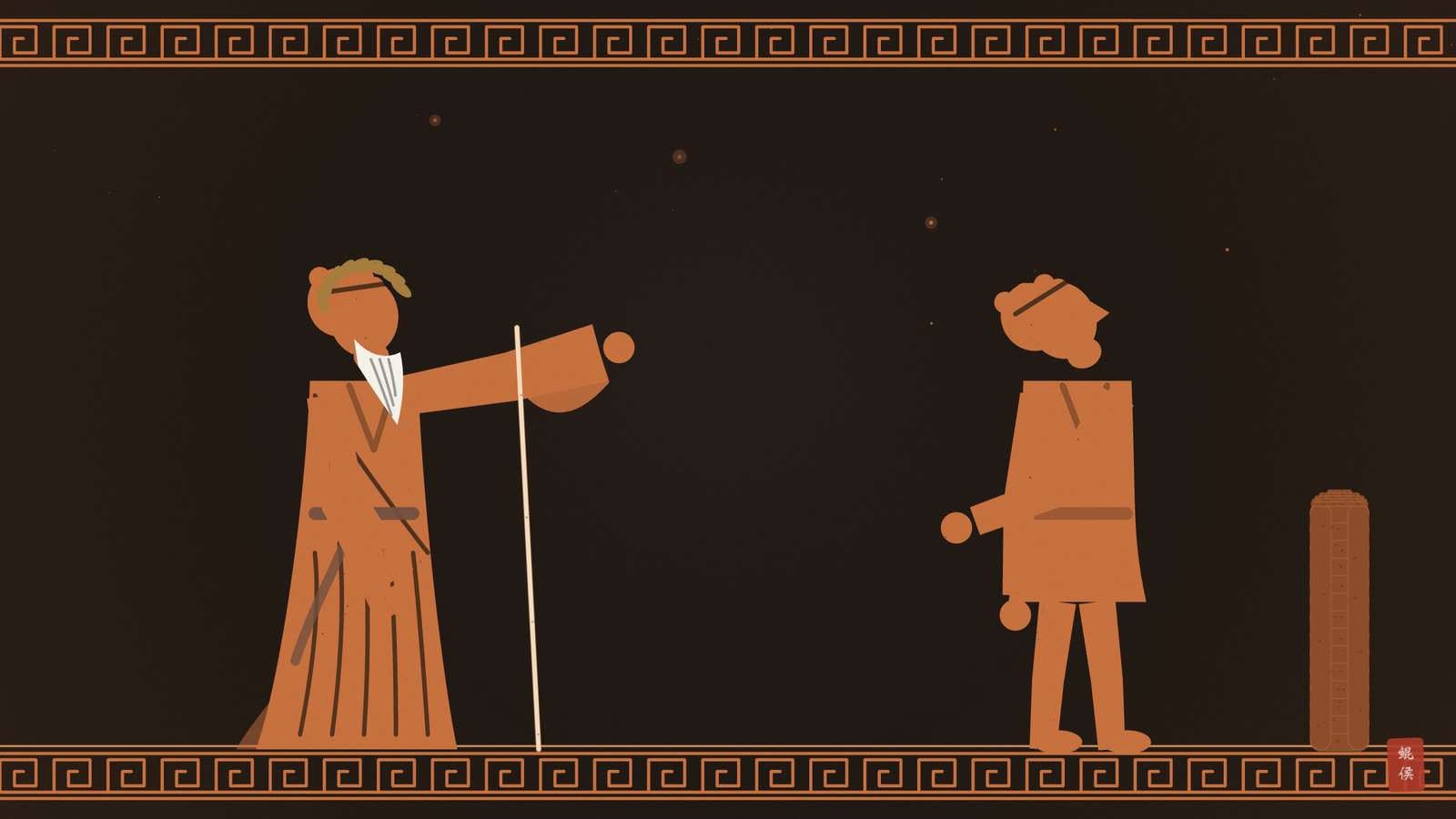
These things I have composed not in a poetic manner, as some either produce an attractive recital by the arrangement of their words or, charming their hearers by the harmony of metre, bring forth fabulous and fictitious obscurities. I, however, have not used fine language, but having toiled and suffered much, having become an eyewitness of the matters and having tested them, I have written them down. For to experience is better and truer than to hear; the one who has heard has a use of it that is hard to believe and ambiguous, while the one who has experienced, having passed over much and remembering, has confirmed what he suffered. But some, being by nature envious, contentious, and contrary-minded, are easily caught and punished; nature cannot be brought into rhythm, but when compelled it is softened with shame and grief, and when refuted it is vexed and, being provoked, becomes bolder. And this can be seen especially in the young, how they think action to be something else and hand out the authority over bad and good to themselves, and, carried toward what they wish, they force themselves to rule and to act in opposition and to be bold toward everything; becoming estranged from friends and family, they take pleasure in enemies, and, beguiling themselves about the future, they despise all things, rejoicing at the evils of others, so as even to lay hands on themselves and to pray for a dangerous evil for the sake of their enemies. But they suffer the opposite, grieving in vain, and, not honouring the gods, they do not fear death, but are led by the daemon; and the end of such men is sudden and precarious, and their life easily broken. It is better, then, for men, as far as possible, willingly to put off the lofty neck from the soul and not to be bold, but, having changed the garment of their reasoning, to give themselves up; for no one is free, but all are by nature slaves of Fate, and, having become her followers, they live untroubled and without grief, in holiness, having trained their soul beforehand to be courageous. But if someone, taking up a true pride, assigns to himself the authority over what is done, he will be refuted by his inability and, having become a laughing-stock in vain, he will imitate the tragic Euripides, who says:
翻译点开
These things I have composed not in a poetic manner, as some either produce an attractive recital by the arrangement of their words or, charming their hearers by the harmony of metre, bring forth fabulous and fictitious obscurities. I, however, have not used fine language, but having toiled and suffered much, having become an eyewitness of the matters and having tested them, I have written them down. For to experience is better and truer than to hear; the one who has heard has a use of it that is hard to believe and ambiguous, while the one who has experienced, having passed over much and remembering, has confirmed what he suffered. But some, being by nature envious, contentious, and contrary-minded, are easily caught and punished; nature cannot be brought into rhythm, but when compelled it is softened with shame and grief, and when refuted it is vexed and, being provoked, becomes bolder. And this can be seen especially in the young, how they think action to be something else and hand out the authority over bad and good to themselves, and, carried toward what they wish, they force themselves to rule and to act in opposition and to be bold toward everything; becoming estranged from friends and family, they take pleasure in enemies, and, beguiling themselves about the future, they despise all things, rejoicing at the evils of others, so as even to lay hands on themselves and to pray for a dangerous evil for the sake of their enemies. But they suffer the opposite, grieving in vain, and, not honouring the gods, they do not fear death, but are led by the daemon; and the end of such men is sudden and precarious, and their life easily broken. It is better, then, for men, as far as possible, willingly to put off the lofty neck from the soul and not to be bold, but, having changed the garment of their reasoning, to give themselves up; for no one is free, but all are by nature slaves of Fate, and, having become her followers, they live untroubled and without grief, in holiness, having trained their soul beforehand to be courageous. But if someone, taking up a true pride, assigns to himself the authority over what is done, he will be refuted by his inability and, having become a laughing-stock in vain, he will imitate the tragic Euripides, who says:
这些东西我不是以诗的方式写成的,不像有些人或以辞藻的安排造出动听的吟诵,或以韵律的和谐迷住听众,生出神话般虚构的晦涩。而我没有用华丽的语言,而是在辛劳、多受苦之后,成了这些事的亲眼见证者,检验过它们,才把它们写下。因为经历比听闻更好、更真;听过的人,对它的运用难以置信而模棱两可,而经历过的人,越过了许多事并记得,就证实了他所受的。但有些人,本性嫉妒、好争、心意相反,容易被逮住、受惩罚;本性不能被纳入节律,被强迫时就带着羞愧与悲伤软化下来,被驳倒时就恼怒,被激怒时就更加大胆。这一点尤其可以在年轻人身上看到:他们怎样以为作为是另一回事,把对坏与好的权柄分给自己,被带向自己想要的,强迫自己去统治、去对着干、对一切都大胆;他们疏远朋友与家人,以敌人为乐,在将来的事上欺骗自己,蔑视一切,以别人的恶事为乐,以致对自己下手,并为了敌人的缘故祈求一件危险的恶事。但他们遭受的是相反的事,徒然悲伤;不敬众神,他们不怕死亡,而是被精灵引着;这样的人的结局突然而不稳,他们的生命容易折断。所以,对人来说,最好是尽可能甘愿地从灵魂上放下高昂的脖子,不要大胆,而是换了推理的外衣,把自己交出去;因为没有人是自由的,所有人按本性都是命运的奴仆,成了她的追随者,就能不受扰、不悲伤、圣洁地度日,预先把灵魂练得勇敢。但若有人取了一种真正的傲气,把对所做之事的权柄归给自己,他就会被自己的无能驳倒,徒然成为笑柄,他会效仿那悲剧家欧里庇得斯,他说:
大意与图解点开
🔎 大意:作者说本书非诗人辞藻,而是亲历检验所得;好争的年轻人自以为掌握祸福,终遭其反;人皆命运之奴,顺从者安宁。
📖 术语
| 术语 | 英文原词 | 意思 |
|---|---|---|
| 亲眼见证者 | eyewitness | 亲自看见的人 |
| 节律 | rhythm | 规矩与节拍 |
| 精灵 | daemon | 引人的神灵 |
| 命运 | Fate | 主宰万人之力 |
| 欧里庇得斯 | Euripides | 古希腊悲剧家 |
🧭 图解与讲解
卷六以一段跋语收尾。瓦伦斯先说(图一),这些内容不是诗人那样靠辞藻与韵律迷人,而是他辛劳受苦、亲眼见证、检验之后写下的;经历比听闻更真,听来的东西用起来难信又模棱两可。他所对照的诗体作者是谁,原文没有点名。
〔图〕经历与听闻
〔图〕狂妄者的路与顺从者的路
接着他批评好争的本性,尤其是年轻人(图二上行):自以为祸福由己,对一切都大胆,疏远亲友、以敌为乐,甚至对自己下手;不敬众神、不怕死亡,被精灵引着,结局突然,生命易折。他的劝告是斯多葛式的(图二下行):放下「高昂的脖子」,人人按本性都是命运的奴仆,甘愿做她的追随者,就能不受扰、不悲伤地圣洁度日。若硬把权柄归给自己,只会被自己的无能驳倒,于是引出下面的四行诗。
📖 术语
| 术语 | 英文原词 | 意思 |
|---|---|---|
| 亲眼见证者 | eyewitness | 亲自看见的人 |
| 节律 | rhythm | 规矩与节拍 |
| 精灵 | daemon | 引人的神灵 |
| 命运 | Fate | 主宰万人之力 |
| 欧里庇得斯 | Euripides | 古希腊悲剧家 |
🧭 图解与讲解
卷六以一段跋语收尾。瓦伦斯先说(图一),这些内容不是诗人那样靠辞藻与韵律迷人,而是他辛劳受苦、亲眼见证、检验之后写下的;经历比听闻更真,听来的东西用起来难信又模棱两可。他所对照的诗体作者是谁,原文没有点名。
接着他批评好争的本性,尤其是年轻人(图二上行):自以为祸福由己,对一切都大胆,疏远亲友、以敌为乐,甚至对自己下手;不敬众神、不怕死亡,被精灵引着,结局突然,生命易折。他的劝告是斯多葛式的(图二下行):放下「高昂的脖子」,人人按本性都是命运的奴仆,甘愿做她的追随者,就能不受扰、不悲伤地圣洁度日。若硬把权柄归给自己,只会被自己的无能驳倒,于是引出下面的四行诗。
"Lead me, O Zeus, and you too, Destiny,
wherever I have been appointed by you,
for I shall follow even if I hesitate; and if I am unwilling,
I shall become base and suffer this very thing."
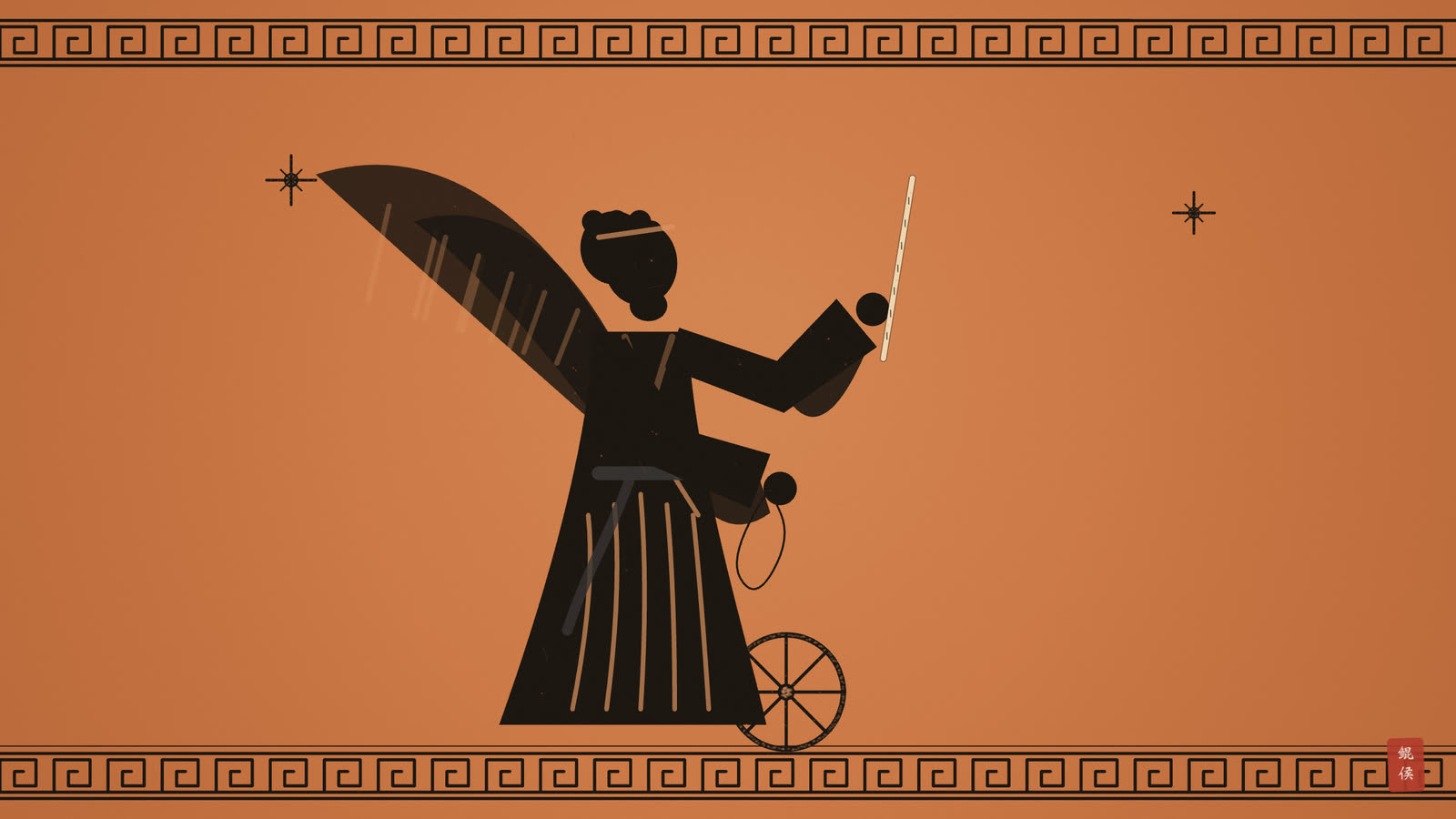
But over every kind, both rational and irrational, of art and pursuit, or of any other cause whatsoever, Nemesis presides, holding the bridle, holding a cubit-rod according to the mythical account, showing that nothing should be done beyond measure, and she has a wheel set under her ankle, signifying that what is said is unstable and insecure, since the wheel too, revolving upon itself, is without fixed footing. In the same way those who blame and those who boast, having acquired a mind that runs backward and an unrepentant reasoning, fall into the same sufferings and live in sweat, unable to obtain what they first despised and later, wishing for it, failed to get.
The sixth book of the Anthologies of Vettius Valens is completed.
翻译点开
"Lead me, O Zeus, and you too, Destiny,
「宙斯啊,还有你,命定,请引领我,
wherever I have been appointed by you,
到你们为我所指定的任何地方,
for I shall follow even if I hesitate; and if I am unwilling,
因为即使我迟疑,我也会跟随;若我不愿,
I shall become base and suffer this very thing."
我就会变得卑劣,而仍要遭受这同一件事。」
But over every kind, both rational and irrational, of art and pursuit, or of any other cause whatsoever, Nemesis presides, holding the bridle, holding a cubit-rod according to the mythical account, showing that nothing should be done beyond measure, and she has a wheel set under her ankle, signifying that what is said is unstable and insecure, since the wheel too, revolving upon itself, is without fixed footing. In the same way those who blame and those who boast, having acquired a mind that runs backward and an unrepentant reasoning, fall into the same sufferings and live in sweat, unable to obtain what they first despised and later, wishing for it, failed to get.
但在一切种类,有理性的与无理性的,技艺与追求,或任何别的原因之上,都有涅墨西斯主管,她握着缰绳,按神话的说法握着一根肘尺,显示什么都不应做得过度;她的脚踝下置着一个轮子,象征所说的事是不稳而不可靠的,因为轮子也是绕着自己旋转,没有固定的立足之处。同样,那些指责的人与那些夸口的人,得了一颗往回跑的心与一种不悔改的推理,就落入同样的苦难,在汗水中度日,得不到他们起先蔑视、后来想要却已失去的东西。
The sixth book of the Anthologies of Vettius Valens is completed.
维蒂乌斯·瓦伦斯《选集》第六卷完。
大意与图解点开
🔎 大意:引诗:宙斯与命定引我,愿与不愿都得跟随;涅墨西斯执缰绳与肘尺、脚踏轮子,示人勿过度、世事无常。卷六终。
📖 术语
| 术语 | 英文原词 | 意思 |
|---|---|---|
| 命定 | Destiny | 已定的命数 |
| 涅墨西斯 | Nemesis | 惩罚过度的女神 |
| 肘尺 | cubit-rod | 量长短的尺 |
| 缰绳 | bridle | 节制之具 |
| 往回跑的心 | a mind that runs backward | 前后反悔 |
🧭 图解与讲解
第五至八行是四行引诗(图二):请宙斯与命定引领我到指定之处,迟疑也要跟随;若不愿,就变得卑劣,而仍要遭受同样的事。瓦伦斯说这是悲剧家欧里庇得斯的话;这几句今日一般认为出自斯多葛派哲人克莱安西斯(Cleanthes),塞涅卡与爱比克泰德都引过,意思与上一单元「人皆命运之奴」正相呼应。
| 涅墨西斯所持 | 象征 |
|---|---|
| 缰绳 | 主管一切技艺、追求与原因,加以节制 |
| 肘尺 | 什么都不应做得过度 |
| 脚踝下的轮子 | 所说的事不稳而不可靠,轮子绕自转而无立足处 |
〔图〕引诗的两条路
第九行再举涅墨西斯(表一):她主管一切技艺与原因,手握缰绳与肘尺,示人不可过度;脚踝下踩着一个轮子,表示人所说的事(运势)不稳,因为轮子绕自己旋转而没有立足之处。指责他人的与夸口的,都得了一颗「往回跑的心」,起先蔑视、后来想要却已失去,只能在汗水中度日。末行是卷末题记:「维蒂乌斯·瓦伦斯《选集》第六卷完。」卷七接着讲更多的时期推法。
📖 术语
| 术语 | 英文原词 | 意思 |
|---|---|---|
| 命定 | Destiny | 已定的命数 |
| 涅墨西斯 | Nemesis | 惩罚过度的女神 |
| 肘尺 | cubit-rod | 量长短的尺 |
| 缰绳 | bridle | 节制之具 |
| 往回跑的心 | a mind that runs backward | 前后反悔 |
🧭 图解与讲解
第五至八行是四行引诗(图二):请宙斯与命定引领我到指定之处,迟疑也要跟随;若不愿,就变得卑劣,而仍要遭受同样的事。瓦伦斯说这是悲剧家欧里庇得斯的话;这几句今日一般认为出自斯多葛派哲人克莱安西斯(Cleanthes),塞涅卡与爱比克泰德都引过,意思与上一单元「人皆命运之奴」正相呼应。
| 涅墨西斯所持 | 象征 |
|---|---|
| 缰绳 | 主管一切技艺、追求与原因,加以节制 |
| 肘尺 | 什么都不应做得过度 |
| 脚踝下的轮子 | 所说的事不稳而不可靠,轮子绕自转而无立足处 |
第九行再举涅墨西斯(表一):她主管一切技艺与原因,手握缰绳与肘尺,示人不可过度;脚踝下踩着一个轮子,表示人所说的事(运势)不稳,因为轮子绕自己旋转而没有立足之处。指责他人的与夸口的,都得了一颗「往回跑的心」,起先蔑视、后来想要却已失去,只能在汗水中度日。末行是卷末题记:「维蒂乌斯·瓦伦斯《选集》第六卷完。」卷七接着讲更多的时期推法。
原文为公有领域古籍;翻译、印象画与图文解读由 AI 辅助生成,鲲侯审校。