卷四·第一至四章 四分周期与日的划分;福点精灵点分时
卷四讲时期的划分:诸星最小周期的四分之一合三十二年三个月;按日数次分配;再从福点或精灵点逐座分时,周期满后交给对面之座。
BOOK IV. The Fourth Book of the Anthologies of Vettius Valens of Antioch.
I. Divisions of the Periods.
Fittingly, then, and in a teaching manner, I think, having made the solution of the banquets set before us [lacuna] [text uncertain], we shall make clear the topic sought and hidden by many, which concerns the division of the active and inactive periods. Such divisions as have been tested by experience must now be set out. The first period is with respect to the quarters of the least periods. For example, of Saturn's 30 years the quarter is 7½, and per year 85 days; of Jupiter's 12 years the quarter is 3; and there fall to him each year 34 days. Of Mars's 15 years the quarter is 3 years 9 months, and per year 42½ days. Of Venus's 8 years the quarter is 2 years, and her yearly days 22 and two thirds. Of Mercury's 20 years the quarter is 5 years, and his yearly days 56 and two thirds. Of the Sun's 19 years the quarter is 4 years 9 months, and his days 53½ 1/3. Of the Moon's 25 years the quarter is 6 years 3 months, and her yearly days 70½ 1/3. Altogether they make 32 years three months.
翻译点开
BOOK IV. The Fourth Book of the Anthologies of Vettius Valens of Antioch.
第四卷 安条克的维蒂乌斯·瓦伦斯《选集》第四卷。
I. Divisions of the Periods.
第一章 时期的划分。
Fittingly, then, and in a teaching manner, I think, having made the solution of the banquets set before us [lacuna] [text uncertain], we shall make clear the topic sought and hidden by many, which concerns the division of the active and inactive periods. Such divisions as have been tested by experience must now be set out. The first period is with respect to the quarters of the least periods. For example, of Saturn's 30 years the quarter is 7½, and per year 85 days; of Jupiter's 12 years the quarter is 3; and there fall to him each year 34 days. Of Mars's 15 years the quarter is 3 years 9 months, and per year 42½ days. Of Venus's 8 years the quarter is 2 years, and her yearly days 22 and two thirds. Of Mercury's 20 years the quarter is 5 years, and his yearly days 56 and two thirds. Of the Sun's 19 years the quarter is 4 years 9 months, and his days 53½ 1/3. Of the Moon's 25 years the quarter is 6 years 3 months, and her yearly days 70½ 1/3. Altogether they make 32 years three months.
那么,我想,在恰当地、以教导的方式对摆在我们面前的筵席作了解析之后〔此处原文有缺〕〔原文疑有讹误〕,我们将阐明许多人所寻求而又隐藏起来的论题,即有作为与无作为之时期的划分。凡经经验检验过的划分,现在必须列出。第一个时期是按最小周期的四分之一来的。例如,土星三十年的四分之一是七年半,每年八十五日;木星十二年的四分之一是三年;每年分给他三十四日。火星十五年的四分之一是三年九个月,每年四十二日半。金星八年的四分之一是二年,她每年的日数是二十二又三分之二。水星二十年的四分之一是五年,他每年的日数是五十六又三分之二。太阳十九年的四分之一是四年九个月,他的日数是五十三又二分之一又三分之一。月亮二十五年的四分之一是六年三个月,她每年的日数是七十又二分之一又三分之一。合起来共三十二年三个月。
大意与图解点开
🔎 大意:卷四转入时期的划分。第一种取诸星最小周期的四分之一,如土星七年半、火星三年九月,七星合三十二年三个月。
📖 术语
| 术语 | 英文原词 | 意思 |
|---|---|---|
| 时期的划分 | division of the periods | 把一生分给诸星 |
| 最小周期 | least periods | 诸星最小年数 |
| 四分之一 | quarter | 四分周期 |
| 每年的日数 | yearly days | 一年中分得的日 |
| 筵席 | banquets | 喻前三卷的内容 |
🧭 图解与讲解
卷四开篇说,前三卷像摆好的筵席,现在要讲许多人寻求而又隐藏的论题:有作为与无作为之时期的划分,也就是时主(chronocrator)之法。第一种划分按诸星最小周期的四分之一(表一):土星三十年的四分之一是七年半,火星三年九个月,金星二年,水星五年,太阳四年九个月,月亮六年三个月,七星合计三十二年三个月。
| 行星 | 最小周期 | 四分之一 | 每年分得的日数 |
|---|---|---|---|
| 土星 | 30 年 | 7½ 年 | 85(补) |
| 木星 | 12 年 | 3 年(补) | 34 |
| 火星 | 15 年 | 3 年 9 月 | 42½ |
| 金星 | 8 年 | 2 年 | 22⅔ |
| 水星 | 20 年 | 5 年 | 56⅔ |
| 太阳 | 19 年 | 4 年 9 月 | 53⅚ |
| 月亮 | 25 年 | 6 年 3 月 | 70⅚ |
| 合计 | 129 年 | 32 年 3 月 | 365½ |
每颗星还有「每年的日数」。原文土星一句之后有缺,所说「每年分给他三十四日」,按第九行的算法(周期加倍,再加其半与其三分之一)恰是木星的数:十二加倍二十四,加六、加四,共三十四;土星应是八十五。所以抄本脱落的正是土星的日数与木星的四分周期,本站依 Kroll 校勘记补出;补后七星的四分周期合三十二年三个月,每年的日数合三百六十五日半,两数都闭合。
II. On Release.
The beginning of the release will be held, for conjunctional nativities, by the first planet after the conjunction, and then the next in order as they lie; for full-moon nativities, by the first after the full moon, and likewise. One must examine the planet, how it is configured and by which planets it receives testimony, as well as the others that receive the period, whether they are angular or cadent, oriental or occidental, and the entries by transit, and the sympathies or oppositions. After 32 years and 3 months have been completed, the second cycle must be made again from the planet that releases the quarter-period.
翻译点开
II. On Release.
第二章 论释放。
The beginning of the release will be held, for conjunctional nativities, by the first planet after the conjunction, and then the next in order as they lie; for full-moon nativities, by the first after the full moon, and likewise. One must examine the planet, how it is configured and by which planets it receives testimony, as well as the others that receive the period, whether they are angular or cadent, oriental or occidental, and the entries by transit, and the sympathies or oppositions. After 32 years and 3 months have been completed, the second cycle must be made again from the planet that releases the quarter-period.
释放的开端,合朔之命由合朔之后的第一颗行星掌握,然后是按所在依次的下一颗;望月之命由望月之后的第一颗掌握,同样如此。必须查看这颗行星格局如何、受哪些行星见证,以及其余接受时期的行星,它们居角还是落果,东出还是西入,还有过境时的进入,以及感应或对立。三十二年三个月走完之后,必须从释放四分周期的那颗行星重新起第二轮。
大意与图解点开
🔎 大意:四分周期的释放,合朔之命从合朔之后的第一颗星起,望月之命从望月之后的第一颗起,依次相传;三十二年三月满后再起第二轮。
📖 术语
| 术语 | 英文原词 | 意思 |
|---|---|---|
| 总释放星 | general releaser | 首掌时期之星 |
| 接受时期 | receive the period | 轮到掌管 |
| 过境时的进入 | entries by transit | 行运经过 |
| 第二轮 | second cycle | 再轮一遍 |
| 对立 | oppositions | 相悖的关系 |
🧭 图解与讲解
第二章说四分周期从谁开始(图一):合朔之命,由合朔之后的第一颗行星开始掌管,然后按诸星所在的先后依次相传;望月之命,从望月之后的第一颗起。每颗接受时期的行星都要查看它的格局与见证、居角或落果、东出或西入,还要看行运经过的星座以及与本命诸星的感应或对立。
〔图〕四分周期怎样轮转
七星都轮过一遍是三十二年三个月,之后从起头那颗释放星重新开始第二轮。这里的「释放」与卷三求寿数的释放不同,是一生时期的起点与次序,也就是后世所谓时主法的雏形。
📖 术语
| 术语 | 英文原词 | 意思 |
|---|---|---|
| 总释放星 | general releaser | 首掌时期之星 |
| 接受时期 | receive the period | 轮到掌管 |
| 过境时的进入 | entries by transit | 行运经过 |
| 第二轮 | second cycle | 再轮一遍 |
| 对立 | oppositions | 相悖的关系 |
🧭 图解与讲解
第二章说四分周期从谁开始(图一):合朔之命,由合朔之后的第一颗行星开始掌管,然后按诸星所在的先后依次相传;望月之命,从望月之后的第一颗起。每颗接受时期的行星都要查看它的格局与见证、居角或落果、东出或西入,还要看行运经过的星座以及与本命诸星的感应或对立。
七星都轮过一遍是三十二年三个月,之后从起头那颗释放星重新开始第二轮。这里的「释放」与卷三求寿数的释放不同,是一生时期的起点与次序,也就是后世所谓时主法的雏形。
III. On the Sub-Division of Days.
The division of the days is to be made thus. If Saturn is found to be the general releaser, he allots 7½ years. Since all the planets must take from these, we shall make the sub-allotment thus. Multiplying Saturn's 85 days by the 7½, we shall find 637½ days; these Saturn will first allot to himself out of his own 7½ years. Then let Jupiter be found next. Since he is master of 34 days, multiply these by the 7½, because Saturn is releaser: it makes 255 days; these Jupiter will have out of Saturn's years. Then next one should take Venus's portion. Since she is lady of 22 and two thirds days, let us multiply these by the 7½: we shall find 170; so many Venus will have out of Saturn's years. And likewise, if we multiply the days of each planet by the 7½, we shall find the sub-allotment. If perhaps the Moon is lady of the release, we shall find it by multiplying the days of each by six and a quarter; and in the same way for the others.
To Find the Days of Each Planet.
The days of each planet are found in the following way. We shall find them by doubling the period and adding to it its half and its third. Since Saturn's period is of 30 days, I doubled these and they came to 60; and half of the 30 makes 15; these I added to the 60: it makes 75. And again, a third of the 30 is 10; these I likewise added to the 75: it makes 85. These are the days Saturn will have. Likewise for the other planets.
翻译点开
III. On the Sub-Division of Days.
第三章 论日的次划分。
The division of the days is to be made thus. If Saturn is found to be the general releaser, he allots 7½ years. Since all the planets must take from these, we shall make the sub-allotment thus. Multiplying Saturn's 85 days by the 7½, we shall find 637½ days; these Saturn will first allot to himself out of his own 7½ years. Then let Jupiter be found next. Since he is master of 34 days, multiply these by the 7½, because Saturn is releaser: it makes 255 days; these Jupiter will have out of Saturn's years. Then next one should take Venus's portion. Since she is lady of 22 and two thirds days, let us multiply these by the 7½: we shall find 170; so many Venus will have out of Saturn's years. And likewise, if we multiply the days of each planet by the 7½, we shall find the sub-allotment. If perhaps the Moon is lady of the release, we shall find it by multiplying the days of each by six and a quarter; and in the same way for the others.
日的划分要这样做。若土星被发现为总释放星,他分配七年半。既然所有行星都必须从这些年中取得,我们就这样做次分配。把土星的八十五日乘以七年半,我们会得到六百三十七日半;这些土星将首先从他自己的七年半中分配给自己。然后设下一个找到的是木星。既然他主管三十四日,就把这些乘以七年半,因为土星是释放星:合二百五十五日;这些木星将从土星的年中得到。然后接着应取金星的份额。既然她是二十二又三分之二日的女主人,我们就把这些乘以七年半:会得到一百七十;这么多金星将从土星的年中得到。同样,若我们把每颗行星的日数乘以七年半,就会求得次分配。若月亮恰好是释放的女主人,我们就把每颗星的日数乘以六又四分之一来求得;其余的也同样。
To Find the Days of Each Planet.
求每颗行星的日数。
The days of each planet are found in the following way. We shall find them by doubling the period and adding to it its half and its third. Since Saturn's period is of 30 days, I doubled these and they came to 60; and half of the 30 makes 15; these I added to the 60: it makes 75. And again, a third of the 30 is 10; these I likewise added to the 75: it makes 85. These are the days Saturn will have. Likewise for the other planets.
每颗行星的日数用下面的方法求得。我们把周期加倍,再加上它的一半与三分之一,就会求得。既然土星的周期是三十日,我把它们加倍,得六十;三十的一半是十五;我把这些加到六十上:得七十五。再者,三十的三分之一是十;我同样把这些加到七十五上:得八十五。这些就是土星将有的日数。其他行星也一样。
大意与图解点开
🔎 大意:次分配:释放星所管的年数乘以各星的日数,即各星在其中分得的日。各星的日数=周期加倍,再加其半与其三分之一,土星得八十五。
📖 术语
| 术语 | 英文原词 | 意思 |
|---|---|---|
| 次分配 | sub-allotment | 在一个时期内再分 |
| 日的划分 | division of the days | 以日为单位再分 |
| 主管 | master | 掌管若干日 |
| 加倍 | doubling | 乘以二 |
| 女主人 | lady | 阴性行星作主 |
🧭 图解与讲解
第三章讲怎样把一颗星的四分周期再分给七星,即「次分配」(表二)。例如土星为总释放星,他管七年半;把每颗星的「日数」乘以七年半,就是那颗星在这七年半中分得的日:土星自己八十五乘七年半,得六百三十七日半;木星三十四乘七年半,得二百五十五日;金星二十二又三分之二乘七年半,得一百七十日。月亮为释放星时,就改乘她的六又四分之一年。
| 步骤 | 求土星的日数(第九行) | 数值 |
|---|---|---|
| 一 | 土星的周期 | 30 |
| 二 | 加倍 | 60 |
| 三 | 加其一半 15 | 75 |
| 四 | 加其三分之一 10 | 85 |
| 通式 | 周期 × (2 + ½ + ⅓) = 周期 × 2⅚ | 木星 34、火星 42½、金星 22⅔ …… |
| 步骤 | 土星为总释放星(第七行) | 所得日数 |
|---|---|---|
| 一 | 土星的四分周期 | 7½ 年 |
| 二 | 土星本身:85 × 7½ | 637½ 日 |
| 三 | 木星:34 × 7½ | 255 日 |
| 四 | 金星:22⅔ × 7½ | 170 日 |
| 五 | 其余各星照此乘 7½ | — |
| 另 | 月亮为释放星时,各星日数改乘 6¼ | — |
「日数」怎样来(表一):周期加倍,再加周期的一半与三分之一,也就是周期乘以二又六分之五。土星三十,得八十五;其余照此。原文说土星的周期「三十日」,希腊原文也作「日」,实指最小周期三十年的数。因为七星的日数合计约为一年的日数,每颗星在任何一段时期里分得的比例都与它的最小周期成正比,这是这套次分配整齐的地方。
IV. On the Division of Periods from the Lot of Fortune and the Daemon.
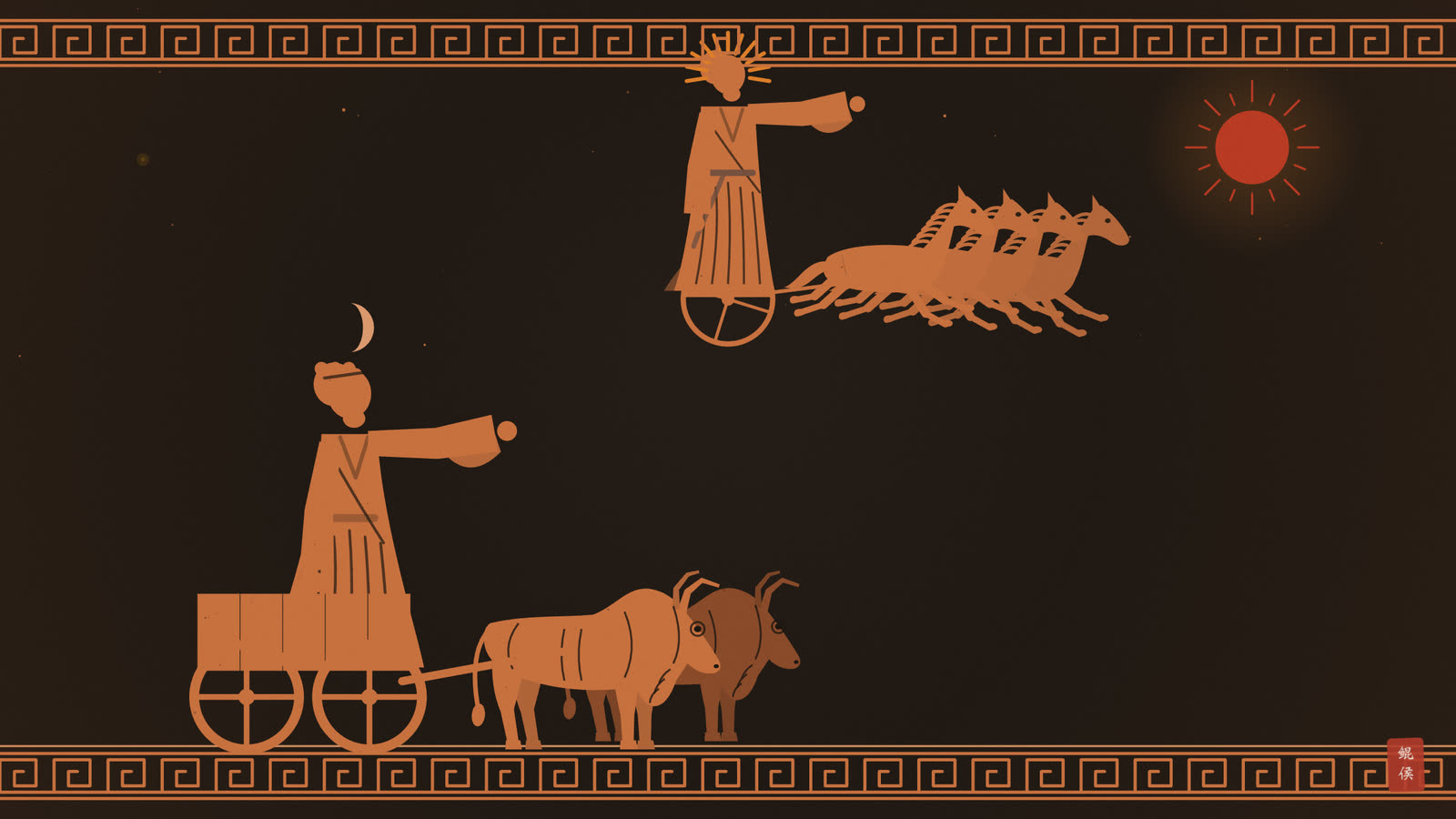
I shall set out this method as well, since it is powerful, making the beginning of the release from the Lot of Fortune and the Daemon, which signify the Sun and the Moon. For in the order of the cosmos the Moon, being Fortune, body, and breath, and being nearest to the earth and sending her emanation to us, brings about what is like herself, being lady of our body. The Sun, being in the order of the cosmos mind and daemon, rousing the souls of men to their undertakings through his own energy and lovely nature, becomes the cause of action and motion. Whenever, then, we seek bodily periods, such as climacterics, or illnesses, or haemorrhages, falls, injuries, sufferings, and whatever else pertains to the body concerning strength, delight, pleasure, beauty, charm, we must cast out from the Lot of Fortune by sign; and wherever the period ends, we shall reckon the sign and the planets upon it or testifying to it, how they are configured toward the general ruler or the ruler of the releasing periods, and whether the chronocrators of the lots are angular or outside the angles. But if we are inquiring about action or reputation, then we shall make the release of the periods from the Daemon by sign, and we shall find the distinction according to the benefics or malefics upon it or testifying to it. Often, then, when the Lot of Fortune or its lord has fallen out of the favourable places, the Lot of the Daemon allots both the bodily and the active matters. Likewise Fortune too will allot both when the Lot of the Daemon or its lord has fallen out of the favourable places, just as with the predominations and rulerships. When the Daemon and Fortune are found in one sign, we shall take the bodily matters from that same sign and the active ones from the succedent sign; moreover, in conjunctional or full-moon nativities it will be found with the same release [text uncertain], since the lot and the Daemon fall in one sign. But in such cases, when we seek the bodily periods, we shall make the release from that same sign, and the active ones from the sign succedent to the lot, especially in nocturnal nativities or in those that had the conjunction in the IC, so that the squares of each lot are configured as angles. The conjunctional method, however, is better than the full-moon method; for the conjunctional one has the lots in the Ascendant, the full-moon one in the setting. It also happens that, when the luminaries are in square, the lots oppose each other; and in this kind of case some allot the active periods from the rising signs. But I do not think so; for the Lot of Fortune is found in one place and that of the Daemon in another, whereas in conjunctional and full-moon nativities it is the same. Moreover, for male nativities most releases are found from the Daemon, because men conduct their affairs through speech, giving and receiving, and trust; but for female ones, from the Lot of Fortune, because of their occupation with the body. It also happens, however, that men carry on bodily activities, those done by the hands or by athletics and bodily motion, and that women carry on activities through buying and selling. Likewise, for the nativities of infants one must make the release of the periods from the Lot of Fortune, until they arrive at the test of their prime or of action. For to them, once born, there come the bodily blessings, such as good form, charm, stature, elegance, grace of proportion, or else what usually happens otherwise: injuries, sufferings, eruptions, distortions, rashes, congenital defects, certain marks, laxities; while the active and intellectual matters come about later.
翻译点开
IV. On the Division of Periods from the Lot of Fortune and the Daemon.
第四章 论从福点与精灵点划分时期。
I shall set out this method as well, since it is powerful, making the beginning of the release from the Lot of Fortune and the Daemon, which signify the Sun and the Moon. For in the order of the cosmos the Moon, being Fortune, body, and breath, and being nearest to the earth and sending her emanation to us, brings about what is like herself, being lady of our body. The Sun, being in the order of the cosmos mind and daemon, rousing the souls of men to their undertakings through his own energy and lovely nature, becomes the cause of action and motion. Whenever, then, we seek bodily periods, such as climacterics, or illnesses, or haemorrhages, falls, injuries, sufferings, and whatever else pertains to the body concerning strength, delight, pleasure, beauty, charm, we must cast out from the Lot of Fortune by sign; and wherever the period ends, we shall reckon the sign and the planets upon it or testifying to it, how they are configured toward the general ruler or the ruler of the releasing periods, and whether the chronocrators of the lots are angular or outside the angles. But if we are inquiring about action or reputation, then we shall make the release of the periods from the Daemon by sign, and we shall find the distinction according to the benefics or malefics upon it or testifying to it. Often, then, when the Lot of Fortune or its lord has fallen out of the favourable places, the Lot of the Daemon allots both the bodily and the active matters. Likewise Fortune too will allot both when the Lot of the Daemon or its lord has fallen out of the favourable places, just as with the predominations and rulerships. When the Daemon and Fortune are found in one sign, we shall take the bodily matters from that same sign and the active ones from the succedent sign; moreover, in conjunctional or full-moon nativities it will be found with the same release [text uncertain], since the lot and the Daemon fall in one sign. But in such cases, when we seek the bodily periods, we shall make the release from that same sign, and the active ones from the sign succedent to the lot, especially in nocturnal nativities or in those that had the conjunction in the IC, so that the squares of each lot are configured as angles. The conjunctional method, however, is better than the full-moon method; for the conjunctional one has the lots in the Ascendant, the full-moon one in the setting. It also happens that, when the luminaries are in square, the lots oppose each other; and in this kind of case some allot the active periods from the rising signs. But I do not think so; for the Lot of Fortune is found in one place and that of the Daemon in another, whereas in conjunctional and full-moon nativities it is the same. Moreover, for male nativities most releases are found from the Daemon, because men conduct their affairs through speech, giving and receiving, and trust; but for female ones, from the Lot of Fortune, because of their occupation with the body. It also happens, however, that men carry on bodily activities, those done by the hands or by athletics and bodily motion, and that women carry on activities through buying and selling. Likewise, for the nativities of infants one must make the release of the periods from the Lot of Fortune, until they arrive at the test of their prime or of action. For to them, once born, there come the bodily blessings, such as good form, charm, stature, elegance, grace of proportion, or else what usually happens otherwise: injuries, sufferings, eruptions, distortions, rashes, congenital defects, certain marks, laxities; while the active and intellectual matters come about later.
我也要列出这个方法,因为它很有力,以福点与精灵点作释放的开端,它们象征月亮与太阳。因为在宇宙的秩序中,月亮是福运、身体与气息,离大地最近,把她的流溢送到我们这里,造成与她自己相似的事物,是我们身体的女主人。太阳在宇宙的秩序中是心智与精灵,以他自己的能量与可爱的本性唤起人的灵魂去从事各项事业,成为行动与运动的原因。所以,每当我们寻求身体方面的时期,例如关口、疾病、出血、跌倒、伤损、病苦,以及其余关乎身体的力量、愉悦、快乐、美貌、魅力的一切,就必须从福点按星座推出去;时期在哪里终止,我们就推算那个星座,以及在其上或为它作见证的行星,看它们对总主星或释放时期之主的格局如何,看诸点的时主居角还是在角外。但若我们查问作为或名声,就从精灵点按星座作时期的释放,并按在其上或为它作见证的吉星或凶星来求得区别。所以,常常当福点或它的主已失位时,精灵点就分配身体与作为两方面的事。同样,当精灵点或它的主已失位时,福点也会分配两者,正如主导与主管的情形。当精灵点与福点被发现在同一个星座时,我们就从那同一个星座取身体之事,从续宫的星座取作为之事;再者,在合朔或望月之命中,它会被发现有同样的释放〔原文疑有讹误〕,因为福点与精灵点落在同一个星座。但在这类情形中,当我们寻求身体的时期时,就从那同一个星座作释放,而作为的时期从福点的续宫之座作释放,尤其在夜生的本命,或合朔在天底的本命中,使两个点各自的四分构成角的格局。不过合朔之法比望月之法好;因为合朔之法使两点在上升点,望月之法使它们在下降。也会发生,当两光成四分时,两点彼此对冲;在这类情形中,有些人从上升的星座分配作为之期。但我不这样认为;因为福点在一处,精灵点在另一处,而在合朔与望月之命中则是同一处。再者,男性的本命大多从精灵点释放,因为男人通过言语、给予与接受以及信任来处理他们的事务;而女性的本命从福点释放,因为她们忙于身体之事。不过也会发生,男人从事身体的活动,即那些用手、用体育与身体运动做的事,而女人通过买卖从事活动。同样,婴儿的本命必须从福点作时期的释放,直到他们到了青壮之年或作为的考验之时。因为对他们来说,一出生,来到的是身体方面的福分,如好的形貌、魅力、身量、优雅、匀称之美,否则就是通常另外发生的事:伤损、病苦、疹发、扭曲、疹子、先天的缺陷、某些印记、松弛;而作为与智力方面的事则后来才发生。
大意与图解点开
🔎 大意:福点象征月亮,主身体之期;精灵点象征太阳,主作为与名声之期;一方失位由另一方兼管。男命多从精灵点,女命与婴儿多从福点。
📖 术语
| 术语 | 英文原词 | 意思 |
|---|---|---|
| 精灵点 | Lot of the Daemon | 象征太阳之点 |
| 流溢 | emanation | 月亮送下的影响 |
| 总主星 | general ruler | 统管时期之星 |
| 时主 | chronocrators | 掌管时期之星 |
| 作为的考验 | test of action | 可以做事之年 |
🧭 图解与讲解
第四章是另一种分时法,以福点与精灵点为释放的开端(图一)。作者给出自然学的理由:月亮在宇宙秩序中是福运、身体与气息,离大地最近,是我们身体的女主人,所以福点(象征月亮)主身体方面的时期,包括关口、疾病、出血、伤损,也包括力量、美貌与魅力;太阳是心智与精灵,唤起灵魂去行动,所以精灵点主作为与名声。
〔图〕两个点各管什么
| 情形(第十一行) | 身体之期从 | 作为之期从 |
|---|---|---|
| 一般 | 福点所在之座 | 精灵点所在之座 |
| 两点同在一座(朔望之命) | 那同一座 | 福点的续宫之座 |
| 两光成四分、两点对冲 | 福点 | 精灵点(作者不取「从上升之座」的说法) |
| 男命 | — | 多从精灵点 |
| 女命、婴儿 | 多从福点 | 婴儿到青壮之年后才论作为 |
做法是从那个点所在的星座逐座推出时期,时期落在哪一座,就看那一座及其上、照它的行星,对总主星或释放时期之主的格局,以及诸点的时主是否居角。一个点或它的主失位时,由另一个点兼管两方面。两点同在一座时(朔望之命必然如此),身体之事从那一座取,作为之事从它的续宫之座取(表二)。两光成四分时两点对冲,有人改从上升之座分配作为之期,作者不赞成。
作者又按人事分:男命大多从精灵点释放,因为男人以言语、交易与信任处事;女命从福点,因为她们多忙于身体之事;但也有例外,男人从事体力的活计,女人从事买卖。婴儿则一律从福点起,因为一出生先显现的是身体方面的好坏,作为与智力之事要到青壮之年才见分晓。
📖 术语
| 术语 | 英文原词 | 意思 |
|---|---|---|
| 精灵点 | Lot of the Daemon | 象征太阳之点 |
| 流溢 | emanation | 月亮送下的影响 |
| 总主星 | general ruler | 统管时期之星 |
| 时主 | chronocrators | 掌管时期之星 |
| 作为的考验 | test of action | 可以做事之年 |
🧭 图解与讲解
第四章是另一种分时法,以福点与精灵点为释放的开端(图一)。作者给出自然学的理由:月亮在宇宙秩序中是福运、身体与气息,离大地最近,是我们身体的女主人,所以福点(象征月亮)主身体方面的时期,包括关口、疾病、出血、伤损,也包括力量、美貌与魅力;太阳是心智与精灵,唤起灵魂去行动,所以精灵点主作为与名声。
| 情形(第十一行) | 身体之期从 | 作为之期从 |
|---|---|---|
| 一般 | 福点所在之座 | 精灵点所在之座 |
| 两点同在一座(朔望之命) | 那同一座 | 福点的续宫之座 |
| 两光成四分、两点对冲 | 福点 | 精灵点(作者不取「从上升之座」的说法) |
| 男命 | — | 多从精灵点 |
| 女命、婴儿 | 多从福点 | 婴儿到青壮之年后才论作为 |
做法是从那个点所在的星座逐座推出时期,时期落在哪一座,就看那一座及其上、照它的行星,对总主星或释放时期之主的格局,以及诸点的时主是否居角。一个点或它的主失位时,由另一个点兼管两方面。两点同在一座时(朔望之命必然如此),身体之事从那一座取,作为之事从它的续宫之座取(表二)。两光成四分时两点对冲,有人改从上升之座分配作为之期,作者不赞成。
作者又按人事分:男命大多从精灵点释放,因为男人以言语、交易与信任处事;女命从福点,因为她们多忙于身体之事;但也有例外,男人从事体力的活计,女人从事买卖。婴儿则一律从福点起,因为一出生先显现的是身体方面的好坏,作为与智力之事要到青壮之年才见分晓。
Let there be, by way of example, the Lot of Fortune or of the Daemon fallen in Aries; the general ruler is Mars, and let the planets receiving from him be examined, whether they are configured fittingly or alienly. He himself, then, allots first 15 years, out of which he sub-allots to himself 15 months; then to Venus, on account of Taurus, 8 months; next to Mercury, on account of Gemini, 20 months; then to the Moon, on account of Cancer, 25 months; then to the Sun, on account of Leo, 19 months; then next to Mercury 20 months; then to Venus 8 months; then Mars to himself, on account of Scorpio, 15 months; then to Jupiter 12 months, on account of Sagittarius; then to Saturn, on account of Capricorn, 2 years 3 months; then the remaining 11, to complete the 15 years, in Aquarius. After Mars, Venus will receive the general periods for 8 years, and likewise she will sub-allot out of them to each sign as set out above. Then, after Venus's period, Mercury will receive, on account of Gemini, 20 years, and will sub-allot to each sign; then the Moon for 25 years, after her the Sun for 19 years; and for as long as the nativity extends, one must give them in order. Since, then, the cycle of the 12 signs amounts to 17 years 7 months, we shall allot the remaining time from the opposite sign. For example, since Gemini allots 20 years, when the release has been made in order and 17 years 7 months have been completed, we shall allot the remaining 2 years and 5 months from Sagittarius, giving a year to Sagittarius itself, and then to Capricorn the rest of the time, to complete the 20 years. Likewise, if we find the release from Cancer, Leo, Virgo, Capricorn, or Aquarius, after 17 years and 7 months, without the epagomenal days, we shall begin from the opposite signs and allot the remaining periods in order.
翻译点开
Let there be, by way of example, the Lot of Fortune or of the Daemon fallen in Aries; the general ruler is Mars, and let the planets receiving from him be examined, whether they are configured fittingly or alienly. He himself, then, allots first 15 years, out of which he sub-allots to himself 15 months; then to Venus, on account of Taurus, 8 months; next to Mercury, on account of Gemini, 20 months; then to the Moon, on account of Cancer, 25 months; then to the Sun, on account of Leo, 19 months; then next to Mercury 20 months; then to Venus 8 months; then Mars to himself, on account of Scorpio, 15 months; then to Jupiter 12 months, on account of Sagittarius; then to Saturn, on account of Capricorn, 2 years 3 months; then the remaining 11, to complete the 15 years, in Aquarius. After Mars, Venus will receive the general periods for 8 years, and likewise she will sub-allot out of them to each sign as set out above. Then, after Venus's period, Mercury will receive, on account of Gemini, 20 years, and will sub-allot to each sign; then the Moon for 25 years, after her the Sun for 19 years; and for as long as the nativity extends, one must give them in order. Since, then, the cycle of the 12 signs amounts to 17 years 7 months, we shall allot the remaining time from the opposite sign. For example, since Gemini allots 20 years, when the release has been made in order and 17 years 7 months have been completed, we shall allot the remaining 2 years and 5 months from Sagittarius, giving a year to Sagittarius itself, and then to Capricorn the rest of the time, to complete the 20 years. Likewise, if we find the release from Cancer, Leo, Virgo, Capricorn, or Aquarius, after 17 years and 7 months, without the epagomenal days, we shall begin from the opposite signs and allot the remaining periods in order.
举例来说,设福点或精灵点落在白羊;总主星是火星,并要审视从他接受时期的诸星,看它们格局相宜还是异己。所以他首先分配十五年,从中先给自己次分配十五个月;然后因金牛给金星八个月;接着因双子给水星二十个月;然后因巨蟹给月亮二十五个月;然后因狮子给太阳十九个月;然后接着给水星二十个月;然后给金星八个月;然后因天蝎火星给自己十五个月;然后因射手给木星十二个月;然后因摩羯给土星二年三个月;然后其余的十一个月在水瓶,以补满十五年。火星之后,金星将接受总的时期八年,同样从中照上面所列,次分配给每个星座。然后,在金星的时期之后,水星因双子将接受二十年,并次分配给每个星座;然后月亮二十五年,在她之后太阳十九年;本命延续多久,就必须依次给它们多久。既然十二星座的一轮合十七年七个月,我们就从对面的星座分配剩余的时间。例如,既然双子分配二十年,当释放依次进行而十七年七个月走完时,我们就从射手分配剩余的二年五个月,给射手本身一年,然后给摩羯剩余的时间,以补满二十年。同样,若我们发现释放从巨蟹、狮子、处女、摩羯或水瓶开始,在十七年七个月之后,不计闰余之日,我们就从对面的星座开始,依次分配剩余的时期。
大意与图解点开
🔎 大意:福点在白羊,火星先管十五年,逐座按座主的最小年数给月数;金星、水星依次接管;周期长于一轮时,余数从对面之座分。
📖 术语
| 术语 | 英文原词 | 意思 |
|---|---|---|
| 相宜还是异己 | fittingly or alienly | 格局亲疏 |
| 总的时期 | general periods | 大的分期 |
| 十二星座的一轮 | cycle of the 12 signs | 逐座分完一圈 |
| 对面的星座 | opposite sign | 相隔一百八十度 |
| 闰余之日 | epagomenal days | 年末所加五日 |
🧭 图解与讲解
第十二行是例子(图一):福点或精灵点在白羊,总主星是白羊之主火星,先管他的十五年,即一百八十个月。这十五年再按星座逐座次分配,每座给它的主的最小年数那么多个月:白羊火星十五个月,金牛金星八个月,双子水星二十个月,巨蟹月亮二十五个月,狮子太阳十九个月,处女水星二十个月,天秤金星八个月,天蝎火星十五个月,射手木星十二个月,摩羯土星二年三个月,最后水瓶只剩十一个月,凑满十五年。
〔图〕示意:福点在白羊,火星十五年内逐座次分配的月数
| 步骤 | 双子为起点(二十年) | 月数 |
|---|---|---|
| 一 | 从双子起逐座分完一轮 | 211 月=17 年 7 月 |
| 二 | 二十年共 240 月,尚余 | 29 月=2 年 5 月 |
| 三 | 余数从对面的射手起:射手本身 | 12 月(一年) |
| 四 | 其余给摩羯 | 17 月 |
| 同理 | 巨蟹、狮子、处女、摩羯、水瓶为起点时 | 满一轮后从对面之座起分余数 |
摩羯一句,Kroll 注说土星的最小年数是三十,似应给三十个月。不过本站核算:摩羯取二十七个月时,十二座合计二百一十一个月,恰是原文下面说的「一轮十七年七个月」;下一章又说明摩羯所分的年数是二十七、水瓶是三十,所以原书前后是自洽的。
火星之后,金星接受总的时期八年,水星接受二十年,月亮二十五年,太阳十九年,各自同样逐座次分配,本命延续多久就轮多久。一个星座的周期若长于一轮十七年七个月,例如双子的二十年(表二),走完一轮后余二年五个月,就从对面的射手起分:射手一年,摩羯其余。作者说从巨蟹、狮子、处女、摩羯、水瓶起算时也照此办理,计算时不计年末的闰余之日。
📖 术语
| 术语 | 英文原词 | 意思 |
|---|---|---|
| 相宜还是异己 | fittingly or alienly | 格局亲疏 |
| 总的时期 | general periods | 大的分期 |
| 十二星座的一轮 | cycle of the 12 signs | 逐座分完一圈 |
| 对面的星座 | opposite sign | 相隔一百八十度 |
| 闰余之日 | epagomenal days | 年末所加五日 |
🧭 图解与讲解
第十二行是例子(图一):福点或精灵点在白羊,总主星是白羊之主火星,先管他的十五年,即一百八十个月。这十五年再按星座逐座次分配,每座给它的主的最小年数那么多个月:白羊火星十五个月,金牛金星八个月,双子水星二十个月,巨蟹月亮二十五个月,狮子太阳十九个月,处女水星二十个月,天秤金星八个月,天蝎火星十五个月,射手木星十二个月,摩羯土星二年三个月,最后水瓶只剩十一个月,凑满十五年。
| 步骤 | 双子为起点(二十年) | 月数 |
|---|---|---|
| 一 | 从双子起逐座分完一轮 | 211 月=17 年 7 月 |
| 二 | 二十年共 240 月,尚余 | 29 月=2 年 5 月 |
| 三 | 余数从对面的射手起:射手本身 | 12 月(一年) |
| 四 | 其余给摩羯 | 17 月 |
| 同理 | 巨蟹、狮子、处女、摩羯、水瓶为起点时 | 满一轮后从对面之座起分余数 |
摩羯一句,Kroll 注说土星的最小年数是三十,似应给三十个月。不过本站核算:摩羯取二十七个月时,十二座合计二百一十一个月,恰是原文下面说的「一轮十七年七个月」;下一章又说明摩羯所分的年数是二十七、水瓶是三十,所以原书前后是自洽的。
火星之后,金星接受总的时期八年,水星接受二十年,月亮二十五年,太阳十九年,各自同样逐座次分配,本命延续多久就轮多久。一个星座的周期若长于一轮十七年七个月,例如双子的二十年(表二),走完一轮后余二年五个月,就从对面的射手起分:射手一年,摩羯其余。作者说从巨蟹、狮子、处女、摩羯、水瓶起算时也照此办理,计算时不计年末的闰余之日。
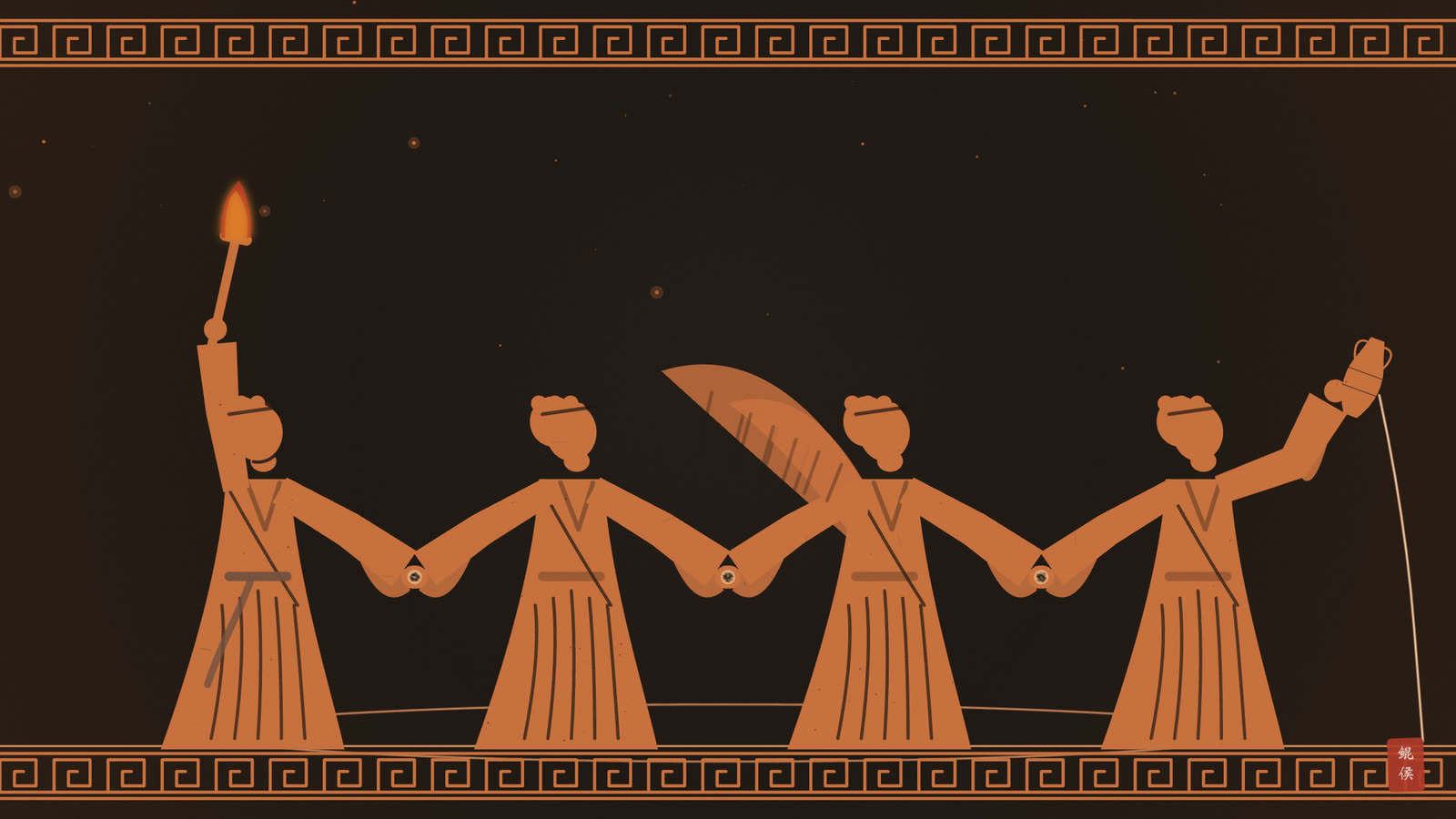
Some, then, allot the remaining periods from the trines, but to me this does not seem to accord with nature. Rather, just as in the cosmos the four elements possess sympathy with one another, and each is brought to life and warmed by another, in the same way, in the division too, the transmissions should be made according to the harmony of the signs. For example, since fire and air, both tending upward, mingle with each other, and fire, being very dry, is nourished by the good tempering of the airs, while fire itself does not allow the air to pass into an icy and gloomy nature but produces a warm and good tempering, it is reasonable that Leo too, being fiery, after the cycle will hand over the remaining time to Aquarius, which is in sympathy with it, being air, and Aquarius again to Leo. Likewise earth, being very dry and nourished by the moist substance, brings all things to life, and water itself, being borne up by the earth and born from it, preserves the sympathy; it is reasonable, then, that Cancer, being very moist, and Capricorn, being earthy, will make the counter-transmission to each other, and Virgo, being earthy, to Pisces; and the other signs will have the same power toward their opposites. Thus too the sequence of the division by sign has been laid out by elements. For example, Aries is fiery, Taurus earthy, Gemini airy, Cancer watery, and their trines likewise. If, then, we loose the bonds in the trines, we shall find a single nature for both the handing-over and the receiving sign, and no blending will be found, but rather the elements made to prevail over by them. Moreover, we find that the Sun makes the beginning of his turning and of the equinox from Aries, and through the semicircle increases the length of the day, while in the opposite sign, Libra, he looses the bond and passes into decrease. And since Cancer holds a figure that increases the day, the Sun, on coming into Capricorn, grants this to the night, making the change in the opposite sign. Likewise the Moon too, having made her conjunction and completed the circle, looses the bond in the opposite sign. Therefore it has seemed better to use the method set out above for the loosing of the bonds.
翻译点开
Some, then, allot the remaining periods from the trines, but to me this does not seem to accord with nature. Rather, just as in the cosmos the four elements possess sympathy with one another, and each is brought to life and warmed by another, in the same way, in the division too, the transmissions should be made according to the harmony of the signs. For example, since fire and air, both tending upward, mingle with each other, and fire, being very dry, is nourished by the good tempering of the airs, while fire itself does not allow the air to pass into an icy and gloomy nature but produces a warm and good tempering, it is reasonable that Leo too, being fiery, after the cycle will hand over the remaining time to Aquarius, which is in sympathy with it, being air, and Aquarius again to Leo. Likewise earth, being very dry and nourished by the moist substance, brings all things to life, and water itself, being borne up by the earth and born from it, preserves the sympathy; it is reasonable, then, that Cancer, being very moist, and Capricorn, being earthy, will make the counter-transmission to each other, and Virgo, being earthy, to Pisces; and the other signs will have the same power toward their opposites. Thus too the sequence of the division by sign has been laid out by elements. For example, Aries is fiery, Taurus earthy, Gemini airy, Cancer watery, and their trines likewise. If, then, we loose the bonds in the trines, we shall find a single nature for both the handing-over and the receiving sign, and no blending will be found, but rather the elements made to prevail over by them. Moreover, we find that the Sun makes the beginning of his turning and of the equinox from Aries, and through the semicircle increases the length of the day, while in the opposite sign, Libra, he looses the bond and passes into decrease. And since Cancer holds a figure that increases the day, the Sun, on coming into Capricorn, grants this to the night, making the change in the opposite sign. Likewise the Moon too, having made her conjunction and completed the circle, looses the bond in the opposite sign. Therefore it has seemed better to use the method set out above for the loosing of the bonds.
所以,有些人从三分之座分配剩余的时期,但我认为这不合乎自然。毋宁说,正如在宇宙中四元素彼此有感应,每一种都被另一种赋予生命、被另一种温暖,同样在划分中,交付也应按星座的和谐来做。例如,既然火与气都趋向上方,彼此相混,火极干,受诸气的良好调和滋养,而火本身也不让气转入冰冷阴郁的本性,而造成温暖良好的调和,那么,属火的狮子在一轮之后把剩余的时间交给与它有感应的、属气的水瓶,水瓶又交给狮子,是合理的。同样,土极干,受潮湿之质滋养,使万物有生命,而水本身被土托起、由土而生,保持着感应;所以,极潮湿的巨蟹与属土的摩羯彼此作对向的交付,属土的处女对双鱼也是如此,是合理的;其余星座对它们的对面也有同样的力量。这样,按星座划分的次序也就是按元素排列的。例如,白羊属火,金牛属土,双子属气,巨蟹属水,它们的三分之座也一样。所以,若我们在三分之座解结,就会发现交出的星座与接受的星座是同一种本性,找不到任何混合,反而是元素被它们压倒。再者,我们发现太阳从白羊开始他的转折与分点,经过半圈使白昼的长度增加,而在对面的星座天秤,他解开结,转入减少。既然巨蟹持有使白昼增长的形态,太阳来到摩羯时就把这让给黑夜,在对面的星座作出改变。同样,月亮也在合朔并走完一圈之后,在对面的星座解结。所以,用上面所列的方法来解结,似乎更好。
大意与图解点开
🔎 大意:有人把余数交给三分之座,作者认为不合自然:对面之座是火与气、土与水相济;日月也在对面之座转折,故从对面解结。
📖 术语
| 术语 | 英文原词 | 意思 |
|---|---|---|
| 解结 | loosing of the bonds | 一轮满后转交 |
| 对向的交付 | counter-transmission | 对面两座互交 |
| 交付 | transmissions | 时期的移交 |
| 和谐 | harmony | 星座间的相配 |
| 转折 | turning | 至点与分点 |
🧭 图解与讲解
第十三行解释为什么剩余的时期要交给对面之座,而不是像有些人那样交给三分之座。理由来自四元素的感应(图一):火与气都趋向上方,火极干,靠气的调和滋养,又使气不转入冰冷,所以属火的狮子把余数交给属气的水瓶,水瓶再交回狮子;土极干,靠水滋养,水由土托起,所以属水的巨蟹与属土的摩羯互相交付,处女与双鱼也是如此。黄道上相对的两座,正好是火对气、土对水。
〔图〕解结交给对面之座:对面两座分属火与气、土与水,彼此相济
〔图〕余数交给谁:两种主张
反过来,三分之座同属一种元素,交出的与接受的本性相同,就「找不到任何混合」。作者再举天象为证(图二):太阳从白羊开始转折与分点,白昼渐长,到对面的天秤「解开结」转入减少;巨蟹是白昼最长的形态,太阳到对面的摩羯就把它让给黑夜;月亮也在合朔一圈之后,于对面之座解结。所以「解结」(loosing of the bonds)要交给对面之座,这正是下一章的题目。
📖 术语
| 术语 | 英文原词 | 意思 |
|---|---|---|
| 解结 | loosing of the bonds | 一轮满后转交 |
| 对向的交付 | counter-transmission | 对面两座互交 |
| 交付 | transmissions | 时期的移交 |
| 和谐 | harmony | 星座间的相配 |
| 转折 | turning | 至点与分点 |
🧭 图解与讲解
第十三行解释为什么剩余的时期要交给对面之座,而不是像有些人那样交给三分之座。理由来自四元素的感应(图一):火与气都趋向上方,火极干,靠气的调和滋养,又使气不转入冰冷,所以属火的狮子把余数交给属气的水瓶,水瓶再交回狮子;土极干,靠水滋养,水由土托起,所以属水的巨蟹与属土的摩羯互相交付,处女与双鱼也是如此。黄道上相对的两座,正好是火对气、土对水。
反过来,三分之座同属一种元素,交出的与接受的本性相同,就「找不到任何混合」。作者再举天象为证(图二):太阳从白羊开始转折与分点,白昼渐长,到对面的天秤「解开结」转入减少;巨蟹是白昼最长的形态,太阳到对面的摩羯就把它让给黑夜;月亮也在合朔一圈之后,于对面之座解结。所以「解结」(loosing of the bonds)要交给对面之座,这正是下一章的题目。
原文为公有领域古籍;翻译、印象画与图文解读由 AI 辅助生成,鲲侯审校。