卷三·第十一章 论身体形貌与气质
身体先于灵魂成形,故先论形貌:看上升与月亮及其主星,参以晨昏、相态、象限与星群形象,综合推测。
Now that the procedure in the matter of the length of life has been explained, we speak about the form and character of the body, beginning the detailed discussion in the proper order, inasmuch as naturally, too, the bodily parts are formed prior to the soul; for the body, because it is more material, carries almost from birth the outward appearances of its idiosyncrasies, while the soul shows forth the characters conferred upon it by the first cause only afterwards and little by little, and external accidental qualities come about still later in time.
We must, then, in general observe the eastern horizon and the planets that are upon it or assume its rulership in the way already explained; and in particular also the moon as well; for it is through the formative power of these two places and of their ruler and through the mixture of the two kinds, and furthermore through the forms of the fixed stars that are rising at the same time, that the conformation of the body is ascertained; the ruling planets have most power in this matter and the special characters of their places aid them.
翻译点开
Now that the procedure in the matter of the length of life has been explained, we speak about the form and character of the body, beginning the detailed discussion in the proper order, inasmuch as naturally, too, the bodily parts are formed prior to the soul; for the body, because it is more material, carries almost from birth the outward appearances of its idiosyncrasies, while the soul shows forth the characters conferred upon it by the first cause only afterwards and little by little, and external accidental qualities come about still later in time.
寿数的推算方法既已讲明,我们接着谈身体的形貌与特性,按应有的次序展开细论,因为在自然中,身体各部也先于灵魂而形成:身体因为较多物质性,几乎从降生起就带着它特殊体质的外在表征;灵魂则要到后来才一点一点显出首因赋予它的性格;外在的偶有之质,在时间上还要更晚才出现。
We must, then, in general observe the eastern horizon and the planets that are upon it or assume its rulership in the way already explained; and in particular also the moon as well; for it is through the formative power of these two places and of their ruler and through the mixture of the two kinds, and furthermore through the forms of the fixed stars that are rising at the same time, that the conformation of the body is ascertained; the ruling planets have most power in this matter and the special characters of their places aid them.
所以,大体上我们必须观察东方地平,以及在它上面、或按前面讲过的方式取得对它主管之权的行星;具体而言,也要同样观察月亮。因为身体的构造,正是凭这两处位置及其主星的塑形之力、凭这两类之力的混合,此外还凭同时升起的恒星的形象来确定的;在这件事上,主星的力量最大,它们所在位置的特质则从旁相助。
大意与图解点开
🔎 大意:身体比灵魂先成形,所以先论形貌:看东方地平与月亮、在其上或主管它们的行星,再参同时升起的恒星。
📖 术语
| 术语 | 英译原词 | 意思 |
|---|---|---|
| 特殊体质 | idiosyncrasies | 各人与众不同的体质 |
| 首因 | first cause | 最初赋予性格的原因 |
| 偶有之质 | accidental qualities | 后天外加的条件 |
| 东方地平 | eastern horizon | 上升点所在,即命度 |
| 主星 | ruling planets | 主管某处的行星 |
🧭 图解与讲解
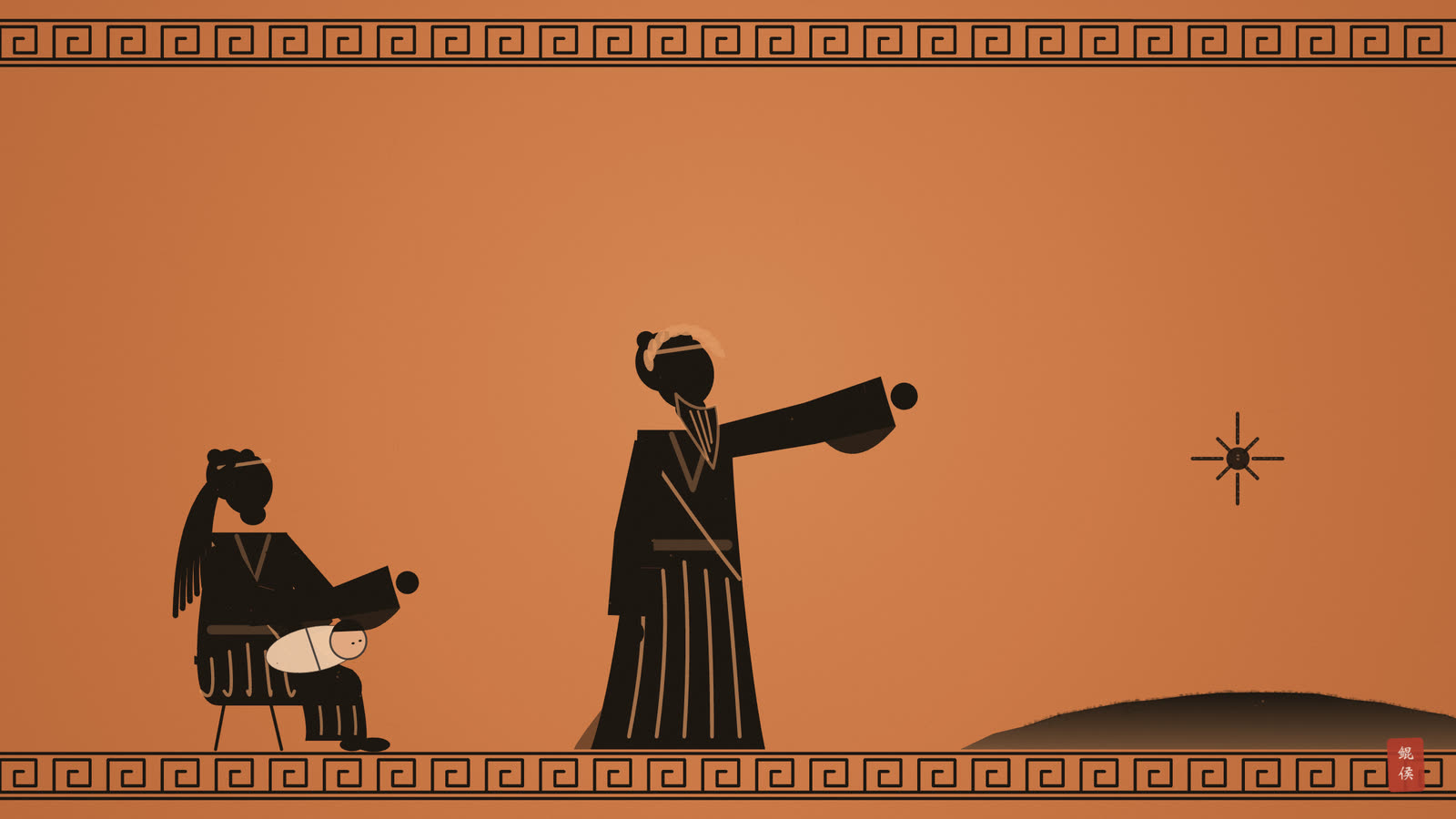
卷三前面几章讲的是降生前后的事:父母、兄弟姐妹、生男生女、双生、畸胎、不得养育的孩子,接着第十章算寿数。卷三第三章排定的次序,寿数之后便是身体的形貌与身体的伤病,再往后才是灵魂。托勒密在这里说明理由:按自然,身体先成形,灵魂所禀的性格要日后才一点一点显露,外在的偶有之质更晚才加上去(图一)。
〔图〕先身后心:身体最早成形,灵魂所禀随后渐显,外在的偶有之质更晚
〔图〕看形貌先看两处:东方地平与月亮,以及在其上或主管它们的行星
看形貌的方法(图二):一处是东方地平,也就是上升点,连同在它上面的行星、或主管它的行星;另一处是月亮所在。这两处位置的力,加上它们主星的力,混合起来塑成身体——Robbins 注说,所谓「两类之力的混合」,大概就是位置之力与主星之力这两类。此外,同时从东方升起的恒星,它们的形象也有影响,本章最后一单元会落实这一点。
「按前面讲过的方式取得主管之权」,Robbins 注指向卷三第二章:一颗星主管某一度数,有三方、庙、旺、界、相态或相位五种方式,占得越多,主管之权越大。图二为了清楚只取庙主作例:射手上升,土星正临东方地平,射手的庙主是木星;月亮在金牛,金牛的庙主是金星。实际推断时,要把这几颗星的本性混合起来看。
托勒密特别强调:在形貌这件事上,主星的力量最大,位置的特质只是从旁相助。所以下文先讲诸星本身作主星时怎样塑形(第二、三单元),再讲它们所在的位置——黄道上的象限与星群的形象(第四、五单元),最后要求把这一切综合起来,对形貌与气质作出推测。
📖 术语
| 术语 | 英译原词 | 意思 |
|---|---|---|
| 特殊体质 | idiosyncrasies | 各人与众不同的体质 |
| 首因 | first cause | 最初赋予性格的原因 |
| 偶有之质 | accidental qualities | 后天外加的条件 |
| 东方地平 | eastern horizon | 上升点所在,即命度 |
| 主星 | ruling planets | 主管某处的行星 |
🧭 图解与讲解
卷三前面几章讲的是降生前后的事:父母、兄弟姐妹、生男生女、双生、畸胎、不得养育的孩子,接着第十章算寿数。卷三第三章排定的次序,寿数之后便是身体的形貌与身体的伤病,再往后才是灵魂。托勒密在这里说明理由:按自然,身体先成形,灵魂所禀的性格要日后才一点一点显露,外在的偶有之质更晚才加上去(图一)。
看形貌的方法(图二):一处是东方地平,也就是上升点,连同在它上面的行星、或主管它的行星;另一处是月亮所在。这两处位置的力,加上它们主星的力,混合起来塑成身体——Robbins 注说,所谓「两类之力的混合」,大概就是位置之力与主星之力这两类。此外,同时从东方升起的恒星,它们的形象也有影响,本章最后一单元会落实这一点。
「按前面讲过的方式取得主管之权」,Robbins 注指向卷三第二章:一颗星主管某一度数,有三方、庙、旺、界、相态或相位五种方式,占得越多,主管之权越大。图二为了清楚只取庙主作例:射手上升,土星正临东方地平,射手的庙主是木星;月亮在金牛,金牛的庙主是金星。实际推断时,要把这几颗星的本性混合起来看。
托勒密特别强调:在形貌这件事上,主星的力量最大,位置的特质只是从旁相助。所以下文先讲诸星本身作主星时怎样塑形(第二、三单元),再讲它们所在的位置——黄道上的象限与星群的形象(第四、五单元),最后要求把这一切综合起来,对形貌与气质作出推测。
The detailed account, then, as one might report it in simple terms, is this: First, among the planets, Saturn, if he is in the orient, makes his subjects in appearance dark-skinned, robust, black-haired, curly-haired, hairy-chested, with eyes of moderate size, of middling stature, and in temperament having an excess of the moist and cold. If Saturn is setting, in appearance he makes them dark, slender, small, straight-haired, with little hair on the body, rather graceful, and black-eyed; in temperament, sharing most in the cold and dry.
Jupiter, as the ruler of the aforesaid regions, when he is rising, makes his subjects in appearance light of skin, but in such a way as to have a good colour, with moderately curling hair and large eyes, tall, and commanding respect; in temperament they exceed in the hot and the moist. When Jupiter is setting, he makes his subjects light, to be sure, but not as before, in such a way as to give them a good colour, and with lank hair or even bald in front and on the crown, and of average stature; in temperament they have an excess of the moist.
Similarly, Mars, when rising, makes his subjects in appearance red and white of complexion, tall and robust, gray-eyed, with thick hair, somewhat curly, and in temperament showing an excess of the warm and dry. When he is setting, he makes them in appearance simply ruddy, of middle height, with small eyes, not much hair on the body, and straight yellow hair; their temperament exceeds in the dry.
Venus has effects similar to Jupiter's, but is apt to make her subjects more shapely, graceful, womanish, effeminate in figure, plump, and luxurious. On her own proper account she makes the eyes bright as well as beautiful.
Mercury, in the orient, makes his subjects in appearance sallow, of moderate height, graceful, with small eyes and moderately curling hair; in temperament, showing an excess of the warm. In the occident he makes them, in appearance, of light but not of good colouring, with straight hair and olive complexion, lean and spare, with glancing, brilliant eyes, and somewhat ruddy; in temperament they exceed in the dry.
翻译点开
The detailed account, then, as one might report it in simple terms, is this: First, among the planets, Saturn, if he is in the orient, makes his subjects in appearance dark-skinned, robust, black-haired, curly-haired, hairy-chested, with eyes of moderate size, of middling stature, and in temperament having an excess of the moist and cold. If Saturn is setting, in appearance he makes them dark, slender, small, straight-haired, with little hair on the body, rather graceful, and black-eyed; in temperament, sharing most in the cold and dry.
若用简单的话来叙述,细节是这样的:首先,在诸行星中,土星若东出,使所主之人外貌肤色黝黑、强壮、黑发、卷发、胸毛浓密、眼睛大小适中、身材中等,气质上湿与冷过多。土星若西入,外貌上使人黝黑、瘦削、矮小、直发、体毛稀少、颇为秀气、黑眼睛;气质上最多分有冷与燥。
Jupiter, as the ruler of the aforesaid regions, when he is rising, makes his subjects in appearance light of skin, but in such a way as to have a good colour, with moderately curling hair and large eyes, tall, and commanding respect; in temperament they exceed in the hot and the moist. When Jupiter is setting, he makes his subjects light, to be sure, but not as before, in such a way as to give them a good colour, and with lank hair or even bald in front and on the crown, and of average stature; in temperament they have an excess of the moist.
木星作为前述各处的主星,东出时,使所主之人外貌肤色白皙,但白得有好气色,头发略卷,眼睛大,身材高,仪态令人敬重;气质上热与湿过多。木星西入时,使所主之人固然也白皙,却不像前者那样白得有好气色,头发平直,甚至前额与头顶秃发,身材中等;气质上湿过多。
Similarly, Mars, when rising, makes his subjects in appearance red and white of complexion, tall and robust, gray-eyed, with thick hair, somewhat curly, and in temperament showing an excess of the warm and dry. When he is setting, he makes them in appearance simply ruddy, of middle height, with small eyes, not much hair on the body, and straight yellow hair; their temperament exceeds in the dry.
同样,火星东出时,使所主之人外貌肤色红白相间,高大强壮,灰色眼睛,头发浓密而略卷,气质上温与燥过多。他西入时,使人外貌只是红润,身材中等,眼睛小,体毛不多,黄色直发;他们的气质燥过多。
Venus has effects similar to Jupiter's, but is apt to make her subjects more shapely, graceful, womanish, effeminate in figure, plump, and luxurious. On her own proper account she makes the eyes bright as well as beautiful.
金星的作用与木星相似,但容易使所主之人更匀称、秀美,带女子气,体态阴柔,丰腴,喜好奢华。以她自身的特性而言,她使眼睛既明亮又美丽。
Mercury, in the orient, makes his subjects in appearance sallow, of moderate height, graceful, with small eyes and moderately curling hair; in temperament, showing an excess of the warm. In the occident he makes them, in appearance, of light but not of good colouring, with straight hair and olive complexion, lean and spare, with glancing, brilliant eyes, and somewhat ruddy; in temperament they exceed in the dry.
水星东出时,使所主之人外貌面色萎黄,身材中等,秀气,眼睛小,头发略卷;气质上温过多。西入时,使人外貌白皙但气色不佳,直发,肤色如橄榄,瘦削精干,眼神闪动而明亮,面色略红;气质上燥过多。
大意与图解点开
🔎 大意:五星作主星,东出、西入所主形貌气质不同:土星黝黑,木星白皙高大,火星红润,金星秀美,水星萎黄秀气。
📖 术语
| 术语 | 英译原词 | 意思 |
|---|---|---|
| 东出 | in the orient, rising | 先于太阳升起,作晨星 |
| 西入 | setting, in the occident | 随太阳之后落下,作昏星 |
| 气质 | temperament | 体质冷热干湿的调和 |
| 所主之人 | subjects | 受此星主管而生的人 |
🧭 图解与讲解
这一单元逐一描述五颗行星作主星时造成的形貌与气质,每颗星分东出、西入两种情形(金星除外)。东出、西入说的是行星在太阳的哪一侧(卷一第六章):在太阳之西、每天先于太阳从东方升起的是晨星,即东出;在太阳之东、太阳落下后还留在西天的是昏星,即西入。(卷三第三章说,相对上升点也可分东西。)Robbins 英译在 in the orient、rising 与 setting、in the occident 之间换着用词,本站统一译作「东出」「西入」。
〔图〕东出与西入:先于太阳升起的是东出的晨星,随太阳之后落下的是西入的昏星
| 行星 | 东出:形貌 | 东出:气质 | 西入:形貌 | 西入:气质 |
|---|---|---|---|---|
| ♄︎ 土星 | 肤黑、强壮、黑发卷发、胸毛浓密、眼睛中等、身材中等 | 湿、冷过多 | 黝黑、瘦削矮小、直发、体毛少、颇秀气、黑眼睛 | 最多分有冷、燥 |
| ♃︎ 木星 | 白皙而气色好、发略卷、大眼、身高、令人敬重 | 热、湿过多 | 白皙而气色不及、头发平直或前额头顶秃、身材中等 | 湿过多 |
| ♂︎ 火星 | 红白相间、高大强壮、灰眼、发浓而略卷 | 温、燥过多 | 只是红润、身材中等、小眼、体毛不多、黄色直发 | 燥过多 |
| ♀︎ 金星 | 与木星相似,更匀称秀美、带女子气、丰腴、喜好奢华;本身使眼睛明亮美丽 | (同木星相似) | 书中未分东出、西入 | — |
| ☿︎ 水星 | 面色萎黄、身材中等、秀气、小眼、发略卷 | 温过多 | 白而气色不佳、直发、肤如橄榄、瘦削精干、眼神闪亮、面略红 | 燥过多 |
图一设太阳在白羊初度:上半圈(天秤到双鱼)的星在太阳之西,先日而升,是东出;下半圈(白羊到处女)的星在太阳之东,随日而落,是西入。图中用土星作例,彩色的土星东出,灰色的土星西入。外行星可以离太阳任意远,所以各占半圈;金星、水星总在太阳附近,只在太阳两侧一小段里分晨昏。
表二把五星的描述排在一起。托勒密只给描述,不讲理由;不过对照卷一第八章(外行星的周期前半偏湿偏热、后半偏燥偏冷),可以看出一条线索:土星东出湿冷、西入冷燥,木星东出热湿、西入只剩湿,火星东出温燥、西入只剩燥,水星东出温、西入燥,都是西入时减去一分温或湿,偏向燥冷一边。这是我们的归纳,不是书中的话。
金星只有一句:作用与木星相似,但使人更匀称秀美、带女子气、丰腴,又特别使眼睛明亮美丽;书中没有分东出、西入。水星西入时「眼神闪动而明亮」一语,Robbins 注说原文可能有讹,那个希腊词别处未见,意思只能大致推测。木星一句开头的「作为前述各处的主星」也要留意:这些描述都是就该星主管上升或月亮之处而言,不是盘中任何一颗星都这样起作用。
📖 术语
| 术语 | 英译原词 | 意思 |
|---|---|---|
| 东出 | in the orient, rising | 先于太阳升起,作晨星 |
| 西入 | setting, in the occident | 随太阳之后落下,作昏星 |
| 气质 | temperament | 体质冷热干湿的调和 |
| 所主之人 | subjects | 受此星主管而生的人 |
🧭 图解与讲解
这一单元逐一描述五颗行星作主星时造成的形貌与气质,每颗星分东出、西入两种情形(金星除外)。东出、西入说的是行星在太阳的哪一侧(卷一第六章):在太阳之西、每天先于太阳从东方升起的是晨星,即东出;在太阳之东、太阳落下后还留在西天的是昏星,即西入。(卷三第三章说,相对上升点也可分东西。)Robbins 英译在 in the orient、rising 与 setting、in the occident 之间换着用词,本站统一译作「东出」「西入」。
| 行星 | 东出:形貌 | 东出:气质 | 西入:形貌 | 西入:气质 |
|---|---|---|---|---|
| ♄︎ 土星 | 肤黑、强壮、黑发卷发、胸毛浓密、眼睛中等、身材中等 | 湿、冷过多 | 黝黑、瘦削矮小、直发、体毛少、颇秀气、黑眼睛 | 最多分有冷、燥 |
| ♃︎ 木星 | 白皙而气色好、发略卷、大眼、身高、令人敬重 | 热、湿过多 | 白皙而气色不及、头发平直或前额头顶秃、身材中等 | 湿过多 |
| ♂︎ 火星 | 红白相间、高大强壮、灰眼、发浓而略卷 | 温、燥过多 | 只是红润、身材中等、小眼、体毛不多、黄色直发 | 燥过多 |
| ♀︎ 金星 | 与木星相似,更匀称秀美、带女子气、丰腴、喜好奢华;本身使眼睛明亮美丽 | (同木星相似) | 书中未分东出、西入 | — |
| ☿︎ 水星 | 面色萎黄、身材中等、秀气、小眼、发略卷 | 温过多 | 白而气色不佳、直发、肤如橄榄、瘦削精干、眼神闪亮、面略红 | 燥过多 |
图一设太阳在白羊初度:上半圈(天秤到双鱼)的星在太阳之西,先日而升,是东出;下半圈(白羊到处女)的星在太阳之东,随日而落,是西入。图中用土星作例,彩色的土星东出,灰色的土星西入。外行星可以离太阳任意远,所以各占半圈;金星、水星总在太阳附近,只在太阳两侧一小段里分晨昏。
表二把五星的描述排在一起。托勒密只给描述,不讲理由;不过对照卷一第八章(外行星的周期前半偏湿偏热、后半偏燥偏冷),可以看出一条线索:土星东出湿冷、西入冷燥,木星东出热湿、西入只剩湿,火星东出温燥、西入只剩燥,水星东出温、西入燥,都是西入时减去一分温或湿,偏向燥冷一边。这是我们的归纳,不是书中的话。
金星只有一句:作用与木星相似,但使人更匀称秀美、带女子气、丰腴,又特别使眼睛明亮美丽;书中没有分东出、西入。水星西入时「眼神闪动而明亮」一语,Robbins 注说原文可能有讹,那个希腊词别处未见,意思只能大致推测。木星一句开头的「作为前述各处的主星」也要留意:这些描述都是就该星主管上升或月亮之处而言,不是盘中任何一颗星都这样起作用。
The luminaries assist each of these when they bear an aspect to them, the sun tending to a more impressive and robust effect, and the moon, especially when she is separating from the planets, in general tending toward better proportion and greater slenderness, and toward a more moist temperament; but in particular cases her effect is proportioned to the special quality of her illumination, in accordance with the system of intermixture explained in the beginning of the treatise.
Again, generally, when the planets are morning stars and make an appearance, they make the body large; at their first station, powerful and muscular; when they are moving forward, not well-proportioned; at their second station, rather weak; and at setting, entirely without repute but able to bear hardship and oppression.
翻译点开
The luminaries assist each of these when they bear an aspect to them, the sun tending to a more impressive and robust effect, and the moon, especially when she is separating from the planets, in general tending toward better proportion and greater slenderness, and toward a more moist temperament; but in particular cases her effect is proportioned to the special quality of her illumination, in accordance with the system of intermixture explained in the beginning of the treatise.
两光与上述每一颗星成相位时,都会对它有所助益:太阳倾向使效果更为威严、强健;月亮,尤其在她与诸星离相之时,大体倾向使身体更匀称、更纤细,气质更湿;但在具体情形下,她的作用与她光照的特殊性质相称,依照本书开头讲过的混合之法。
Again, generally, when the planets are morning stars and make an appearance, they make the body large; at their first station, powerful and muscular; when they are moving forward, not well-proportioned; at their second station, rather weak; and at setting, entirely without repute but able to bear hardship and oppression.
再者,一般说来,诸星作晨星而显现时,使身体高大;在第一次留时,使人有力而肌肉发达;在向前行进时,使人不甚匀称;在第二次留时,使人较为虚弱;在沉没时,使人全然默默无闻,却能忍受劳苦与压迫。
大意与图解点开
🔎 大意:两光相照:太阳添威严强健,月亮添匀称纤细与湿;诸星晨出身大,初留强健,前行失称,次留较弱,沉没而耐劳。
📖 术语
| 术语 | 英译原词 | 意思 |
|---|---|---|
| 离相 | separating | 离开某星,不再趋近 |
| 光照 | illumination | 月亮的盈亏之相 |
| 留 | station | 看似停在天上不动 |
| 向前行进 | moving forward | 朝前导星座走,即逆行 |
| 沉没 | setting | 没入日光,不再可见 |
🧭 图解与讲解
五星的描述是基本盘,这一单元讲两种修正。第一种来自两光:太阳或月亮与那颗主星成相位时,会助长它。太阳使效果更威严、更强健;月亮使身体更匀称、更纤细,气质更湿,尤其在她与诸星「离相」、也就是刚刚离开那颗星的时候(离相见卷一第二十四章)。
〔图〕两光相照时从旁相助:太阳添威严强健,月亮添匀称纤细
〔图〕诸星的相态影响身形:晨出身大,初留强健,前行失称,次留较弱,沉没而耐劳
月亮还有细处:她的作用随「光照」的性质而定,也就是看她正处在盈亏的哪一段。托勒密说这是依照「本书开头讲过的混合之法」,Robbins 注认为大概指卷一第十章的末段(季节、年龄、方位与星性相合则力纯而强,相反则杂而弱),古注则以为指卷一第八章的月相四段:新月到上弦偏湿,到满月偏热,到下弦偏燥,到隐没偏冷。图一概括两光的分工。
第二种修正来自相态,即行星在一个会合周期中所处的阶段。图二以外行星为例,太阳当作定点:作为晨星刚刚显现时(升),使身体高大;到第一次留,使人有力、肌肉发达;接着「向前行进」(逆),使人不甚匀称;到第二次留,使人较弱;到沉没(没),即没入日光之时,使人默默无闻,却能吃苦耐劳。身体的力量随周期由盛转衰,与卷一第八章四段的次序相应。
「向前行进」容易误会。Robbins 注说,按古代的说法,行星朝「前导星座」的方向、也就是顺着周日运动由东向西移动时,叫作「向前」;相对于它本身由西向东的运行,这其实是在后退,也就是今天说的逆行。所以图二在两次留之间标作「逆」。「作晨星而显现」,Robbins 注引古注解释为东出,与上一单元的说法相合。
📖 术语
| 术语 | 英译原词 | 意思 |
|---|---|---|
| 离相 | separating | 离开某星,不再趋近 |
| 光照 | illumination | 月亮的盈亏之相 |
| 留 | station | 看似停在天上不动 |
| 向前行进 | moving forward | 朝前导星座走,即逆行 |
| 沉没 | setting | 没入日光,不再可见 |
🧭 图解与讲解
五星的描述是基本盘,这一单元讲两种修正。第一种来自两光:太阳或月亮与那颗主星成相位时,会助长它。太阳使效果更威严、更强健;月亮使身体更匀称、更纤细,气质更湿,尤其在她与诸星「离相」、也就是刚刚离开那颗星的时候(离相见卷一第二十四章)。
月亮还有细处:她的作用随「光照」的性质而定,也就是看她正处在盈亏的哪一段。托勒密说这是依照「本书开头讲过的混合之法」,Robbins 注认为大概指卷一第十章的末段(季节、年龄、方位与星性相合则力纯而强,相反则杂而弱),古注则以为指卷一第八章的月相四段:新月到上弦偏湿,到满月偏热,到下弦偏燥,到隐没偏冷。图一概括两光的分工。
第二种修正来自相态,即行星在一个会合周期中所处的阶段。图二以外行星为例,太阳当作定点:作为晨星刚刚显现时(升),使身体高大;到第一次留,使人有力、肌肉发达;接着「向前行进」(逆),使人不甚匀称;到第二次留,使人较弱;到沉没(没),即没入日光之时,使人默默无闻,却能吃苦耐劳。身体的力量随周期由盛转衰,与卷一第八章四段的次序相应。
「向前行进」容易误会。Robbins 注说,按古代的说法,行星朝「前导星座」的方向、也就是顺着周日运动由东向西移动时,叫作「向前」;相对于它本身由西向东的运行,这其实是在后退,也就是今天说的逆行。所以图二在两次留之间标作「逆」。「作晨星而显现」,Robbins 注引古注解释为东出,与上一单元的说法相合。
Likewise their places, as we have said, take an important part in the formation of the bodily characters and temperaments. In general terms, once more, the quadrant from the spring equinox to the summer solstice makes the subjects well-favoured in complexion, stature, robustness, and eyes, and exceeding in the moist and warm. The quadrant from the summer solstice to the autumn equinox produces individuals with moderately good complexion and moderate height, robust, with large eyes and thick and curly hair, exceeding in the warm and dry.
The quadrant from the autumn equinox to the winter solstice makes them sallow, spare, slender, sickly, with moderately curling hair and good eyes, exceeding in the dry and cold. The quadrant from the winter solstice to the spring equinox produces individuals of dark complexion, moderate height, straight hair, with little hair on their bodies, somewhat graceful, and exceeding in the cold and moist.
翻译点开
Likewise their places, as we have said, take an important part in the formation of the bodily characters and temperaments. In general terms, once more, the quadrant from the spring equinox to the summer solstice makes the subjects well-favoured in complexion, stature, robustness, and eyes, and exceeding in the moist and warm. The quadrant from the summer solstice to the autumn equinox produces individuals with moderately good complexion and moderate height, robust, with large eyes and thick and curly hair, exceeding in the warm and dry.
同样,如前所说,它们所在的位置在塑成身体的特征与气质上也起重要作用。再就大体而言,从春分到夏至的象限,使所主之人在肤色、身材、强健与眼睛各方面都生得好,湿与温过多。从夏至到秋分的象限,生出的人气色尚好,身材中等,强壮,眼睛大,头发浓密而卷曲,温与燥过多。
The quadrant from the autumn equinox to the winter solstice makes them sallow, spare, slender, sickly, with moderately curling hair and good eyes, exceeding in the dry and cold. The quadrant from the winter solstice to the spring equinox produces individuals of dark complexion, moderate height, straight hair, with little hair on their bodies, somewhat graceful, and exceeding in the cold and moist.
从秋分到冬至的象限,使人面色萎黄,精瘦,纤细,多病,头发略卷,眼睛好看,燥与冷过多。从冬至到春分的象限,生出的人肤色黝黑,身材中等,直发,体毛稀少,略显秀气,冷与湿过多。
大意与图解点开
🔎 大意:主星所在的位置也塑造身形:从春分起四个象限依次使人湿温、温燥、燥冷、冷湿,形貌各有特征。
📖 术语
| 术语 | 英译原词 | 意思 |
|---|---|---|
| 位置 | places | 主星所在的黄道部分 |
| 象限 | quadrant | 黄道四分之一,三个星座 |
| 春分、夏至 | spring equinox, summer solstice | 太阳入白羊、入巨蟹 |
| 秋分、冬至 | autumn equinox, winter solstice | 太阳入天秤、入摩羯 |
🧭 图解与讲解
讲完主星本身,转到它们所在的位置。本章开头说过,主星所在位置的特质会从旁相助;Robbins 注指出,这里说的是黄道上的位置,并请读者参看卷一第十章。最大的一层分法是四个象限:以春分、夏至、秋分、冬至四点把黄道分成四段,每段三个星座。
〔图〕四个象限各有气质:从春分起依次湿温、温燥、燥冷、冷湿
| 象限 | 星座 | 形貌 | 气质 |
|---|---|---|---|
| 春分 → 夏至 | 白羊、金牛、双子 | 肤色、身材、强健、眼睛都生得好 | 湿、温过多 |
| 夏至 → 秋分 | 巨蟹、狮子、处女 | 气色尚好、身材中等、强壮、大眼、发浓而卷 | 温、燥过多 |
| 秋分 → 冬至 | 天秤、天蝎、射手 | 面色萎黄、精瘦纤细、多病、发略卷、眼睛好看 | 燥、冷过多 |
| 冬至 → 春分 | 摩羯、水瓶、双鱼 | 肤色黝黑、身材中等、直发、体毛少、略显秀气 | 冷、湿过多 |
图一依次点亮四个象限。每一象限的气质,与卷一第十章所说的四季一一对应:春湿、夏热、秋燥、冬冷。不同的是,这里每个象限都给了两种性质:春分到夏至湿而温,夏至到秋分温而燥,秋分到冬至燥而冷,冬至到春分冷而湿;绕一圈下来,每一种性质都出现在相邻的两个象限里,像四季之间的过渡。
形貌的描述也带着季节的影子(表二):春夏两个象限,人生得周正,强壮,眼睛好或大;秋季象限偏燥冷,人萎黄、精瘦、多病;冬季象限偏冷湿,人肤色黝黑、直发、体毛少。冬季象限的描述与上一单元土星西入时颇为相似(黝黑、直发、体毛少、略秀气),而这个象限恰好含有土星的两庙摩羯、水瓶(卷一第十七章),可以互相参看。
要注意,这里的象限是黄道上的象限,以春分点为起点,与卷一第六章那种按地平与子午线划分的象限(上升点到中天等)不是一回事。季节的寒暑以北半球为准,托勒密住在埃及的亚历山大里亚。主星若落在哪个象限,就把那个象限的性质混进主星本性里去,所以同一颗土星,在春季象限与在冬季象限,塑成的形貌就不全一样。
📖 术语
| 术语 | 英译原词 | 意思 |
|---|---|---|
| 位置 | places | 主星所在的黄道部分 |
| 象限 | quadrant | 黄道四分之一,三个星座 |
| 春分、夏至 | spring equinox, summer solstice | 太阳入白羊、入巨蟹 |
| 秋分、冬至 | autumn equinox, winter solstice | 太阳入天秤、入摩羯 |
🧭 图解与讲解
讲完主星本身,转到它们所在的位置。本章开头说过,主星所在位置的特质会从旁相助;Robbins 注指出,这里说的是黄道上的位置,并请读者参看卷一第十章。最大的一层分法是四个象限:以春分、夏至、秋分、冬至四点把黄道分成四段,每段三个星座。
| 象限 | 星座 | 形貌 | 气质 |
|---|---|---|---|
| 春分 → 夏至 | 白羊、金牛、双子 | 肤色、身材、强健、眼睛都生得好 | 湿、温过多 |
| 夏至 → 秋分 | 巨蟹、狮子、处女 | 气色尚好、身材中等、强壮、大眼、发浓而卷 | 温、燥过多 |
| 秋分 → 冬至 | 天秤、天蝎、射手 | 面色萎黄、精瘦纤细、多病、发略卷、眼睛好看 | 燥、冷过多 |
| 冬至 → 春分 | 摩羯、水瓶、双鱼 | 肤色黝黑、身材中等、直发、体毛少、略显秀气 | 冷、湿过多 |
图一依次点亮四个象限。每一象限的气质,与卷一第十章所说的四季一一对应:春湿、夏热、秋燥、冬冷。不同的是,这里每个象限都给了两种性质:春分到夏至湿而温,夏至到秋分温而燥,秋分到冬至燥而冷,冬至到春分冷而湿;绕一圈下来,每一种性质都出现在相邻的两个象限里,像四季之间的过渡。
形貌的描述也带着季节的影子(表二):春夏两个象限,人生得周正,强壮,眼睛好或大;秋季象限偏燥冷,人萎黄、精瘦、多病;冬季象限偏冷湿,人肤色黝黑、直发、体毛少。冬季象限的描述与上一单元土星西入时颇为相似(黝黑、直发、体毛少、略秀气),而这个象限恰好含有土星的两庙摩羯、水瓶(卷一第十七章),可以互相参看。
要注意,这里的象限是黄道上的象限,以春分点为起点,与卷一第六章那种按地平与子午线划分的象限(上升点到中天等)不是一回事。季节的寒暑以北半球为准,托勒密住在埃及的亚历山大里亚。主星若落在哪个象限,就把那个象限的性质混进主星本性里去,所以同一颗土星,在春季象限与在冬季象限,塑成的形貌就不全一样。
In particular, the constellations both within and outside of the zodiac which are of human shape produce bodies which are harmonious of movement and well-proportioned; those however which are of other than human shape modify the bodily proportions to correspond to their own peculiarities, and after a fashion make the corresponding parts like their own, larger and smaller, or stronger and weaker, or more and less graceful. For example, Leo, Virgo, and Sagittarius make them larger; others, as Pisces, Cancer, and Capricorn, smaller.
And again, as in the case of Aries, Taurus, and Leo, the upper and fore parts make them more robust and the lower and hind parts weaker. Conversely the fore parts of Sagittarius, Scorpio, and Gemini cause slenderness and the hind parts robustness. Similarly too Virgo, Libra, and Sagittarius tend to make them well-proportioned and graceful, while Scorpio, Pisces, and Taurus bring about awkwardness and disproportion.
So it is with the rest, and it is fitting that we should observe and combine all these things and make a conjecture as to the character which results from the mixture, with regard both to the form and to the temperament of the body.
翻译点开
In particular, the constellations both within and outside of the zodiac which are of human shape produce bodies which are harmonious of movement and well-proportioned; those however which are of other than human shape modify the bodily proportions to correspond to their own peculiarities, and after a fashion make the corresponding parts like their own, larger and smaller, or stronger and weaker, or more and less graceful. For example, Leo, Virgo, and Sagittarius make them larger; others, as Pisces, Cancer, and Capricorn, smaller.
具体而言,黄道内外具有人形的星群,生出的身体动作协调、比例匀称;而不具人形的星群,则按自身的特点改变身体的比例,在某种程度上使相应的部分像它们自己的那样,或较大或较小,或较强或较弱,或较秀美或较不秀美。例如,狮子、处女、射手使人较高大;另一些,如双鱼、巨蟹、摩羯,使人较矮小。
And again, as in the case of Aries, Taurus, and Leo, the upper and fore parts make them more robust and the lower and hind parts weaker. Conversely the fore parts of Sagittarius, Scorpio, and Gemini cause slenderness and the hind parts robustness. Similarly too Virgo, Libra, and Sagittarius tend to make them well-proportioned and graceful, while Scorpio, Pisces, and Taurus bring about awkwardness and disproportion.
又如白羊、金牛、狮子,其上部与前部使人较强壮,下部与后部使人较弱。反过来,射手、天蝎、双子的前部使人纤瘦,后部使人强壮。同样,处女、天秤、射手倾向使人匀称秀美,而天蝎、双鱼、金牛则造成笨拙与不匀称。
So it is with the rest, and it is fitting that we should observe and combine all these things and make a conjecture as to the character which results from the mixture, with regard both to the form and to the temperament of the body.
其余星座也是如此。我们应当观察并综合这一切,对混合而成的特性作出推测,既推测身体的形貌,也推测它的气质。
大意与图解点开
🔎 大意:人形星群使人匀称,兽形的按自身形状增减;狮子、处女、射手使人高大,双鱼、巨蟹、摩羯使人矮小;最后综合推测。
📖 术语
| 术语 | 英译原词 | 意思 |
|---|---|---|
| 星群 | constellations | 黄道内外成形的星象 |
| 人形 | of human shape | 星图上画作人的 |
| 比例 | proportions | 身体各部的大小配合 |
| 推测 | conjecture | 综合诸因作出判断 |
🧭 图解与讲解
最细的一层是星群的形象。本章开头说要参看「同时升起的恒星的形象」,到这里有了着落:黄道内外的一切星群都算。原则很直观:画成人形的星群,生出的身体动作协调、比例匀称;画成别的形状的,就把身体比例往自己的样子改,相应的部位或大或小、或强或弱、或秀或拙。
〔图〕星座的形象影响身形:书中所举诸座各使人高大、矮小、前壮、前瘦、匀称或失称
| 作用 | 书中所举的星座 |
|---|---|
| 动作协调、比例匀称 | 人形的星群(黄道内外都算;书中未逐一列举) |
| 使人较高大 | 狮子、处女、射手 |
| 使人较矮小 | 双鱼、巨蟹、摩羯 |
| 上部、前部使人强壮,下部、后部较弱 | 白羊、金牛、狮子 |
| 前部使人纤瘦,后部使人强壮 | 射手、天蝎、双子 |
| 使人匀称秀美 | 处女、天秤、射手 |
| 使人笨拙、不匀称 | 天蝎、双鱼、金牛 |
图一在每个星座里简写书中给的作用(简写的意思见图注),动画依次点亮六组例子:狮子、处女、射手使人较高大,双鱼、巨蟹、摩羯使人较矮小;白羊、金牛、狮子前部强壮、后部较弱,射手、天蝎、双子则前部纤瘦、后部强壮;处女、天秤、射手使人匀称秀美,天蝎、双鱼、金牛使人笨拙失称。射手一座出现三次,水瓶一次也没有被点名。表二是同样内容的清单。
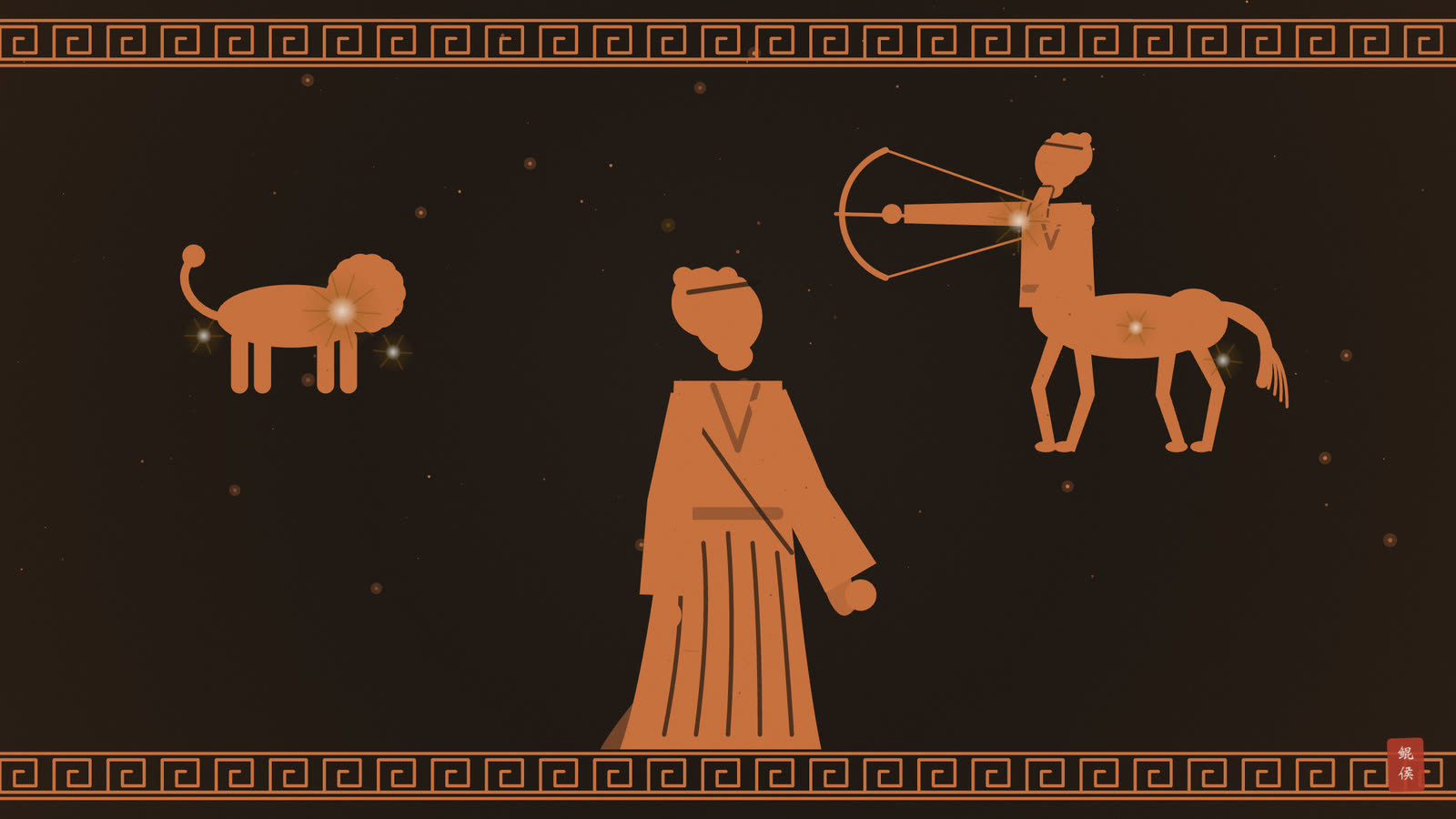
托勒密只举例,不解释。有些例子或可从星图形象来体会:射手是半人马,前身是人、后身是马,正合「前部纤瘦、后部强壮」;公羊、公牛、狮子的力气都在头、肩与前身,星图上的金牛更是只画出前半身(卷一第九章)。别的例子就不多揣测了。黄道里画作人形的,按星图形象有双子、处女、水瓶,射手的上半身也是人;书中没有逐一点名。
最后一句是全章的方法:把主星的本性、东出西入、两光相助、相态、象限、星群的形象都观察到,再综合起来,对「混合而成的特性」作出推测,形貌与气质两方面都要推。「推测」一词与卷一第二章说星占属推测之学一脉相承。下一章接着论身体的伤损与疾病,再往后才转向灵魂的性质。
📖 术语
| 术语 | 英译原词 | 意思 |
|---|---|---|
| 星群 | constellations | 黄道内外成形的星象 |
| 人形 | of human shape | 星图上画作人的 |
| 比例 | proportions | 身体各部的大小配合 |
| 推测 | conjecture | 综合诸因作出判断 |
🧭 图解与讲解
最细的一层是星群的形象。本章开头说要参看「同时升起的恒星的形象」,到这里有了着落:黄道内外的一切星群都算。原则很直观:画成人形的星群,生出的身体动作协调、比例匀称;画成别的形状的,就把身体比例往自己的样子改,相应的部位或大或小、或强或弱、或秀或拙。
| 作用 | 书中所举的星座 |
|---|---|
| 动作协调、比例匀称 | 人形的星群(黄道内外都算;书中未逐一列举) |
| 使人较高大 | 狮子、处女、射手 |
| 使人较矮小 | 双鱼、巨蟹、摩羯 |
| 上部、前部使人强壮,下部、后部较弱 | 白羊、金牛、狮子 |
| 前部使人纤瘦,后部使人强壮 | 射手、天蝎、双子 |
| 使人匀称秀美 | 处女、天秤、射手 |
| 使人笨拙、不匀称 | 天蝎、双鱼、金牛 |
图一在每个星座里简写书中给的作用(简写的意思见图注),动画依次点亮六组例子:狮子、处女、射手使人较高大,双鱼、巨蟹、摩羯使人较矮小;白羊、金牛、狮子前部强壮、后部较弱,射手、天蝎、双子则前部纤瘦、后部强壮;处女、天秤、射手使人匀称秀美,天蝎、双鱼、金牛使人笨拙失称。射手一座出现三次,水瓶一次也没有被点名。表二是同样内容的清单。
托勒密只举例,不解释。有些例子或可从星图形象来体会:射手是半人马,前身是人、后身是马,正合「前部纤瘦、后部强壮」;公羊、公牛、狮子的力气都在头、肩与前身,星图上的金牛更是只画出前半身(卷一第九章)。别的例子就不多揣测了。黄道里画作人形的,按星图形象有双子、处女、水瓶,射手的上半身也是人;书中没有逐一点名。
最后一句是全章的方法:把主星的本性、东出西入、两光相助、相态、象限、星群的形象都观察到,再综合起来,对「混合而成的特性」作出推测,形貌与气质两方面都要推。「推测」一词与卷一第二章说星占属推测之学一脉相承。下一章接着论身体的伤损与疾病,再往后才转向灵魂的性质。
原文为公有领域古籍;翻译、印象画与图文解读由 AI 辅助生成,鲲侯审校。