卷一·第四章 论诸星之力
七曜各有冷热干湿:托勒密按离太阳、离大地的远近,再看颜色与光,说明每颗星为何生热、致冷、致湿或致燥。
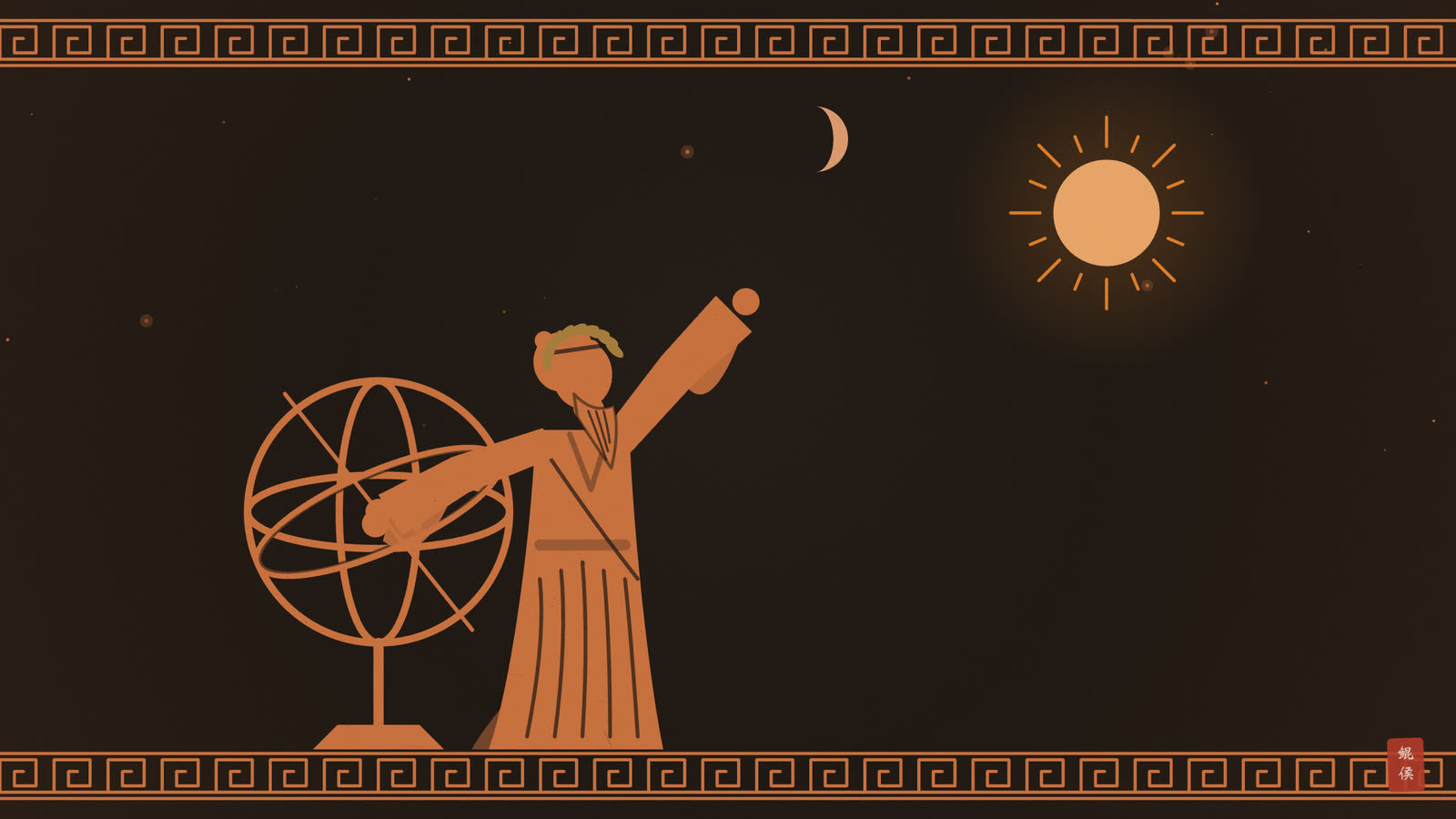
The active power of the sun's essential nature is found to be heating and, to a certain degree, drying. This is made more easily perceptible in the case of the sun than any other heavenly body by its size and by the obviousness of its seasonal changes, for the closer it approaches to the zenith the more it affects us in this way. Most of the moon's power consists of humidifying, clearly because it is close to the earth and because of the moist exhalations therefrom. Its action therefore is precisely this, to soften and cause putrefaction in bodies for the most part, but it shares moderately also in heating power because of the light which it receives from the sun.
翻译点开
The active power of the sun's essential nature is found to be heating and, to a certain degree, drying. This is made more easily perceptible in the case of the sun than any other heavenly body by its size and by the obviousness of its seasonal changes, for the closer it approaches to the zenith the more it affects us in this way. Most of the moon's power consists of humidifying, clearly because it is close to the earth and because of the moist exhalations therefrom. Its action therefore is precisely this, to soften and cause putrefaction in bodies for the most part, but it shares moderately also in heating power because of the light which it receives from the sun.
太阳本性的作用力,可见在于生热,并在一定程度上致燥。在太阳身上,这比在其他任何天体身上都更容易察觉,因为它体积巨大,季节的变化又十分明显:它越接近天顶,对我们的这种作用就越强。月亮之力大半在于致湿,这显然是因为它离大地近,又有从大地升起的湿润蒸气。所以它的作用恰恰是这样:多半使物体软化、腐败;但由于它从太阳得到光,也适度地带有生热之力。
大意与图解点开
🔎 大意:太阳生热、兼微燥,越近天顶越热;月亮离地近、承地面湿气而主湿,使物软化腐败,借日光又略带热。
📖 术语
| 术语 | 英译原词 | 意思 |
|---|---|---|
| 生热 | heating | 使物变热 |
| 致燥 | drying | 使物变干 |
| 致湿 | humidifying | 使物变湿 |
| 天顶 | zenith | 头顶正上方的天 |
| 蒸气 | exhalations | 从地面升起的湿气 |
🧭 图解与讲解
前三章替星占辩护,说明它可能、也有用;从这一章起,托勒密开始讲具体的学问,第一步是七曜各自的「力」。他用的是亚里士多德的四种性质——热、冷、湿、燥(Robbins 注),每颗星的力都落在这四个字上;理由也是自然学的:看它离太阳多远、离大地多远,看它的颜色与亮度。
〔图〕太阳与月亮:一个以热为主、兼带微燥,一个以湿为主、兼带微热
〔图〕太阳越近天顶越能生热:入巨蟹(夏至)时最近天顶,入摩羯(冬至)时最远
太阳的力是生热,兼带一点致燥。托勒密说这在太阳身上最容易看出来,一是它大,二是季节变化太明显:太阳越接近天顶,晒得越厉害。图二画的就是这一层:托勒密住在北半球的亚历山大里亚,太阳每年在黄道上走一圈,进入巨蟹初度(夏至)时正午最高、最近天顶,进入摩羯初度(冬至)时最低、最远,冷暖也随之变化。动画里那条半径就是太阳一年的行程。
月亮的力以致湿为主。理由有两条:它是离大地最近的天体,又有从大地升起的湿润蒸气——古希腊自泰勒斯以来就有地上湿气滋养天体的说法(Robbins 注)。所以月亮的作用是使物体软化、腐败;但它的光是从太阳借来的,所以也略带一点热。图一把两光并排:一个热、一个湿,后面五颗行星的性质,都要拿这两样来比,看它们靠近哪一边。
📖 术语
| 术语 | 英译原词 | 意思 |
|---|---|---|
| 生热 | heating | 使物变热 |
| 致燥 | drying | 使物变干 |
| 致湿 | humidifying | 使物变湿 |
| 天顶 | zenith | 头顶正上方的天 |
| 蒸气 | exhalations | 从地面升起的湿气 |
🧭 图解与讲解
前三章替星占辩护,说明它可能、也有用;从这一章起,托勒密开始讲具体的学问,第一步是七曜各自的「力」。他用的是亚里士多德的四种性质——热、冷、湿、燥(Robbins 注),每颗星的力都落在这四个字上;理由也是自然学的:看它离太阳多远、离大地多远,看它的颜色与亮度。
太阳的力是生热,兼带一点致燥。托勒密说这在太阳身上最容易看出来,一是它大,二是季节变化太明显:太阳越接近天顶,晒得越厉害。图二画的就是这一层:托勒密住在北半球的亚历山大里亚,太阳每年在黄道上走一圈,进入巨蟹初度(夏至)时正午最高、最近天顶,进入摩羯初度(冬至)时最低、最远,冷暖也随之变化。动画里那条半径就是太阳一年的行程。
月亮的力以致湿为主。理由有两条:它是离大地最近的天体,又有从大地升起的湿润蒸气——古希腊自泰勒斯以来就有地上湿气滋养天体的说法(Robbins 注)。所以月亮的作用是使物体软化、腐败;但它的光是从太阳借来的,所以也略带一点热。图一把两光并排:一个热、一个湿,后面五颗行星的性质,都要拿这两样来比,看它们靠近哪一边。
It is Saturn's quality chiefly to cool and, moderately, to dry, probably because he is furthest removed both from the sun's heat and the moist exhalations about the earth. Both in Saturn's case and in that of the other planets there are powers, too, which arise through the observation of their aspects to the sun and moon, for some of them appear to modify conditions in the ambient in one way, some in another, by increase or by decrease.
The nature of Mars is chiefly to dry and to burn, in conformity with his fiery colour and by reason of his nearness to the sun, for the sun's sphere lies just below him.
Jupiter has a temperate active force because his movement takes place between the cooling influence of Saturn and the burning power of Mars. He both heats and humidifies; and because his heating power is the greater by reason of the underlying spheres, he produces fertilizing winds.
翻译点开
It is Saturn's quality chiefly to cool and, moderately, to dry, probably because he is furthest removed both from the sun's heat and the moist exhalations about the earth. Both in Saturn's case and in that of the other planets there are powers, too, which arise through the observation of their aspects to the sun and moon, for some of them appear to modify conditions in the ambient in one way, some in another, by increase or by decrease.
土星的性质主要是致冷,并适度地致燥,这大概是因为它离太阳的热和大地周围的湿润蒸气都最远。无论土星还是其他行星,也都有一些力是通过观察它们对太阳和月亮的相位而得知的,因为它们有的似乎以这种方式、有的以那种方式改变周天的状况,或加强,或减弱。
The nature of Mars is chiefly to dry and to burn, in conformity with his fiery colour and by reason of his nearness to the sun, for the sun's sphere lies just below him.
火星的本性主要是致燥与灼烧,这与它火一般的颜色相符,也是因为它离太阳近,太阳的天球就紧挨在它下面。
Jupiter has a temperate active force because his movement takes place between the cooling influence of Saturn and the burning power of Mars. He both heats and humidifies; and because his heating power is the greater by reason of the underlying spheres, he produces fertilizing winds.
木星的作用力温和,因为它运行于土星的致冷之力与火星的灼烧之力之间。它既生热,又致湿;又因为下方诸天球的缘故,它的生热之力较大,所以能生出使万物丰饶的风。
大意与图解点开
🔎 大意:土星离日离地都最远,主冷微燥;火星色赤、紧贴日天,主燥而灼;木星夹在二者之间,温和,生热兼致湿。
📖 术语
| 术语 | 英译原词 | 意思 |
|---|---|---|
| 致冷 | to cool | 使物变冷 |
| 相位 | aspects | 星与星的角度关系 |
| 周天 | the ambient | 环绕我们的天 |
| 天球 | sphere | 各星运行的同心层 |
| 灼烧 | to burn | 燥热到极点 |
🧭 图解与讲解
五颗行星里,托勒密先讲日天之上的三颗:土星、火星、木星。图一把七曜按天球由高到低排开,这是托勒密在《天文学大成》里用的次序:土星、木星、火星、太阳、金星、水星、月亮。本章的理由几乎全靠这张次序表——谁离太阳近、谁离大地近,一看便知。
〔图〕天球由高到低:土木火日金水月,离太阳与大地的远近决定冷热干湿
〔图〕木星夹在冷的土星与灼热的火星之间,冷灼相调,所以温和
土星在最外层,离太阳的热最远,离大地升起的湿气也最远,所以以致冷为主,兼带一点燥。托勒密用了「大概」二字,口气是推测,不是断言。接着他插了一句:土星和其他行星还有一些力,是从它们对日月的相位里观察出来的,会使周天的状况加强或减弱——这句话是伏笔,卷一第八章专门讲行星对太阳的相位怎样使它们的力增减。
火星的理由有两条:一是颜色赤红如火,二是位置——它的天球就在太阳天球的正上方,挨着热源,所以以致燥、灼烧为主。颜色这条理由今天看来很朴素,但在托勒密那里,颜色就是本性的外显,卷二讲交食与彗星的颜色时还会用到同样的想法。
木星夹在冷的土星与灼热的火星之间,冷热相调,所以「温和」。它既生热又致湿,而热多于湿,因为它下方的天球(火星、太阳)都是热的;热与湿相合,就能生出使万物丰饶的风。托勒密说木星「温和」,图二画的就是这层夹在中间的关系。下一章就会从这里推出:木星是吉星。
📖 术语
| 术语 | 英译原词 | 意思 |
|---|---|---|
| 致冷 | to cool | 使物变冷 |
| 相位 | aspects | 星与星的角度关系 |
| 周天 | the ambient | 环绕我们的天 |
| 天球 | sphere | 各星运行的同心层 |
| 灼烧 | to burn | 燥热到极点 |
🧭 图解与讲解
五颗行星里,托勒密先讲日天之上的三颗:土星、火星、木星。图一把七曜按天球由高到低排开,这是托勒密在《天文学大成》里用的次序:土星、木星、火星、太阳、金星、水星、月亮。本章的理由几乎全靠这张次序表——谁离太阳近、谁离大地近,一看便知。
土星在最外层,离太阳的热最远,离大地升起的湿气也最远,所以以致冷为主,兼带一点燥。托勒密用了「大概」二字,口气是推测,不是断言。接着他插了一句:土星和其他行星还有一些力,是从它们对日月的相位里观察出来的,会使周天的状况加强或减弱——这句话是伏笔,卷一第八章专门讲行星对太阳的相位怎样使它们的力增减。
火星的理由有两条:一是颜色赤红如火,二是位置——它的天球就在太阳天球的正上方,挨着热源,所以以致燥、灼烧为主。颜色这条理由今天看来很朴素,但在托勒密那里,颜色就是本性的外显,卷二讲交食与彗星的颜色时还会用到同样的想法。
木星夹在冷的土星与灼热的火星之间,冷热相调,所以「温和」。它既生热又致湿,而热多于湿,因为它下方的天球(火星、太阳)都是热的;热与湿相合,就能生出使万物丰饶的风。托勒密说木星「温和」,图二画的就是这层夹在中间的关系。下一章就会从这里推出:木星是吉星。
Venus has the same powers and tempered nature as Jupiter, but acts in the opposite way; for she warms moderately because of her nearness to the sun, but chiefly humidifies, like the moon, because of the amount of her own light and because she appropriates the exhalations from the moist atmosphere surrounding the earth.
Mercury in general is found at certain times alike to be drying and absorptive of moisture, because he never is far removed in longitude from the heat of the sun; and again humidifying, because he is next above the sphere of the moon, which is closest to the earth; and to change quickly from one to the other, inspired as it were by the speed of his motion in the neighbourhood of the sun itself.
翻译点开
Venus has the same powers and tempered nature as Jupiter, but acts in the opposite way; for she warms moderately because of her nearness to the sun, but chiefly humidifies, like the moon, because of the amount of her own light and because she appropriates the exhalations from the moist atmosphere surrounding the earth.
金星与木星有同样的力与调和之性,但作用的方式相反:它因为靠近太阳而适度生暖,但主要是致湿,与月亮相同,这是因为它自身的光很多,又摄取了大地周围湿润大气中升起的蒸气。
Mercury in general is found at certain times alike to be drying and absorptive of moisture, because he never is far removed in longitude from the heat of the sun; and again humidifying, because he is next above the sphere of the moon, which is closest to the earth; and to change quickly from one to the other, inspired as it were by the speed of his motion in the neighbourhood of the sun itself.
大体说来,水星可见有时同样会致燥、吸干水分,因为它在黄经上从不远离太阳的热;有时又会致湿,因为它的天球紧挨在最接近大地的月亮天球之上;而且它在两者之间变换得很快,仿佛是被它在太阳近旁运行的速度所激发。
大意与图解点开
🔎 大意:金星与木星同属调和,却以湿为主、热为次;水星近日则燥、近月则湿,又因疾行在两者之间迅速变换。
📖 术语
| 术语 | 英译原词 | 意思 |
|---|---|---|
| 调和 | tempered | 冷热干湿相宜 |
| 黄经 | longitude | 沿黄道量的度数 |
| 吸干水分 | absorptive of moisture | 吸收湿气 |
🧭 图解与讲解
金星与木星同样温和,但方向相反:木星热多于湿,金星湿多于热。金星略暖,是因为离太阳近;主湿则有两条理由:它的光很多——金星是天上除日月之外最亮的星——而且它像月亮一样,摄取大地周围湿润大气中的蒸气。
〔图〕七曜冷热干湿图:日火居热燥,土星居冷燥,木金月居温湿,水星燥湿不定
| 星 | 主要之力 | 兼带之力 | 托勒密给的理由 |
|---|---|---|---|
| ☉︎ 太阳 | 生热 | 微燥 | 体大,季节变化明显;越近天顶越热 |
| ☽︎ 月亮 | 致湿 | 微热 | 离地最近,承地面湿气;光借自太阳 |
| ♄︎ 土星 | 致冷 | 微燥 | 离太阳之热与地面湿气都最远 |
| ♂︎ 火星 | 致燥、灼烧 | — | 颜色如火;天球紧贴太阳之上 |
| ♃︎ 木星 | 生热、致湿(热较多) | 生出丰饶之风 | 夹在土星之冷与火星之灼之间;下方天球热 |
| ♀︎ 金星 | 致湿(为主) | 微热 | 近日而暖;自身光多,又摄取地面湿气 |
| ☿︎ 水星 | 时燥时湿,变换迅速 | — | 从不远离太阳;紧贴月天;近日疾行 |
水星最特别,它没有固定的一种性质。它在黄经上离太阳从不超过二十几度,常在太阳的热里,所以会致燥、吸干水分;它的天球又紧挨着月亮的天球,靠近大地,所以又会致湿。而且它在两种状态之间变得很快,托勒密说这仿佛是它在太阳近旁疾行的速度激发出来的。这个「随境而变」的特点,后面几章会一再出现:水星吉凶两可、阴阳两可、昼夜两可。
图一把七曜放进「冷热 × 湿燥」的格子里,一眼可见托勒密的分布:太阳、火星在热燥一角,土星独占冷燥,木星、金星、月亮聚在温湿一格,水星在中间摇摆。原文没有一颗星落在「冷而湿」的格子里,这一点值得记住。表二把各星的主要之力、兼带之力和理由列在一起,方便对照。
这一章是后面几章的根:卷一第五章由热湿与冷燥分吉星凶星,第六章由湿与不湿分阴阳,第七章再由昼热夜湿分昼星夜星,第八章讲诸星的力怎样随对太阳的相位增减。托勒密之后,讲行星冷热干湿的占星书大体都从这一章出发,只在细节上偶有出入。
📖 术语
| 术语 | 英译原词 | 意思 |
|---|---|---|
| 调和 | tempered | 冷热干湿相宜 |
| 黄经 | longitude | 沿黄道量的度数 |
| 吸干水分 | absorptive of moisture | 吸收湿气 |
🧭 图解与讲解
金星与木星同样温和,但方向相反:木星热多于湿,金星湿多于热。金星略暖,是因为离太阳近;主湿则有两条理由:它的光很多——金星是天上除日月之外最亮的星——而且它像月亮一样,摄取大地周围湿润大气中的蒸气。
| 星 | 主要之力 | 兼带之力 | 托勒密给的理由 |
|---|---|---|---|
| ☉︎ 太阳 | 生热 | 微燥 | 体大,季节变化明显;越近天顶越热 |
| ☽︎ 月亮 | 致湿 | 微热 | 离地最近,承地面湿气;光借自太阳 |
| ♄︎ 土星 | 致冷 | 微燥 | 离太阳之热与地面湿气都最远 |
| ♂︎ 火星 | 致燥、灼烧 | — | 颜色如火;天球紧贴太阳之上 |
| ♃︎ 木星 | 生热、致湿(热较多) | 生出丰饶之风 | 夹在土星之冷与火星之灼之间;下方天球热 |
| ♀︎ 金星 | 致湿(为主) | 微热 | 近日而暖;自身光多,又摄取地面湿气 |
| ☿︎ 水星 | 时燥时湿,变换迅速 | — | 从不远离太阳;紧贴月天;近日疾行 |
水星最特别,它没有固定的一种性质。它在黄经上离太阳从不超过二十几度,常在太阳的热里,所以会致燥、吸干水分;它的天球又紧挨着月亮的天球,靠近大地,所以又会致湿。而且它在两种状态之间变得很快,托勒密说这仿佛是它在太阳近旁疾行的速度激发出来的。这个「随境而变」的特点,后面几章会一再出现:水星吉凶两可、阴阳两可、昼夜两可。
图一把七曜放进「冷热 × 湿燥」的格子里,一眼可见托勒密的分布:太阳、火星在热燥一角,土星独占冷燥,木星、金星、月亮聚在温湿一格,水星在中间摇摆。原文没有一颗星落在「冷而湿」的格子里,这一点值得记住。表二把各星的主要之力、兼带之力和理由列在一起,方便对照。
这一章是后面几章的根:卷一第五章由热湿与冷燥分吉星凶星,第六章由湿与不湿分阴阳,第七章再由昼热夜湿分昼星夜星,第八章讲诸星的力怎样随对太阳的相位增减。托勒密之后,讲行星冷热干湿的占星书大体都从这一章出发,只在细节上偶有出入。
原文为公有领域古籍;翻译、印象画与图文解读由 AI 辅助生成,鲲侯审校。