卷二·第二章 论各气候带居民的特性
民族特性先由纬度定:日下炙烤的南方人黑而野,远日受冷的北方人白而野,居中的温带人均衡而开化。
The demarcation of national characteristics is established in part by entire parallels and angles, through their position relative to the ecliptic and the sun. For while the region which we inhabit is in one of the northern quarters, the people who live under the more southern parallels, that is, those from the equator to the summer tropic, since they have the sun over their heads and are burned by it, have black skins and thick, woolly hair, are contracted in form and shrunken in stature, are sanguine of nature, and in habits are for the most part savage because their homes are continually oppressed by the heat; we call them by the general name Ethiopians.
Not only do we see them in this condition, but we likewise observe that their climate and the animals and plants of their region plainly give evidence of this baking by the sun.
Those who live under the more northern parallels, those, I mean, who have the Bears over their heads, since they are far removed from the zodiac and the heat of the sun, are therefore cooled; but because they have a richer share of moisture, which is most nourishing and is not there exhausted by heat, they are white in complexion, straight-haired, tall and well-nourished, and somewhat cold by nature; these too are savage in their habits because their dwelling-places are continually cold. The wintry character of their climate, the size of their plants, and the wildness of their animals are in accord with these qualities. We call these men, too, by a general name, Scythians.
翻译点开
The demarcation of national characteristics is established in part by entire parallels and angles, through their position relative to the ecliptic and the sun. For while the region which we inhabit is in one of the northern quarters, the people who live under the more southern parallels, that is, those from the equator to the summer tropic, since they have the sun over their heads and are burned by it, have black skins and thick, woolly hair, are contracted in form and shrunken in stature, are sanguine of nature, and in habits are for the most part savage because their homes are continually oppressed by the heat; we call them by the general name Ethiopians.
民族特性的划分,部分是由整条纬圈与方位、依其相对于黄道与太阳的位置而确定的。我们所居住的地区位于北方的一个象限之中;而住在较南的纬圈之下的人,即从赤道到夏至回归线之间的人,因为太阳在他们头顶上,受它炙烤,所以皮肤黝黑,头发浓密而卷曲如羊毛,体形紧缩,身量矮小,天性多血,习性大多野蛮,因为他们的居处不断受炎热所苦;我们用一个总名称他们为埃塞俄比亚人。
Not only do we see them in this condition, but we likewise observe that their climate and the animals and plants of their region plainly give evidence of this baking by the sun.
我们不只看到他们是这样,也同样看到他们的气候以及当地的动植物,都清楚显出这种被太阳烤炙的迹象。
Those who live under the more northern parallels, those, I mean, who have the Bears over their heads, since they are far removed from the zodiac and the heat of the sun, are therefore cooled; but because they have a richer share of moisture, which is most nourishing and is not there exhausted by heat, they are white in complexion, straight-haired, tall and well-nourished, and somewhat cold by nature; these too are savage in their habits because their dwelling-places are continually cold. The wintry character of their climate, the size of their plants, and the wildness of their animals are in accord with these qualities. We call these men, too, by a general name, Scythians.
住在较北的纬圈之下的人,我是说头顶上是两熊星座的人,因为远离黄道与太阳的热,所以受冷;但因为他们得到较丰富的湿气——湿气最能滋养,在那里又不被热耗干——所以肤色白皙,头发直,身材高大,营养充足,本性略偏于冷;他们的习性也野蛮,因为居处不断寒冷。他们气候的冬日性质、植物的高大、动物的野性,都与这些性质相合。我们也用一个总名称这些人为斯基泰人。
大意与图解点开
🔎 大意:特性先由纬度定:太阳当头的南方人黝黑矮小、性野,称埃塞俄比亚人;远日受冷而湿足的北方人白皙高大,亦野,称斯基泰人。
📖 术语
| 术语 | 英译原词 | 意思 |
|---|---|---|
| 纬圈 | parallels | 同纬度的一圈,定南北 |
| 方位 | angles | 东西方向的位置 |
| 夏至回归线 | summer tropic | 太阳最北能当顶之处 |
| 埃塞俄比亚人 | Ethiopians | 古希腊人泛称极南之民 |
| 斯基泰人 | Scythians | 古希腊人泛称极北之民 |
🧭 图解与讲解
卷二第一章说,要先讲地域感应的「自然原因」。本章就从最粗的一层讲起:一个民族的特性,部分取决于它所在的整条纬圈与方位(parallels and angles)。Robbins 注说,纬圈指南北的位置,方位指东西的位置;两者之所以要紧,在于它们相对于黄道与太阳的位置不同。托勒密先说南北,下一单元再说东西。
〔图〕人居之地按纬度分三带:太阳当头者炙热,远离太阳者寒冷,居中者温和;人的形貌与习性随之不同
〔图〕太阳最北只到巨蟹初度:它此时直射的纬线就是夏至回归线,线以南的人才有太阳当头的时候
图一把人居之地按南北分成三带。最南一带从赤道到夏至回归线,太阳有时正当头顶,人被它炙烤:皮肤黝黑、头发卷曲、身材紧缩矮小,居处常热,习性野蛮,总称「埃塞俄比亚人」——这个希腊词本义是「晒黑了脸的人」,泛指极南之民,不专指今天的埃塞俄比亚。最北一带头顶上是大熊、小熊两个星座,远离黄道与太阳,所以受冷;但湿气不被热耗干,得以滋养,于是白皙、直发、高大,也因常冷而野,总称「斯基泰人」,原是黑海以北草原游牧民的名字。
托勒密的论证全是冷热干湿:热烤去湿气,人便干瘦紧缩;冷而湿足,人便高大白皙。他还拿气候与动植物作旁证——南方的草木鸟兽显出被太阳烤炙的样子,北方植物高大、野兽凶猛——可见说的不只是人,而是一整片地带的气质。图二说明分界从何而来:太阳一年中最北只到巨蟹初度,这时它直射的纬线就是夏至回归线,线以南的地方,一年中才有太阳当头的时候。
这些描写是古希腊、罗马人的地理观念,与古希腊医书《论空气、水和地方》以来「水土定民性」的说法相通;Robbins 注认为,本书这一套民族志多半出自斯多葛派学者波西多尼乌斯。今天读来,只宜当作古代地理与星占理论的史料,不是对任何民族的论断。托勒密自己在本章末也说,这些特质只是大体如此,并不见于每一个人。
📖 术语
| 术语 | 英译原词 | 意思 |
|---|---|---|
| 纬圈 | parallels | 同纬度的一圈,定南北 |
| 方位 | angles | 东西方向的位置 |
| 夏至回归线 | summer tropic | 太阳最北能当顶之处 |
| 埃塞俄比亚人 | Ethiopians | 古希腊人泛称极南之民 |
| 斯基泰人 | Scythians | 古希腊人泛称极北之民 |
🧭 图解与讲解
卷二第一章说,要先讲地域感应的「自然原因」。本章就从最粗的一层讲起:一个民族的特性,部分取决于它所在的整条纬圈与方位(parallels and angles)。Robbins 注说,纬圈指南北的位置,方位指东西的位置;两者之所以要紧,在于它们相对于黄道与太阳的位置不同。托勒密先说南北,下一单元再说东西。
图一把人居之地按南北分成三带。最南一带从赤道到夏至回归线,太阳有时正当头顶,人被它炙烤:皮肤黝黑、头发卷曲、身材紧缩矮小,居处常热,习性野蛮,总称「埃塞俄比亚人」——这个希腊词本义是「晒黑了脸的人」,泛指极南之民,不专指今天的埃塞俄比亚。最北一带头顶上是大熊、小熊两个星座,远离黄道与太阳,所以受冷;但湿气不被热耗干,得以滋养,于是白皙、直发、高大,也因常冷而野,总称「斯基泰人」,原是黑海以北草原游牧民的名字。
托勒密的论证全是冷热干湿:热烤去湿气,人便干瘦紧缩;冷而湿足,人便高大白皙。他还拿气候与动植物作旁证——南方的草木鸟兽显出被太阳烤炙的样子,北方植物高大、野兽凶猛——可见说的不只是人,而是一整片地带的气质。图二说明分界从何而来:太阳一年中最北只到巨蟹初度,这时它直射的纬线就是夏至回归线,线以南的地方,一年中才有太阳当头的时候。
这些描写是古希腊、罗马人的地理观念,与古希腊医书《论空气、水和地方》以来「水土定民性」的说法相通;Robbins 注认为,本书这一套民族志多半出自斯多葛派学者波西多尼乌斯。今天读来,只宜当作古代地理与星占理论的史料,不是对任何民族的论断。托勒密自己在本章末也说,这些特质只是大体如此,并不见于每一个人。
The inhabitants of the region between the summer tropic and the Bears, however, since the sun is neither directly over their heads nor far distant at its noon-day transits, share in the equable temperature of the air, which varies, to be sure, but has no violent changes from heat to cold. They are therefore medium in colouring, of moderate stature, in nature equable, live close together, and are civilized in their habits.
The southernmost of them are in general more shrewd and inventive, and better versed in the knowledge of things divine because their zenith is close to the zodiac and to the planets revolving about it. Through this affinity the men themselves are characterized by an activity of the soul which is sagacious, investigative, and fitted for pursuing the sciences specifically called mathematical. Of them, again, the eastern group are more masculine, vigorous of soul, and frank in all things, because one would reasonably assume that the orient partakes of the nature of the sun.
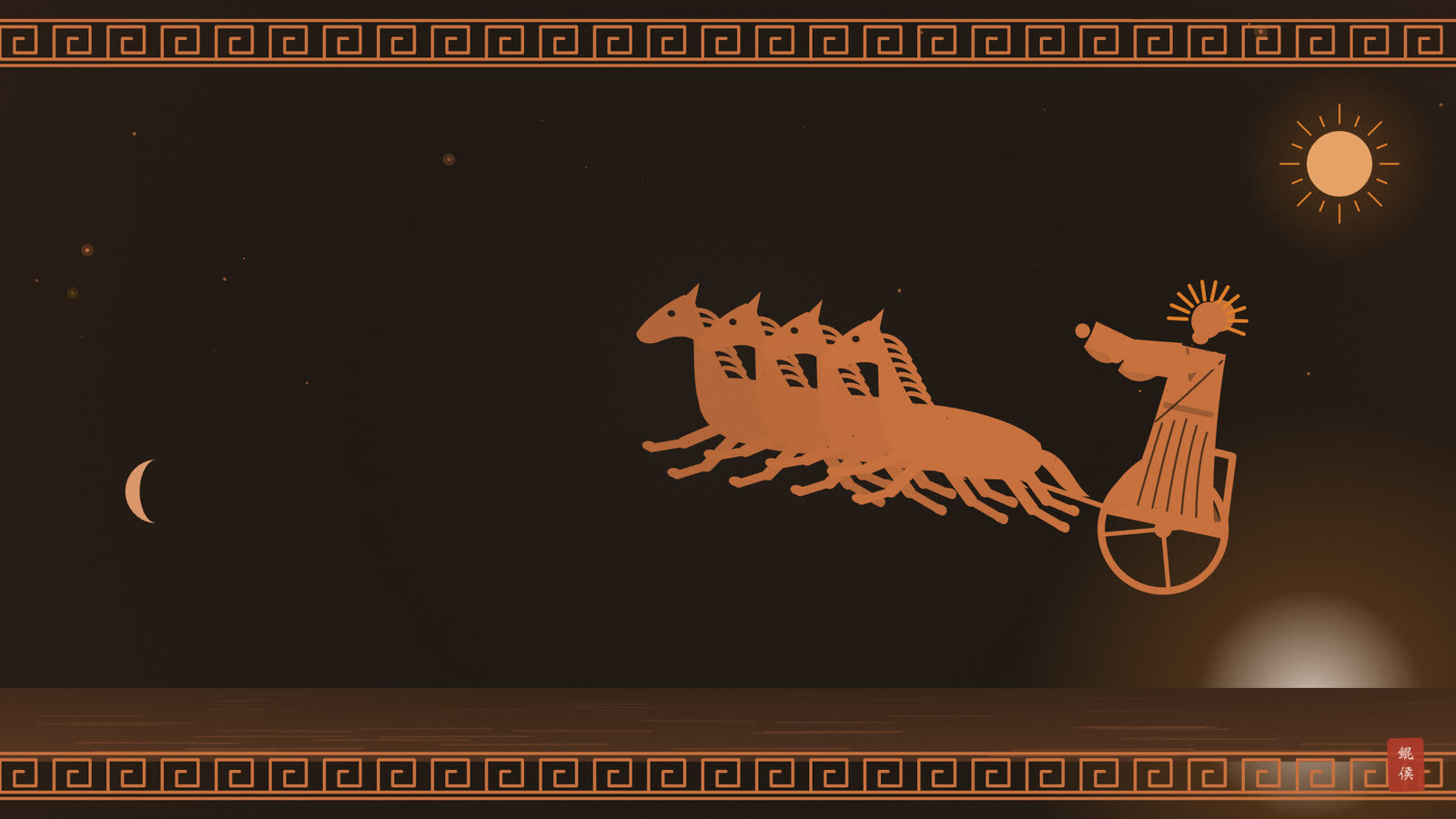
This region therefore is diurnal, masculine, and right-handed, even as we observe that among the animals too their right-hand parts are better fitted for strength and vigour. Those to the west are more feminine, softer of soul, and secretive, because this region, again, is lunar, for it is always in the west that the moon emerges and makes its appearance after conjunction. For this reason it appears to be a nocturnal clime, feminine, and, in contrast with the orient, left-handed.
翻译点开
The inhabitants of the region between the summer tropic and the Bears, however, since the sun is neither directly over their heads nor far distant at its noon-day transits, share in the equable temperature of the air, which varies, to be sure, but has no violent changes from heat to cold. They are therefore medium in colouring, of moderate stature, in nature equable, live close together, and are civilized in their habits.
至于夏至回归线与两熊之间地区的居民,因为正午经过时太阳既不在他们头顶正上方,也不远离,所以享有均衡的空气温度;这温度固然有变化,却没有由热到冷的剧变。因此他们肤色中等,身量适中,本性均衡,聚居在一起,习性开化。
The southernmost of them are in general more shrewd and inventive, and better versed in the knowledge of things divine because their zenith is close to the zodiac and to the planets revolving about it. Through this affinity the men themselves are characterized by an activity of the soul which is sagacious, investigative, and fitted for pursuing the sciences specifically called mathematical. Of them, again, the eastern group are more masculine, vigorous of soul, and frank in all things, because one would reasonably assume that the orient partakes of the nature of the sun.
他们之中最南的一群,一般更为精明、善于发明,也更通晓神圣之事,因为他们的天顶靠近黄道,也靠近绕黄道运行的诸行星。由于这种亲近,这些人本身便具有一种灵魂的活动:睿智、好探究,适于钻研那些特称为数理之学的学问。他们之中,东边的一群又更阳刚、灵魂刚健、凡事坦白,因为按理可以认为,东方分有太阳的本性。
This region therefore is diurnal, masculine, and right-handed, even as we observe that among the animals too their right-hand parts are better fitted for strength and vigour. Those to the west are more feminine, softer of soul, and secretive, because this region, again, is lunar, for it is always in the west that the moon emerges and makes its appearance after conjunction. For this reason it appears to be a nocturnal clime, feminine, and, in contrast with the orient, left-handed.
因此这一地区是昼性的、阳性的、属右手的,正如我们看到动物身上也是右边的部分更适于用力、更有劲。西边的人更阴柔,灵魂较软弱,凡事多隐藏,因为这一地区又是属月亮的——月亮在会合之后,总是在西方出现、露面。因此它看来是一个夜性的、阴性的气候带,与东方相对,属左手。
大意与图解点开
🔎 大意:夏至回归线与两熊之间的人均衡开化。偏南者天顶近黄道,长于神圣之学与数理;偏东者阳刚坦白,属日;偏西者阴柔隐藏,属月。
📖 术语
| 术语 | 英译原词 | 意思 |
|---|---|---|
| 天顶 | zenith | 头顶正上方的天 |
| 数理之学 | sciences called mathematical | 古指天文星占诸学 |
| 昼性 | diurnal | 属白昼、属太阳一方 |
| 属右手 | right-handed | 如身体右侧,有力 |
| 会合 | conjunction | 日月同度,即朔 |
🧭 图解与讲解
夹在夏至回归线与两熊之间的,是托勒密心目中最好的一带。正午太阳既不在头顶,也不远离,空气冷暖虽有变化,却没有由热到冷的剧变,所以人的肤色、身量、本性都居中,能聚居成城邦,习性开化。冷热两端都失之于偏,居中才得其正。托勒密自己所在的亚历山大里亚和整个地中海世界,都在这一带。
| 温带之内 | 原因 | 特性 |
|---|---|---|
| 整体 | 正午太阳不当头也不远离;气温有变而无剧变 | 肤色中等、身量适中、本性均衡;聚居、开化 |
| 偏南者 | 天顶靠近黄道,也靠近绕黄道运行的诸行星 | 精明、善发明、通晓神圣之事;灵魂睿智好探究,宜于数理之学 |
| 偏东者 | 东方分有太阳之性:昼性、阳性、属右手 | 更阳刚、灵魂刚健、凡事坦白 |
| 偏西者 | 西方属月:朔后月亮总在西方初现;夜性、阴性、属左手 | 更阴柔、灵魂较软、凡事隐藏 |
〔图〕新月总在西方初现:太阳刚落入地平之下,离日不远的月亮还挂在西方低空,所以西方属月
温带之内又分南北。偏南的人天顶靠近黄道,也就靠近在黄道上运行的诸行星,因为这份亲近,他们精明、善于发明,通晓神圣之事,灵魂好探究,宜于钻研所谓「数理之学」(mathematical sciences)——古代这个词包括天文与星占。Robbins 注引古代注家的说法:这里指的是埃及人与迦勒底人,也就是发明星占的民族。
再分东西。东方分有太阳的本性,所以偏东的人更阳刚、灵魂刚健、凡事坦白;东方因此是昼性、阳性、「属右手」的,正如动物身上右侧更有力。西方则属月亮:每次日月会合(朔)之后,月亮总是先在西方的暮色里露面,图二就是这一幕。所以西方是夜性、阴性、「属左手」的,偏西的人更阴柔、灵魂较软、凡事隐藏。表一把温带之内的四种分别排在一起。
东属阳、西属阴,卷一第六章已经讲过:诸星在上升点到中天、下降点到地底中天这两个象限时算东方,为阳性;在另两个象限时算西方,为阴性。本章把这套天上的方位搬到地上。下一章分配四个象限时,东方两个象限的主星都取「东出」之态,西方两个象限的主星都取「西入」之态,用的是同一个思路。
📖 术语
| 术语 | 英译原词 | 意思 |
|---|---|---|
| 天顶 | zenith | 头顶正上方的天 |
| 数理之学 | sciences called mathematical | 古指天文星占诸学 |
| 昼性 | diurnal | 属白昼、属太阳一方 |
| 属右手 | right-handed | 如身体右侧,有力 |
| 会合 | conjunction | 日月同度,即朔 |
🧭 图解与讲解
夹在夏至回归线与两熊之间的,是托勒密心目中最好的一带。正午太阳既不在头顶,也不远离,空气冷暖虽有变化,却没有由热到冷的剧变,所以人的肤色、身量、本性都居中,能聚居成城邦,习性开化。冷热两端都失之于偏,居中才得其正。托勒密自己所在的亚历山大里亚和整个地中海世界,都在这一带。
| 温带之内 | 原因 | 特性 |
|---|---|---|
| 整体 | 正午太阳不当头也不远离;气温有变而无剧变 | 肤色中等、身量适中、本性均衡;聚居、开化 |
| 偏南者 | 天顶靠近黄道,也靠近绕黄道运行的诸行星 | 精明、善发明、通晓神圣之事;灵魂睿智好探究,宜于数理之学 |
| 偏东者 | 东方分有太阳之性:昼性、阳性、属右手 | 更阳刚、灵魂刚健、凡事坦白 |
| 偏西者 | 西方属月:朔后月亮总在西方初现;夜性、阴性、属左手 | 更阴柔、灵魂较软、凡事隐藏 |
温带之内又分南北。偏南的人天顶靠近黄道,也就靠近在黄道上运行的诸行星,因为这份亲近,他们精明、善于发明,通晓神圣之事,灵魂好探究,宜于钻研所谓「数理之学」(mathematical sciences)——古代这个词包括天文与星占。Robbins 注引古代注家的说法:这里指的是埃及人与迦勒底人,也就是发明星占的民族。
再分东西。东方分有太阳的本性,所以偏东的人更阳刚、灵魂刚健、凡事坦白;东方因此是昼性、阳性、「属右手」的,正如动物身上右侧更有力。西方则属月亮:每次日月会合(朔)之后,月亮总是先在西方的暮色里露面,图二就是这一幕。所以西方是夜性、阴性、「属左手」的,偏西的人更阴柔、灵魂较软、凡事隐藏。表一把温带之内的四种分别排在一起。
东属阳、西属阴,卷一第六章已经讲过:诸星在上升点到中天、下降点到地底中天这两个象限时算东方,为阳性;在另两个象限时算西方,为阴性。本章把这套天上的方位搬到地上。下一章分配四个象限时,东方两个象限的主星都取「东出」之态,西方两个象限的主星都取「西入」之态,用的是同一个思路。
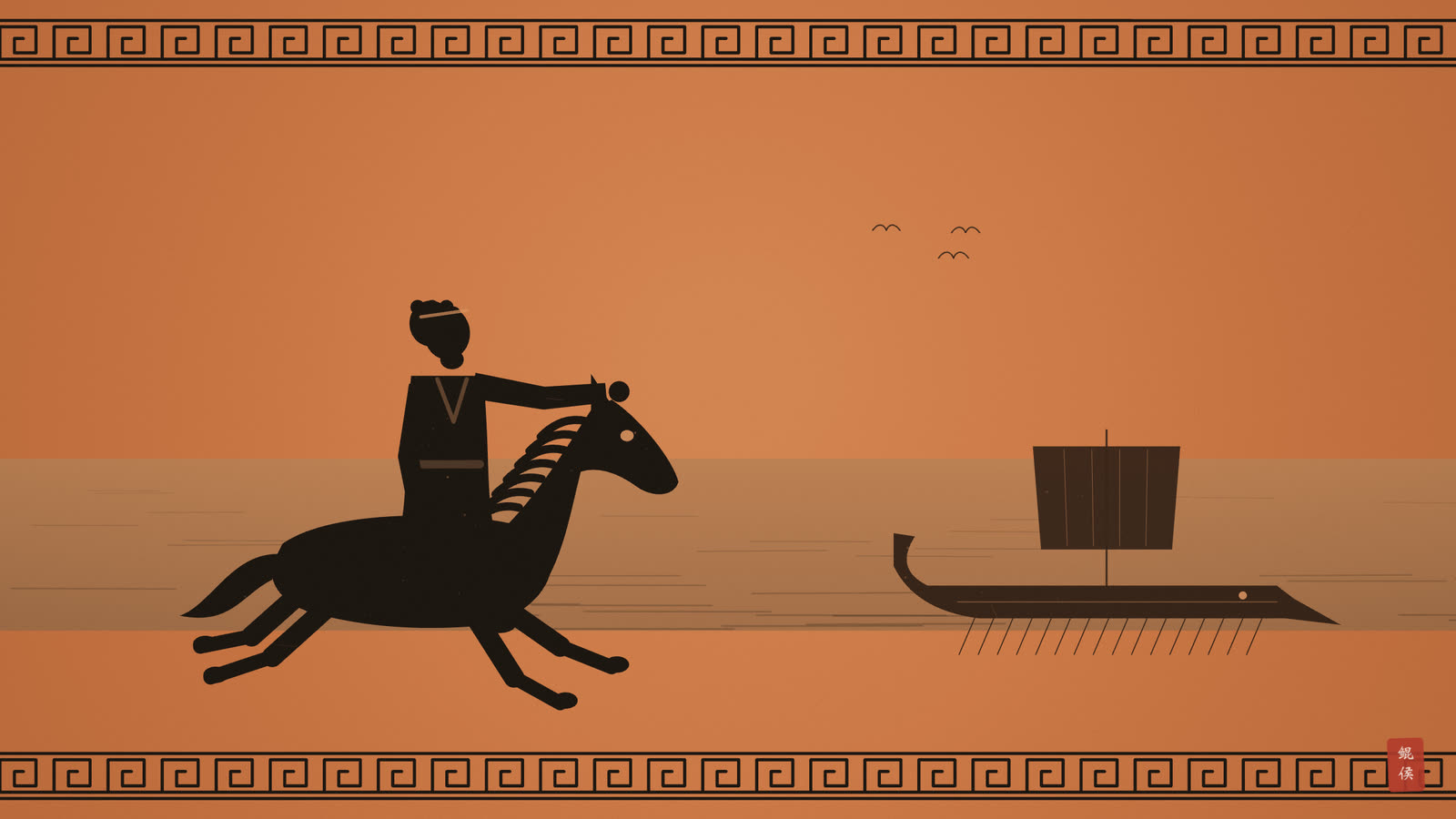
And now in each of these general regions certain special conditions of character and customs naturally ensue. For as likewise, in the case of the climate, even within the regions that in general are reckoned as hot, cold, or temperate, certain localities and countries have special peculiarities of excess or deficiency by reason of their situation, height, lowness, or adjacency; and again, as some peoples are more inclined to horsemanship because theirs is a plain country, or to seamanship because they live close to the sea, so also would one discover special traits in each arising from the natural familiarity of their particular climes with the stars in the signs of the zodiac.
These traits, too, would be found generally present, but not in every individual. We must, then, deal with the subject summarily, in so far as it might be of use for the purpose of particular investigations.
翻译点开
And now in each of these general regions certain special conditions of character and customs naturally ensue. For as likewise, in the case of the climate, even within the regions that in general are reckoned as hot, cold, or temperate, certain localities and countries have special peculiarities of excess or deficiency by reason of their situation, height, lowness, or adjacency; and again, as some peoples are more inclined to horsemanship because theirs is a plain country, or to seamanship because they live close to the sea, so also would one discover special traits in each arising from the natural familiarity of their particular climes with the stars in the signs of the zodiac.
而在这些大区域的每一个之中,自然又会产生某些特殊的性格与习俗。正如在气候方面,即使在一般算作热、冷或温和的地区之内,某些地方和国家也因其位置、地势高低或相邻关系,而有过或不及的特殊之处;又如有些民族因为住在平原而较倾向骑术,或因为近海而较倾向航海;同样,人们也会发现每一地各有特殊的特质,出于其特定气候带与黄道星座中诸星的自然亲缘。
These traits, too, would be found generally present, but not in every individual. We must, then, deal with the subject summarily, in so far as it might be of use for the purpose of particular investigations.
这些特质也只会大体上见到,而不会见于每一个人。所以我们必须扼要地处理这个题目,以对具体的探究有用为限。
大意与图解点开
🔎 大意:大区域之内,各地因位置、地势、相邻而有特殊之处;民族特质也出于各地气候带与星座中诸星的亲缘,但只是大体如此。
📖 术语
| 术语 | 英译原词 | 意思 |
|---|---|---|
| 气候带 | climes | 按纬度划分的地带 |
| 过或不及 | excess or deficiency | 偏离该带的常态 |
| 亲缘 | familiarity | 天上某部与地上某处相亲 |
🧭 图解与讲解
前两单元讲的是大区域:南北三带、东西两方。托勒密接着说,每个大区域之内,还会自然生出某些特殊的性格与习俗。他先用气候作类比:同样算作热带、寒带或温带,某些地方因为位置、地势高低或与别处相邻,会有过或不及的特殊之处;再用生业作类比:住在平原的民族多长于骑术,住在海边的多长于航海。图一把这两层类比与星占的说法排在一起。
〔图〕从大区域到一地之性:先看纬度方位,再看地形,再看与星座的亲缘;都只是大体如此
〔图〕一地的特殊特质出于它与黄道星座中诸星的亲缘:下一章每个星座连同它的庙主各领几地
星占上的对应是:每一地的特定气候带,与黄道星座中的诸星有自然的亲缘,因而生出各地特殊的特质。这正是下一章要逐一铺开的内容——人居世界分成四个象限,配四个三方,再细到每个星座连同它的庙主(卷一第十七章)各配几个民族。图二是这十二对星座与庙主,下一章说「不列颠属白羊与火星」「意大利属狮子与太阳」,用的就是这张盘。
托勒密在这里加了一条要紧的限定:这些特质只是大体上见于一个民族,并不见于每一个人。所以他说只扼要地讲,以对具体的探究有用为限。换句话说,世俗占讲的是群体的倾向,不能拿来断某一个人;论个人要到卷三、卷四的本命占,而且如卷二第一章所说,个人又要放在群体的大局里看。
📖 术语
| 术语 | 英译原词 | 意思 |
|---|---|---|
| 气候带 | climes | 按纬度划分的地带 |
| 过或不及 | excess or deficiency | 偏离该带的常态 |
| 亲缘 | familiarity | 天上某部与地上某处相亲 |
🧭 图解与讲解
前两单元讲的是大区域:南北三带、东西两方。托勒密接着说,每个大区域之内,还会自然生出某些特殊的性格与习俗。他先用气候作类比:同样算作热带、寒带或温带,某些地方因为位置、地势高低或与别处相邻,会有过或不及的特殊之处;再用生业作类比:住在平原的民族多长于骑术,住在海边的多长于航海。图一把这两层类比与星占的说法排在一起。
星占上的对应是:每一地的特定气候带,与黄道星座中的诸星有自然的亲缘,因而生出各地特殊的特质。这正是下一章要逐一铺开的内容——人居世界分成四个象限,配四个三方,再细到每个星座连同它的庙主(卷一第十七章)各配几个民族。图二是这十二对星座与庙主,下一章说「不列颠属白羊与火星」「意大利属狮子与太阳」,用的就是这张盘。
托勒密在这里加了一条要紧的限定:这些特质只是大体上见于一个民族,并不见于每一个人。所以他说只扼要地讲,以对具体的探究有用为限。换句话说,世俗占讲的是群体的倾向,不能拿来断某一个人;论个人要到卷三、卷四的本命占,而且如卷二第一章所说,个人又要放在群体的大局里看。
原文为公有领域古籍;翻译、印象画与图文解读由 AI 辅助生成,鲲侯审校。