卷一·第十章 论四季与四角之效
春湿、夏热、秋燥、冬冷,人生四龄亦然;地平四方东燥、南热、西湿、北冷。星在相宜的季节方位里力纯而强。
Of the four seasons of the year, spring, summer, autumn, and winter, spring exceeds in moisture on account of its diffusion after the cold has passed and warmth is setting in; the summer, in heat, because of the nearness of the sun to the zenith; autumn more in dryness, because of the sucking up of the moisture during the hot season just past; and winter exceeds in cold, because the sun is farthest away from the zenith.
For this reason, although there is no natural beginning of the zodiac, since it is a circle, they assume that the sign which begins with the vernal equinox, that of Aries, is the starting-point of them all, making the excessive moisture of the spring the first part of the zodiac as though it were a living creature, and taking next in order the remaining seasons, because in all creatures the earliest ages, like the spring, have a larger share of moisture and are tender and still delicate.
The second age, up to the prime of life, exceeds in heat, like summer; the third, which is now past the prime and on the verge of decline, has an excess of dryness, like autumn; and the last, which approaches dissolution, exceeds in its coldness, like winter.
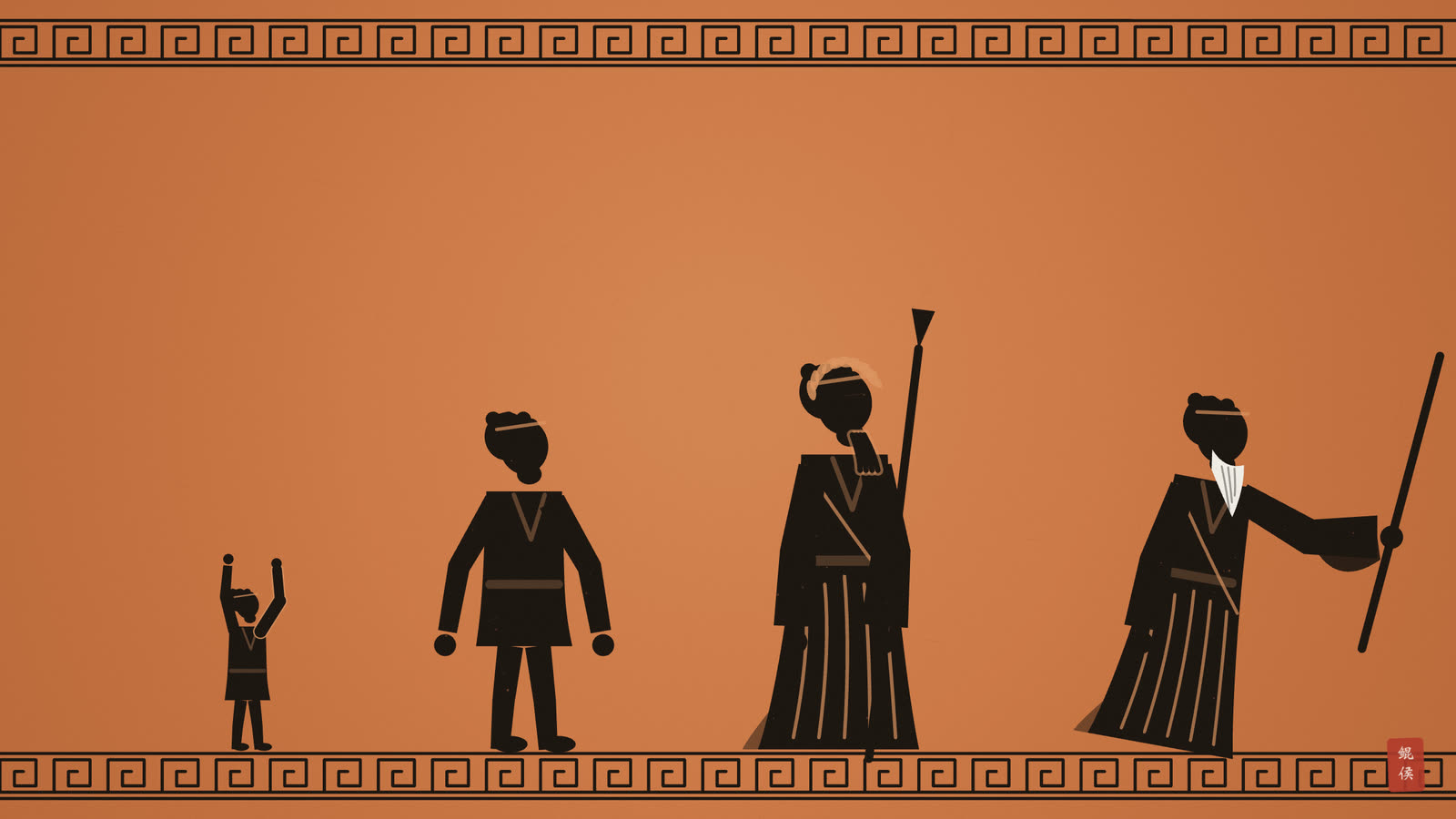
翻译点开
Of the four seasons of the year, spring, summer, autumn, and winter, spring exceeds in moisture on account of its diffusion after the cold has passed and warmth is setting in; the summer, in heat, because of the nearness of the sun to the zenith; autumn more in dryness, because of the sucking up of the moisture during the hot season just past; and winter exceeds in cold, because the sun is farthest away from the zenith.
一年四季,春、夏、秋、冬之中,春季湿偏盛,这是由于寒冷过去、温暖到来之后的消融弥散;夏季热偏盛,因为太阳接近天顶;秋季较偏于燥,因为刚过去的炎热季节把湿气吸干了;冬季冷偏盛,因为太阳离天顶最远。
For this reason, although there is no natural beginning of the zodiac, since it is a circle, they assume that the sign which begins with the vernal equinox, that of Aries, is the starting-point of them all, making the excessive moisture of the spring the first part of the zodiac as though it were a living creature, and taking next in order the remaining seasons, because in all creatures the earliest ages, like the spring, have a larger share of moisture and are tender and still delicate.
因此,黄道既然是一个圆,本无天然的起点,他们便假定从春分开始的那个星座,即白羊,为所有星座的起点,把春天过盛的湿当作黄道的第一部分,仿佛黄道是一个活物,再依次接上其余各季;因为一切生物最早的年岁,就像春天一样,分有较多的湿,柔嫩而尚且娇弱。
The second age, up to the prime of life, exceeds in heat, like summer; the third, which is now past the prime and on the verge of decline, has an excess of dryness, like autumn; and the last, which approaches dissolution, exceeds in its coldness, like winter.
第二个年龄段,直到盛年,热偏盛,如同夏季;第三个,已过盛年、将要衰退,燥过多,如同秋季;最后一个,走向消解,冷偏盛,如同冬季。
大意与图解点开
🔎 大意:春湿、夏热、秋燥、冬冷;黄道本无起点,以春分起的白羊为首,如同活物由湿嫩的幼年起,经盛年、过盛到暮年。
📖 术语
| 术语 | 英译原词 | 意思 |
|---|---|---|
| 春分 | vernal equinox | 昼夜等长的春季之点 |
| 天顶 | zenith | 头顶正上方的天 |
| 盛年 | prime of life | 一生最强壮之时 |
| 消解 | dissolution | 生命的终结 |
🧭 图解与讲解
第十章把冷热干湿从天上搬到时间与方位里。先是四季:春天寒冷刚过、温暖初来,冰冻消融、湿气弥散,所以湿偏盛;夏天太阳接近天顶,所以热偏盛;秋天的湿气已被刚过去的炎夏吸干,所以偏燥;冬天太阳离天顶最远,所以冷偏盛。这与卷一第四章说太阳「越近天顶越热」是同一个道理。
〔图〕四季四象限:太阳从春分点起,每走三座换一季——春湿、夏热、秋燥、冬冷;黄道因此以白羊为首
〔图〕一生如一年:幼年湿而柔嫩,盛年热,过盛之年燥,暮年冷,与春夏秋冬同序
由此得出一个重要的约定:黄道是一个圆,本来没有起点,古人便取春分点所在的白羊为第一个星座。图一画出由春分、夏至、秋分、冬至四点分出的四个象限,每个象限三座,动画让太阳从白羊初度走起,四季依次点亮。Robbins 注特别指出,这里的「白羊」是从春分点量起的三十度,与天上白羊星象的实际位置是两回事;后世有人拿这一点来攻击占星,最早是奥利金。
托勒密说,把湿润的春天放在最前面,「仿佛黄道是一个活物」:一切生物的幼年都像春天,湿而柔嫩;到盛年热偏盛,如夏;过了盛年将要衰退,燥过多,如秋;最后走向消解,冷偏盛,如冬。图二把四季与四龄对齐。这个四分的年龄说,古代崇尚数字四的毕达哥拉斯派作者也常用(Robbins 注);托勒密在卷四第十章论分时,另用七个年龄段,从月亮起依天球次序配七曜。
回头看卷一第八章,月亮与外行星的四段也是湿、热、燥、冷——同一个次序在一年、一生、一个月相周期里反复出现,这正是托勒密自然学的一贯思路:天上的周期、地上的季节、人的年岁,都用冷热干湿这同一组性质来描述,彼此才能相互比照、相互推算。
📖 术语
| 术语 | 英译原词 | 意思 |
|---|---|---|
| 春分 | vernal equinox | 昼夜等长的春季之点 |
| 天顶 | zenith | 头顶正上方的天 |
| 盛年 | prime of life | 一生最强壮之时 |
| 消解 | dissolution | 生命的终结 |
🧭 图解与讲解
第十章把冷热干湿从天上搬到时间与方位里。先是四季:春天寒冷刚过、温暖初来,冰冻消融、湿气弥散,所以湿偏盛;夏天太阳接近天顶,所以热偏盛;秋天的湿气已被刚过去的炎夏吸干,所以偏燥;冬天太阳离天顶最远,所以冷偏盛。这与卷一第四章说太阳「越近天顶越热」是同一个道理。
由此得出一个重要的约定:黄道是一个圆,本来没有起点,古人便取春分点所在的白羊为第一个星座。图一画出由春分、夏至、秋分、冬至四点分出的四个象限,每个象限三座,动画让太阳从白羊初度走起,四季依次点亮。Robbins 注特别指出,这里的「白羊」是从春分点量起的三十度,与天上白羊星象的实际位置是两回事;后世有人拿这一点来攻击占星,最早是奥利金。
托勒密说,把湿润的春天放在最前面,「仿佛黄道是一个活物」:一切生物的幼年都像春天,湿而柔嫩;到盛年热偏盛,如夏;过了盛年将要衰退,燥过多,如秋;最后走向消解,冷偏盛,如冬。图二把四季与四龄对齐。这个四分的年龄说,古代崇尚数字四的毕达哥拉斯派作者也常用(Robbins 注);托勒密在卷四第十章论分时,另用七个年龄段,从月亮起依天球次序配七曜。
回头看卷一第八章,月亮与外行星的四段也是湿、热、燥、冷——同一个次序在一年、一生、一个月相周期里反复出现,这正是托勒密自然学的一贯思路:天上的周期、地上的季节、人的年岁,都用冷热干湿这同一组性质来描述,彼此才能相互比照、相互推算。
Similarly, too, of the four regions and angles of the horizon, from which originate the winds from the cardinal points, the eastern one likewise excels in dryness because, when the sun is in that region, whatever has been moistened by the night then first begins to be dried; and the winds which blow from it, which we call in general Apeliotes, are without moisture and drying in effect.
The region to the south is hottest because of the fiery heat of the sun's passages through mid-heaven and because these passages, on account of the inclination of our inhabited world, diverge more to the south; and the winds which blow thence and are called by the general name Notus are hot and rarefying.
The region to the west is itself moist, because when the sun is therein the things dried out during the day then first begin to become moistened; likewise the winds which blow from this part, which we call by the general name Zephyrus, are fresh and moist.
The region to the north is the coldest, because through our inhabited world's inclination it is too far removed from the causes of heat arising from the sun's culmination, as it is also when the sun is at its lower culmination; and the winds which blow thence, which are called by the general name Boreas, are cold and condensing in effect.
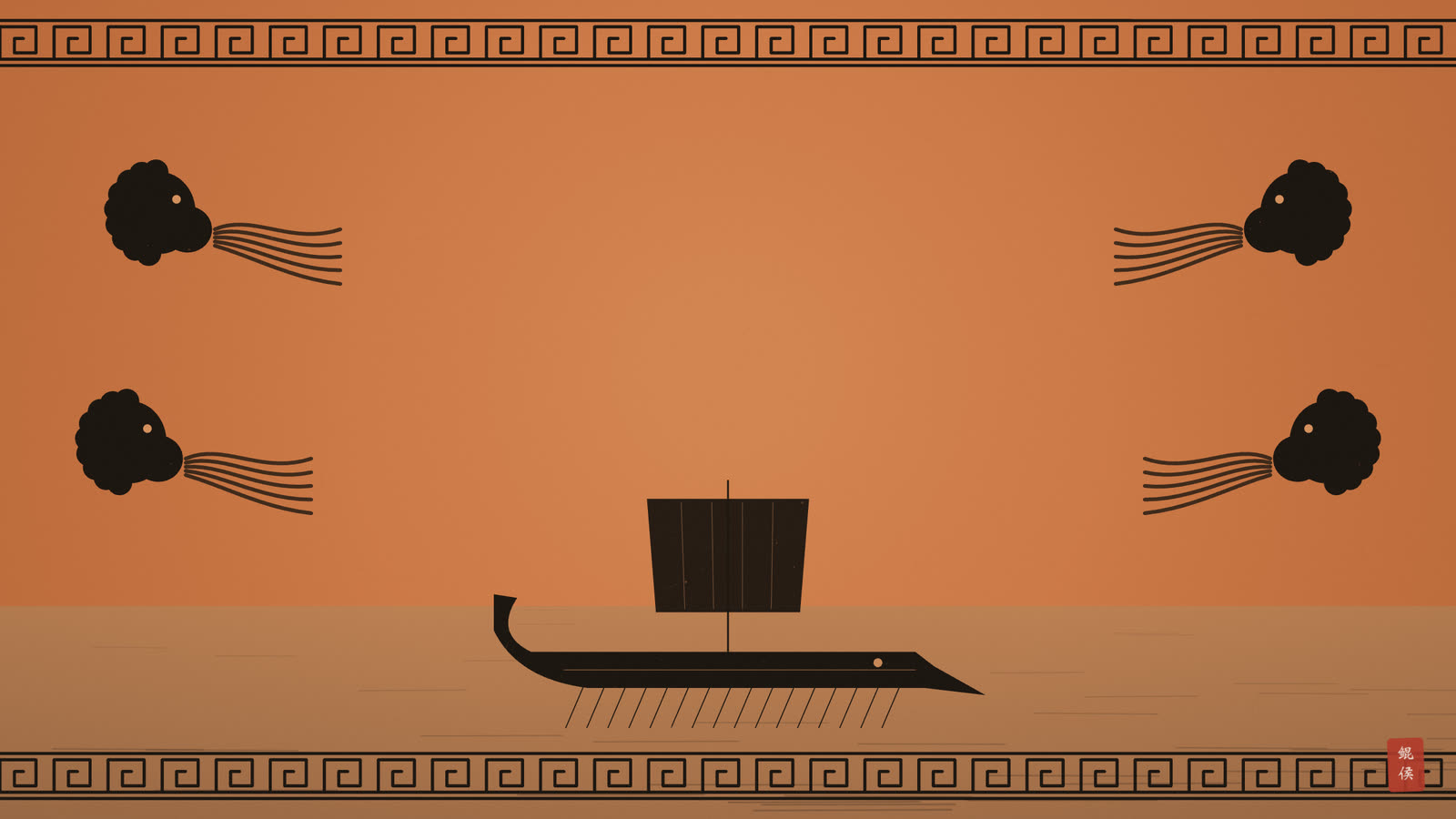
翻译点开
Similarly, too, of the four regions and angles of the horizon, from which originate the winds from the cardinal points, the eastern one likewise excels in dryness because, when the sun is in that region, whatever has been moistened by the night then first begins to be dried; and the winds which blow from it, which we call in general Apeliotes, are without moisture and drying in effect.
同样,地平的四个方位与四角——四方之风就从那里吹起——之中,东方同样以燥见长,因为太阳到了那一方时,凡被夜晚润湿的东西才开始变干;从那里吹来的风,我们统称为阿佩利奥忒斯,不带湿气,作用是使物干燥。
The region to the south is hottest because of the fiery heat of the sun's passages through mid-heaven and because these passages, on account of the inclination of our inhabited world, diverge more to the south; and the winds which blow thence and are called by the general name Notus are hot and rarefying.
南方最热,因为太阳经过中天时火一般炽热,又因为我们所居的世界有所倾斜,这些经过更偏向南方;从那里吹来、统称为诺托斯的风,热而使物稀散。
The region to the west is itself moist, because when the sun is therein the things dried out during the day then first begin to become moistened; likewise the winds which blow from this part, which we call by the general name Zephyrus, are fresh and moist.
西方本身湿润,因为太阳到了那里时,白天被晒干的东西才开始变湿;同样,从这一方吹来、我们统称为泽费罗斯的风,清新而湿润。
The region to the north is the coldest, because through our inhabited world's inclination it is too far removed from the causes of heat arising from the sun's culmination, as it is also when the sun is at its lower culmination; and the winds which blow thence, which are called by the general name Boreas, are cold and condensing in effect.
北方最冷,因为由于我们所居世界的倾斜,它离太阳上中天所产生的热源太远,太阳在下中天时也是如此;从那里吹来、统称为玻瑞阿斯的风,寒冷,作用是使物凝聚。
大意与图解点开
🔎 大意:地平四方:东方使夜露变干而偏燥,南方当太阳中天而最热,西方使白昼所晒复湿,北方离日最远而最冷;四风随之。
📖 术语
| 术语 | 英译原词 | 意思 |
|---|---|---|
| 四角 | angles | 上升、中天、下降、天底 |
| 中天 | mid-heaven | 子午线上的天顶方向 |
| 上中天 / 下中天 | culmination / lower culmination | 过子午线的上点与下点 |
| 倾斜 | inclination | 所居纬度使天球倾斜 |
🧭 图解与讲解
接着是空间:地平的四个方位,也就是星盘上的「四角」,四方之风从那里吹来。东方偏燥:太阳从东方升起,夜里被润湿的东西这才开始变干,从东方吹来的风,希腊人统称阿佩利奥忒斯,字面意思是「从太阳那边吹来的风」(Robbins 注),干而不湿。
〔图〕地平四方:东燥、南热、西湿、北冷,各有其风;照星盘习惯东在左、南在上
〔图〕四角在星盘上:上升点在东,中天在南,下降点在西,地底中天在北;四方之性属于方位,不属于星座
南方最热:太阳每天过中天时最为炽热,而我们所居之地在北半球,天球倾斜,太阳过中天总偏在南边。南风统称诺托斯,热而使物稀散。西方湿:太阳西落,白天晒干的东西开始回潮,西风统称泽费罗斯,清新湿润。北方最冷:它离太阳上中天的热源最远,太阳在下中天(地平之下)时也一样;北风统称玻瑞阿斯,寒冷而使物凝聚。
图一照星盘的习惯画:东在左、南在上、西在右、北在下,与星盘上上升点在左、中天在上的画法一致。图二把四角放到星盘上:以白羊初度上升为例,上升点在东,中天在南,下降点在西,地底中天在北。要留意,四方之性属于方位,不属于星座——天球每天转一圈,十二星座轮流经过这四个角,动画就在示意这一点。
按性质看,四方与四季也能一一对照:东燥如秋,南热如夏,西湿如春,北冷如冬。托勒密没有把两者配成一套,但它们用的是同一组性质,下一单元就把季节、年龄、四角放在一起,说明它们怎样影响诸星之力。
📖 术语
| 术语 | 英译原词 | 意思 |
|---|---|---|
| 四角 | angles | 上升、中天、下降、天底 |
| 中天 | mid-heaven | 子午线上的天顶方向 |
| 上中天 / 下中天 | culmination / lower culmination | 过子午线的上点与下点 |
| 倾斜 | inclination | 所居纬度使天球倾斜 |
🧭 图解与讲解
接着是空间:地平的四个方位,也就是星盘上的「四角」,四方之风从那里吹来。东方偏燥:太阳从东方升起,夜里被润湿的东西这才开始变干,从东方吹来的风,希腊人统称阿佩利奥忒斯,字面意思是「从太阳那边吹来的风」(Robbins 注),干而不湿。
南方最热:太阳每天过中天时最为炽热,而我们所居之地在北半球,天球倾斜,太阳过中天总偏在南边。南风统称诺托斯,热而使物稀散。西方湿:太阳西落,白天晒干的东西开始回潮,西风统称泽费罗斯,清新湿润。北方最冷:它离太阳上中天的热源最远,太阳在下中天(地平之下)时也一样;北风统称玻瑞阿斯,寒冷而使物凝聚。
图一照星盘的习惯画:东在左、南在上、西在右、北在下,与星盘上上升点在左、中天在上的画法一致。图二把四角放到星盘上:以白羊初度上升为例,上升点在东,中天在南,下降点在西,地底中天在北。要留意,四方之性属于方位,不属于星座——天球每天转一圈,十二星座轮流经过这四个角,动画就在示意这一点。
按性质看,四方与四季也能一一对照:东燥如秋,南热如夏,西湿如春,北冷如冬。托勒密没有把两者配成一套,但它们用的是同一组性质,下一单元就把季节、年龄、四角放在一起,说明它们怎样影响诸星之力。
The knowledge of these facts is useful to enable one to form a complete judgement of temperatures in individual instances. For it is easily recognizable that, together with such conditions as these, of seasons, ages, or angles, there is a corresponding variation in the potency of the stars' faculties, and that in the conditions akin to them their quality is purer and their effectiveness stronger, those that are heating by nature, for instance, in heat, and those that are moistening in the moist, while under opposite conditions their power is adulterated and weaker. Thus the heating stars in the cold periods and the moistening stars in the dry periods are weaker, and similarly in the other cases, according to the quality produced by the mixture.
翻译点开
The knowledge of these facts is useful to enable one to form a complete judgement of temperatures in individual instances. For it is easily recognizable that, together with such conditions as these, of seasons, ages, or angles, there is a corresponding variation in the potency of the stars' faculties, and that in the conditions akin to them their quality is purer and their effectiveness stronger, those that are heating by nature, for instance, in heat, and those that are moistening in the moist, while under opposite conditions their power is adulterated and weaker. Thus the heating stars in the cold periods and the moistening stars in the dry periods are weaker, and similarly in the other cases, according to the quality produced by the mixture.
知道这些事实,有助于对各个具体情形中的气质作出完整的判断。因为很容易看出,诸星各种能力的效力,会随着季节、年龄或四角这类条件而相应变化:在与它们相近的条件下,它们的性质更纯、作用更强,例如本性生热的星在热中、致湿的星在湿中;而在相反的条件下,它们的力就被掺杂而减弱。所以,生热之星在寒冷时节、致湿之星在干燥时节较弱,其余情形也一样,视混合后所产生的性质而定。
大意与图解点开
🔎 大意:星在与本性相近的季节、年龄、四角里,性质更纯、作用更强;在相反的条件下,力被掺杂而变弱,须看混合后的气质。
📖 术语
| 术语 | 英译原词 | 意思 |
|---|---|---|
| 气质 | temperatures | 冷热干湿的混合 |
| 掺杂 | adulterated | 被相反之性冲淡 |
| 混合 | mixture | 诸性相合的结果 |
🧭 图解与讲解
最后一句说明前面这些对照有什么用:判断具体情形中的「气质」(Robbins 注说原词是「混合」之意,指各种影响混合后的结果)。诸星的力会随季节、年龄、四角而变:条件与本性相近,力就纯而强;相反,力就被掺杂而弱。生热的星在冬季较弱,致湿的星在燥季较弱,其余依此类推。
〔图〕诸星之力随季节、年龄、四角而变:性相近则纯而强,性相反则杂而弱
| 星之本性 | 相宜的条件(更纯更强) | 相反的条件(掺杂变弱) |
|---|---|---|
| 生热(太阳、火星、木星) | 夏季、南方、盛年 | 冬季、北方、暮年 |
| 致湿(月亮、金星、木星) | 春季、西方、幼年 | 秋季、东方、过盛之年 |
| 致燥(火星,以及太阳、土星之微燥) | 秋季、东方、过盛之年 | 春季、西方、幼年 |
| 致冷(土星) | 冬季、北方、暮年 | 夏季、南方、盛年 |
表二按卷一第四章的性质把这条原则展开:生热的太阳、火星、木星,在夏季、南方、盛年最得力;致湿的月亮、金星,在春季、西方、幼年最得力;致冷的土星则相反,在冬季、北方、暮年最纯。表里的对应是我们依本章原则推出来的,托勒密本人只举了生热与致湿两例。
这条「同气相求」的原则贯穿全书。卷一第八章说诸星相会时各守本性、只在分量上被改变,这里说季节方位也只改变分量;后面卷二判断天气、卷三判断体质,都是把星的本性、所在的季节与方位、所逢的年龄混合起来看,最后得出一个「气质」。
📖 术语
| 术语 | 英译原词 | 意思 |
|---|---|---|
| 气质 | temperatures | 冷热干湿的混合 |
| 掺杂 | adulterated | 被相反之性冲淡 |
| 混合 | mixture | 诸性相合的结果 |
🧭 图解与讲解
最后一句说明前面这些对照有什么用:判断具体情形中的「气质」(Robbins 注说原词是「混合」之意,指各种影响混合后的结果)。诸星的力会随季节、年龄、四角而变:条件与本性相近,力就纯而强;相反,力就被掺杂而弱。生热的星在冬季较弱,致湿的星在燥季较弱,其余依此类推。
| 星之本性 | 相宜的条件(更纯更强) | 相反的条件(掺杂变弱) |
|---|---|---|
| 生热(太阳、火星、木星) | 夏季、南方、盛年 | 冬季、北方、暮年 |
| 致湿(月亮、金星、木星) | 春季、西方、幼年 | 秋季、东方、过盛之年 |
| 致燥(火星,以及太阳、土星之微燥) | 秋季、东方、过盛之年 | 春季、西方、幼年 |
| 致冷(土星) | 冬季、北方、暮年 | 夏季、南方、盛年 |
表二按卷一第四章的性质把这条原则展开:生热的太阳、火星、木星,在夏季、南方、盛年最得力;致湿的月亮、金星,在春季、西方、幼年最得力;致冷的土星则相反,在冬季、北方、暮年最纯。表里的对应是我们依本章原则推出来的,托勒密本人只举了生热与致湿两例。
这条「同气相求」的原则贯穿全书。卷一第八章说诸星相会时各守本性、只在分量上被改变,这里说季节方位也只改变分量;后面卷二判断天气、卷三判断体质,都是把星的本性、所在的季节与方位、所逢的年龄混合起来看,最后得出一个「气质」。
原文为公有领域古籍;翻译、印象画与图文解读由 AI 辅助生成,鲲侯审校。