卷一·第一章 引言
星占预言有两种:先算准日月诸星的相位,再据其本性推断地上的变化。动笔之前,托勒密先回应两问:可能吗?有用吗?
Of the means of prediction through astronomy, O Syrus, two are the most important and valid. One, which is first both in order and in effectiveness, is that whereby we apprehend the aspects of the movements of sun, moon, and stars in relation to each other and to the earth, as they occur from time to time; the second is that in which by means of the natural character of these aspects themselves we investigate the changes which they bring about in that which they surround.
The first of these, which has its own science, desirable in itself even though it does not attain the result given by its combination with the second, has been expounded to you as best we could in its own treatise by the method of demonstration.
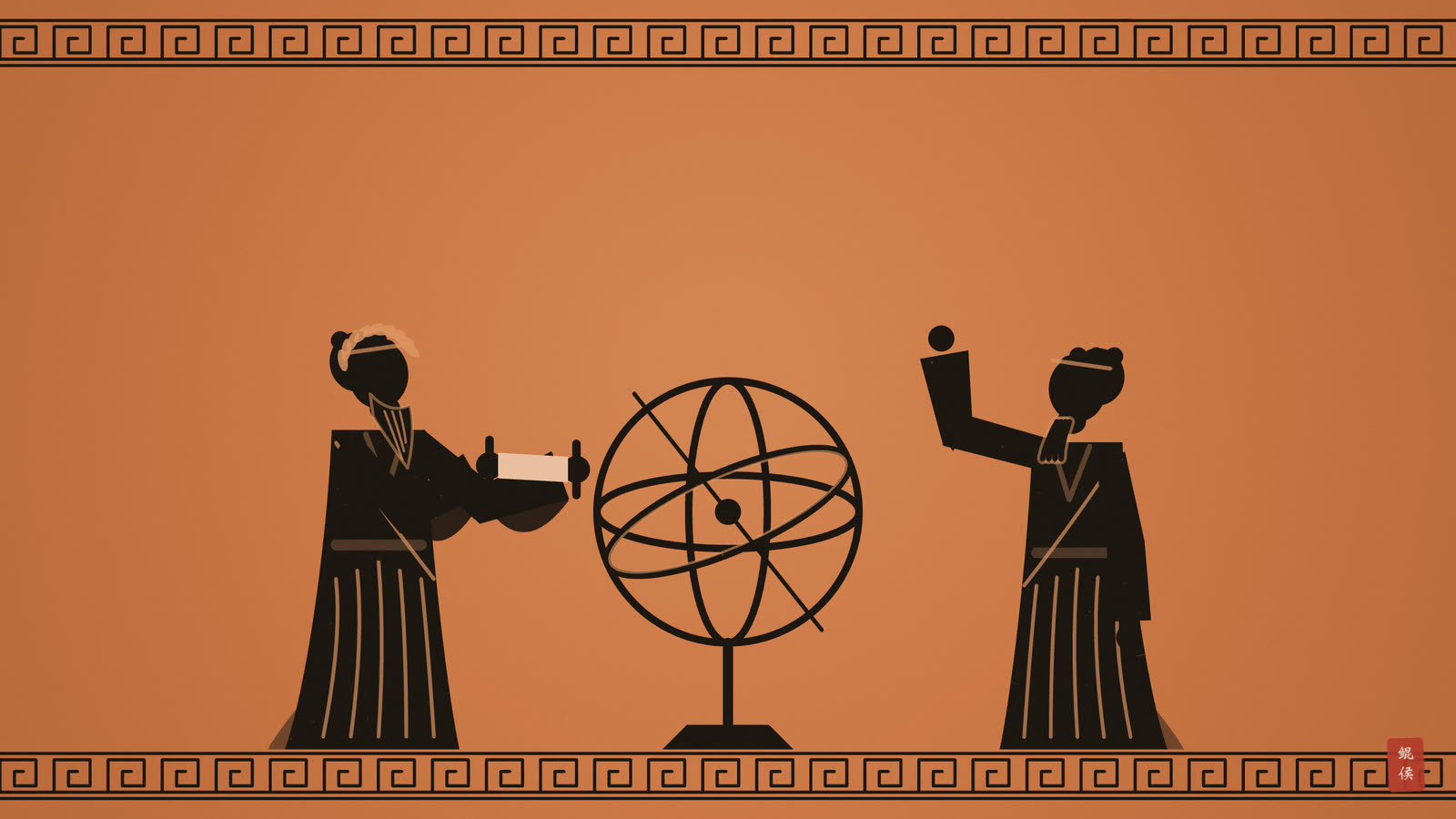
翻译点开
Of the means of prediction through astronomy, O Syrus, two are the most important and valid. One, which is first both in order and in effectiveness, is that whereby we apprehend the aspects of the movements of sun, moon, and stars in relation to each other and to the earth, as they occur from time to time; the second is that in which by means of the natural character of these aspects themselves we investigate the changes which they bring about in that which they surround.
叙鲁斯啊,星占预言的方法之中,最重要、最有效的有两种。第一种在次序上和效力上都居首位,凭它,我们掌握日、月与诸星的运动彼此之间、以及对大地随时形成的相位;第二种则凭这些相位本身的自然特性,考察它们在其所环绕之物中引起的变化。
The first of these, which has its own science, desirable in itself even though it does not attain the result given by its combination with the second, has been expounded to you as best we could in its own treatise by the method of demonstration.
第一种自成一门学问,即使达不到与第二种结合时所得的成果,本身也值得追求;我们已在专论它的《天文学大成》里,用证明的方法尽力向你阐述过了。
大意与图解点开
🔎 大意:星占预言有两种:一是测算日月诸星彼此与对地的相位,二是据相位的本性推断其下的变化;前者已写成《天文学大成》。
📖 术语
| 术语 | 英译原词 | 意思 |
|---|---|---|
| 星占预言 | prediction through astronomy | 借天象预言地上之事 |
| 相位 | aspects | 诸星彼此的位置关系 |
| 叙鲁斯 | Syrus | 本书题献的对象 |
| 《天文学大成》 | its own treatise | 托勒密的天文学巨著 |
| 证明的方法 | method of demonstration | 几何推演,步步可证 |
🧭 图解与讲解
全书开篇是一句献辞:「叙鲁斯啊」。叙鲁斯(Syrus)生平不详,托勒密的《天文学大成》也是题献给他的。紧接着,托勒密把「借天文作预言」分成两种(图一):第一种测算日、月、诸星彼此之间与对大地的相位,Robbins 注说这就是本义的天文学;第二种根据这些相位的「自然特性」,推断它们给其下万物带来的变化,也就是星占。
〔图〕星占预言分两种:先测算天象,再据天象推断地上的变化
〔图〕第一种学问所测:此刻日月五星各在黄道何度、彼此成何相位
这里的「相位」意思比后来的术语宽,指诸天体在天上的相对位置。第一种学问要回答的是「此刻每颗星在哪里、彼此相隔多少度」。图二是一幅示意的天象:大地居中,日月五星各在黄道某度,彼此之间成三分、四分、六分等角度。哪些角度算相位、各有什么性质,卷一第十三章会正式讲。
托勒密对两者的排序很清楚:第一种「在次序上和效力上都居首位」,自成一门学问,单独拿出来也值得追求;第二种却离不开第一种——不先算准星在哪里,就谈不上推断它的作用。第一种他已在《天文学大成》(Almagest)里「用证明的方法」讲完了,那是一部用几何一步步推演日月五星运动的巨著;《占星四书》与它是姊妹篇,专讲第二种。
「即使达不到与第二种结合时所得的成果」这半句也值得留意:在托勒密看来,天文测算本身已足可贵,与星占结合,才得到预知的成果。古人眼中两者本是一家,中国历代史书的天文志也是既记天象、又记占验,这一点中西相通。
📖 术语
| 术语 | 英译原词 | 意思 |
|---|---|---|
| 星占预言 | prediction through astronomy | 借天象预言地上之事 |
| 相位 | aspects | 诸星彼此的位置关系 |
| 叙鲁斯 | Syrus | 本书题献的对象 |
| 《天文学大成》 | its own treatise | 托勒密的天文学巨著 |
| 证明的方法 | method of demonstration | 几何推演,步步可证 |
🧭 图解与讲解
全书开篇是一句献辞:「叙鲁斯啊」。叙鲁斯(Syrus)生平不详,托勒密的《天文学大成》也是题献给他的。紧接着,托勒密把「借天文作预言」分成两种(图一):第一种测算日、月、诸星彼此之间与对大地的相位,Robbins 注说这就是本义的天文学;第二种根据这些相位的「自然特性」,推断它们给其下万物带来的变化,也就是星占。
这里的「相位」意思比后来的术语宽,指诸天体在天上的相对位置。第一种学问要回答的是「此刻每颗星在哪里、彼此相隔多少度」。图二是一幅示意的天象:大地居中,日月五星各在黄道某度,彼此之间成三分、四分、六分等角度。哪些角度算相位、各有什么性质,卷一第十三章会正式讲。
托勒密对两者的排序很清楚:第一种「在次序上和效力上都居首位」,自成一门学问,单独拿出来也值得追求;第二种却离不开第一种——不先算准星在哪里,就谈不上推断它的作用。第一种他已在《天文学大成》(Almagest)里「用证明的方法」讲完了,那是一部用几何一步步推演日月五星运动的巨著;《占星四书》与它是姊妹篇,专讲第二种。
「即使达不到与第二种结合时所得的成果」这半句也值得留意:在托勒密看来,天文测算本身已足可贵,与星占结合,才得到预知的成果。古人眼中两者本是一家,中国历代史书的天文志也是既记天象、又记占验,这一点中西相通。
We shall now give an account of the second and less self-sufficient method in a properly physical way, so that one whose aim is the truth might never compare its perceptions with the sureness of the first, unvarying science, for he ascribes to it the weakness and unpredictability of material qualities found in individual things, nor yet refrain from such investigation as is within the bounds of possibility, when it is so evident that most events of a general nature draw their causes from the enveloping heavens.
But since everything that is hard to attain is easily assailed by the generality of men, and in the case of the two before-mentioned disciplines the allegations against the first could be made only by the blind, while there are specious grounds for those levelled at the second — for its difficulty in parts has made them think it completely incomprehensible, or the difficulty of escaping what is known has disparaged even its object as useless — we shall try to examine briefly the measure of both the possibility and the usefulness of such prognostication before offering detailed instruction on the subject. First as to its possibility.
翻译点开
We shall now give an account of the second and less self-sufficient method in a properly physical way, so that one whose aim is the truth might never compare its perceptions with the sureness of the first, unvarying science, for he ascribes to it the weakness and unpredictability of material qualities found in individual things, nor yet refrain from such investigation as is within the bounds of possibility, when it is so evident that most events of a general nature draw their causes from the enveloping heavens.
现在我们要以合乎自然哲学的方式,叙述第二种、不那么自足的方法。这样,追求真理的人既不会把它的认识拿来与第一种恒常不变之学的确定性相比,因为他认定它带有个别事物中物质性质的那种软弱与难以预料;也不会放弃在可能范围之内的这类研究,因为大多数具有普遍性质的事件,显然都从周天取得其原因。
But since everything that is hard to attain is easily assailed by the generality of men, and in the case of the two before-mentioned disciplines the allegations against the first could be made only by the blind, while there are specious grounds for those levelled at the second — for its difficulty in parts has made them think it completely incomprehensible, or the difficulty of escaping what is known has disparaged even its object as useless — we shall try to examine briefly the measure of both the possibility and the usefulness of such prognostication before offering detailed instruction on the subject. First as to its possibility.
然而,凡是难以达到的东西,都容易遭到一般人的攻击;就前面所说的两门学问而言,对第一门的指责只有瞎子才说得出口,对第二门的指责却有些貌似有理的根据——它在某些部分的艰难,使人以为它完全不可理解;或者,已知之事难以逃避,又使人连它的目标也贬为无用——因此,在详细传授这门学问之前,我们先简要考察这种预言可能到什么程度、有用到什么程度。先说它的可能。
大意与图解点开
🔎 大意:第二种不如天文测算确定,却值得在可能范围内研究;正式讲授之前,先答世人的两种非难:它可能吗?有用吗?
📖 术语
| 术语 | 英译原词 | 意思 |
|---|---|---|
| 周天 | the enveloping heavens | 环绕我们的天 |
| 物质性质 | material qualities | 月下之物多变的质 |
| 自足 | self-sufficient | 不必依赖别的学问 |
| 预言 | prognostication | 预先断言将来之事 |
🧭 图解与讲解
托勒密给第二种学问定了一个分寸(图一)。一方面,它研究的是月亮以下的物质,物质的性质「软弱、难以预料」,个别事物尤其如此,所以它的确定性永远比不上天文测算。Robbins 注指出,这是亚里士多德式的对比:天体不变、运动有常,可以计算;月下之物变动不居,难以预料。另一方面,大多数普遍性质的事件显然从周天(the ambient,环绕我们的天)得其原因,在可能的范围内研究它,并没有错。
〔图〕第二种星占的分寸:不与天文测算比确定,也不因此放弃研究
| 非难的对象 | 非难者的理由 | 托勒密怎样处理 |
|---|---|---|
| 第一种:天文测算 | —— | 只有瞎子才会非难,不必回答 |
| 第二种:说它不可能 | 某些部分艰难,便以为它完全不可理解 | 卷一第二章:论其可能与限度 |
| 第二种:说它无用 | 已知之事难以逃避,便以为预知无用 | 卷一第三章:论其有益 |
所谓「以合乎自然哲学的方式」,是说要像研究自然那样讲道理,不靠神谕、不靠秘传。这是全书的基调:下面讲日月五星,托勒密几乎处处用冷热干湿来解释,卷一第四章就从太阳生热、月亮致湿说起;讲星座、相位、尊贵时,也总要给出季节、远近之类的自然理由。
接着托勒密点出世人的两种非难(表二)。对天文测算的非难,他说只有瞎子才说得出口;对星占的非难却「貌似有理」:一说它太难,有些部分难以理解,于是以为全不可知;一说即使知道将来也躲不过,所以预知无用。Robbins 注说,古代对星占最有力的攻击出自卡尔内阿德斯(Carneades)领导的学园派,托勒密下面两章的答辩,多半取自斯多葛派的波西多尼乌斯(Posidonius)。
本书的路线在第一章就交代清楚了:先答「可能吗」(卷一第二章),再答「有用吗」(卷一第三章),然后才「详细传授」,从卷一第四章的诸星之力讲起。「已知之事难以逃避」一句,普罗克洛斯(Proclus)的释本理解为「所学难以记住」,Robbins 注认为所指显然是第三章讨论的问题。章末「先说它的可能」,接的正是下一章的开头。这三章是全书的哲学总论,不讲具体技法,却决定了托勒密看待星占的分寸。
📖 术语
| 术语 | 英译原词 | 意思 |
|---|---|---|
| 周天 | the enveloping heavens | 环绕我们的天 |
| 物质性质 | material qualities | 月下之物多变的质 |
| 自足 | self-sufficient | 不必依赖别的学问 |
| 预言 | prognostication | 预先断言将来之事 |
🧭 图解与讲解
托勒密给第二种学问定了一个分寸(图一)。一方面,它研究的是月亮以下的物质,物质的性质「软弱、难以预料」,个别事物尤其如此,所以它的确定性永远比不上天文测算。Robbins 注指出,这是亚里士多德式的对比:天体不变、运动有常,可以计算;月下之物变动不居,难以预料。另一方面,大多数普遍性质的事件显然从周天(the ambient,环绕我们的天)得其原因,在可能的范围内研究它,并没有错。
| 非难的对象 | 非难者的理由 | 托勒密怎样处理 |
|---|---|---|
| 第一种:天文测算 | —— | 只有瞎子才会非难,不必回答 |
| 第二种:说它不可能 | 某些部分艰难,便以为它完全不可理解 | 卷一第二章:论其可能与限度 |
| 第二种:说它无用 | 已知之事难以逃避,便以为预知无用 | 卷一第三章:论其有益 |
所谓「以合乎自然哲学的方式」,是说要像研究自然那样讲道理,不靠神谕、不靠秘传。这是全书的基调:下面讲日月五星,托勒密几乎处处用冷热干湿来解释,卷一第四章就从太阳生热、月亮致湿说起;讲星座、相位、尊贵时,也总要给出季节、远近之类的自然理由。
接着托勒密点出世人的两种非难(表二)。对天文测算的非难,他说只有瞎子才说得出口;对星占的非难却「貌似有理」:一说它太难,有些部分难以理解,于是以为全不可知;一说即使知道将来也躲不过,所以预知无用。Robbins 注说,古代对星占最有力的攻击出自卡尔内阿德斯(Carneades)领导的学园派,托勒密下面两章的答辩,多半取自斯多葛派的波西多尼乌斯(Posidonius)。
本书的路线在第一章就交代清楚了:先答「可能吗」(卷一第二章),再答「有用吗」(卷一第三章),然后才「详细传授」,从卷一第四章的诸星之力讲起。「已知之事难以逃避」一句,普罗克洛斯(Proclus)的释本理解为「所学难以记住」,Robbins 注认为所指显然是第三章讨论的问题。章末「先说它的可能」,接的正是下一章的开头。这三章是全书的哲学总论,不讲具体技法,却决定了托勒密看待星占的分寸。
原文为公有领域古籍;翻译、印象画与图文解读由 AI 辅助生成,鲲侯审校。