卷四·第三节第十五至十六章 日常天象看天气,及气象与交食之因
第十五章录日落月色、虹、云、流星、朔日与雷声所示的天气;第十六章讲幻日、雨雪、风、地震、雷电与交食的自然原因。
CHAP. XV. Shewing how to judge of Weather from common Observation of the rising and setting of the Sun, colour of the Moon, appearance of the Rain-bow, Comets, Clowds, Brightness of the fixed Stars, also by the prime day, and from the time of the day wherein Thunder happeneth.
IT doth no wise seem unto me unnecessary to deliver this Chapter unto the world; although it be not altogether so Astrological as the preceding Chapters are, yet by reason it containeth Observations deduced from the Stars and other Superiour things, it cannot be absolutely rejected as not agreeing with our discourse and subject; besides since it may very well be an help both for the plainness and certainty thereof, to such as perhaps are not of sufficient capacity to attain to the perfection of what we have set down before, I have adventured to give them to understand thus much.
That when the Sun riseth clear and bright in our Horizon, it denotes a pleasant day; but fowl weather, if then he be overcast with a thin cloud; if he set being free from clouds, a fair night followeth; also being then divers coloured, his beams long and red, denotes windes the next day from that part or quarter of heaven; his beams spotted, green, black or pale, promiseth rain that night; if at his setting there be one or more circles about him, you are to observe whether they are red, and here and there broken; for then he denotes vehement windes that night: if obscured thick and black circles, it signifies cold windes and snow in Winter; many circles denote winde of what colour soever they are, but the more if they be red; if but one circle be about him, and that clear and of no continuance, fair weather is to be expected; understand the same of the Moon which you have heard of the Sun, when there is circles about her; blackness in the Sun and Moon denotes rain; redness, winde;
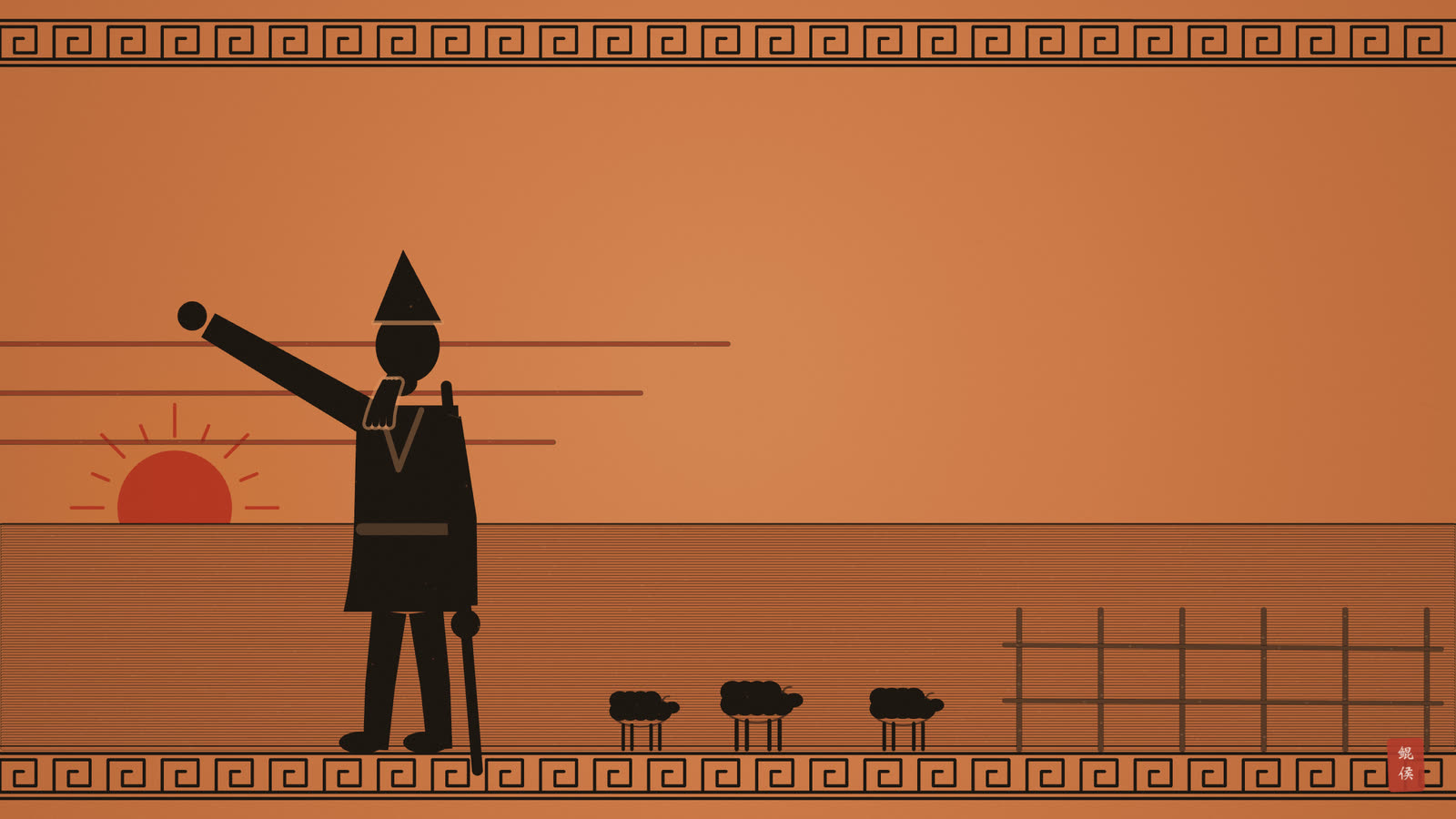
The element red in the morning, shews winde and rain to ensue that day; the same in the Evening declares the contrary; for the day following is for the most part then fair; and in this manner of Prognostication we finde the Pharisees very expert, as appears in the 16. of Matthew.
翻译点开
CHAP. XV. Shewing how to judge of Weather from common Observation of the rising and setting of the Sun, colour of the Moon, appearance of the Rain-bow, Comets, Clowds, Brightness of the fixed Stars, also by the prime day, and from the time of the day wherein Thunder happeneth.
第十五章 说明怎样由日常观察太阳的升落、月亮的颜色、虹的出现、彗星、云、恒星的亮度来判断天气,也由朔日,以及由打雷发生在一天中的什么时候来判断。
IT doth no wise seem unto me unnecessary to deliver this Chapter unto the world; although it be not altogether so Astrological as the preceding Chapters are, yet by reason it containeth Observations deduced from the Stars and other Superiour things, it cannot be absolutely rejected as not agreeing with our discourse and subject; besides since it may very well be an help both for the plainness and certainty thereof, to such as perhaps are not of sufficient capacity to attain to the perfection of what we have set down before, I have adventured to give them to understand thus much.
把这一章公之于世,我觉得绝不是不必要的;虽然它不全然像前面几章那样合于占星,但因为其中所载的观察是从星辰与其他在上之物推得的,就不能断然以不合我们的论述与主题而摒弃;此外,由于它浅白而确定,对那些或许没有足够能力达到我们前面所写之精深的人,很可能是一种帮助,所以我冒昧让他们知道这么多。
That when the Sun riseth clear and bright in our Horizon, it denotes a pleasant day; but fowl weather, if then he be overcast with a thin cloud; if he set being free from clouds, a fair night followeth; also being then divers coloured, his beams long and red, denotes windes the next day from that part or quarter of heaven; his beams spotted, green, black or pale, promiseth rain that night; if at his setting there be one or more circles about him, you are to observe whether they are red, and here and there broken; for then he denotes vehement windes that night: if obscured thick and black circles, it signifies cold windes and snow in Winter; many circles denote winde of what colour soever they are, but the more if they be red; if but one circle be about him, and that clear and of no continuance, fair weather is to be expected; understand the same of the Moon which you have heard of the Sun, when there is circles about her; blackness in the Sun and Moon denotes rain; redness, winde;
就是:当太阳在我们的地平上清明地升起时,表示宜人的一天;但若那时他被一层薄云遮住,就是坏天气;若他落下时没有云,随之是一个好夜;还有,若那时他颜色杂驳,光芒长而红,表示次日从天的那一部分或那一方起风;他的光芒有斑点,或绿、黑、苍白,许诺当夜有雨;若在他落下时他周围有一个或几个圈,你要看它们是否是红色的,又这里那里断开;因为那时他表示当夜有猛烈的风:若是昏暗浓黑的圈,表示冬天有冷风与雪;许多圈不论什么颜色都表示风,若是红色就更多;若他周围只有一个圈,而且清亮、不持久,就可以期待好天气;月亮周围有圈时,你所听到关于太阳的也同样理解于月亮;太阳与月亮发黑表示雨;发红,表示风;
The element red in the morning, shews winde and rain to ensue that day; the same in the Evening declares the contrary; for the day following is for the most part then fair; and in this manner of Prognostication we finde the Pharisees very expert, as appears in the 16. of Matthew.
早晨天空红,表示当天随之有风有雨;傍晚天空红则表示相反;因为次日多半是晴天;在这种预测上我们发现法利赛人很精通,见《马太福音》第十六章。
大意与图解点开
🔎 大意:本章不全是占星,是浅白的观察。日出清明主好天;落日光芒红长主次日风;日周晕圈红而断主大风;早霞风雨,晚霞晴。
📖 术语
| 术语 | 英文原词 | 意思 |
|---|---|---|
| 地平 | Horizon | 天地相接之线 |
| 晕圈 | circles | 日月周围的光环 |
| 天空 | element | 古语指天 |
| 法利赛人 | Pharisees | 古犹太教派 |
🧭 图解与讲解
第十五章拉姆齐自己说「不全然合于占星」,收录的是看天色、日月、云、虹的日常观察,因为浅白可靠,给没有能力掌握前面诸章的人作帮助。这些观察大多是欧洲乡间流传已久的天气谚语。
| 太阳的样子 | 天气(原书) |
|---|---|
| 日出清明 | 宜人的一天 |
| 日出被薄云遮 | 坏天气 |
| 日落无云 | 好夜 |
| 日落时杂色,光芒长而红 | 次日从那一方起风 |
| 光芒有斑点,或绿、黑、苍白 | 当夜有雨 |
| 日周有红色而断续的晕圈 | 当夜大风 |
| 晕圈昏暗浓黑 | 冬天冷风与雪 |
| 晕圈很多(红色尤甚) | 风 |
| 只有一圈,清而不久 | 好天气 |
| 日月发黑 / 发红 | 雨 / 风 |
| 早晨天红 / 傍晚天红 | 当天风雨 / 次日多晴 |
〔图〕早霞与晚霞
太阳的征兆(表一):日出清明,好天;被薄云遮,坏天;日落无云,好夜;落日光芒长而红,次日从那一方起风;光芒带斑或绿、黑、苍白,当夜有雨。日周的晕圈:红而断续主大风,昏黑主冬天冷风与雪,多圈主风,只一圈而清、不久主晴。月亮的晕圈同理。
早霞与晚霞(图二):早晨天红主风雨,傍晚天红主次日晴。拉姆齐引《马太福音》第十六章,耶稣说法利赛人会看天色:「晚上天发红,必要晴;早晨天发红,必有风雨。」原书只讲规则,本站照译,不作现实的天气预报。
📖 术语
| 术语 | 英文原词 | 意思 |
|---|---|---|
| 地平 | Horizon | 天地相接之线 |
| 晕圈 | circles | 日月周围的光环 |
| 天空 | element | 古语指天 |
| 法利赛人 | Pharisees | 古犹太教派 |
🧭 图解与讲解
第十五章拉姆齐自己说「不全然合于占星」,收录的是看天色、日月、云、虹的日常观察,因为浅白可靠,给没有能力掌握前面诸章的人作帮助。这些观察大多是欧洲乡间流传已久的天气谚语。
| 太阳的样子 | 天气(原书) |
|---|---|
| 日出清明 | 宜人的一天 |
| 日出被薄云遮 | 坏天气 |
| 日落无云 | 好夜 |
| 日落时杂色,光芒长而红 | 次日从那一方起风 |
| 光芒有斑点,或绿、黑、苍白 | 当夜有雨 |
| 日周有红色而断续的晕圈 | 当夜大风 |
| 晕圈昏暗浓黑 | 冬天冷风与雪 |
| 晕圈很多(红色尤甚) | 风 |
| 只有一圈,清而不久 | 好天气 |
| 日月发黑 / 发红 | 雨 / 风 |
| 早晨天红 / 傍晚天红 | 当天风雨 / 次日多晴 |
太阳的征兆(表一):日出清明,好天;被薄云遮,坏天;日落无云,好夜;落日光芒长而红,次日从那一方起风;光芒带斑或绿、黑、苍白,当夜有雨。日周的晕圈:红而断续主大风,昏黑主冬天冷风与雪,多圈主风,只一圈而清、不久主晴。月亮的晕圈同理。
早霞与晚霞(图二):早晨天红主风雨,傍晚天红主次日晴。拉姆齐引《马太福音》第十六章,耶稣说法利赛人会看天色:「晚上天发红,必要晴;早晨天发红,必有风雨。」原书只讲规则,本站照译,不作现实的天气预报。
Also if the Moon in the third day after the change, and the third day before the full, or in the midst of the quarter be found of a red colour, causeth windes; pale and inclining to blackness and a muddy obscurity, brings rain; but being bright and clear the end direct upright and free from circles promiseth fair weather.
Look also to the time when a Rain-bow appears, and by it judge of weather thus; if it appear in fair weather, judge fowl will follow; if in fowl, fair will follow, this is the opinion of some, and it stands with very much reason to be true, if we look to the first Ordination thereof in the 9 of Gen. again if it appear in the morning rain and moisture is thereby portended; if in the evening, fair weather.
From Comets if we require judgment touching these matters, we are to know that they never appear but they bring as well great and terrible alteration in the ayr as on the earth; but of this we shall have more occasion to treat anon in the next Section; wherefore here only note that they cause dry weather and ayr, great and high windes, especially if they appear obscure and cloudy. And their power and efficacy judge by their greatness, smalness, length and shortness; they cause also sickness by corruption of ayr if they appear in Aiery or Earthy signs.
翻译点开
Also if the Moon in the third day after the change, and the third day before the full, or in the midst of the quarter be found of a red colour, causeth windes; pale and inclining to blackness and a muddy obscurity, brings rain; but being bright and clear the end direct upright and free from circles promiseth fair weather.
还有,若月亮在朔后第三天、望前第三天,或在一弦之中,呈红色,引起风;苍白而偏黑、昏浊不明,带来雨;但若明亮清朗,两角直立,又没有晕圈,许诺好天气。
Look also to the time when a Rain-bow appears, and by it judge of weather thus; if it appear in fair weather, judge fowl will follow; if in fowl, fair will follow, this is the opinion of some, and it stands with very much reason to be true, if we look to the first Ordination thereof in the 9 of Gen. again if it appear in the morning rain and moisture is thereby portended; if in the evening, fair weather.
也要看虹出现的时候,由它这样判断天气;若它出现在好天气里,就判断随之是坏天气;若出现在坏天气里,随之是好天气,这是一些人的意见,若我们看《创世记》第九章它最初的设立,这很有道理是真的;再者,若它出现在早晨,预示有雨与潮湿;若在傍晚,好天气。
From Comets if we require judgment touching these matters, we are to know that they never appear but they bring as well great and terrible alteration in the ayr as on the earth; but of this we shall have more occasion to treat anon in the next Section; wherefore here only note that they cause dry weather and ayr, great and high windes, especially if they appear obscure and cloudy. And their power and efficacy judge by their greatness, smalness, length and shortness; they cause also sickness by corruption of ayr if they appear in Aiery or Earthy signs.
若我们由彗星来求关于这些事的判断,就要知道,它们出现时,无不在空气中和地上都带来巨大可怕的变化;但这一点我们在下一节会有更多机会讨论;所以这里只要注意,它们引起干燥的天气与空气、又大又高的风,尤其若它们看来昏暗多云。要依它们的大小、长短判断其力量与效力;若它们出现在风象或土象星座,也会因空气败坏而引起疾病。
大意与图解点开
🔎 大意:月亮发红主风,苍白昏浊主雨,明亮角直主晴。晴天见虹主将坏,雨天见虹主将晴;彗星主干燥大风。
📖 术语
| 术语 | 英文原词 | 意思 |
|---|---|---|
| 一弦之中 | midst of the quarter | 上弦或下弦期间 |
| 两角 | end | 月牙的尖 |
| 设立 | Ordination | 神立虹为约 |
🧭 图解与讲解
看月色(图二)的三个时候是朔后第三天、望前第三天与弦月之中:发红主风,苍白昏浊主雨,明亮清朗、两角直立又无晕圈主晴。
| 征兆 | 天气(原书) |
|---|---|
| 月亮(朔后三日、望前三日、弦中)发红 | 风 |
| 月亮苍白偏黑、昏浊 | 雨 |
| 月亮明亮、两角直立、无晕圈 | 好天气 |
| 虹出现在好天气 / 坏天气里 | 随后坏天气 / 好天气 |
| 虹出现在早晨 / 傍晚 | 雨与潮湿 / 好天气 |
| 彗星(昏暗多云者尤甚) | 天气干燥,大风 |
| 彗星在风象或土象星座 | 空气败坏而有疾病 |
〔图〕看月亮的三个时候
虹:晴天见虹主将转坏,雨天见虹主将转晴;早虹主雨,晚虹主晴。拉姆齐引《创世记》第九章神立虹为约,说「这很有道理」:虹的本意是雨后的应许。彗星(表一):出现时无不带来大变,详见下一节;这里只说主干燥与大风,力量看其大小长短,在风象、土象星座还因空气败坏而致病,这是古人之说,本站照译,不作医疗建议,也不作现实预言。
📖 术语
| 术语 | 英文原词 | 意思 |
|---|---|---|
| 一弦之中 | midst of the quarter | 上弦或下弦期间 |
| 两角 | end | 月牙的尖 |
| 设立 | Ordination | 神立虹为约 |
🧭 图解与讲解
看月色(图二)的三个时候是朔后第三天、望前第三天与弦月之中:发红主风,苍白昏浊主雨,明亮清朗、两角直立又无晕圈主晴。
| 征兆 | 天气(原书) |
|---|---|
| 月亮(朔后三日、望前三日、弦中)发红 | 风 |
| 月亮苍白偏黑、昏浊 | 雨 |
| 月亮明亮、两角直立、无晕圈 | 好天气 |
| 虹出现在好天气 / 坏天气里 | 随后坏天气 / 好天气 |
| 虹出现在早晨 / 傍晚 | 雨与潮湿 / 好天气 |
| 彗星(昏暗多云者尤甚) | 天气干燥,大风 |
| 彗星在风象或土象星座 | 空气败坏而有疾病 |
虹:晴天见虹主将转坏,雨天见虹主将转晴;早虹主雨,晚虹主晴。拉姆齐引《创世记》第九章神立虹为约,说「这很有道理」:虹的本意是雨后的应许。彗星(表一):出现时无不带来大变,详见下一节;这里只说主干燥与大风,力量看其大小长短,在风象、土象星座还因空气败坏而致病,这是古人之说,本站照译,不作医疗建议,也不作现实预言。
When you see thick clouds and resembling flocks gathered together in many places, they denote rain; and so do dark, obscure thick clouds over the North part of Heaven declining to the West; if they appear like hils and somewhat above the Earth, it shews weather over-passed; black clouds, promise rain; white clouds appearing in Winter two or three days together in the East part of Heaven, shews cold and snow.
When the Stars seem to fall which we vulgarly term shooting of the Stars, it prenotes winde in that part; but if they shoot in many places, or perhaps all over the Heavens, Inordinate windes, thunder, lightnings, and very tempestuous weather; and when they seem to run along out of one place into another, it denotes winde; and that the weather shall alter from the temper wherein it is, if but few appear, and those obscure and cloudy; also if they at any time seem greater and brighter then usual, it denotes winde and rain in these parts where you see such Stars appear; and in Winter they presage frosts, snow and cold weather; but herein unless thou art well acquainted with their Natural magnitudes thou mayest be deceived and canst never be perfect.
Again, you may judge of the weather by the prime day thus; if it be Monday, judge moist weather; Tuesday, windy and cold; Wednesday, very cold; Thursday, fair and clear; Friday, mixt weather; Saturday, moist; and Sunday, dry.
Thunder in the Morning also denotes winde about Noon; in the Evening, rain and tempest; Thunder also in the Winter shews terrible accidents and alterations the Summer following; whence the old Proverb, A Winters Thunder is a Summers wonder; also when in any Summer you finde no Thunder, the Winter following will be very unhealthful and obnoxious to all creatures.
翻译点开
When you see thick clouds and resembling flocks gathered together in many places, they denote rain; and so do dark, obscure thick clouds over the North part of Heaven declining to the West; if they appear like hils and somewhat above the Earth, it shews weather over-passed; black clouds, promise rain; white clouds appearing in Winter two or three days together in the East part of Heaven, shews cold and snow.
当你看到浓云如羊群般聚在许多地方,它们表示有雨;天的北方上空偏向西方的昏暗浓云也是;若它们看来像山,稍高出地面,就表示坏天气已经过去;黑云许诺有雨;冬天连续两三天出现在天东方的白云,表示冷与雪。
When the Stars seem to fall which we vulgarly term shooting of the Stars, it prenotes winde in that part; but if they shoot in many places, or perhaps all over the Heavens, Inordinate windes, thunder, lightnings, and very tempestuous weather; and when they seem to run along out of one place into another, it denotes winde; and that the weather shall alter from the temper wherein it is, if but few appear, and those obscure and cloudy; also if they at any time seem greater and brighter then usual, it denotes winde and rain in these parts where you see such Stars appear; and in Winter they presage frosts, snow and cold weather; but herein unless thou art well acquainted with their Natural magnitudes thou mayest be deceived and canst never be perfect.
当星星看来坠落,即我们俗称的流星,预示那一方有风;但若它们在许多地方、或许满天都在划过,就有异常的风、雷、电与非常暴烈的天气;当它们看来从一处奔向另一处,表示有风;若只出现几颗,而且昏暗多云,表示天气会从现在的状态改变;还有,若它们任何时候看来比平常更大更亮,表示在你看到这样的星出现的那一方有风有雨;在冬天它们预示霜、雪与冷天气;但在这上面,除非你很熟悉它们本来的星等,否则你可能受骗,永远不能精通。
Again, you may judge of the weather by the prime day thus; if it be Monday, judge moist weather; Tuesday, windy and cold; Wednesday, very cold; Thursday, fair and clear; Friday, mixt weather; Saturday, moist; and Sunday, dry.
再者,你可以这样由朔日判断天气;若是星期一,判断潮湿的天气;星期二,有风而冷;星期三,很冷;星期四,晴朗清明;星期五,混杂的天气;星期六,潮湿;星期日,干燥。
Thunder in the Morning also denotes winde about Noon; in the Evening, rain and tempest; Thunder also in the Winter shews terrible accidents and alterations the Summer following; whence the old Proverb, A Winters Thunder is a Summers wonder; also when in any Summer you finde no Thunder, the Winter following will be very unhealthful and obnoxious to all creatures.
早晨打雷也表示中午前后有风;傍晚打雷,有雨与暴风;冬天打雷也表示接下来的夏天有可怕的事故与变化;所以有句老谚语:冬天打雷,夏天出奇;还有,若你发现某个夏天没有雷,接下来的冬天就会对一切生物很不健康、很有害。
大意与图解点开
🔎 大意:云如羊群主雨,冬天东方白云主冷雪;流星主风;朔日逢星期几定天气;冬天打雷,次年夏有异事。
📖 术语
| 术语 | 英文原词 | 意思 |
|---|---|---|
| 流星 | shooting of the Stars | 划过天空的星 |
| 朔日 | prime day | 新月那一天 |
| 星等 | Natural magnitudes | 恒星本来的亮度 |
🧭 图解与讲解
云与流星(表二):浓云如羊群、北方偏西的昏暗浓云、黑云,主雨;云像山而稍高,坏天已过;冬天东方连续有白云,主冷与雪。流星在一方主那一方有风,满天流星主暴烈天气;星比平常大而亮,主风雨。拉姆齐提醒,看星的亮度要先熟悉各星本来的星等,否则会受骗。
| 朔日逢 | 天气(原书) |
|---|---|
| 星期一 | 潮湿 |
| 星期二 | 有风而冷 |
| 星期三 | 很冷 |
| 星期四 | 晴朗清明 |
| 星期五 | 混杂 |
| 星期六 | 潮湿 |
| 星期日 | 干燥 |
| 征兆 | 天气(原书) |
|---|---|
| 浓云如羊群聚在多处;北方偏西的昏暗浓云;黑云 | 雨 |
| 云像山,稍高出地面 | 坏天气已经过去 |
| 冬天连续两三天东方有白云 | 冷与雪 |
| 流星在一方 / 满天 | 那一方有风 / 异常的风、雷电、暴烈天气 |
| 星比平常大而亮 | 那一方有风雨;冬天霜雪 |
| 早晨打雷 / 傍晚打雷 | 中午前后有风 / 雨与暴风 |
| 冬天打雷 / 夏天无雷 | 次年夏有异事 / 次年冬不健康 |
朔日(新月那一天)逢星期几定一月天气(表一):星期一、星期六潮湿,星期二有风而冷,星期三很冷,星期四晴朗,星期五混杂,星期日干燥。这是一条不靠起盘、人人可用的民间之法。
雷声:早雷主中午有风,晚雷主风雨;冬雷主次年夏有可怕之事,英国老谚语「冬天打雷,夏天出奇」;夏天无雷,次冬不健康。原书只讲规则,本站照译,不作现实的天气预报。
And thus much of the alteration of the ayr and change of weather; Come we now to shew some natural reasons for such things as are commonly incident amongst us, and yet their cause by many unknown, and so hasten to conclude this Section.
CHAP. XVI. Demonstrating the Natural cause of many Suns, of the Rain-bow, Rain, Hail, Frost, Snow, Dew, Winde, Earth-quakes, Comets, Thunders, Lightnings and the cause of the Sun and the Moons Eclipse.
LEaving now our Astrological Discourse, I shall here a little step out of the way and shew my Reader, who hath not waded far into the Ocean of Nature, what Hail, Snow, Dew, Winde and the Rain-bow is, and how it comes to pass we have many Suns sometimes visible, and Moons; also what Thunder and Lightning is, and how we come to haue such strange and new Stars as are Comets and the like, and how the Sun and the Moon become sometimes eclipsed or darkned, that so he may not be to seek in these ordinary and small matters, which I believe may stumble some more then greater and higher things.
We shall then in order handle each of these as they are set down in the contents, and first then we are to take this for an approved rule, that there never appeareth any Parelii or mock-Suns nor mock-Moons above or beneath the Sun or Moon, but on each side, and that neither, but at the Sun-rising or setting; and they are thus occasioned, when a thick cloud is gathered together toward the side of the Sun or the Moon in which the broken beams of the Sun or Moon being gathered, the very form or fashion of the Sun or Moon, is represented unto us therein.
As touching the Rain-bow, it is no more then the reflection of the Sun-beams in a cloud that turns to the contrary vapour.
翻译点开
And thus much of the alteration of the ayr and change of weather; Come we now to shew some natural reasons for such things as are commonly incident amongst us, and yet their cause by many unknown, and so hasten to conclude this Section.
关于空气的变化与天气的变换就说这么多;现在我们来说明一些在我们中间常常发生、而其原因许多人不知道的事情的自然道理,然后赶紧结束本节。
CHAP. XVI. Demonstrating the Natural cause of many Suns, of the Rain-bow, Rain, Hail, Frost, Snow, Dew, Winde, Earth-quakes, Comets, Thunders, Lightnings and the cause of the Sun and the Moons Eclipse.
第十六章 说明多个太阳、虹、雨、冰雹、霜、雪、露、风、地震、彗星、雷、电的自然原因,以及日食月食的原因。
LEaving now our Astrological Discourse, I shall here a little step out of the way and shew my Reader, who hath not waded far into the Ocean of Nature, what Hail, Snow, Dew, Winde and the Rain-bow is, and how it comes to pass we have many Suns sometimes visible, and Moons; also what Thunder and Lightning is, and how we come to haue such strange and new Stars as are Comets and the like, and how the Sun and the Moon become sometimes eclipsed or darkned, that so he may not be to seek in these ordinary and small matters, which I believe may stumble some more then greater and higher things.
现在离开我们占星的论述,我要在这里稍稍离开正路,向没有深涉自然之海的读者说明冰雹、雪、露、风与虹是什么,我们怎么有时看见多个太阳与月亮;还有雷与电是什么,我们怎么会有彗星这类奇异的新星,太阳与月亮怎么有时被食或变暗,好让他在这些平常的小事上不至于无从着手,我相信这些小事比更大更高的事更会难倒一些人。
We shall then in order handle each of these as they are set down in the contents, and first then we are to take this for an approved rule, that there never appeareth any Parelii or mock-Suns nor mock-Moons above or beneath the Sun or Moon, but on each side, and that neither, but at the Sun-rising or setting; and they are thus occasioned, when a thick cloud is gathered together toward the side of the Sun or the Moon in which the broken beams of the Sun or Moon being gathered, the very form or fashion of the Sun or Moon, is represented unto us therein.
那么我们就依目录所列的次序逐一处理,首先我们要把这当作一条公认的规则:幻日或假太阳、假月亮,从不出现在太阳或月亮的上方或下方,而只在两侧,而且只在日出或日落之时;它们是这样引起的:当一片浓云聚在太阳或月亮的一侧,太阳或月亮折断的光线聚在其中,太阳或月亮的形状样子就在其中呈现给我们。
As touching the Rain-bow, it is no more then the reflection of the Sun-beams in a cloud that turns to the contrary vapour.
至于虹,不过是太阳光线在一片转为相反蒸气的云中的反射。
大意与图解点开
🔎 大意:第十六章离开占星,讲常见天象的自然原因。幻日只在日出日落时出现在太阳两侧,是浓云聚集折断的日光;虹是日光在云中的反射。
📖 术语
| 术语 | 英文原词 | 意思 |
|---|---|---|
| 幻日 | Parelii | 太阳旁的假日 |
| 假月亮 | mock-Moons | 月旁的假月 |
| 反射 | reflection | 光线折回 |
🧭 图解与讲解
第十五章末一句结束天气之论;第十六章拉姆齐自称「稍稍离开正路」(图二),不讲占星,而讲常见天象的自然原因,给「没有深涉自然之海」的读者。他说这些小事比大事更会难倒人。
〔图〕幻日如何形成(原书之说)
〔图〕本节到此告一段落
幻日(parhelion,太阳两侧的假日):他说只出现在太阳两侧、日出日落时,是一侧聚集的浓云把折断的日光聚起来,呈现出太阳的形状(图一);月旁的假月同理。虹是日光在云中的反射。这些是十七世纪自然哲学的说法,今日的光学另有解释,本站照原书翻译。
📖 术语
| 术语 | 英文原词 | 意思 |
|---|---|---|
| 幻日 | Parelii | 太阳旁的假日 |
| 假月亮 | mock-Moons | 月旁的假月 |
| 反射 | reflection | 光线折回 |
🧭 图解与讲解
第十五章末一句结束天气之论;第十六章拉姆齐自称「稍稍离开正路」(图二),不讲占星,而讲常见天象的自然原因,给「没有深涉自然之海」的读者。他说这些小事比大事更会难倒人。
幻日(parhelion,太阳两侧的假日):他说只出现在太阳两侧、日出日落时,是一侧聚集的浓云把折断的日光聚起来,呈现出太阳的形状(图一);月旁的假月同理。虹是日光在云中的反射。这些是十七世纪自然哲学的说法,今日的光学另有解释,本站照原书翻译。
Rain is a cold vapour drawn up or exhaled by the attractive faculty of the Sun to the nether part of the middle Region of the Ayr, where being thickened through cold it falleth again to the Earth.
Hail and Snow are the same, only are drawn up higher; Snow into the middle Region, and Hail into the upper, and there condensed and congealed into the body of a cloud, and being disposed by the Configurations of fit Significators descendeth.
In like manner hoar frost and dew is also the same vapour, and of the same nature as is rain and the rest, only not drawn so high by the Sun as to keep up, but when he with draws himself from our Hemisphere falleth down again, and is by the coldness of the Earth congealed or resolved into water which we call dew in Summer, but in Winter by the sharpness of the ayr it is congealed into frost, and by reason of the hoaryness of it, is called Hoare frost.
Winde also is but a dry exhalation drawn up from the Earth by the heat of the Sun also, and dispersed here and there; and this is the reason of Earth-quakes; for through the gathering together of abundance of these vapours in the Concaves of the Earth, and from thence violently breaking out, and the Earth closing again, is the Earth caused to shake or as it were tremble; and this is the fore-runner of wars for the most part in those parts of the Earth.
Moreover a Comet is a flame caused of a dry, hot, slimy exhalation, drawn up by the Sun to the uppermost part of the ayr, the which being dispersed and broken causeth high windes; but more of this in the last Section.
翻译点开
Rain is a cold vapour drawn up or exhaled by the attractive faculty of the Sun to the nether part of the middle Region of the Ayr, where being thickened through cold it falleth again to the Earth.
雨是一种冷的蒸气,被太阳的吸引之力吸起或蒸发到中层空气的下部,在那里因冷而变浓,又落回地上。
Hail and Snow are the same, only are drawn up higher; Snow into the middle Region, and Hail into the upper, and there condensed and congealed into the body of a cloud, and being disposed by the Configurations of fit Significators descendeth.
冰雹与雪也是同样的东西,只是被吸得更高;雪到中层空气,冰雹到上层,在那里凝聚冻结成云体,因合宜征象星的格局安排而降下。
In like manner hoar frost and dew is also the same vapour, and of the same nature as is rain and the rest, only not drawn so high by the Sun as to keep up, but when he with draws himself from our Hemisphere falleth down again, and is by the coldness of the Earth congealed or resolved into water which we call dew in Summer, but in Winter by the sharpness of the ayr it is congealed into frost, and by reason of the hoaryness of it, is called Hoare frost.
同样,白霜与露也是同样的蒸气,与雨及其他的本性相同,只是没有被太阳吸得那么高而能停在上面,而是在他离开我们的半球时又落下,因地的寒冷而冻结或化成水,夏天我们称之为露,冬天则因空气的凛冽冻成霜,又因它白,称为白霜。
Winde also is but a dry exhalation drawn up from the Earth by the heat of the Sun also, and dispersed here and there; and this is the reason of Earth-quakes; for through the gathering together of abundance of these vapours in the Concaves of the Earth, and from thence violently breaking out, and the Earth closing again, is the Earth caused to shake or as it were tremble; and this is the fore-runner of wars for the most part in those parts of the Earth.
风也不过是太阳之热从地中吸起、四处散开的干蒸气;这也是地震的原因;因为大量这样的蒸气聚在地的穴中,从那里猛烈冲出,地又合拢,地就因此震动或像是颤抖;这多半是那些地方战争的先兆。
Moreover a Comet is a flame caused of a dry, hot, slimy exhalation, drawn up by the Sun to the uppermost part of the ayr, the which being dispersed and broken causeth high windes; but more of this in the last Section.
再者,彗星是干、热、黏的蒸气所引起的火焰,被太阳吸到空气的最上部,它散开破碎就引起大风;但这一点在最后一节再多说。
大意与图解点开
🔎 大意:雨雪冰雹露霜都是太阳吸起的蒸气,依被吸高低而异;风是干蒸气,聚在地穴冲出而成地震;彗星是干热黏的蒸气在最高处燃成的火焰。
📖 术语
| 术语 | 英文原词 | 意思 |
|---|---|---|
| 蒸气 | vapour | 湿的升腾之气 |
| 干蒸气 | dry exhalation | 干的升腾之气 |
| 中层空气 | middle Region | 空气分三层之中 |
| 白霜 | Hoare frost | 白色的霜 |
🧭 图解与讲解
这一段是亚里士多德《天象论》一系的气象学(表一):太阳从地上吸起两种升腾之气,湿的「蒸气」与干的「干蒸气」。湿蒸气依被吸的高低成为不同的降水(图二):没被吸高的,太阳离去后落下,夏为露、冬冻成白霜;到中层空气下部遇冷成雨;到中层成雪;到上层成冰雹。
| 天象 | 原因(原书之说) |
|---|---|
| 雨 | 冷的蒸气被太阳吸到中层空气的下部,遇冷变浓而落下 |
| 雪 | 同样的蒸气被吸到中层空气,凝结后降下 |
| 冰雹 | 被吸到上层空气,凝结后降下 |
| 露与白霜 | 没被吸高的蒸气,太阳离去后落下:夏为露,冬冻为霜 |
| 风 | 太阳之热从地中吸出的干蒸气,四处散开 |
| 地震 | 大量干蒸气聚在地穴中猛然冲出,地又合拢而震动 |
| 彗星 | 干、热而黏的蒸气被吸到最高的空气中燃成火焰 |
〔图〕空气三层与蒸气的高低
干蒸气四散为风;大量聚在地穴中猛然冲出,地又合拢,就是地震,书中又说地震多是当地战争的先兆。彗星是干热黏的蒸气被吸到空气最上部燃成的火焰,散开时起大风,详见最后一节。这些是古人对自然的解释,本站照原书翻译,不作评论,也不作现实预言。
📖 术语
| 术语 | 英文原词 | 意思 |
|---|---|---|
| 蒸气 | vapour | 湿的升腾之气 |
| 干蒸气 | dry exhalation | 干的升腾之气 |
| 中层空气 | middle Region | 空气分三层之中 |
| 白霜 | Hoare frost | 白色的霜 |
🧭 图解与讲解
这一段是亚里士多德《天象论》一系的气象学(表一):太阳从地上吸起两种升腾之气,湿的「蒸气」与干的「干蒸气」。湿蒸气依被吸的高低成为不同的降水(图二):没被吸高的,太阳离去后落下,夏为露、冬冻成白霜;到中层空气下部遇冷成雨;到中层成雪;到上层成冰雹。
| 天象 | 原因(原书之说) |
|---|---|
| 雨 | 冷的蒸气被太阳吸到中层空气的下部,遇冷变浓而落下 |
| 雪 | 同样的蒸气被吸到中层空气,凝结后降下 |
| 冰雹 | 被吸到上层空气,凝结后降下 |
| 露与白霜 | 没被吸高的蒸气,太阳离去后落下:夏为露,冬冻为霜 |
| 风 | 太阳之热从地中吸出的干蒸气,四处散开 |
| 地震 | 大量干蒸气聚在地穴中猛然冲出,地又合拢而震动 |
| 彗星 | 干、热而黏的蒸气被吸到最高的空气中燃成火焰 |
干蒸气四散为风;大量聚在地穴中猛然冲出,地又合拢,就是地震,书中又说地震多是当地战争的先兆。彗星是干热黏的蒸气被吸到空气最上部燃成的火焰,散开时起大风,详见最后一节。这些是古人对自然的解释,本站照原书翻译,不作评论,也不作现实预言。
Again, Thunder is a quenching of fire in a cloud, or an exhalation hot and dry mixt with moisture, carryed up to the middle Region, and there thickened and wraped into a cloud, where meeting with moisture being of a contrary quality, it breaketh out the sides of the cloud, and by this its eruption causeth a thundering noyse in the ayr; and this flying out of the fire the vulgar call Lightning; the which Aristotle saith comes after Thunder; but I am of opinion they come both together, though the sense of seeing is more suddenly apprehensive of the light then the hearing is of the sound; because what is conveyed to the Eye is by a direct line, but to the Ear by an oblique; for at a distance we may discern a blow before we hear it, yet being hard by we shall hear it as soon as it is given or can be seen, &c.
Lightning as say some Authours, is of marvailous efficacy, and they have made mention of three sorts, Dry, Moist, and Clear; the Dry doth not burn but cleaveth trees through and also houses and the like; the Moist doth not burn neither, but altereth colour; the Clear both burneth and destroyeth, and is indeed the most dangerous of all; for it breaketh the bones, and sword, and bruiseth not the skin nor breaketh the scabbard; and melteth money in the purse, and yet melteth not wax, &c.
翻译点开
Again, Thunder is a quenching of fire in a cloud, or an exhalation hot and dry mixt with moisture, carryed up to the middle Region, and there thickened and wraped into a cloud, where meeting with moisture being of a contrary quality, it breaketh out the sides of the cloud, and by this its eruption causeth a thundering noyse in the ayr; and this flying out of the fire the vulgar call Lightning; the which Aristotle saith comes after Thunder; but I am of opinion they come both together, though the sense of seeing is more suddenly apprehensive of the light then the hearing is of the sound; because what is conveyed to the Eye is by a direct line, but to the Ear by an oblique; for at a distance we may discern a blow before we hear it, yet being hard by we shall hear it as soon as it is given or can be seen, &c.
再者,雷是火在云中熄灭,或是一种混有湿气的热而干的蒸气,被带到中层空气,在那里变浓、裹成云,在那里遇上性质相反的湿气,就冲破云的侧面,因这样的迸发而在空中引起雷鸣之声;这冲出来的火,俗人称之为闪电;亚里士多德说闪电在雷之后来;但我的意见是二者一起来,只是视觉对光的感知比听觉对声的感知更快;因为传到眼睛的是走直线,传到耳朵的是走斜线;因为在远处我们可以先看见一击,后听见它,但就在近旁,我们一看见或它一打出,就同时听见,等等。
Lightning as say some Authours, is of marvailous efficacy, and they have made mention of three sorts, Dry, Moist, and Clear; the Dry doth not burn but cleaveth trees through and also houses and the like; the Moist doth not burn neither, but altereth colour; the Clear both burneth and destroyeth, and is indeed the most dangerous of all; for it breaketh the bones, and sword, and bruiseth not the skin nor breaketh the scabbard; and melteth money in the purse, and yet melteth not wax, &c.
据一些作者说,闪电有奇妙的效力,他们提到三种:干的、湿的与清亮的;干的不烧,却把树木、房屋之类劈开;湿的也不烧,却改变颜色;清亮的既烧又毁,确实是一切中最危险的;因为它打断骨头与剑,却不伤皮肤、不破剑鞘;熔化钱袋里的钱,却不熔化蜡,等等。
大意与图解点开
🔎 大意:雷是热干蒸气遇湿冲破云体之声,冲出之火即闪电。拉姆齐认为雷电同时,只是眼比耳快。闪电分三种。
📖 术语
| 术语 | 英文原词 | 意思 |
|---|---|---|
| 迸发 | eruption | 冲破而出 |
| 斜线 | oblique | 不直的路径 |
| 剑鞘 | scabbard | 装剑的套子 |
🧭 图解与讲解
雷的成因:热而干的蒸气混着湿气被带到中层空气,裹在云里,遇到性质相反的湿气,冲破云的侧面而发出雷声,冲出来的火就是闪电。
〔图〕雷与电孰先
| 闪电 | 效力(据一些作者) |
|---|---|
| 干的 | 不烧,劈开树木房屋 |
| 湿的 | 不烧,改变颜色 |
| 清亮的 | 既烧又毁,最危险:断骨断剑而不伤皮不破鞘,熔钱而不熔蜡 |
这里拉姆齐与亚里士多德意见不同(图一):亚里士多德说闪电在雷之后,拉姆齐认为二者同时发生,只是眼睛感知光比耳朵感知声快;他的理由是光「走直线」、声「走斜线」,并举远处先见击打后闻声为证。今天我们知道是光速远快于声速,他的结论(同时发生、先见后闻)是对的。
闪电三种(表一):干的劈开树木房屋,湿的改变颜色,清亮的最危险,书中说它断骨断剑而不伤皮不破鞘、熔钱而不熔蜡,这是古代流传的奇闻,本站照译。
📖 术语
| 术语 | 英文原词 | 意思 |
|---|---|---|
| 迸发 | eruption | 冲破而出 |
| 斜线 | oblique | 不直的路径 |
| 剑鞘 | scabbard | 装剑的套子 |
🧭 图解与讲解
雷的成因:热而干的蒸气混着湿气被带到中层空气,裹在云里,遇到性质相反的湿气,冲破云的侧面而发出雷声,冲出来的火就是闪电。
| 闪电 | 效力(据一些作者) |
|---|---|
| 干的 | 不烧,劈开树木房屋 |
| 湿的 | 不烧,改变颜色 |
| 清亮的 | 既烧又毁,最危险:断骨断剑而不伤皮不破鞘,熔钱而不熔蜡 |
这里拉姆齐与亚里士多德意见不同(图一):亚里士多德说闪电在雷之后,拉姆齐认为二者同时发生,只是眼睛感知光比耳朵感知声快;他的理由是光「走直线」、声「走斜线」,并举远处先见击打后闻声为证。今天我们知道是光速远快于声速,他的结论(同时发生、先见后闻)是对的。
闪电三种(表一):干的劈开树木房屋,湿的改变颜色,清亮的最危险,书中说它断骨断剑而不伤皮不破鞘、熔钱而不熔蜡,这是古代流传的奇闻,本站照译。
We are now to give the reason of the Eclipsing of both the Luminaries; but first I think it very requisite to set down some tokens of Earth-quakes to come, which are briefly six; the first is when the Sun is obscured and darkened without the presence of clouds or the body of the Moon; the second token that an Earth-quake is at hand, is when the Sun is as it were bloudy and coloured in such a strange manner; the third is when a fiery Pillar, or cloud like a pillar of fire, appears in the Heavens; the fourth is when the ayr is very quiet both at Land and Sea for a long continuance and winde absent; the fifth when waters are salt and troubled, and of another taste then usually and naturally they are; the sixth and last is when strange unaccustomed and unusual noises of exclamations of men, howlings, lamentations, and clatterings of armour are heard, and such sights seen in the Ayr.
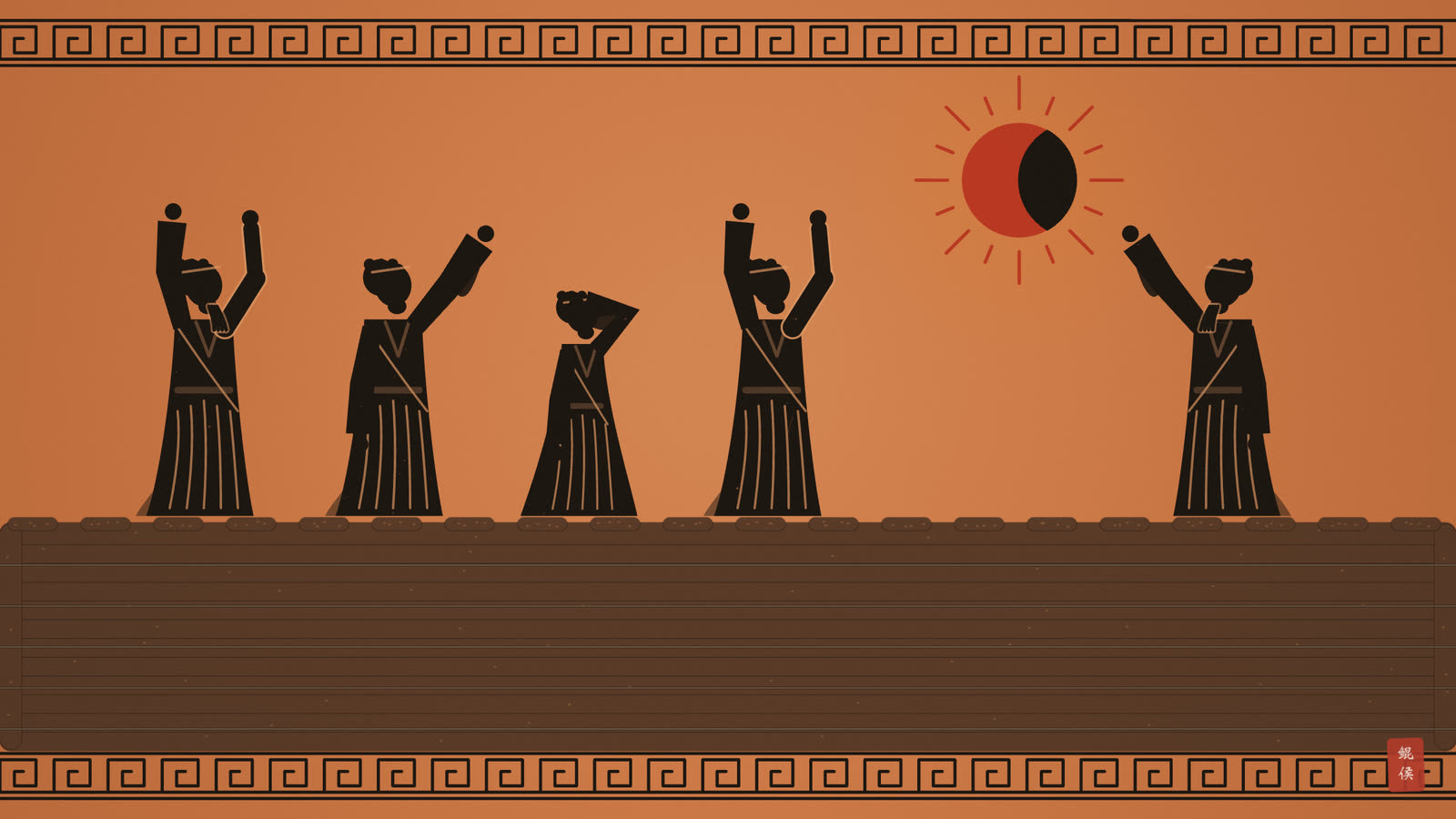
And now as touching the Eclipse of either of the Luminaries, you are to know it is only a privation of their light; that of the Sun is occasioned at the conjunction of the Luminaries (or more plainly at the change of the Moon) by the interposition of the body of the Moon betwixt the Sun and the Earth averting or turning his beams from us, and so the Sun becomes obscured or darkened for that time.
That of the Moon by the Diametrical interposition of the body of the Earth between the Sun and the Moon, thereby depriving her of the borrowed light she receiveth of the Sun, and this is ever upon the Opposition of the Luminaries, or vulgarly at the Full Moon; and truly this defect of the Luminaries would happen every change and full, did not the Moon sometime deviate from the Ecliptick line five degrees Northward, as also sometimes again as far South-ward, and therefore cannot so directly meet with the Conjunction and Opposition of the Sun who ever moveth in the Ecliptick line or just under it.
翻译点开
We are now to give the reason of the Eclipsing of both the Luminaries; but first I think it very requisite to set down some tokens of Earth-quakes to come, which are briefly six; the first is when the Sun is obscured and darkened without the presence of clouds or the body of the Moon; the second token that an Earth-quake is at hand, is when the Sun is as it were bloudy and coloured in such a strange manner; the third is when a fiery Pillar, or cloud like a pillar of fire, appears in the Heavens; the fourth is when the ayr is very quiet both at Land and Sea for a long continuance and winde absent; the fifth when waters are salt and troubled, and of another taste then usually and naturally they are; the sixth and last is when strange unaccustomed and unusual noises of exclamations of men, howlings, lamentations, and clatterings of armour are heard, and such sights seen in the Ayr.
我们现在要说明两光交食的道理;但我先认为很有必要写下地震将至的一些征兆,简而言之有六种;第一种是太阳在没有云、也没有月亮星体遮挡的情况下变得昏暗;地震临近的第二种征兆,是太阳仿佛带血、颜色那样奇异;第三种是天上出现火柱,或像火柱的云;第四种是空气在陆上海上都很平静,持续很久,没有风;第五种是水变咸、变浑,味道与平常本来的不同;第六种也是最后一种,是听到奇异、反常、不寻常的人的呼喊声、嚎叫、哀哭与盔甲的铿锵声,在空中看到这类景象。
And now as touching the Eclipse of either of the Luminaries, you are to know it is only a privation of their light; that of the Sun is occasioned at the conjunction of the Luminaries (or more plainly at the change of the Moon) by the interposition of the body of the Moon betwixt the Sun and the Earth averting or turning his beams from us, and so the Sun becomes obscured or darkened for that time.
现在关于两光中任一个的交食,你要知道那只是它们的光的缺失;日食发生在日月会合之时(说得更明白些,在新月之时),是月亮的星体插在太阳与地球之间,挡开或转开他射向我们的光线,于是太阳那时就变得昏暗。
That of the Moon by the Diametrical interposition of the body of the Earth between the Sun and the Moon, thereby depriving her of the borrowed light she receiveth of the Sun, and this is ever upon the Opposition of the Luminaries, or vulgarly at the Full Moon; and truly this defect of the Luminaries would happen every change and full, did not the Moon sometime deviate from the Ecliptick line five degrees Northward, as also sometimes again as far South-ward, and therefore cannot so directly meet with the Conjunction and Opposition of the Sun who ever moveth in the Ecliptick line or just under it.
月食则是地球的星体以直径方向插在太阳与月亮之间,因而剥夺了她从太阳借来的光,这总是在日月对冲之时,俗称满月之时;其实若不是月亮有时偏离黄道线向北五度,有时又同样向南偏这么远,因而不能正好遇上与太阳的会合与对冲,两光的这种亏缺本会在每次新月与满月时发生,而太阳总是在黄道线上、或正在它之下运行。
大意与图解点开
🔎 大意:地震六兆:无云日暗、日色如血、天现火柱、久无风、水咸而浑、空中异声。日食是月挡日,月食是地挡日光。
📖 术语
| 术语 | 英文原词 | 意思 |
|---|---|---|
| 交食 | Eclipse | 日食月食 |
| 缺失 | privation | 光被夺去 |
| 借来的光 | borrowed light | 月光来自太阳 |
| 黄道线 | Ecliptick line | 太阳所行之路 |
🧭 图解与讲解
在讲交食之前,拉姆齐插入地震的六种征兆(表一):无云而日暗,日色如血,天现火柱,空气久久无风,水变咸变浑,空中有异声异象。第四条与上一单元「地震是地中干蒸气所致」的说法相应:风的蒸气积在地中不出,所以地上无风。这些是古人之说,本站照译,不作现实预言。
〔图〕日食与月食
| 地震之兆 | 原书之说 |
|---|---|
| 第一 | 无云、也无月亮遮挡而太阳昏暗 |
| 第二 | 太阳仿佛带血,颜色奇异 |
| 第三 | 天上出现火柱或像火柱的云 |
| 第四 | 陆上海上空气久久平静无风 |
| 第五 | 水变咸、变浑,味道异常 |
| 第六 | 空中听到呼喊、哀哭、盔甲之声,见到异象 |
交食的解释(图一)与今日天文学一致:日食在朔,月亮挡在太阳与地球之间;月食在望,地球挡在太阳与月亮之间,月亮失去借自太阳的光。为什么不是每个朔望都有交食?因为月亮的轨道偏离黄道南北约五度,只有在交点附近会合或对冲才食。这正是前面各章常说的「龙头、龙尾」(月亮轨道与黄道的两个交点)。第三节至此结束,下一节专论交食的星占判断。
📖 术语
| 术语 | 英文原词 | 意思 |
|---|---|---|
| 交食 | Eclipse | 日食月食 |
| 缺失 | privation | 光被夺去 |
| 借来的光 | borrowed light | 月光来自太阳 |
| 黄道线 | Ecliptick line | 太阳所行之路 |
🧭 图解与讲解
在讲交食之前,拉姆齐插入地震的六种征兆(表一):无云而日暗,日色如血,天现火柱,空气久久无风,水变咸变浑,空中有异声异象。第四条与上一单元「地震是地中干蒸气所致」的说法相应:风的蒸气积在地中不出,所以地上无风。这些是古人之说,本站照译,不作现实预言。
| 地震之兆 | 原书之说 |
|---|---|
| 第一 | 无云、也无月亮遮挡而太阳昏暗 |
| 第二 | 太阳仿佛带血,颜色奇异 |
| 第三 | 天上出现火柱或像火柱的云 |
| 第四 | 陆上海上空气久久平静无风 |
| 第五 | 水变咸、变浑,味道异常 |
| 第六 | 空中听到呼喊、哀哭、盔甲之声,见到异象 |
交食的解释(图一)与今日天文学一致:日食在朔,月亮挡在太阳与地球之间;月食在望,地球挡在太阳与月亮之间,月亮失去借自太阳的光。为什么不是每个朔望都有交食?因为月亮的轨道偏离黄道南北约五度,只有在交点附近会合或对冲才食。这正是前面各章常说的「龙头、龙尾」(月亮轨道与黄道的两个交点)。第三节至此结束,下一节专论交食的星占判断。
原文为公有领域古籍;翻译、印象画与图文解读由 AI 辅助生成,鲲侯审校。