卷二·第四章 太阳及其所主
太阳居七曜之中如国王,群星各任其职;太阳的大小运行、为年主的吉凶、所主之人、体貌、宝石功效与尊贵年数。
CHAP. IV. Of the Nature and Significations of the SVN.
LEt us descend now unto the Sun. We are by Gods blessing come now to the Sun, which is successively next to be treated on; he is under Mars, placed in the midst of all the Planets, being the chief light and president of them all, sitting as a Judge or King amongst his Nobles; for as Saturn, Jupiter, and Mars is placed above his sphear, so are Venus, Mercury and Luna beneath him; wherefore some of the Antients have ascribed to him chief rule, and made him, as it were, an Emperor amongst the Stars.
Saturn is his Vice-roy, for that all Planets give unto him their light, or do homage and reverence unto him, by reason of his slowness.
Jupiter hath assigned him chief rule and dominion in the Realm, for that he is of a temperate, sober, good, honest and religious inclination.
Mars is his chief Captain, or General of all his Forces.
Venus is Receiver, or Master-Comptroller of his house, by reason she is nearer Sol then any other.
Mercury hath assigned him chief Secretary of State, by reason when the King goeth any Progress or Journey, he goeth; and when the King stayeth, so doth also Mercury, for he is never far from his beck.
Luna is his Standard-bearer, being furthest from him; she is also, as I may say, Embassador, Messenger, &c. to do his business.
The fixed Stars of several magnitudes, are Officers and Commanders under these; I mean those especially of the first, second and third magnitude; the other are only subjects, as it were, to the above-named, or equivalent to common people.
Wherefore then upon the meetings of these Superiors, are concluded the rise, subversion, confirmation, alteration, prosperity, scarcity, plenty, poverty, beginning and subversion of States, Kingdoms, Empires, Common-wealths, and what not? nay and the whole government of the Elements and this Elementary World, and all things and causes external and internal in them, as in a Councel or Senate, &c.
翻译点开
CHAP. IV. Of the Nature and Significations of the SVN.
第四章 论太阳的本性与所主。
LEt us descend now unto the Sun. We are by Gods blessing come now to the Sun, which is successively next to be treated on; he is under Mars, placed in the midst of all the Planets, being the chief light and president of them all, sitting as a Judge or King amongst his Nobles; for as Saturn, Jupiter, and Mars is placed above his sphear, so are Venus, Mercury and Luna beneath him; wherefore some of the Antients have ascribed to him chief rule, and made him, as it were, an Emperor amongst the Stars.
现在让我们下降到太阳。蒙神赐福,我们现在来到太阳,他依次是下一个要讲的;他在火星之下,位于众行星的正中,是首要的光,是它们全体的首领,像法官或国王坐在他的贵族中间;因为土星、木星和火星位于他的天球之上,金星、水星和月亮也同样在他之下;所以有些古人把首要的统治权归给他,把他当作群星中的皇帝一般。
Saturn is his Vice-roy, for that all Planets give unto him their light, or do homage and reverence unto him, by reason of his slowness.
土星是他的总督,因为众行星都把光给他,或向他致敬行礼,这是由于他行动迟缓。
Jupiter hath assigned him chief rule and dominion in the Realm, for that he is of a temperate, sober, good, honest and religious inclination.
木星被派给他国中的首要统治之权,因为他的禀性温和、清醒、善良、正直而虔敬。
Mars is his chief Captain, or General of all his Forces.
火星是他的首席将领,即他全军的统帅。
Venus is Receiver, or Master-Comptroller of his house, by reason she is nearer Sol then any other.
金星是他的收支官,即他宫中的总管,因为她比其他任何星都更靠近太阳。
Mercury hath assigned him chief Secretary of State, by reason when the King goeth any Progress or Journey, he goeth; and when the King stayeth, so doth also Mercury, for he is never far from his beck.
水星被派作他的首席国务秘书,因为国王出巡或远行时,他也去;国王停留时,水星也停留,因为他从不远离国王的召唤。
Luna is his Standard-bearer, being furthest from him; she is also, as I may say, Embassador, Messenger, &c. to do his business.
月亮是他的旗手,因为她离他最远;也可以说,她是他的使节、信使等等,替他办事。
The fixed Stars of several magnitudes, are Officers and Commanders under these; I mean those especially of the first, second and third magnitude; the other are only subjects, as it were, to the above-named, or equivalent to common people.
各种星等的恒星是这些星之下的官员和指挥;我指的尤其是一等、二等、三等的星;其余的只像是上面这些星的臣民,或相当于平民百姓。
Wherefore then upon the meetings of these Superiors, are concluded the rise, subversion, confirmation, alteration, prosperity, scarcity, plenty, poverty, beginning and subversion of States, Kingdoms, Empires, Common-wealths, and what not? nay and the whole government of the Elements and this Elementary World, and all things and causes external and internal in them, as in a Councel or Senate, &c.
因此,在这些上位者会合之时,国家、王国、帝国、共和国的兴起、倾覆、巩固、变更、繁荣、匮乏、丰足、贫困、开端与颠覆,还有什么不是在此议定的呢?不仅如此,连诸元素与这个元素世界的全部治理,以及其中一切内外的事物与原因,也都像在议会或元老院里一样在此议定,等等。
大意与图解点开
🔎 大意:太阳居七曜正中,如国王坐于贵族之间:土星为总督,木星掌国政,火星为统帅,金星为总管,水星为秘书,月亮为旗手,恒星为百官。
📖 术语
| 术语 | 英文原词 | 意思 |
|---|---|---|
| 总督 | Vice-roy | 代君治理的大臣 |
| 收支官 | Receiver | 掌管钱财出入 |
| 国务秘书 | Secretary of State | 掌机要文书 |
| 旗手 | Standard-bearer | 执掌军旗的人 |
| 元老院 | Senate | 古罗马的议事机构 |
🧭 图解与讲解
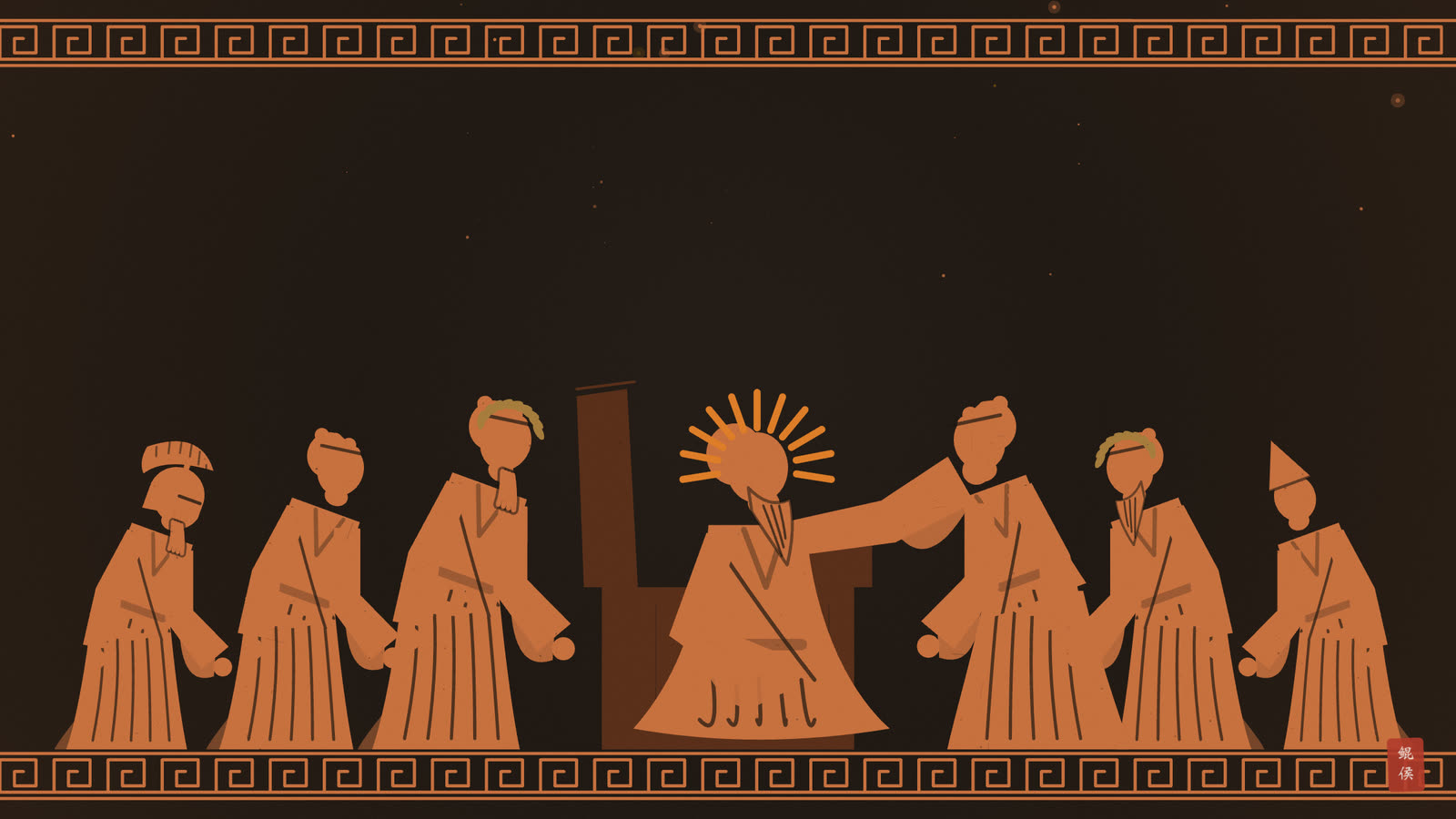
第四章讲太阳,拉姆齐先用一个比喻开场:太阳在七曜正中,土星、木星、火星在他之上,金星、水星、月亮在他之下(图二),就像国王坐在贵族中间,所以有些古人把他当作群星中的皇帝。这里的次序沿用托勒密以来的天球次序,不涉及当时已在流传的日心说。
〔图〕太阳是七曜之王,其余六星各任一职:职位都从各星的位置与本性推出
〔图〕七曜的高低次序:太阳居中,上三下三
六颗行星各任一职(图一),职位都有理由:土星行动最慢,众星都「向他致敬」,所以是总督;木星温和正直,掌国政;火星是统帅;金星离太阳近,是宫中总管;水星离太阳从不远,国王去哪他去哪,是秘书;月亮离得最远,是旗手与使节,替国王跑腿。恒星里一、二、三等星是官员,其余是百姓。
比喻的落脚点在第十行:这些「上位者」相会(即行星的会合)之时,国家的兴衰治乱都在此「议定」,就像在议会里一样。这是世运占星看大会合的根据,卷四会详讲。本站照录书中说法,不作现实预言。
📖 术语
| 术语 | 英文原词 | 意思 |
|---|---|---|
| 总督 | Vice-roy | 代君治理的大臣 |
| 收支官 | Receiver | 掌管钱财出入 |
| 国务秘书 | Secretary of State | 掌机要文书 |
| 旗手 | Standard-bearer | 执掌军旗的人 |
| 元老院 | Senate | 古罗马的议事机构 |
🧭 图解与讲解
第四章讲太阳,拉姆齐先用一个比喻开场:太阳在七曜正中,土星、木星、火星在他之上,金星、水星、月亮在他之下(图二),就像国王坐在贵族中间,所以有些古人把他当作群星中的皇帝。这里的次序沿用托勒密以来的天球次序,不涉及当时已在流传的日心说。
六颗行星各任一职(图一),职位都有理由:土星行动最慢,众星都「向他致敬」,所以是总督;木星温和正直,掌国政;火星是统帅;金星离太阳近,是宫中总管;水星离太阳从不远,国王去哪他去哪,是秘书;月亮离得最远,是旗手与使节,替国王跑腿。恒星里一、二、三等星是官员,其余是百姓。
比喻的落脚点在第十行:这些「上位者」相会(即行星的会合)之时,国家的兴衰治乱都在此「议定」,就像在议会里一样。这是世运占星看大会合的根据,卷四会详讲。本站照录书中说法,不作现实预言。
The Sun is so vulgarly known, that here to insist on his colour, complexion or light, were but vain; he is masculine, Diurnal, the fountain of life, &c.
He exceeds the earth in bigness according to Tycho 140 times, Ptolomie saith 166. times, and Copernicus 162.
He is by the estimation of Tycho distant from the earth, 1150. Semidiameters of the earth. Ptolomie saith, 1165. semidiameters; and Copernicus saith, 1142. semidiameters of the earth.
His mean motion is 59. m. 8. sec.
His Diurnal motion is sometimes 57. m. 16. s. never exceeding 59. m. 8 sec.
He finisheth his course through the 12. signs of the Zodiack in 365. days, and six hours or neer upon &c.
When he is well dignified, the King and Nobles shall exceed and increase in glory and renown; Corn, Beasts and Birds shall be plentifull; the people generally prosperous and successfull, and all things in a good condition, whereof the Sun hath any signification: All this is meant, if he be Lord of the year in any annual Revolution; but if he be weak, judge the contrary.
Emperours, Kings, Monarchs, Princes, Dukes, Marquesses, and indeed all Noble and High-born people, and in general all Gentlemen, and those that are in office or command of superiority in City, Town or Countrey; Coyners, Masters of the Mint, Goldsmiths, Spinners of Gold and Silver, and all such neat Trades, Silver and Gold-wyer-drawers, and the like.
Tyrants, Usurpers, Constables, Head-boroughs, and all such as bear any petty or usurped authority.
He is Author of magnanimity, state and majesty, heat, &c.
翻译点开
The Sun is so vulgarly known, that here to insist on his colour, complexion or light, were but vain; he is masculine, Diurnal, the fountain of life, &c.
太阳人人皆知,在这里细说他的颜色、气色或光芒,只是徒劳;他是阳性的、昼性的,是生命的泉源,等等。
He exceeds the earth in bigness according to Tycho 140 times, Ptolomie saith 166. times, and Copernicus 162.
照第谷,他比地球大一百四十倍,托勒密说一百六十六倍,哥白尼说一百六十二倍。
He is by the estimation of Tycho distant from the earth, 1150. Semidiameters of the earth. Ptolomie saith, 1165. semidiameters; and Copernicus saith, 1142. semidiameters of the earth.
照第谷的估计,他与地球的距离是地球半径的一千一百五十倍。托勒密说是一千一百六十五倍;哥白尼说是地球半径的一千一百四十二倍。
His mean motion is 59. m. 8. sec.
他的平均运行是五十九分八秒。
His Diurnal motion is sometimes 57. m. 16. s. never exceeding 59. m. 8 sec.
他的日行有时是五十七分十六秒,从不超过五十九分八秒。
He finisheth his course through the 12. signs of the Zodiack in 365. days, and six hours or neer upon &c.
他走完黄道十二星座要三百六十五天又六小时左右,等等。
When he is well dignified, the King and Nobles shall exceed and increase in glory and renown; Corn, Beasts and Birds shall be plentifull; the people generally prosperous and successfull, and all things in a good condition, whereof the Sun hath any signification: All this is meant, if he be Lord of the year in any annual Revolution; but if he be weak, judge the contrary.
当他尊贵良好时,国王与贵族的荣耀与声名会更加显赫增长;谷物、牲畜和禽鸟都会丰足;百姓普遍兴旺顺遂,凡太阳所主的一切都处境良好:这一切都是指他在某个年度回归中为年主的时候;但如果他弱,就判断相反。
Emperours, Kings, Monarchs, Princes, Dukes, Marquesses, and indeed all Noble and High-born people, and in general all Gentlemen, and those that are in office or command of superiority in City, Town or Countrey; Coyners, Masters of the Mint, Goldsmiths, Spinners of Gold and Silver, and all such neat Trades, Silver and Gold-wyer-drawers, and the like.
皇帝、国王、君主、亲王、公爵、侯爵,以及一切高贵出身的人,总之一切绅士,以及在城市、城镇或乡间任职或居于上位发号施令的人;铸币工、造币厂厂长、金匠、纺金银线的,以及一切这类精巧的行业,拉金银丝的,诸如此类。
Tyrants, Usurpers, Constables, Head-boroughs, and all such as bear any petty or usurped authority.
暴君、篡位者、治安官、里正,以及一切掌有小权或篡来权柄的人。
He is Author of magnanimity, state and majesty, heat, &c.
他是宽宏、威仪、庄严与热等等的来源。
大意与图解点开
🔎 大意:太阳阳性昼性,是生命之源,一年走完黄道。为年主而得力,王公荣显、物产丰足;所主是君王贵族与金匠,弱时是暴君小吏。
📖 术语
| 术语 | 英文原词 | 意思 |
|---|---|---|
| 生命的泉源 | fountain of life | 万物生机所出 |
| 里正 | Head-boroughs | 旧时乡里的小吏 |
| 治安官 | Constables | 地方治安之吏 |
| 宽宏 | magnanimity | 气度宏大 |
🧭 图解与讲解
太阳无须描述颜色,拉姆齐只点明他阳性、昼性,是生命的泉源。大小与距离这次列的是第谷、托勒密、哥白尼三家(表二),三家的距离都在一千一百多个地球半径,今天知道实际约两万三千个,古代的估计小了二十倍左右。平均日行五十九分八秒,一年即三百六十五天六小时左右走完黄道。
〔图〕太阳强时主君王贵族与金银之业,弱时主暴君与弄权小吏
| 项目 | 第谷 | 托勒密 | 哥白尼 |
|---|---|---|---|
| 大小(为地球的倍数) | 140 | 166 | 162 |
| 距地(地球半径的倍数) | 1150 | 1165 | 1142 |
太阳为年主而得力,国王与贵族荣耀增长,谷物牲畜丰足,百姓兴旺;弱则相反。所主之人顺着「国王」的比喻展开(图一):皇帝、国王、亲王、公爵、侯爵、一切绅士与在上位者,再加上与金银相关的精巧行业,如铸币工、造币厂厂长、金匠、纺金线拉金丝的。
太阳弱时,同样的「权」就变成僭越与小权:暴君、篡位者,以及治安官、里正这类掌一点小权的人。性情上他主宽宏、威仪、庄严与热。这与前几章「得力取好的一面、失势取坏的一面」是同一个写法。
📖 术语
| 术语 | 英文原词 | 意思 |
|---|---|---|
| 生命的泉源 | fountain of life | 万物生机所出 |
| 里正 | Head-boroughs | 旧时乡里的小吏 |
| 治安官 | Constables | 地方治安之吏 |
| 宽宏 | magnanimity | 气度宏大 |
🧭 图解与讲解
太阳无须描述颜色,拉姆齐只点明他阳性、昼性,是生命的泉源。大小与距离这次列的是第谷、托勒密、哥白尼三家(表二),三家的距离都在一千一百多个地球半径,今天知道实际约两万三千个,古代的估计小了二十倍左右。平均日行五十九分八秒,一年即三百六十五天六小时左右走完黄道。
| 项目 | 第谷 | 托勒密 | 哥白尼 |
|---|---|---|---|
| 大小(为地球的倍数) | 140 | 166 | 162 |
| 距地(地球半径的倍数) | 1150 | 1165 | 1142 |
太阳为年主而得力,国王与贵族荣耀增长,谷物牲畜丰足,百姓兴旺;弱则相反。所主之人顺着「国王」的比喻展开(图一):皇帝、国王、亲王、公爵、侯爵、一切绅士与在上位者,再加上与金银相关的精巧行业,如铸币工、造币厂厂长、金匠、纺金线拉金丝的。
太阳弱时,同样的「权」就变成僭越与小权:暴君、篡位者,以及治安官、里正这类掌一点小权的人。性情上他主宽宏、威仪、庄严与热。这与前几章「得力取好的一面、失势取坏的一面」是同一个写法。
One of no tall stature, but about the middle size, strong and portly, having a stately majestical gate, of a saffron-coloured complexion, or Sun-burnt, flaxonish, or light fair hair, somewhat crisping or curling; a large full hazle eye, a broad forehead, a very decent, hansom body throughout.
The Sun is not, nor cannot be said to be Oriental, or Occidental, otherwise then as he is in any Figure located near the East angle, or verging towards the West; for all other Planets are said to be Oriental, or Occidental, as in relation to the Sun, in that they rise before him, or set after him.
The Sun hath never any Latitude; for he ever moves forward in the Eccliptick.
Sowre and sharp savours.
Yellow.
In man, he ruleth the heart, brain and right eye; in women, the left eye.
Saffron, Pyony, Mary-gold, Balm, Ginger, Dittany, Sallendine, Vervine, which being gathered under its proper constellation, driveth away evil Spirits; and it is also used in prophesying; Pomcitron, Ambre, Rosemary, St. Johns-wort, Musk, Herb-grace, Rosa-Solis, Cinamon, Eye-bright, Cinquefoil, lignum Aloes, Barley, Lavender, Sweet Marjoram, Pepper, Frankinsense, Honey, Aromaticus, &c.
The Bay-tree, the Ash, Cedar, Ivie, the Vine, the Orange and Lemmon-tree.
The Phoenix, Swan, Cock, Hawk, Nightingal, Lark, the Buzzard, &c.
翻译点开
One of no tall stature, but about the middle size, strong and portly, having a stately majestical gate, of a saffron-coloured complexion, or Sun-burnt, flaxonish, or light fair hair, somewhat crisping or curling; a large full hazle eye, a broad forehead, a very decent, hansom body throughout.
一个身材不高、而是中等左右的人,强壮而仪表堂堂,步态庄严威武,肤色番红花色,或晒成棕色,头发亚麻色或浅金色,略带卷曲;榛色的大眼睛,饱满,额宽,通身非常端正好看。
The Sun is not, nor cannot be said to be Oriental, or Occidental, otherwise then as he is in any Figure located near the East angle, or verging towards the West; for all other Planets are said to be Oriental, or Occidental, as in relation to the Sun, in that they rise before him, or set after him.
太阳不是、也不能说是东出或西入,除非是就他在某张盘里位于东方角附近,或偏向西方而言;因为其他所有行星之所以称为东出或西入,都是相对于太阳而言,看它们先于他升起,还是在他之后落下。
The Sun hath never any Latitude; for he ever moves forward in the Eccliptick.
太阳从来没有纬度;因为他始终在黄道上前行。
Sowre and sharp savours.
酸而辛的味道。
Yellow.
黄色。
In man, he ruleth the heart, brain and right eye; in women, the left eye.
在男人身上,他主心、脑和右眼;在女人身上主左眼。
Saffron, Pyony, Mary-gold, Balm, Ginger, Dittany, Sallendine, Vervine, which being gathered under its proper constellation, driveth away evil Spirits; and it is also used in prophesying; Pomcitron, Ambre, Rosemary, St. Johns-wort, Musk, Herb-grace, Rosa-Solis, Cinamon, Eye-bright, Cinquefoil, lignum Aloes, Barley, Lavender, Sweet Marjoram, Pepper, Frankinsense, Honey, Aromaticus, &c.
番红花、芍药、金盏花、香蜂草、姜、白鲜、白屈菜、马鞭草——在它相应的星象下采集,能驱走邪灵,也用于预言;香橼、琥珀、迷迭香、圣约翰草、麝香、芸香、茅膏菜、肉桂、小米草、委陵菜、沉香木、大麦、薰衣草、甜马郁兰、胡椒、乳香、蜂蜜、菖蒲,等等。
The Bay-tree, the Ash, Cedar, Ivie, the Vine, the Orange and Lemmon-tree.
月桂树、白蜡树、雪松、常春藤、葡萄藤、橙树和柠檬树。
The Phoenix, Swan, Cock, Hawk, Nightingal, Lark, the Buzzard, &c.
凤凰、天鹅、公鸡、鹰、夜莺、云雀、鵟,等等。
大意与图解点开
🔎 大意:太阳主中等身材、强壮威仪、大眼宽额;他无所谓东出西入,也没有纬度。味酸辛,色黄,主心脑与男右眼女左眼;草木芳香温热。
📖 术语
| 术语 | 英文原词 | 意思 |
|---|---|---|
| 东方角 | East angle | 上升点一带 |
| 黄道 | Eccliptick | 太阳每年所行之道 |
| 马鞭草 | Vervine | 旧时用于祭祀的草 |
| 凤凰 | Phoenix | 传说浴火重生的鸟 |
🧭 图解与讲解
太阳所主的人中等身材,强壮而有威仪,步态庄严,肤色番红花色或晒成棕色,头发浅金略卷,大眼宽额,通身端正(表一)。与前几颗星不同,这里没有东出西入的分别,拉姆齐专门解释了原因(图二):其他行星的东出西入都是以太阳为准,看它比太阳先升还是后落;太阳不能以自己为准,最多只能说他在某张盘里靠近东方角或偏向西方。
| 类别 | 原书所列(摘要) | 共同之处 |
|---|---|---|
| 体貌 | 中等身材,强壮堂堂,步态威武;番红花色或晒棕;发浅金略卷;榛色大眼,额宽 | 威仪、温热 |
| 味道、颜色 | 酸而辛;黄色 | 辛热 |
| 人身 | 心、脑;男子右眼,女子左眼 | 主宰、光明 |
| 草药 | 番红花、芍药、金盏花、香蜂草、姜、白屈菜、马鞭草、迷迭香、肉桂、沉香、乳香、蜂蜜…… | 芳香、温热、色金 |
| 树木 | 月桂、白蜡、雪松、常春藤、葡萄、橙、柠檬 | 常绿、向阳 |
| 禽鸟 | 凤凰、天鹅、公鸡、鹰、夜莺、云雀、鵟 | 高贵、报晓、向阳 |
〔图〕别的行星以太阳定东出西入,太阳自己只能以盘中东西方位而论
同理,太阳没有纬度:黄道就是太阳每年所行的路线,纬度是离开黄道的南北距离,太阳自然永远是零。味道酸而辛,颜色黄;在人身上主心与脑,又主男子的右眼、女子的左眼,后面月亮一章正好反过来。
草药多是芳香温热或色如金的:番红花、金盏花、肉桂、乳香、蜂蜜。马鞭草一条带着当时的民间信仰:在相应的星象下采集,可以驱邪,也用于预言,照译不加评论。禽鸟里有凤凰、公鸡、鹰、云雀,多与太阳、报晓、高飞相关。
📖 术语
| 术语 | 英文原词 | 意思 |
|---|---|---|
| 东方角 | East angle | 上升点一带 |
| 黄道 | Eccliptick | 太阳每年所行之道 |
| 马鞭草 | Vervine | 旧时用于祭祀的草 |
| 凤凰 | Phoenix | 传说浴火重生的鸟 |
🧭 图解与讲解
太阳所主的人中等身材,强壮而有威仪,步态庄严,肤色番红花色或晒成棕色,头发浅金略卷,大眼宽额,通身端正(表一)。与前几颗星不同,这里没有东出西入的分别,拉姆齐专门解释了原因(图二):其他行星的东出西入都是以太阳为准,看它比太阳先升还是后落;太阳不能以自己为准,最多只能说他在某张盘里靠近东方角或偏向西方。
| 类别 | 原书所列(摘要) | 共同之处 |
|---|---|---|
| 体貌 | 中等身材,强壮堂堂,步态威武;番红花色或晒棕;发浅金略卷;榛色大眼,额宽 | 威仪、温热 |
| 味道、颜色 | 酸而辛;黄色 | 辛热 |
| 人身 | 心、脑;男子右眼,女子左眼 | 主宰、光明 |
| 草药 | 番红花、芍药、金盏花、香蜂草、姜、白屈菜、马鞭草、迷迭香、肉桂、沉香、乳香、蜂蜜…… | 芳香、温热、色金 |
| 树木 | 月桂、白蜡、雪松、常春藤、葡萄、橙、柠檬 | 常绿、向阳 |
| 禽鸟 | 凤凰、天鹅、公鸡、鹰、夜莺、云雀、鵟 | 高贵、报晓、向阳 |
同理,太阳没有纬度:黄道就是太阳每年所行的路线,纬度是离开黄道的南北距离,太阳自然永远是零。味道酸而辛,颜色黄;在人身上主心与脑,又主男子的右眼、女子的左眼,后面月亮一章正好反过来。
草药多是芳香温热或色如金的:番红花、金盏花、肉桂、乳香、蜂蜜。马鞭草一条带着当时的民间信仰:在相应的星象下采集,可以驱邪,也用于预言,照译不加评论。禽鸟里有凤凰、公鸡、鹰、云雀,多与太阳、报晓、高飞相关。
Aetites, the stone called the eye of the Sun, because it is like the apple of the eye in form, the Carbuncle, the Chrysolite, the stone called Iris, the stone Heliotropion, the Hyacinth, the stone Pyroyphylus, the stone Pantauras, Pantherus or Pantochras, in the Scripture it is called Evanthum; the Topaz, Rubie, Diamond.
The learned and most famous Cornelius Agrippa, Lib. 1. Chap. 23. of his Occulta Philosophia saith, that Albertus Magnus and William of Paris gave to these stones these vertues as followeth.
Aetites, or the stone that is found in the Eagles Nest, cureth the Falling-sickness, and poysons.
The eye of the Sun, is singular good for comforting the brain, and strengthening the eye-sight.
The Carbuncle, is of great vertue against Aëry and vapourous poyson.
The Chrysolite, is of marvellous operation, in preserving the Lungs, and helpeth much those that are Asthmatical; and if it be bored through and filled with the Mane of an Asse, and bound to the left arm, it driveth away idle imaginations, melancholy fears and foolishness.
The Iris, it is like the Chrystal in colour, it commonly having six Corners; it being part held in the shadow and part in the rays or beams of the Sun, it gathereth the rays of the Sun into it self, and reflecteth them again in the form of a Rainbow.
The Heliotropion, is in colour green like a Jasper, speckled with red; this causeth the bearer to be constant, renowned, famous, and conduceth to long life; it is said to turn the beams of the Sun into the colour of blood, viz. when it is joyned to the juice of the herb of the same name and put into water, it dazleth the sight so much that the bearer can hardly see it by the help of the aforesaid herb.
The Hyacinth, is good against poyson and pestiferous vapours; it keepeth the bearer safe and acceptable; it conduceth also to riches and wit; it strengthens the heart, being held in the mouth, and wonderfully cheereth the minde.
The Pyrophilus as Aesculapius maketh mention, There is a certain poison so very cold, which preserves the heart of man (being taken out) from burning, so that if for any time it be put into the fire, it is turned into a stone; whence it is called Pyrophilus from the fire.
It is marvellously efficacious against poyson, and it makes the bearer renowed and dreadfull to his enemies.
The Pantaura is of that sympathetical vertue that it draweth other stones to it as a load-stone doth iron; admirable against Poysons.
翻译点开
Aetites, the stone called the eye of the Sun, because it is like the apple of the eye in form, the Carbuncle, the Chrysolite, the stone called Iris, the stone Heliotropion, the Hyacinth, the stone Pyroyphylus, the stone Pantauras, Pantherus or Pantochras, in the Scripture it is called Evanthum; the Topaz, Rubie, Diamond.
鹰石;称为「太阳之眼」的石头,因为它形状像眼珠;红玉;贵橄榄石;称为「虹石」的石头;日光石;风信子石;火爱石;潘陶拉石,又名潘特鲁斯石或潘托克拉斯石,在经文里称为伊万图姆;黄玉、红宝石、钻石。
The learned and most famous Cornelius Agrippa, Lib. 1. Chap. 23. of his Occulta Philosophia saith, that Albertus Magnus and William of Paris gave to these stones these vertues as followeth.
博学而极负盛名的科尼利厄斯·阿格里帕在他的《神秘哲学》第一卷第二十三章说,大阿尔伯特和巴黎的威廉赋予这些石头如下的功效。
Aetites, or the stone that is found in the Eagles Nest, cureth the Falling-sickness, and poysons.
鹰石,即在鹰巢里找到的那种石头,能治癫痫和毒。
The eye of the Sun, is singular good for comforting the brain, and strengthening the eye-sight.
太阳之眼对安舒头脑、增强视力特别好。
The Carbuncle, is of great vertue against Aëry and vapourous poyson.
红玉对空气中与蒸气中的毒有很大的效力。
The Chrysolite, is of marvellous operation, in preserving the Lungs, and helpeth much those that are Asthmatical; and if it be bored through and filled with the Mane of an Asse, and bound to the left arm, it driveth away idle imaginations, melancholy fears and foolishness.
贵橄榄石在保养肺部上有神奇的作用,对哮喘的人大有帮助;如果把它钻穿,塞进驴的鬃毛,绑在左臂上,能驱走妄想、忧郁的恐惧和愚蠢。
The Iris, it is like the Chrystal in colour, it commonly having six Corners; it being part held in the shadow and part in the rays or beams of the Sun, it gathereth the rays of the Sun into it self, and reflecteth them again in the form of a Rainbow.
虹石的颜色像水晶,通常有六个角;把它一部分放在阴影里、一部分放在阳光下,它就把太阳的光线聚到自身,再以彩虹的形状反射出来。
The Heliotropion, is in colour green like a Jasper, speckled with red; this causeth the bearer to be constant, renowned, famous, and conduceth to long life; it is said to turn the beams of the Sun into the colour of blood, viz. when it is joyned to the juice of the herb of the same name and put into water, it dazleth the sight so much that the bearer can hardly see it by the help of the aforesaid herb.
日光石颜色绿如碧玉,带红色斑点;它使佩带的人坚定、有声望、受称颂,并有助于长寿;据说它能把阳光变成血的颜色,即把它与同名草药的汁液合在一起放进水里时;它使人目眩到这种地步,以致借着上述草药之助,佩带的人几乎看不见它。
The Hyacinth, is good against poyson and pestiferous vapours; it keepeth the bearer safe and acceptable; it conduceth also to riches and wit; it strengthens the heart, being held in the mouth, and wonderfully cheereth the minde.
风信子石能抵御毒与瘟气;它使佩带者平安、受人欢迎;也有助于财富和才智;含在口中能强心,令心情大为欢畅。
The Pyrophilus as Aesculapius maketh mention, There is a certain poison so very cold, which preserves the heart of man (being taken out) from burning, so that if for any time it be put into the fire, it is turned into a stone; whence it is called Pyrophilus from the fire.
火爱石,如埃斯库拉庇乌斯所提到的:有一种极寒的毒,能保护人的心(取出之后)不被烧毁,所以若把它放进火里一段时间,它就变成石头;因此它从火得名,叫作火爱石。
It is marvellously efficacious against poyson, and it makes the bearer renowed and dreadfull to his enemies.
它对毒有神奇的功效,使佩带者声名远扬,令敌人畏惧。
The Pantaura is of that sympathetical vertue that it draweth other stones to it as a load-stone doth iron; admirable against Poysons.
潘陶拉石有一种相感的效力,能像磁石吸铁那样把别的石头吸向自己;抗毒极佳。
大意与图解点开
🔎 大意:太阳主鹰石、太阳之眼、红玉、贵橄榄石、虹石、日光石、风信子石、火爱石、潘陶拉石等;拉姆齐转引阿格里帕所记诸石的功效。
📖 术语
| 术语 | 英文原词 | 意思 |
|---|---|---|
| 鹰石 | Aetites | 鹰巢中的空心石 |
| 贵橄榄石 | Chrysolite | 黄绿色宝石 |
| 日光石 | Heliotropion | 绿底红斑的石 |
| 火爱石 | Pyrophilus | 传说毒心所化之石 |
| 相感 | sympathetical | 同类相吸的感应 |
🧭 图解与讲解
太阳所主的宝石,拉姆齐一口气列了十几种,并转引阿格里帕《神秘哲学》第一卷第二十三章,说大阿尔伯特和巴黎的威廉记下了它们的功效(图二)。这些都是文艺复兴时期「自然魔法」的说法:同类之物彼此感应,属太阳的石头便带有太阳强心、明目、辟毒的力量。
| 宝石 | 原书所记功效(阿格里帕转引大阿尔伯特、巴黎的威廉) |
|---|---|
| 鹰石(鹰巢中得) | 治癫痫与毒 |
| 太阳之眼 | 安舒头脑,增强视力 |
| 红玉 | 抵御空气与蒸气中的毒 |
| 贵橄榄石 | 保养肺,助哮喘;钻穿塞驴鬃绑左臂,驱妄想、忧惧、愚蠢 |
| 虹石 | 色如水晶,六角;半阴半阳时聚日光,反射成彩虹 |
| 日光石 | 绿如碧玉带红斑;使人坚定有声望、长寿;合同名草汁入水,日光变血色 |
| 风信子石 | 抵御毒与瘟气;平安、受欢迎、助财富才智;含口中强心 |
| 火爱石 | 极寒之毒护住人心不焚,入火化石;抗毒,使人有名、令敌畏惧 |
| 潘陶拉石 | 如磁石吸铁般吸引别的石;抗毒极佳 |
〔图〕拉姆齐的转引链:宝石功效之说层层转述而来
表一照原书逐条列出:鹰石治癫痫,太阳之眼明目,红玉抵御毒气,贵橄榄石护肺并驱忧惧,虹石能把阳光反射成彩虹,日光石使人坚定长寿,风信子石强心,火爱石抗毒,潘陶拉石像磁石一样吸引别的石头。这些是古人之说,本站照录,不作医疗或养生建议。
石名多是希腊、拉丁古名:鹰石即传说中在鹰巢里找到的空心石;日光石原名意为「随太阳转」;火爱石原名意为「爱火」,拉姆齐转述它的来历说,是一种极寒之毒护住人心不被火烧,久在火中便化为石头。潘陶拉石的几个别名照原书音译。
📖 术语
| 术语 | 英文原词 | 意思 |
|---|---|---|
| 鹰石 | Aetites | 鹰巢中的空心石 |
| 贵橄榄石 | Chrysolite | 黄绿色宝石 |
| 日光石 | Heliotropion | 绿底红斑的石 |
| 火爱石 | Pyrophilus | 传说毒心所化之石 |
| 相感 | sympathetical | 同类相吸的感应 |
🧭 图解与讲解
太阳所主的宝石,拉姆齐一口气列了十几种,并转引阿格里帕《神秘哲学》第一卷第二十三章,说大阿尔伯特和巴黎的威廉记下了它们的功效(图二)。这些都是文艺复兴时期「自然魔法」的说法:同类之物彼此感应,属太阳的石头便带有太阳强心、明目、辟毒的力量。
| 宝石 | 原书所记功效(阿格里帕转引大阿尔伯特、巴黎的威廉) |
|---|---|
| 鹰石(鹰巢中得) | 治癫痫与毒 |
| 太阳之眼 | 安舒头脑,增强视力 |
| 红玉 | 抵御空气与蒸气中的毒 |
| 贵橄榄石 | 保养肺,助哮喘;钻穿塞驴鬃绑左臂,驱妄想、忧惧、愚蠢 |
| 虹石 | 色如水晶,六角;半阴半阳时聚日光,反射成彩虹 |
| 日光石 | 绿如碧玉带红斑;使人坚定有声望、长寿;合同名草汁入水,日光变血色 |
| 风信子石 | 抵御毒与瘟气;平安、受欢迎、助财富才智;含口中强心 |
| 火爱石 | 极寒之毒护住人心不焚,入火化石;抗毒,使人有名、令敌畏惧 |
| 潘陶拉石 | 如磁石吸铁般吸引别的石;抗毒极佳 |
表一照原书逐条列出:鹰石治癫痫,太阳之眼明目,红玉抵御毒气,贵橄榄石护肺并驱忧惧,虹石能把阳光反射成彩虹,日光石使人坚定长寿,风信子石强心,火爱石抗毒,潘陶拉石像磁石一样吸引别的石头。这些是古人之说,本站照录,不作医疗或养生建议。
石名多是希腊、拉丁古名:鹰石即传说中在鹰巢里找到的空心石;日光石原名意为「随太阳转」;火爱石原名意为「爱火」,拉姆齐转述它的来历说,是一种极寒之毒护住人心不被火烧,久在火中便化为石头。潘陶拉石的几个别名照原书音译。
I know there are many good wits in this Nation that have not the least faith in these matters concerning the vertues of stones, and indeed of the whole scope of these my writings; yet they must pardon me if I will not conclude as the vulgar and illiterate in such mysteries do; for I have learned this modest lesson (which I could wish were also imprinted in their brests) Not to condemn what I am ignorant of; for of all things (in my opinion) there can be none so ridiculous as for a man to dislike, contradict, gainsay or condemn what he is ignorant of: if thou hast no belief in these matters; yet mayst thou benefit thy self thereby; it is but thy pains in trying the conclusions; if they fail, then mayst thou on good ground condemn them; if they hit, thou reapest hereby a double benefit, knowledge and experience; wherefore by the way I thought good to hint at this, that thou mayest not persist in thy ill conceit of this Heavenly Art of the Judgment of the stars, or Astrology, since thou mayst let it alone till thou beest urged by any Artist to have any esteem thereof, though never so slight: but to our business in hand.
Of Mettals or Minerals, the Sun ruled gold.
The Sea-Calf, whose Nature is to resist lightning, Shel-fish, the Star-fish for her parching heat, and the fishes called Strombi that follow their King, and Margari which have a King also; these Margari being dryed, are fixed into a stone of a golden colour, as witnesseth Cornelius Agrippa.
All such Beasts as are stately, bold, strong and invicible, as the Lion, Crocodile, Wolf, Ram, Boar, Bull, Horse, and Baboon, of the which it is Recorded, that he barketh every hour in the day, viz. twelve times in a day, and that in the Equinoctial times of the year he pisseth twelve times, viz, every hour, also as often in the night Gesner on Beasts, pag. 10. Whence the Egyptians (as Cornelius Agrippa and others, Lib. 1. cap. 23. de Occult. Philos. relate) did use to engrave them on their Fountains.
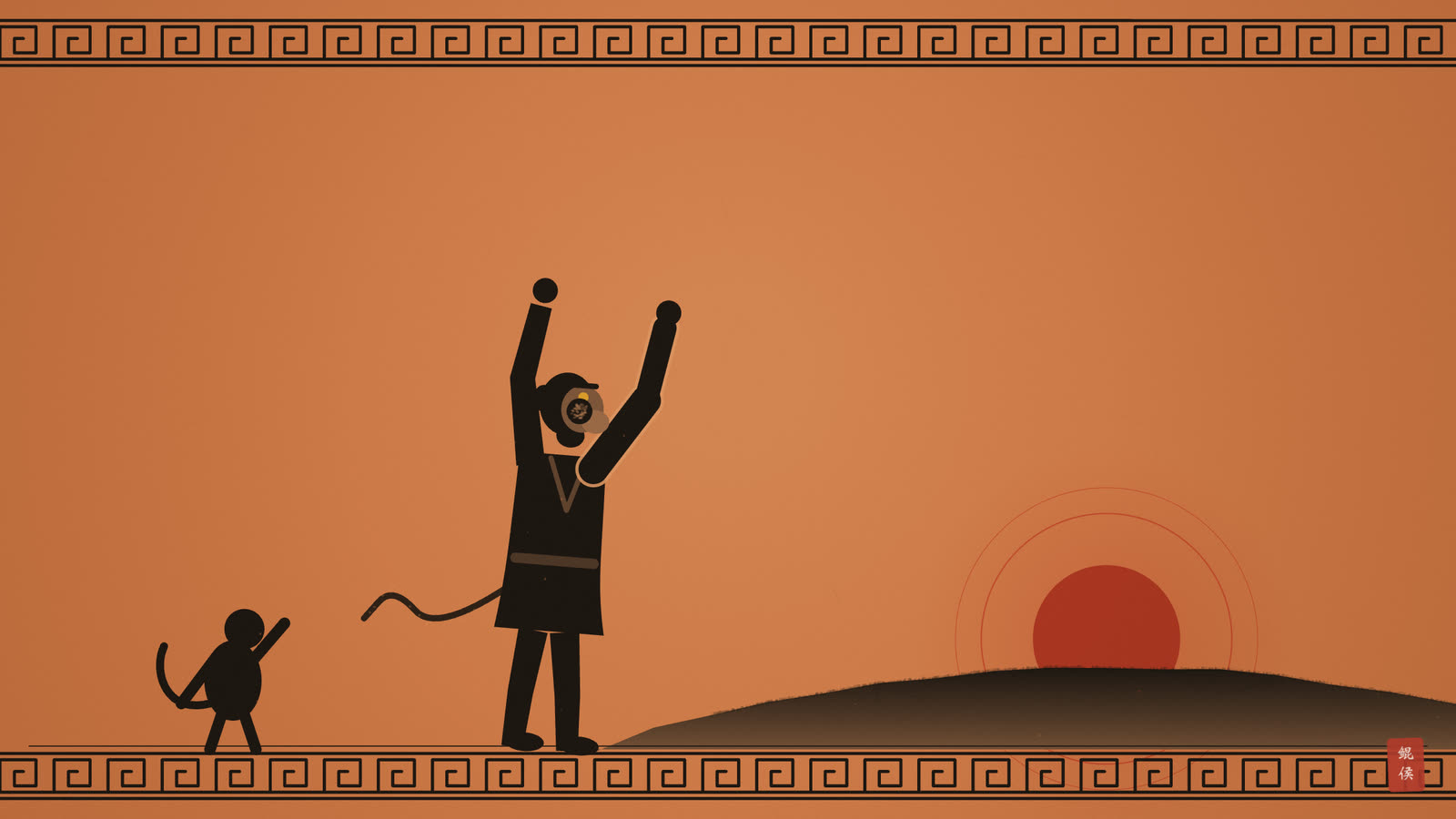
Moreover the Aegyptians did use to preserve them amongst their hollowed things; for that by them they knew the time of the Conjunction of Sol and Luna, (see Gesner of Beasts pag. 10.) for after the aforesaid Conjunction, the Male Baboon will neither look up nor eat, but goes still dejected, as it were lamenting the ravishment of the Moon, with this disdainfull passion; in like manner the Female at that time sendeth forth blood out of her womb of Conception; for which cause the Egyptians signifie by a Baboon the Moon, and her rising by his standing upright, holding his hands up toward heaven.
He causeth Weather according to the Season, &c. of the which more hereafter.
Princes Palaces, Courts, Houses, all magnificent Buildings, Halls, Dining-rooms, Parlers, &c.
He loveth and delighteth in the East part of the World, and Eastern Winds.
翻译点开
I know there are many good wits in this Nation that have not the least faith in these matters concerning the vertues of stones, and indeed of the whole scope of these my writings; yet they must pardon me if I will not conclude as the vulgar and illiterate in such mysteries do; for I have learned this modest lesson (which I could wish were also imprinted in their brests) Not to condemn what I am ignorant of; for of all things (in my opinion) there can be none so ridiculous as for a man to dislike, contradict, gainsay or condemn what he is ignorant of: if thou hast no belief in these matters; yet mayst thou benefit thy self thereby; it is but thy pains in trying the conclusions; if they fail, then mayst thou on good ground condemn them; if they hit, thou reapest hereby a double benefit, knowledge and experience; wherefore by the way I thought good to hint at this, that thou mayest not persist in thy ill conceit of this Heavenly Art of the Judgment of the stars, or Astrology, since thou mayst let it alone till thou beest urged by any Artist to have any esteem thereof, though never so slight: but to our business in hand.
我知道,这个国家有许多聪明才智之士,对这些关于石头功效的事毫不相信,其实对我这些著作的全部宗旨也不信;可是他们得原谅我,我不愿像那些对这类奥秘一无所知的凡俗无学之人那样下结论;因为我学到了一个谦逊的教训(我但愿它也印在他们心上):不要谴责自己所不懂的东西;因为在我看来,天下没有什么比一个人厌恶、反驳、否认或谴责他所不懂的东西更可笑的了:如果你不相信这些事,你还是可以从中得益;不过是费点工夫去验证这些结论;如果不灵,你就可以有充分的理由谴责它们;如果灵验,你就从中收获双重的益处,即知识和经验;所以我觉得不妨顺便提一下这一点,好让你不至于对这门判断星辰的天上之术即占星学,固执你的成见,因为你尽可以不去理会它,直到有哪位术士劝你对它有所重视,哪怕只是一点点:言归正传吧。
Of Mettals or Minerals, the Sun ruled gold.
金属或矿物中,太阳主黄金。
The Sea-Calf, whose Nature is to resist lightning, Shel-fish, the Star-fish for her parching heat, and the fishes called Strombi that follow their King, and Margari which have a King also; these Margari being dryed, are fixed into a stone of a golden colour, as witnesseth Cornelius Agrippa.
海豹,其本性能抵御雷电;贝类;海星,因为它灼热;被称为「螺」的鱼,它们跟随自己的王;还有珍珠贝,它们也有王;这些珍珠贝晒干后凝成金色的石头,科尼利厄斯·阿格里帕可以作证。
All such Beasts as are stately, bold, strong and invicible, as the Lion, Crocodile, Wolf, Ram, Boar, Bull, Horse, and Baboon, of the which it is Recorded, that he barketh every hour in the day, viz. twelve times in a day, and that in the Equinoctial times of the year he pisseth twelve times, viz, every hour, also as often in the night Gesner on Beasts, pag. 10. Whence the Egyptians (as Cornelius Agrippa and others, Lib. 1. cap. 23. de Occult. Philos. relate) did use to engrave them on their Fountains.
一切威武、勇猛、强壮、不可战胜的兽类,如狮子、鳄鱼、狼、公羊、野猪、公牛、马,以及狒狒——据记载,它在白天每个时辰叫一次,即一天十二次,而在一年的分点时节,它每个时辰撒一次尿,即一天十二次,夜里也同样多次(格斯纳《动物志》第十页)。所以埃及人(如科尼利厄斯·阿格里帕等人在《神秘哲学》第一卷第二十三章所述)常把它们刻在泉池上。
Moreover the Aegyptians did use to preserve them amongst their hollowed things; for that by them they knew the time of the Conjunction of Sol and Luna, (see Gesner of Beasts pag. 10.) for after the aforesaid Conjunction, the Male Baboon will neither look up nor eat, but goes still dejected, as it were lamenting the ravishment of the Moon, with this disdainfull passion; in like manner the Female at that time sendeth forth blood out of her womb of Conception; for which cause the Egyptians signifie by a Baboon the Moon, and her rising by his standing upright, holding his hands up toward heaven.
此外,埃及人常把它们保存在神圣之物中间;因为借着它们,他们能知道日月会合的时刻(见格斯纳《动物志》第十页);因为在上述会合之后,公狒狒既不抬头也不进食,而是一直垂头丧气,仿佛带着这种愤愤的激情在哀悼月亮被夺走;同样,母狒狒在那时会从子宫流出血来;所以埃及人用狒狒来表示月亮,用它直立、双手举向天空来表示月亮的升起。
He causeth Weather according to the Season, &c. of the which more hereafter.
他按季节造成天气,等等,这一点以后再讲。
Princes Palaces, Courts, Houses, all magnificent Buildings, Halls, Dining-rooms, Parlers, &c.
君王的宫殿、朝廷、府邸、一切宏伟的建筑、大厅、餐厅、客厅,等等。
He loveth and delighteth in the East part of the World, and Eastern Winds.
他爱好并喜欢世界的东方,以及东风。
大意与图解点开
🔎 大意:拉姆齐劝不信者先试验再下结论。太阳主黄金;鱼有海豹、珍珠贝;兽有狮、马与狒狒,埃及人以狒狒知日月会合;处所是宫殿。
📖 术语
| 术语 | 英文原词 | 意思 |
|---|---|---|
| 术士 | Artist | 此指星占家 |
| 分点时节 | Equinoctial times | 春分秋分前后 |
| 珍珠贝 | Margari | 产珍珠的贝 |
| 螺 | Strombi | 海螺一类 |
| 格斯纳 | Gesner | 瑞士博物学家 |
🧭 图解与讲解
讲完宝石,拉姆齐停下来回应怀疑者(图一):许多聪明人不信宝石的功效,甚至不信他整部书的宗旨;他说自己学到一个谦逊的教训,就是不懂的东西不要先谴责。不信也无妨,去试一试:不灵,就有理由谴责;灵验,就得到知识与经验的双重益处。他把这番话推到占星学本身:不信的人尽可以不理会,但不要固执成见。
〔图〕拉姆齐对怀疑者的劝告:不懂就不要先谴责,试过再下结论
| 类别 | 原书所列(摘要) | 共同之处 |
|---|---|---|
| 金属 | 黄金 | 色如太阳 |
| 鱼 | 海豹(能抵御雷电)、贝类、海星(灼热)、螺(随其王)、珍珠贝(有王,晒干成金色石) | 有王、灼热、金色 |
| 兽 | 狮子、鳄鱼、狼、公羊、野猪、公牛、马、狒狒 | 威武、勇猛、不可战胜 |
| 天气 | 按季节而定 | — |
| 处所 | 宫殿、朝廷、府邸、宏伟建筑、大厅、餐厅、客厅 | 王者之居 |
| 方位、风 | 东方;东风 | 日出之方 |
接着回到类象(表二)。太阳主黄金;鱼类里列了海豹、海星、螺与珍珠贝,理由多是「有王」或「灼热」,又转引阿格里帕说珍珠贝晒干会凝成金色的石头。兽类是狮子、马、公牛这类威武不可战胜的,还有狒狒。
狒狒一条最长:格斯纳《动物志》说狒狒白天每个时辰叫一次,分点时节每个时辰撒一次尿,埃及人因此把它刻在泉池上计时;又说日月会合后公狒狒垂头不食,像在哀悼月亮,所以埃及人以狒狒象征月亮。这些都是转述古书的传说,照译不加评论;卷二第七章月亮的兽类里,拉姆齐还会回头提到这一段。处所是宫殿朝廷,方位主东方与东风。
📖 术语
| 术语 | 英文原词 | 意思 |
|---|---|---|
| 术士 | Artist | 此指星占家 |
| 分点时节 | Equinoctial times | 春分秋分前后 |
| 珍珠贝 | Margari | 产珍珠的贝 |
| 螺 | Strombi | 海螺一类 |
| 格斯纳 | Gesner | 瑞士博物学家 |
🧭 图解与讲解
讲完宝石,拉姆齐停下来回应怀疑者(图一):许多聪明人不信宝石的功效,甚至不信他整部书的宗旨;他说自己学到一个谦逊的教训,就是不懂的东西不要先谴责。不信也无妨,去试一试:不灵,就有理由谴责;灵验,就得到知识与经验的双重益处。他把这番话推到占星学本身:不信的人尽可以不理会,但不要固执成见。
| 类别 | 原书所列(摘要) | 共同之处 |
|---|---|---|
| 金属 | 黄金 | 色如太阳 |
| 鱼 | 海豹(能抵御雷电)、贝类、海星(灼热)、螺(随其王)、珍珠贝(有王,晒干成金色石) | 有王、灼热、金色 |
| 兽 | 狮子、鳄鱼、狼、公羊、野猪、公牛、马、狒狒 | 威武、勇猛、不可战胜 |
| 天气 | 按季节而定 | — |
| 处所 | 宫殿、朝廷、府邸、宏伟建筑、大厅、餐厅、客厅 | 王者之居 |
| 方位、风 | 东方;东风 | 日出之方 |
接着回到类象(表二)。太阳主黄金;鱼类里列了海豹、海星、螺与珍珠贝,理由多是「有王」或「灼热」,又转引阿格里帕说珍珠贝晒干会凝成金色的石头。兽类是狮子、马、公牛这类威武不可战胜的,还有狒狒。
狒狒一条最长:格斯纳《动物志》说狒狒白天每个时辰叫一次,分点时节每个时辰撒一次尿,埃及人因此把它刻在泉池上计时;又说日月会合后公狒狒垂头不食,像在哀悼月亮,所以埃及人以狒狒象征月亮。这些都是转述古书的传说,照译不加评论;卷二第七章月亮的兽类里,拉姆齐还会回头提到这一段。处所是宫殿朝廷,方位主东方与东风。
Of the Coelestial signs, he ruleth for his house only Leo.
He ruleth by day the fiery Triplicity, viz. Aries, Leo, and Sagittary.
He is exalted in Aries the 19. degree.
He suffreth Detriment in Aquaries.
And Fall in Libra.
The strength of years.
His Angel is Michael.
His Friends are, Iupiter, Mars, Venus, Mercury, and Luna.
His Enemy Saturn only.
He ruleth Sunday of the days of the week, and of the nights that which we call Wednesday night.
He ruleth the fourth Climate, Italy, Bohemia, Sicilia, Caldea, the Roman Empire.
Is 15. degrees before and after any Aspect.
In conception he ruleth the fourth moneth.
His greatest years are 1640.
Yet Bonatus, and some others say, but 461.
His greater years are 120.
His mean years are 69.
His least years are 19.
In journeys he giveth good success.
He signifieth hot and dry Diseases, palpitation of the heart, infirmities of the eyes, cramps, soundings, giddiness in the head, diseases and infirmities of the mouth and brain, Catharrs, rotten Feavers, &c.
The Sun is never Stationary.
He moveth always direct in the Ecliptick, and is never Retrograde.
翻译点开
Of the Coelestial signs, he ruleth for his house only Leo.
天上的星座中,他只以狮子为庙。
He ruleth by day the fiery Triplicity, viz. Aries, Leo, and Sagittary.
他白天主管火象三方,即白羊、狮子和射手。
He is exalted in Aries the 19. degree.
他在白羊十九度得旺。
He suffreth Detriment in Aquaries.
他在水瓶陷。
And Fall in Libra.
在天秤落。
The strength of years.
年富力强之年。
His Angel is Michael.
他的天使是米迦勒。
His Friends are, Iupiter, Mars, Venus, Mercury, and Luna.
他的朋友是木星、火星、金星、水星和月亮。
His Enemy Saturn only.
他的敌人只有土星。
He ruleth Sunday of the days of the week, and of the nights that which we call Wednesday night.
一星期的日子里他主星期日,夜里则主我们称为星期三夜的那一夜。
He ruleth the fourth Climate, Italy, Bohemia, Sicilia, Caldea, the Roman Empire.
他主第四气候带、意大利、波希米亚、西西里、迦勒底、罗马帝国。
Is 15. degrees before and after any Aspect.
(容许度)是任何相位前后各十五度。
In conception he ruleth the fourth moneth.
在受孕上,他主第四个月。
His greatest years are 1640.
他的最大年数是一千六百四十年。
Yet Bonatus, and some others say, but 461.
但博纳提和另一些人说只有四百六十一年。
His greater years are 120.
他的大年是一百二十年。
His mean years are 69.
他的中年是六十九年。
His least years are 19.
他的小年是十九年。
In journeys he giveth good success.
在旅行上,他带来顺利。
He signifieth hot and dry Diseases, palpitation of the heart, infirmities of the eyes, cramps, soundings, giddiness in the head, diseases and infirmities of the mouth and brain, Catharrs, rotten Feavers, &c.
他表示热而干的疾病、心悸、眼疾、抽筋、昏厥、头晕、口和脑的疾病与不适、黏膜流涕、腐热,等等。
The Sun is never Stationary.
太阳从不留。
He moveth always direct in the Ecliptick, and is never Retrograde.
他始终在黄道上顺行,从不逆行。
大意与图解点开
🔎 大意:太阳只以狮子为庙,昼主火象三方,白羊十九度旺,水瓶陷,天秤落。主壮年,星期日属他,容许度十五度;从不留也不逆行。
📖 术语
| 术语 | 英文原词 | 意思 |
|---|---|---|
| 气候带 | Climate | 按纬度划分的地带 |
| 顺行 | direct | 依黄道次序前行 |
| 昏厥 | soundings | 即晕倒,旧拼法 |
| 腐热 | rotten Feavers | 旧说体液腐败之热 |
🧭 图解与讲解
太阳只以狮子为庙,不像五星各有两座;他白天主火象三方(白羊、狮子、射手),在白羊十九度得旺,在对面的水瓶陷、天秤落(图一)。照木星章的通则,陷是庙的对宫,落是旺的对宫,这里一一相合。
〔图〕太阳的尊贵:狮子是唯一的庙,昼主火象三方,白羊十九度旺;对面水瓶为陷,天秤为落
| 项目 | 原书所载 |
|---|---|
| 年龄 | 年富力强之年 |
| 天使 | 米迦勒 |
| 朋友 | 木星、火星、金星、水星、月亮 |
| 敌人 | 只有土星 |
| 日子 | 星期日;星期三夜 |
| 地区 | 第四气候带、意大利、波希米亚、西西里、迦勒底、罗马帝国 |
| 容许度 | 前后各 15° |
| 胎月 | 第 4 月 |
| 年数 | 最大 1640(博纳提等说 461);大 120;中 69;小 19 |
| 远行 | 顺利 |
| 留 / 逆 | 从不留,从不逆行 |
太阳主壮年,天使米迦勒,只与土星为敌。星期日属太阳,「星期三夜」也归他:星期三日出第一个时辰归水星,依次轮到日落后第一个时辰正是太阳。地区一项先列「第四气候带」,即古人按纬度把人居世界分成七带中的第四带(表二)。
容许度十五度,是七曜中最大的;原文这一行省去主语,翻译补「容许度」三字并加括号。最大年数原书作一千六百四十年,又说博纳提等人只给四百六十一年,照原书数字译出,不作考订。太阳从不留、从不逆行,因为黄道本是太阳自己的路。疾病多属热干,照原文平实列出,是古人之说,不作医疗判断。
📖 术语
| 术语 | 英文原词 | 意思 |
|---|---|---|
| 气候带 | Climate | 按纬度划分的地带 |
| 顺行 | direct | 依黄道次序前行 |
| 昏厥 | soundings | 即晕倒,旧拼法 |
| 腐热 | rotten Feavers | 旧说体液腐败之热 |
🧭 图解与讲解
太阳只以狮子为庙,不像五星各有两座;他白天主火象三方(白羊、狮子、射手),在白羊十九度得旺,在对面的水瓶陷、天秤落(图一)。照木星章的通则,陷是庙的对宫,落是旺的对宫,这里一一相合。
| 项目 | 原书所载 |
|---|---|
| 年龄 | 年富力强之年 |
| 天使 | 米迦勒 |
| 朋友 | 木星、火星、金星、水星、月亮 |
| 敌人 | 只有土星 |
| 日子 | 星期日;星期三夜 |
| 地区 | 第四气候带、意大利、波希米亚、西西里、迦勒底、罗马帝国 |
| 容许度 | 前后各 15° |
| 胎月 | 第 4 月 |
| 年数 | 最大 1640(博纳提等说 461);大 120;中 69;小 19 |
| 远行 | 顺利 |
| 留 / 逆 | 从不留,从不逆行 |
太阳主壮年,天使米迦勒,只与土星为敌。星期日属太阳,「星期三夜」也归他:星期三日出第一个时辰归水星,依次轮到日落后第一个时辰正是太阳。地区一项先列「第四气候带」,即古人按纬度把人居世界分成七带中的第四带(表二)。
容许度十五度,是七曜中最大的;原文这一行省去主语,翻译补「容许度」三字并加括号。最大年数原书作一千六百四十年,又说博纳提等人只给四百六十一年,照原书数字译出,不作考订。太阳从不留、从不逆行,因为黄道本是太阳自己的路。疾病多属热干,照原文平实列出,是古人之说,不作医疗判断。
原文为公有领域古籍;翻译、印象画与图文解读由 AI 辅助生成,鲲侯审校。