卷一·第十五至十六章 《诗篇》十九篇与奥古斯丁论星
《罗马书》借诗句讲传福音,不能取消《诗篇》十九篇诸天之声;奥古斯丁只斥迷信,承认星力及于形体;加尔文也容许天气医药之占。
CHAP. XV. Shewing that the Text in Psal. 19. v. 3. alledged by the Author to prove the stars have influence, is no wise refelled.
AS touching the first, viz. Rom. 10.18. which they say is rather to be taken then my interpretation, meerly hereby to deceive their Reader, not being indeed able otherwise to give any solid answer thereunto (as hath been said.) The words are (the Apostle having before spoken of the difference of that righteousness which cometh of the Law, and that of Faith in the foregoing verse, Faith cometh by hearing, and hearing by the Word of God, and then he saith) but have they not heard?
(meaning the People or Nations) yes verily; their sound went into all the earth, and their words unto the end of the world; being about to shew that both Iews and Gentiles shall hear the word preached unto them; but hereby they prove not (to any rational man) that because these Texts agree and come neer to one another in words, therefore they are one and the same in sense; for that were to render themselves both void of sense and reason; for we see clearly the Apostle here promiseth in a Prophetick way the Universal preaching of the word, or at least that it should shine in the dark corners of the Gentiles, who were then unbelievers; but not one word or mention either in this Text, or to be gathered out of all the Chapter, of the stars or their influence: but in that 19.
Psalm and the third verse we see clearly, there is no speech nor language, where their voice is not heard; meaning the voice of the stars, viz. their influence; having (as you have heard) in the preceding words said, The Heavens declare the glory of God, and the firmament sheweth his handy work, and in the subsequent words, viz. vers. 4, 5, 6. their line is gone out through all the earth, and their words to the end of the world: in them hath he set a Tabernacle for the Sun, which as a Bridegroom cometh out of his chamber, and rejoyceth as a strong man to run a race; his going forth is from the end of the heaven, and his circuit unto the ends of it, and there is nothing hid from the heat thereof;
翻译点开
CHAP. XV. Shewing that the Text in Psal. 19. v. 3. alledged by the Author to prove the stars have influence, is no wise refelled.
第十五章 说明作者为证明诸星有影响而引的《诗篇》第十九篇第三节,丝毫没有被驳倒。
AS touching the first, viz. Rom. 10.18. which they say is rather to be taken then my interpretation, meerly hereby to deceive their Reader, not being indeed able otherwise to give any solid answer thereunto (as hath been said.) The words are (the Apostle having before spoken of the difference of that righteousness which cometh of the Law, and that of Faith in the foregoing verse, Faith cometh by hearing, and hearing by the Word of God, and then he saith) but have they not heard?
至于第一处,即《罗马书》第十章第十八节,他们说它比我的解释更该采纳,这纯粹是要欺骗他们的读者,其实他们不能给出别的站得住的答复(如前所说)。那段话是(使徒前面先讲了出于律法的义与出于信心的义有何分别,在前一节说,信道是从听道来的,听道是从神的话来的,然后他说):但他们没有听见吗?
(meaning the People or Nations) yes verily; their sound went into all the earth, and their words unto the end of the world; being about to shew that both Iews and Gentiles shall hear the word preached unto them; but hereby they prove not (to any rational man) that because these Texts agree and come neer to one another in words, therefore they are one and the same in sense; for that were to render themselves both void of sense and reason; for we see clearly the Apostle here promiseth in a Prophetick way the Universal preaching of the word, or at least that it should shine in the dark corners of the Gentiles, who were then unbelievers; but not one word or mention either in this Text, or to be gathered out of all the Chapter, of the stars or their influence: but in that 19.
(指众民或万国)诚然听见了;他们的声音传遍天下,他们的言语传到地极;这是要说明犹太人和外邦人都将听到传给他们的道;但他们由此并不能(向任何讲理的人)证明:因为这两处经文在字面上相合、相近,所以在意思上就是同一回事;因为那样就显得他们既无意识、又无理性了;因为我们清楚看到,使徒在这里是以先知的口吻应许道要普遍传开,或者至少要照进当时还不信的外邦人那些黑暗的角落;但无论在这段经文里,还是从整章里,都找不到一个字提到诸星或它们的影响:但在那第十九
Psalm and the third verse we see clearly, there is no speech nor language, where their voice is not heard; meaning the voice of the stars, viz. their influence; having (as you have heard) in the preceding words said, The Heavens declare the glory of God, and the firmament sheweth his handy work, and in the subsequent words, viz. vers. 4, 5, 6. their line is gone out through all the earth, and their words to the end of the world: in them hath he set a Tabernacle for the Sun, which as a Bridegroom cometh out of his chamber, and rejoyceth as a strong man to run a race; his going forth is from the end of the heaven, and his circuit unto the ends of it, and there is nothing hid from the heat thereof;
篇第三节,我们清楚看到:无言无语,也无一处听不到它们的声音;指的是诸星的声音,即它们的影响;(如你所听到的)前面的话说:诸天述说神的荣耀,穹苍传扬他的手段;后面的话,即第四、五、六节说:它们的量带通遍天下,它们的言语传到地极:神在其间为太阳安设帐幕,太阳如同新郎出洞房,又如勇士欢然奔路;它从天这边出来,绕到天那边,没有一物被隐藏不得它的热气;
大意与图解点开
🔎 大意:对方说《诗篇》十九篇三节当照《罗马书》十章十八节解作传福音。拉姆齐说两处字面相近而意思不同:保罗讲传道,诗篇讲诸星之声。
📖 术语
| 术语 | 英文原词 | 意思 |
|---|---|---|
| 出于信心的义 | righteousness…of Faith | 保罗书信用语 |
| 外邦人 | Gentiles | 犹太人以外的民族 |
| 穹苍 | firmament | 天空 |
| 量带 | line | 量地之绳,喻疆界 |
| 帐幕 | Tabernacle | 居所 |
🧭 图解与讲解
第十五章回到上一章所列对方的第一条答复:《诗篇》第十九篇第三节应当照使徒保罗在《罗马书》第十章第十八节的用法来解,指福音传遍天下,与星辰无关。拉姆齐先把《罗马书》的上下文摆出来:保罗讲律法之义与信心之义,说信道是从听道来的,然后问「他们没有听见吗」,引诗句说「他们的声音传遍天下」。
〔图〕两处经文字面相近,意思不同:一讲传福音,一讲诸星之声
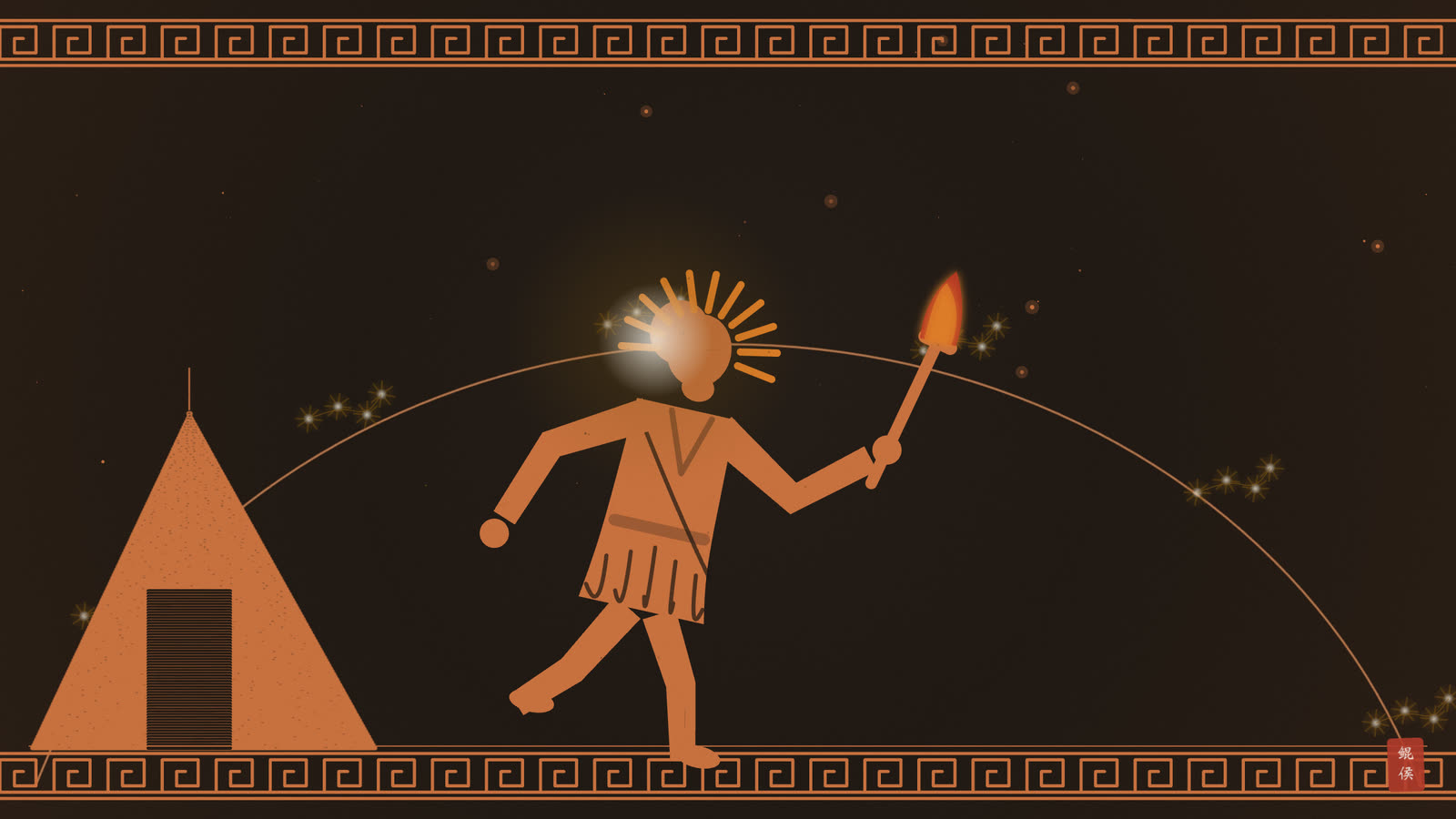
他的回答是(图一):两处经文字面相近,不等于意思相同。保罗是以先知的口吻应许福音要传给犹太人和外邦人,整章没有一个字说到星辰;而《诗篇》第十九篇前后文讲的都是诸天:前面说「诸天述说神的荣耀」,后面第四至六节说神为太阳安设帐幕,太阳像新郎出洞房、像勇士奔路,绕行天的两端,无一物不得它的热气。所以第三节的「声音」,拉姆齐解作诸星的声音,即它们的影响。
原文第三、四两行在「第十九篇」处断开,是转录本的分行,本站照行对应翻译。拉姆齐所引的经文措辞是十七世纪英译本的,本站照他的英文翻译,不依和合本改动。本站不评论双方的解经是非。
📖 术语
| 术语 | 英文原词 | 意思 |
|---|---|---|
| 出于信心的义 | righteousness…of Faith | 保罗书信用语 |
| 外邦人 | Gentiles | 犹太人以外的民族 |
| 穹苍 | firmament | 天空 |
| 量带 | line | 量地之绳,喻疆界 |
| 帐幕 | Tabernacle | 居所 |
🧭 图解与讲解
第十五章回到上一章所列对方的第一条答复:《诗篇》第十九篇第三节应当照使徒保罗在《罗马书》第十章第十八节的用法来解,指福音传遍天下,与星辰无关。拉姆齐先把《罗马书》的上下文摆出来:保罗讲律法之义与信心之义,说信道是从听道来的,然后问「他们没有听见吗」,引诗句说「他们的声音传遍天下」。
他的回答是(图一):两处经文字面相近,不等于意思相同。保罗是以先知的口吻应许福音要传给犹太人和外邦人,整章没有一个字说到星辰;而《诗篇》第十九篇前后文讲的都是诸天:前面说「诸天述说神的荣耀」,后面第四至六节说神为太阳安设帐幕,太阳像新郎出洞房、像勇士奔路,绕行天的两端,无一物不得它的热气。所以第三节的「声音」,拉姆齐解作诸星的声音,即它们的影响。
原文第三、四两行在「第十九篇」处断开,是转录本的分行,本站照行对应翻译。拉姆齐所引的经文措辞是十七世纪英译本的,本站照他的英文翻译,不依和合本改动。本站不评论双方的解经是非。
By which you may plainly see that David there speaketh of all the Heavens in general; the heavens declare, &c. and stars therein, when he mentions their voice, and particularly the Zodiack, which he calls a Tabernacle for the Sun; moreover, you are quite put out of doubt, that he before spake of all these, and the influence of the stars by his mentioning this more particularly, the Sun, Qui est Rex astrorum, and his heat, and so comprehending all under him being the chief of them; intimating also that his influence is universal throughout the whole earth from the East unto the West, the which course he rejoyceth to run as a strong man to run a race; so that from hence here can nothing in the least be gathered for the uniting those two Texts in sense being as different as the North is from the South, or as Heaven is from Earth, and altogether as impossible to be united, as it is to joyn the East with the West, or the Pole Artick with the Antartick; for it was meerly the marginal notes in some of our Bibles, which led these two learned Teachers of the Word of God out of the way, and into this weak business, serving no whit at all to their purpose; which they knew well enough; and therefore it was they delivered not the words of the Text they quoted, perswading themselves that their telling the Reader it was St.
Pauls interpretation of the Psalm agreeing somewhat in words, would be sufficient; and truly so it is for the making them ridiculous, but for nothing else; for sure I am St. Paul, never made either an interpretation or exposition of the Psalms, or the marginal Notes in our Bibles; but me thinks they should have taken the 4, 5, and 6. verses before mentioned with them, and have made all concur, they depending so unanimously one upon the other: but this is clear, let us now to their answer to that in Iob by me alledged, and so proceed.
翻译点开
By which you may plainly see that David there speaketh of all the Heavens in general; the heavens declare, &c. and stars therein, when he mentions their voice, and particularly the Zodiack, which he calls a Tabernacle for the Sun; moreover, you are quite put out of doubt, that he before spake of all these, and the influence of the stars by his mentioning this more particularly, the Sun, Qui est Rex astrorum, and his heat, and so comprehending all under him being the chief of them; intimating also that his influence is universal throughout the whole earth from the East unto the West, the which course he rejoyceth to run as a strong man to run a race; so that from hence here can nothing in the least be gathered for the uniting those two Texts in sense being as different as the North is from the South, or as Heaven is from Earth, and altogether as impossible to be united, as it is to joyn the East with the West, or the Pole Artick with the Antartick; for it was meerly the marginal notes in some of our Bibles, which led these two learned Teachers of the Word of God out of the way, and into this weak business, serving no whit at all to their purpose; which they knew well enough; and therefore it was they delivered not the words of the Text they quoted, perswading themselves that their telling the Reader it was St.
由此你可以清楚地看到,大卫在那里说的是一般的诸天——诸天述说,如此等等——以及其中的诸星,他提到它们的声音;具体地说,还有黄道,他称之为太阳的帐幕;此外,他更具体地提到太阳——(拉丁文)“它是诸星之王”——以及它的热,就使你完全不必怀疑他前面所说的是这一切以及诸星的影响;他既提到为首的太阳,也就把它以下的一切都包括在内了;还暗示太阳的影响普遍及于全地,从东到西,它像勇士奔路一样欢然走完这一程;所以从这里丝毫推不出那两处经文意思相合,它们的不同,就像北与南、天与地那样,要把它们合起来,就像要把东与西、北极与南极连在一起那样不可能;因为把这两位有学问的神的道的教师引上歧途、引进这件软弱之事的,纯粹是我们某些圣经里的页边注,那对他们的目的毫无用处;这一点他们心里很清楚;所以他们才不把所引经文的原话写出来,自以为告诉读者那是圣
Pauls interpretation of the Psalm agreeing somewhat in words, would be sufficient; and truly so it is for the making them ridiculous, but for nothing else; for sure I am St. Paul, never made either an interpretation or exposition of the Psalms, or the marginal Notes in our Bibles; but me thinks they should have taken the 4, 5, and 6. verses before mentioned with them, and have made all concur, they depending so unanimously one upon the other: but this is clear, let us now to their answer to that in Iob by me alledged, and so proceed.
保罗对这篇诗的解释、字面上又有几分相合,就足够了;说实在的,这足够使他们显得可笑,此外一无用处;因为我确信圣保罗从未对《诗篇》作过任何解释或注释,也没有作过我们圣经里的页边注;不过我想,他们本该把前面提到的第四、五、六节一并拿来,使全部经文前后贯通,因为这几节彼此如此一致地相连:但这一点已经清楚了,现在让我们来看他们对我所引《约伯记》那一处的答复,然后往下讲。
大意与图解点开
🔎 大意:大卫说的是诸天与诸星,「太阳的帐幕」即黄道;太阳是诸星之王,热力遍及东西。对方被圣经页边注引入歧途,所以不敢引原文。
📖 术语
| 术语 | 英文原词 | 意思 |
|---|---|---|
| 黄道 | Zodiack | 太阳每年走过的环带 |
| 诸星之王 | Rex astrorum | 拉丁语,指太阳 |
| 北极、南极 | Pole Artick, Antartick | 天球的两极 |
| 页边注 | marginal notes | 圣经页边的互见注 |
| 道的教师 | Teachers of the Word | 传道者 |
🧭 图解与讲解
拉姆齐接着解释《诗篇》第十九篇的结构(图二):先说一般的诸天「述说神的荣耀」,再说其中诸星的「声音」,又具体说到黄道,他把「太阳的帐幕」解作黄道,即太阳每年走过的那条环带;最后专讲太阳,他引拉丁语称之为「诸星之王」。提到为首的太阳及其热力遍及全地,就把太阳以下的一切星的影响都包括在内了。
〔图〕太阳的帐幕就是黄道:太阳一年走遍十二星座,热力遍及全地
〔图〕拉姆齐读《诗篇》十九篇:从诸天说到诸星,再说到为首的太阳
图一画的就是这个意思:太阳沿黄道一年走遍十二星座,诗中说它「从天这边出来,绕到天那边」,像勇士奔路一样欢然走完这一程。需要说明的是,「帐幕即黄道」是拉姆齐的解经,诗篇原文并没有提到黄道。
至于对方为什么会把两处经文扯在一起,拉姆齐的解释是:某些英文圣经在这句诗的页边注了《罗马书》第十章第十八节作互见,对方就被页边注引入歧途。他说圣保罗从未注释过《诗篇》,更没写过页边注;对方若把第四至六节一并读下来,就不会这样解了。原文第五、六行在「圣保罗」的「圣」字处断开,是转录本的分行,本站照行对应。
📖 术语
| 术语 | 英文原词 | 意思 |
|---|---|---|
| 黄道 | Zodiack | 太阳每年走过的环带 |
| 诸星之王 | Rex astrorum | 拉丁语,指太阳 |
| 北极、南极 | Pole Artick, Antartick | 天球的两极 |
| 页边注 | marginal notes | 圣经页边的互见注 |
| 道的教师 | Teachers of the Word | 传道者 |
🧭 图解与讲解
拉姆齐接着解释《诗篇》第十九篇的结构(图二):先说一般的诸天「述说神的荣耀」,再说其中诸星的「声音」,又具体说到黄道,他把「太阳的帐幕」解作黄道,即太阳每年走过的那条环带;最后专讲太阳,他引拉丁语称之为「诸星之王」。提到为首的太阳及其热力遍及全地,就把太阳以下的一切星的影响都包括在内了。
图一画的就是这个意思:太阳沿黄道一年走遍十二星座,诗中说它「从天这边出来,绕到天那边」,像勇士奔路一样欢然走完这一程。需要说明的是,「帐幕即黄道」是拉姆齐的解经,诗篇原文并没有提到黄道。
至于对方为什么会把两处经文扯在一起,拉姆齐的解释是:某些英文圣经在这句诗的页边注了《罗马书》第十章第十八节作互见,对方就被页边注引入歧途。他说圣保罗从未注释过《诗篇》,更没写过页边注;对方若把第四至六节一并读下来,就不会这样解了。原文第五、六行在「圣保罗」的「圣」字处断开,是转录本的分行,本站照行对应。
CHAP. XVI. Proving their Reply to Job 38.31. shewing the stars to have influence to be frivolous and of no effect.
MArk how as touching this point, they tell their Reader it is answered after, but they tell him not in what manner; for if they had, they had been unwise; for all the answer that I could find in all their Galimaufry was only this, that what I said was false, according to the old saying, in a word thou lyest; a pure way to confute an Argument, and very easie! But whoso shall peruse St.
Augustine upon Iob, which here would be too tedious to discuss, and in a manner (being so clear, and that by the testimony of so good an Author) superfluous; I say no more on this matter, only desiring thee also to peruse but the preceding and subsequent words of that passage of St.
Augustine which they bring, seeming to make for them, and thou shalt finde therein also their jugling tricks to deceive their Reader: just as they brought Ptolomie to condemn Astrologie, which I hinted at in the beginning of this Book; for it is very strange that Ptolomie should speak against that which he taught to the World in four Books in Folio; but if the sense and meaning of the Author be not regarded, it is an easie matter even in the best of Writings to finde out some seeming contradictions.
翻译点开
CHAP. XVI. Proving their Reply to Job 38.31. shewing the stars to have influence to be frivolous and of no effect.
第十六章 证明他们对《约伯记》第三十八章第三十一节(说明诸星有影响)的答复轻浮无效。
MArk how as touching this point, they tell their Reader it is answered after, but they tell him not in what manner; for if they had, they had been unwise; for all the answer that I could find in all their Galimaufry was only this, that what I said was false, according to the old saying, in a word thou lyest; a pure way to confute an Argument, and very easie! But whoso shall peruse St.
请注意,关于这一点,他们告诉读者后面会答复,却不告诉他怎样答复;因为他们若说了,就不明智了;因为我在他们那一锅大杂烩里所能找到的全部答复,只是这一句:我所说的是假的,正如那句老话:一言以蔽之,你撒谎;这真是驳倒一个论证的好办法,而且很容易!但谁只要去读圣
Augustine upon Iob, which here would be too tedious to discuss, and in a manner (being so clear, and that by the testimony of so good an Author) superfluous; I say no more on this matter, only desiring thee also to peruse but the preceding and subsequent words of that passage of St.
奥古斯丁论《约伯记》的著作——在这里讨论它就太冗长了,而且(既然这事如此明白,又有这样好的一位作者为证)可说是多余的——我对这件事不再多说,只请你也去读一读他们所引的、似乎对他们有利的圣
Augustine which they bring, seeming to make for them, and thou shalt finde therein also their jugling tricks to deceive their Reader: just as they brought Ptolomie to condemn Astrologie, which I hinted at in the beginning of this Book; for it is very strange that Ptolomie should speak against that which he taught to the World in four Books in Folio; but if the sense and meaning of the Author be not regarded, it is an easie matter even in the best of Writings to finde out some seeming contradictions.
奥古斯丁那一段的前文与后文,你就会在其中也发现他们欺骗读者的把戏:正如他们搬出托勒密来谴责占星学一样,这一点我在本书开头提到过;因为说托勒密会反对他用对开本四卷书教给世人的东西,实在是怪事;但如果不顾作者的意思与含义,那么即使在最好的著作里,也很容易找出一些表面上的矛盾。
大意与图解点开
🔎 大意:对方对昴星团一节的全部答复只是「你撒谎」。拉姆齐请读者读奥古斯丁论《约伯记》,并看对方所引奥古斯丁之语的上下文。
📖 术语
| 术语 | 英文原词 | 意思 |
|---|---|---|
| 一言以蔽之,你撒谎 | in a word thou lyest | 当时的老话 |
| 奥古斯丁 | Augustine | 四五世纪的教父 |
| 对开本 | Folio | 大开本的书 |
| 大杂烩 | Galimaufry | 杂烩菜,喻杂乱 |
| 表面上的矛盾 | seeming contradictions | 断章取义所见之矛盾 |
🧭 图解与讲解
第十六章处理《约伯记》第三十八章第三十一节「谁能约束昴星团甘美的影响」。上一章说过,对方只说「后面再答」,拉姆齐翻遍对方的书,找到的全部答复只是「你说的是假的」,正如老话所说「一言以蔽之,你撒谎」。他挖苦说,这真是驳倒论证的好办法,而且很容易。
〔图〕断章取义的老办法:搬奥古斯丁、托勒密来反占星
他请读者去读奥古斯丁(四五世纪的教父)论《约伯记》的著作,并去读对方所引奥古斯丁那一段的上下文,就会看出对方断章取义(图一)。他把这和本卷第二章提过的一件事相比:有人搬出托勒密来谴责占星学,可托勒密写了对开本四卷书来教这门学问。不顾作者的原意,最好的书里也能挑出「表面上的矛盾」。原文第八、九、十行两次在「圣奥古斯丁」的「圣」字处断开,是转录本的分行,本站照行对应。
📖 术语
| 术语 | 英文原词 | 意思 |
|---|---|---|
| 一言以蔽之,你撒谎 | in a word thou lyest | 当时的老话 |
| 奥古斯丁 | Augustine | 四五世纪的教父 |
| 对开本 | Folio | 大开本的书 |
| 大杂烩 | Galimaufry | 杂烩菜,喻杂乱 |
| 表面上的矛盾 | seeming contradictions | 断章取义所见之矛盾 |
🧭 图解与讲解
第十六章处理《约伯记》第三十八章第三十一节「谁能约束昴星团甘美的影响」。上一章说过,对方只说「后面再答」,拉姆齐翻遍对方的书,找到的全部答复只是「你说的是假的」,正如老话所说「一言以蔽之,你撒谎」。他挖苦说,这真是驳倒论证的好办法,而且很容易。
他请读者去读奥古斯丁(四五世纪的教父)论《约伯记》的著作,并去读对方所引奥古斯丁那一段的上下文,就会看出对方断章取义(图一)。他把这和本卷第二章提过的一件事相比:有人搬出托勒密来谴责占星学,可托勒密写了对开本四卷书来教这门学问。不顾作者的原意,最好的书里也能挑出「表面上的矛盾」。原文第八、九、十行两次在「圣奥古斯丁」的「圣」字处断开,是转录本的分行,本站照行对应。
But I dare positively affirm and maintain that St. Augustine doth in no place of all his works condemn, and positively dis-allow of Christian Iudicial Astrologie in its purity, and not abused; and this may sufficiently be manifested by those five opinions I have set down in my Lux Veritatis, chap. 2. sect. 3. which he recordeth in libro de Civitate Dei, lib. 5. cap. 1. for though the superstitious abuses thereof be by him condemned, it argueth not therefore the natural uses are to be abolished; and therefore though before his conversion he followed the Heresies of the Manichees, who maintained the stars to be adored and prayed unto, and afterwards wrote against them, yet can it not be made apparent, that he utterly condemned this liberal Science, as will appear by these words of his in libro 5. cap. 6. de Civitate Dei;
Non usque quaque absurde dici possit ad solas corporum differentias, afflatus quosdam valere sidereos, sient in solaribus accessibus, & recessibus; videmus etiam ipsius anni tempera variari, & lunaribus incrementis & decrementis angeri & minni quaedam genera rerum, sicut echinos & conchas, & mirabiles aestus oceani, non autem & animi voluntates positionibus syderum subdi: whereby we see nothing exempted from subjection to the stars that is bodily, but only our spiritual part; neither doth he ascribe this power to the stars in general, as that their specifical vertues are not possible to be known by man; for in his Book De gen. lib. 2. cap 5. he agreeth with Astrologers that Saturn is cold.
翻译点开
But I dare positively affirm and maintain that St. Augustine doth in no place of all his works condemn, and positively dis-allow of Christian Iudicial Astrologie in its purity, and not abused; and this may sufficiently be manifested by those five opinions I have set down in my Lux Veritatis, chap. 2. sect. 3. which he recordeth in libro de Civitate Dei, lib. 5. cap. 1. for though the superstitious abuses thereof be by him condemned, it argueth not therefore the natural uses are to be abolished; and therefore though before his conversion he followed the Heresies of the Manichees, who maintained the stars to be adored and prayed unto, and afterwards wrote against them, yet can it not be made apparent, that he utterly condemned this liberal Science, as will appear by these words of his in libro 5. cap. 6. de Civitate Dei;
但我敢确切地断言并坚持:圣奥古斯丁在他全部著作的任何地方,都没有谴责、确切地否定纯正而未被滥用的基督教判断占星学;这一点由我在《真理之光》第二章第三节所列的五种看法就足以显明,那是他在《上帝之城》第五卷第一章所记的;因为他虽谴责此学的迷信滥用,却不能由此推出它的自然用途也要废除;所以,他在归信之前虽曾追随摩尼教徒的异端——他们主张诸星应受崇拜、向之祈祷——后来又写书反对他们,但并不能显出他完全谴责了这门自由之学,这从他在《上帝之城》第五卷第六章的这些话就可看出;
Non usque quaque absurde dici possit ad solas corporum differentias, afflatus quosdam valere sidereos, sient in solaribus accessibus, & recessibus; videmus etiam ipsius anni tempera variari, & lunaribus incrementis & decrementis angeri & minni quaedam genera rerum, sicut echinos & conchas, & mirabiles aestus oceani, non autem & animi voluntates positionibus syderum subdi: whereby we see nothing exempted from subjection to the stars that is bodily, but only our spiritual part; neither doth he ascribe this power to the stars in general, as that their specifical vertues are not possible to be known by man; for in his Book De gen. lib. 2. cap 5. he agreeth with Astrologers that Saturn is cold.
(拉丁文)“说某些星辰的气息只对形体的差别有作用,这并非全然荒谬,正如在太阳的趋近与退离中,我们看到一年的季节本身随之变化;随着月亮的盈亏,某些种类的东西也增长与减少,如海胆与贝类,以及海洋奇妙的潮汐;但并不是说心灵的意志也受诸星位置的支配。”由此我们看到,凡属形体的,没有一样免于受诸星支配,只有我们属灵的部分除外;他也没有笼统地把这种力量归于诸星,以致它们各自特有的效能是人所不能知道的;因为在他的《创世记字解》第二卷第五章,他与星占家一致认为土星是冷的。
大意与图解点开
🔎 大意:奥古斯丁只斥占星的迷信滥用。《上帝之城》说太阳定季节、月亮主海胆贝类与潮汐,只有心灵意志不受星辰支配;他也认土星为冷。
📖 术语
| 术语 | 英文原词 | 意思 |
|---|---|---|
| 判断占星学 | Judicial Astrologie | 凭星象判断人事之学 |
| 上帝之城 | de Civitate Dei | 奥古斯丁名著 |
| 摩尼教徒 | Manichees | 奥古斯丁早年所信之教 |
| 海胆 | echinos | 带刺的海中动物 |
| 创世记字解 | De gen. | 奥古斯丁释经著作 |
🧭 图解与讲解
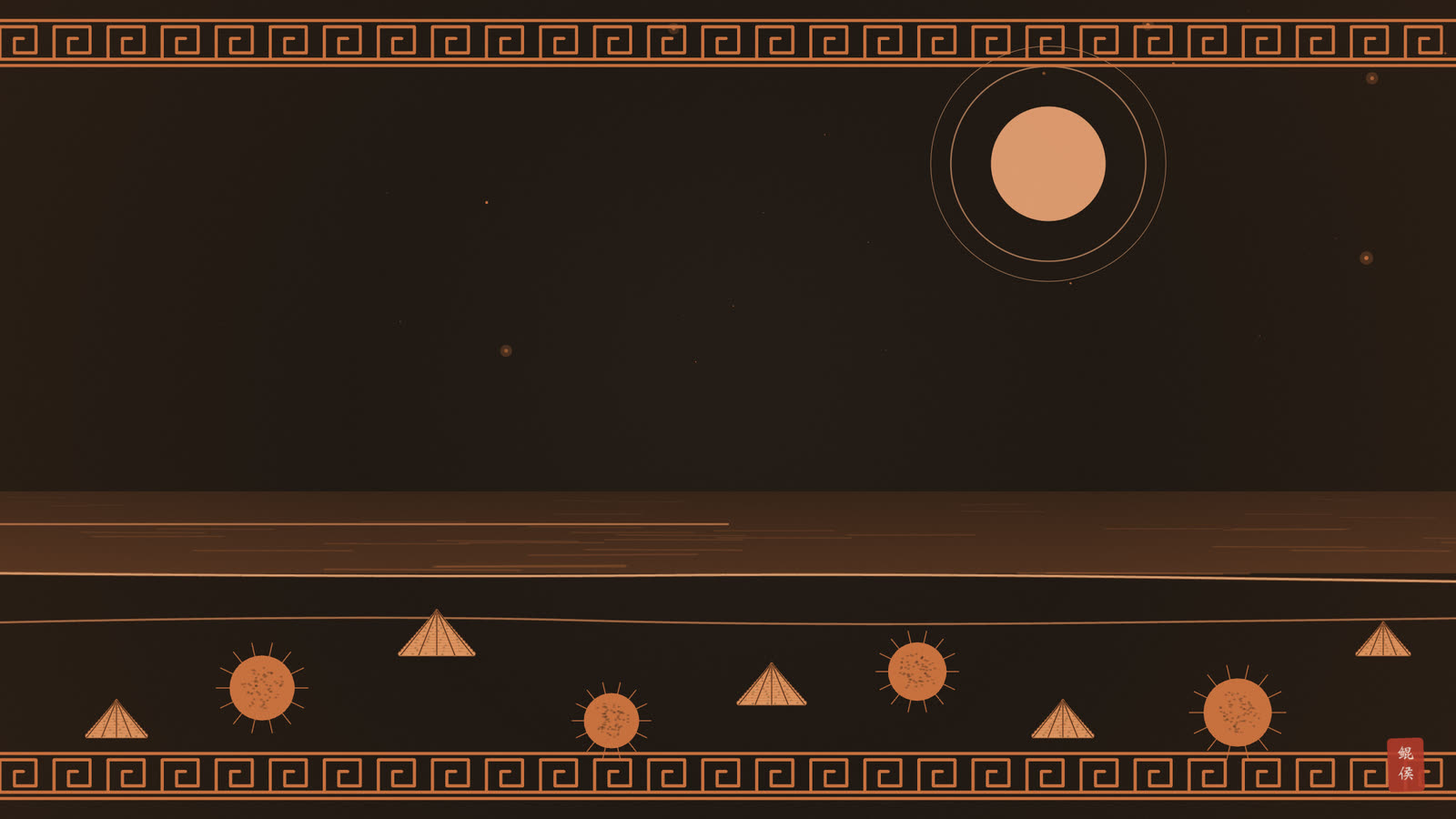
这里拉姆齐正面处理奥古斯丁。反对占星学的人最常引奥古斯丁,因为他在《上帝之城》第五卷里对星占家多有批评。拉姆齐的立场是(图二):奥古斯丁谴责的是迷信的滥用,而不是纯正、未被滥用的「基督教判断占星学」。他早年追随摩尼教,那一派主张崇拜诸星、向星辰祈祷,他归信后写书反对的是这种异端,并不等于完全谴责这门学问。
| 奥古斯丁所说(《上帝之城》第五卷第六章) | 星辰的作用 |
|---|---|
| 太阳的趋近与退离 | 一年的季节随之变化 |
| 月亮的盈亏 | 海胆、贝类随之增减 |
| (月亮) | 海洋奇妙的潮汐 |
| 心灵的意志 | 不受诸星位置支配 |
〔图〕奥古斯丁所斥与所许:斥迷信滥用,不废自然用途
拉姆齐引《上帝之城》第五卷第六章的拉丁原文为证(表一),本站照译:说星辰的气息只对形体有作用并非全然荒谬,太阳的远近使季节变化,月亮的盈亏使海胆、贝类增减,又有海洋的潮汐;但心灵的意志并不受星辰位置支配。拉姆齐的引申是:凡属形体的都受诸星支配,只有属灵的部分除外,这与第十章(二)「天只使人倾向」的说法一致。
他还补了一条:奥古斯丁在《创世记字解》第二卷第五章与星占家一致认为土星是冷的,可见他承认诸星各有特性。本卷第七章讲土星时说过土星主冷,可以对读。原文这段拉丁引文里有几处字形讹误,本站按通行的意思译出,详见报告。
📖 术语
| 术语 | 英文原词 | 意思 |
|---|---|---|
| 判断占星学 | Judicial Astrologie | 凭星象判断人事之学 |
| 上帝之城 | de Civitate Dei | 奥古斯丁名著 |
| 摩尼教徒 | Manichees | 奥古斯丁早年所信之教 |
| 海胆 | echinos | 带刺的海中动物 |
| 创世记字解 | De gen. | 奥古斯丁释经著作 |
🧭 图解与讲解
这里拉姆齐正面处理奥古斯丁。反对占星学的人最常引奥古斯丁,因为他在《上帝之城》第五卷里对星占家多有批评。拉姆齐的立场是(图二):奥古斯丁谴责的是迷信的滥用,而不是纯正、未被滥用的「基督教判断占星学」。他早年追随摩尼教,那一派主张崇拜诸星、向星辰祈祷,他归信后写书反对的是这种异端,并不等于完全谴责这门学问。
| 奥古斯丁所说(《上帝之城》第五卷第六章) | 星辰的作用 |
|---|---|
| 太阳的趋近与退离 | 一年的季节随之变化 |
| 月亮的盈亏 | 海胆、贝类随之增减 |
| (月亮) | 海洋奇妙的潮汐 |
| 心灵的意志 | 不受诸星位置支配 |
拉姆齐引《上帝之城》第五卷第六章的拉丁原文为证(表一),本站照译:说星辰的气息只对形体有作用并非全然荒谬,太阳的远近使季节变化,月亮的盈亏使海胆、贝类增减,又有海洋的潮汐;但心灵的意志并不受星辰位置支配。拉姆齐的引申是:凡属形体的都受诸星支配,只有属灵的部分除外,这与第十章(二)「天只使人倾向」的说法一致。
他还补了一条:奥古斯丁在《创世记字解》第二卷第五章与星占家一致认为土星是冷的,可见他承认诸星各有特性。本卷第七章讲土星时说过土星主冷,可以对读。原文这段拉丁引文里有几处字形讹误,本站按通行的意思译出,详见报告。
Again shall we admit that St. Augustine, and with him all the Fathers unanimously are against Astrologie; yet may we not hence make our selves so ridiculous as to conclude Astrologie of no validity or efficacy, they being but men, and therefore subject to error; and since it is nowise condemned by the word of God (which should be the touchstone of all mens writings) further then that men should not give the power of the Creator to the creature, nor impose a fatal necessity and trust therein; and therefore St.
Augustine in the aforesaid fifth Book, and first chap. of his City of God, delivering five opinions (as I said) concerning destiny, in his first sheweth, that by destiny is understood The providence, will, and power of God; and therefore he warneth Astrologers, that they continue their opinions, but correct their tongues; for that through custom of speech the vulgar commonly understood nothing by the word fate, or destiny, but the inevitable power of the stars; and so becomes a means to draw them from a true trust and confidence in God and his word.
And truly were it not for fear of making this Treatise too great, I could shew you that every part of Astrologie, nay even monethly Prognostications (which some men think are condemned by the word of God) being grounded upon observation deduced from causes in nature, have ever been permitted and suffered in all well ordered and Christian Common-wealths; and that not only the Fathers and latter Divines, but even Mr.
Calvin himself in his admonition, with others (that attribute as little to this Art as they may) do allow thereof, so far forth as it extends to the state of the weather, of health, sickness, plenty, dearth, and to the direction of the Physitian when to purge by Pill, when by Potion, when by letting of blood; this being as far as I maintain the Art, and make my study therein proceed, as shall be cleared before the closure of this Treatise; but let us here proceed.
翻译点开
Again shall we admit that St. Augustine, and with him all the Fathers unanimously are against Astrologie; yet may we not hence make our selves so ridiculous as to conclude Astrologie of no validity or efficacy, they being but men, and therefore subject to error; and since it is nowise condemned by the word of God (which should be the touchstone of all mens writings) further then that men should not give the power of the Creator to the creature, nor impose a fatal necessity and trust therein; and therefore St.
再者,就算我们承认圣奥古斯丁、以及与他一道的所有教父都一致反对占星学;我们也不可因此使自己可笑到断定占星学没有效力或功效,因为他们不过是人,因而会犯错;何况它丝毫没有被神的话(那应是检验一切人著作的试金石)所谴责,除了说人不应把造物主的大能归给造物,不应把宿命的必然加给它、信靠它;所以圣
Augustine in the aforesaid fifth Book, and first chap. of his City of God, delivering five opinions (as I said) concerning destiny, in his first sheweth, that by destiny is understood The providence, will, and power of God; and therefore he warneth Astrologers, that they continue their opinions, but correct their tongues; for that through custom of speech the vulgar commonly understood nothing by the word fate, or destiny, but the inevitable power of the stars; and so becomes a means to draw them from a true trust and confidence in God and his word.
奥古斯丁在前面说的《上帝之城》第五卷第一章,提出(如我所说)关于命运的五种看法,在第一种里说明:所谓命运,是指神的护理、旨意与大能;所以他告诫星占家:可以保持他们的看法,但要改正他们的言辞;因为照说话的习惯,俗人说到「命运」或「天命」一词,所理解的无非是诸星不可避免的力量;这样就成了引人离开对神与神的话之真正信靠的一条途径。
And truly were it not for fear of making this Treatise too great, I could shew you that every part of Astrologie, nay even monethly Prognostications (which some men think are condemned by the word of God) being grounded upon observation deduced from causes in nature, have ever been permitted and suffered in all well ordered and Christian Common-wealths; and that not only the Fathers and latter Divines, but even Mr.
说实在的,若不是怕使这篇论述篇幅过大,我可以向你说明:占星学的每一部分,甚至每月的预言(有些人以为那是神的话所谴责的),既然都建立在由自然原因推出的观察之上,在一切治理良好的基督教国家里向来都是被准许、被容许的;不但教父与后来的神学家,就是
Calvin himself in his admonition, with others (that attribute as little to this Art as they may) do allow thereof, so far forth as it extends to the state of the weather, of health, sickness, plenty, dearth, and to the direction of the Physitian when to purge by Pill, when by Potion, when by letting of blood; this being as far as I maintain the Art, and make my study therein proceed, as shall be cleared before the closure of this Treatise; but let us here proceed.
加尔文先生本人,在他的《告诫》里,以及另一些(尽量少给这门技艺分量的)人,也都容许它,只要它限于天气、健康、疾病、丰收、饥荒的状况,以及指导医生何时用丸药、何时用汤药、何时用放血来泻下;这正是我所主张的这门技艺的范围,也是我在其中研究的范围,这在本论结束之前会讲清楚;但让我们在这里往下讲。
大意与图解点开
🔎 大意:就算教父都反对,他们也会犯错;圣经只禁人把神的大能归给星辰。奥古斯丁只要星占家改正言辞;加尔文也容许天气医药之占。
📖 术语
| 术语 | 英文原词 | 意思 |
|---|---|---|
| 教父 | Fathers | 早期教会的神学家 |
| 试金石 | touchstone | 检验真伪的标准 |
| 天命 | destiny | 命中注定之事 |
| 每月的预言 | monethly Prognostications | 历书中的月令预言 |
| 加尔文 | Calvin | 十六世纪宗教改革家 |
🧭 图解与讲解
拉姆齐再退一步说:就算奥古斯丁和所有教父都一致反对占星学,他们也不过是人,会犯错;检验一切著作的试金石是神的话,而圣经只禁止两件事:把造物主的大能归给造物,以及把宿命的必然加给星辰、信靠它们。这两条拉姆齐自己也反对,所以与纯正的占星学无关。
〔图〕奥古斯丁的告诫:看法可以保留,言辞要改,免得「命运」被俗人听成星辰的定数
| 加尔文《告诫》所容许的(原文所列) | 拉姆齐的说法 |
|---|---|
| 天气的状况 | 这正是我所主张的范围 |
| 健康、疾病 | 同上 |
| 丰收、饥荒 | 同上 |
| 指导医生何时用丸药、汤药、放血 | 同上;卷三择日另有详论 |
他又回到《上帝之城》第五卷第一章的「五种看法」,这里只说第一种(图一):所谓命运,若指神的护理、旨意与大能,那就无可非议;奥古斯丁于是告诫星占家「可以保持看法,但要改正言辞」,因为俗人一听「命运」,就以为是星辰不可避免的力量,容易使人离开对神的信靠。拉姆齐引这一点,是要说明奥古斯丁所反对的是言辞与误解,而不是学问本身。
最后他说,占星学的各部分,连历书里的每月预言在内,都建立在对自然原因的观察上,在治理良好的基督教国家里向来被容许;就连宗教改革家加尔文在他的《告诫》(即他批评判断占星学的那篇文章)里,也容许关于天气、健康疾病、丰歉以及医疗择时的占星(表二)。拉姆齐说,这正是他所主张的范围。这与第十章(二)「重世运,轻本命」的取舍一致。原文第十三、十四行与第十五、十六行在「圣」「先生」处断开,是转录本的分行。医疗择时属古人之说,本站不作医疗建议。
📖 术语
| 术语 | 英文原词 | 意思 |
|---|---|---|
| 教父 | Fathers | 早期教会的神学家 |
| 试金石 | touchstone | 检验真伪的标准 |
| 天命 | destiny | 命中注定之事 |
| 每月的预言 | monethly Prognostications | 历书中的月令预言 |
| 加尔文 | Calvin | 十六世纪宗教改革家 |
🧭 图解与讲解
拉姆齐再退一步说:就算奥古斯丁和所有教父都一致反对占星学,他们也不过是人,会犯错;检验一切著作的试金石是神的话,而圣经只禁止两件事:把造物主的大能归给造物,以及把宿命的必然加给星辰、信靠它们。这两条拉姆齐自己也反对,所以与纯正的占星学无关。
| 加尔文《告诫》所容许的(原文所列) | 拉姆齐的说法 |
|---|---|
| 天气的状况 | 这正是我所主张的范围 |
| 健康、疾病 | 同上 |
| 丰收、饥荒 | 同上 |
| 指导医生何时用丸药、汤药、放血 | 同上;卷三择日另有详论 |
他又回到《上帝之城》第五卷第一章的「五种看法」,这里只说第一种(图一):所谓命运,若指神的护理、旨意与大能,那就无可非议;奥古斯丁于是告诫星占家「可以保持看法,但要改正言辞」,因为俗人一听「命运」,就以为是星辰不可避免的力量,容易使人离开对神的信靠。拉姆齐引这一点,是要说明奥古斯丁所反对的是言辞与误解,而不是学问本身。
最后他说,占星学的各部分,连历书里的每月预言在内,都建立在对自然原因的观察上,在治理良好的基督教国家里向来被容许;就连宗教改革家加尔文在他的《告诫》(即他批评判断占星学的那篇文章)里,也容许关于天气、健康疾病、丰歉以及医疗择时的占星(表二)。拉姆齐说,这正是他所主张的范围。这与第十章(二)「重世运,轻本命」的取舍一致。原文第十三、十四行与第十五、十六行在「圣」「先生」处断开,是转录本的分行。医疗择时属古人之说,本站不作医疗建议。
原文为公有领域古籍;翻译、印象画与图文解读由 AI 辅助生成,鲲侯审校。