第三部·第二十八至二十九则 上升点向诸光线与五分诸相
上升点向六分、三分用时量与斜升来推;再论五分、倍半四分、倍五分,由已知光线加减比例部分即得,并以太阳摩羯一度为例。
CANON XXVIII.
To direct the Oblique Cardinal Sign to the Sextile, Quartile, and Trine.
If you require the rays to the horoscope, which are projected from supra-terraneous places, divide the semi-diurnal arc of the aspecting star into three parts, or into two diurnal horary times, and you will have the spaces of the houses that are about the earth. If you add two of these to the stars oblique ascension, taken in the horoscope, and from the sum substract the horoscope oblique ascension, what remains is the horoscope's arc of direction to the sextile's of the stars, produced from the eleventh house; but if you add the four houses, and from the sum substract the horoscope's oblique ascension, you will have the arc of direction to the trine which is caused by the ninth house.
Another way.—Substract one house from the stars right ascension, and from the remainder take the right ascension of the medium cœli, and there will remain the direction's arc to the sextile's; add one house to the stars right ascension; from the sum substract that of the medium cœli, and you will have the direction's arc to the trine, that is, to the horoscope.
But if you are desirous to find the rays that are emitted from subterraneous places, divide the stars semi-nocturnal arc into three equal parts, its nocturnal horary times, and you will have the space of the houses that are below the earth; of these, for the sextile, which proceeds from the third house, by substracting two; and from the trine, which is produced from the fifth, by substracting four from the stars oblique ascension taken in the horoscope; and if from the remainders you substract the horoscope's oblique ascension, you will have the arcs of direction to the sextile and trine.
翻译点开
CANON XXVIII.
第二十八则。
To direct the Oblique Cardinal Sign to the Sextile, Quartile, and Trine.
斜的角向六分、四分与三分的推运。
If you require the rays to the horoscope, which are projected from supra-terraneous places, divide the semi-diurnal arc of the aspecting star into three parts, or into two diurnal horary times, and you will have the spaces of the houses that are about the earth. If you add two of these to the stars oblique ascension, taken in the horoscope, and from the sum substract the horoscope oblique ascension, what remains is the horoscope's arc of direction to the sextile's of the stars, produced from the eleventh house; but if you add the four houses, and from the sum substract the horoscope's oblique ascension, you will have the arc of direction to the trine which is caused by the ninth house.
若你要求向上升点的光线,即从地上诸位置投射来的,就把成相位之星的半昼弧分成三份,或者说,分成每份两个昼时量,便得地平以上诸宫的空间。若把其中两份加到在上升点所取的星的斜升上,再从和数中减去上升点的斜升,所剩就是上升点向由第十一宫发出的星之六分的推运弧;若加四宫,再从和数中减去上升点的斜升,便得向由第九宫发出的三分的推运弧。
Another way.—Substract one house from the stars right ascension, and from the remainder take the right ascension of the medium cœli, and there will remain the direction's arc to the sextile's; add one house to the stars right ascension; from the sum substract that of the medium cœli, and you will have the direction's arc to the trine, that is, to the horoscope.
另一法。——从星的赤经中减去一宫,再从余数中减去中天的赤经,所剩就是向六分的推运弧;把一宫加到星的赤经上,再从和数中减去中天的赤经,便得向三分的推运弧,即向上升点的三分。
But if you are desirous to find the rays that are emitted from subterraneous places, divide the stars semi-nocturnal arc into three equal parts, its nocturnal horary times, and you will have the space of the houses that are below the earth; of these, for the sextile, which proceeds from the third house, by substracting two; and from the trine, which is produced from the fifth, by substracting four from the stars oblique ascension taken in the horoscope; and if from the remainders you substract the horoscope's oblique ascension, you will have the arcs of direction to the sextile and trine.
但若你想求从地下诸位置发出的光线,就把星的半夜弧分成三等分,即它的夜时量,便得地平以下诸宫的空间;其中,为由第三宫发出的六分,减去两份;为由第五宫产生的三分,从在上升点所取的星的斜升中减去四份;若从余数中减去上升点的斜升,便得向六分与三分的推运弧。
大意与图解点开
🔎 大意:上升点的六分由第十一宫、三分由第九宫发出:星的斜升加两宫或四宫,减上升点斜升;也可用赤经加减一宫再减中天赤经。
📖 术语
| 术语 | 英文原词 | 意思 |
|---|---|---|
| 斜的角 | oblique cardinal sign | 即上升点,用斜升 |
| 地上诸位置 | supra-terraneous places | 地平以上的宫 |
| 地下诸位置 | subterraneous places | 地平以下的宫 |
| 昼时量 | diurnal horary times | 半昼弧的六分之一 |
| 夜时量 | nocturnal horary times | 半夜弧的六分之一 |
🧭 图解与讲解
第二十八则讲「斜的角」,即上升点。上升点的六分由第十一宫(地上)或第三宫(地下)发出,三分由第九宫或第五宫发出。地上的宫用星的半昼弧来量:三分之一半昼弧是一宫,即两个昼时量。把两宫或四宫加到星的斜升(在上升点的极高,即本地纬度下所取)上,减去上升点的斜升,就是推运弧(表一)。
| 上升点向某星的 | 光线由哪一宫发出 | 算法 |
|---|---|---|
| 六分 | 第十一宫 | 星的斜升 + 两宫 − 上升点的斜升;或 星的赤经 − 一宫 − 中天的赤经 |
| 三分 | 第九宫 | 星的斜升 + 四宫 − 上升点的斜升;或 星的赤经 + 一宫 − 中天的赤经 |
| 六分 | 第三宫 | 星的斜升 − 两宫 − 上升点的斜升(用夜宫) |
| 三分 | 第五宫 | 星的斜升 − 四宫 − 上升点的斜升(用夜宫) |
〔图〕另一法的道理:第十一宫离中天一宫,第九宫在中天另一侧一宫
「另一法」换个角度:上升点向第十一宫来的六分,就是星到达第十一宫宫头之时,而第十一宫宫头离中天正好一宫(图二)。所以中天要走到「星的赤经减一宫」处,减去本命中天的赤经即得;第九宫在中天以西一宫,就用「加一宫」。四分则由中天与天底发出,所以直接把星推到中天、天底即可,见下一单元。地下的六分、三分用半夜弧分出的夜宫,减两宫或四宫。
📖 术语
| 术语 | 英文原词 | 意思 |
|---|---|---|
| 斜的角 | oblique cardinal sign | 即上升点,用斜升 |
| 地上诸位置 | supra-terraneous places | 地平以上的宫 |
| 地下诸位置 | subterraneous places | 地平以下的宫 |
| 昼时量 | diurnal horary times | 半昼弧的六分之一 |
| 夜时量 | nocturnal horary times | 半夜弧的六分之一 |
🧭 图解与讲解
第二十八则讲「斜的角」,即上升点。上升点的六分由第十一宫(地上)或第三宫(地下)发出,三分由第九宫或第五宫发出。地上的宫用星的半昼弧来量:三分之一半昼弧是一宫,即两个昼时量。把两宫或四宫加到星的斜升(在上升点的极高,即本地纬度下所取)上,减去上升点的斜升,就是推运弧(表一)。
| 上升点向某星的 | 光线由哪一宫发出 | 算法 |
|---|---|---|
| 六分 | 第十一宫 | 星的斜升 + 两宫 − 上升点的斜升;或 星的赤经 − 一宫 − 中天的赤经 |
| 三分 | 第九宫 | 星的斜升 + 四宫 − 上升点的斜升;或 星的赤经 + 一宫 − 中天的赤经 |
| 六分 | 第三宫 | 星的斜升 − 两宫 − 上升点的斜升(用夜宫) |
| 三分 | 第五宫 | 星的斜升 − 四宫 − 上升点的斜升(用夜宫) |
「另一法」换个角度:上升点向第十一宫来的六分,就是星到达第十一宫宫头之时,而第十一宫宫头离中天正好一宫(图二)。所以中天要走到「星的赤经减一宫」处,减去本命中天的赤经即得;第九宫在中天以西一宫,就用「加一宫」。四分则由中天与天底发出,所以直接把星推到中天、天底即可,见下一单元。地下的六分、三分用半夜弧分出的夜宫,减两宫或四宫。
You may also use the imum cœli by the right ascension, as has been said of the medium cœli. Quadrate rays are produced by the medium cœli and the imum cœli; therefore, instead of these, direct the stars to the medium and imum cœli, as has been said in Canon XXVI. Let there be an example for both Canons, under the Pole's elevation 45, the ascendant 13.30 of ♑, in the medium cœli. Let us suppose 12° 0' of ♏, whose right ascension 219.33, the horoscope's oblique ascension 309.33.
If the Sun is in 1° 0' of ♑, within the twelfth house, the Sun's right ascension 271° 5', the oblique ascension to the Pole 45, is 296.51 ; the diurnal horary times 10° 42', which, being doubled, constitute the diurnal houses, or the third part of the Sun's semi-diurnal 21° 24'. But if I want to direct the horoscope to the sextile of the Sun, I add to the oblique ascension, to the Sun's horary times, twice doubled, which make 339.39. From these I substract the horoscope's oblique ascension, and there remains the arc of direction 30° 6'.
And observe, that the arc of direction consists of 8° 44' of the preceding, and likewise of the Sun's duplicate horary times; that is, one house, or 21.24. Wherefore, from the bare adding of this one house to the computed direction of the sextile to the medium cœli, there arises the horoscope's arc of direction to the Sun's sextile.
I want to direct to the horoscope to the quintile of the Sun: I substract the right ascension of the medium cœli from that of the Sun, and there remains the arc of direction, 51.32; or to the sextile's arc of direction 30.6, above calculated. I add the sun's duplicate diurnal horary times 21.24, and the arc of direction 51.30. In like manner, if to this I add the duplicate, horary times, I make the arc of direction to the trine of the horoscope, 72.54.
Again I add to this the geminated horary times; the direction's arc to the medium cœli, to the Sun's sextile, will be 94.18, and so in all of them. Under the Earth, we must make use of the nocturnal horary times, the same nocturnal arc, but the direction both of the cardinal signs and houses to the rays of the sextile, quartile, and trine, are calculated (in a manner much easier than any of the afore-mentioned) by the oblique ascension of those houses from which the stars project the rays, as is before recited, and as may be seen in the former Canon. This Canon needs no other example, nevertheless you will meet with several in the sequil.
翻译点开
You may also use the imum cœli by the right ascension, as has been said of the medium cœli. Quadrate rays are produced by the medium cœli and the imum cœli; therefore, instead of these, direct the stars to the medium and imum cœli, as has been said in Canon XXVI. Let there be an example for both Canons, under the Pole's elevation 45, the ascendant 13.30 of ♑, in the medium cœli. Let us suppose 12° 0' of ♏, whose right ascension 219.33, the horoscope's oblique ascension 309.33.
你也可以像对中天所说的那样,借赤经使用天底。四分的光线由中天与天底产生;所以不用求四分,只要像第二十六则所说,把星推到中天与天底即可。两则共用一个例子:极高四十五度,上升在摩羯十三度三十分,中天,我们设在天蝎十二度零分,其赤经二百一十九度三十三分,上升点的斜升三百零九度三十三分。
If the Sun is in 1° 0' of ♑, within the twelfth house, the Sun's right ascension 271° 5', the oblique ascension to the Pole 45, is 296.51 ; the diurnal horary times 10° 42', which, being doubled, constitute the diurnal houses, or the third part of the Sun's semi-diurnal 21° 24'. But if I want to direct the horoscope to the sextile of the Sun, I add to the oblique ascension, to the Sun's horary times, twice doubled, which make 339.39. From these I substract the horoscope's oblique ascension, and there remains the arc of direction 30° 6'.
若太阳在摩羯一度零分,位于第十二宫内,太阳的赤经二百七十一度五分,在极高四十五度下的斜升是二百九十六度五十一分;昼时量十度四十二分,加倍就构成昼宫,即太阳半昼弧的三分之一,二十一度二十四分。但若我要把上升点推向太阳的六分,就把太阳的时量两次加倍,加到斜升上,得三百三十九度三十九分。从中减去上升点的斜升,余下推运弧三十度六分。
And observe, that the arc of direction consists of 8° 44' of the preceding, and likewise of the Sun's duplicate horary times; that is, one house, or 21.24. Wherefore, from the bare adding of this one house to the computed direction of the sextile to the medium cœli, there arises the horoscope's arc of direction to the Sun's sextile.
而且要注意,这个推运弧由前面的八度四十四分,加上太阳的双倍时量,即一宫,二十一度二十四分构成。所以,只要把这一宫加到所算出的中天向六分的推运上,就得出上升点向太阳六分的推运弧。
I want to direct to the horoscope to the quintile of the Sun: I substract the right ascension of the medium cœli from that of the Sun, and there remains the arc of direction, 51.32; or to the sextile's arc of direction 30.6, above calculated. I add the sun's duplicate diurnal horary times 21.24, and the arc of direction 51.30. In like manner, if to this I add the duplicate, horary times, I make the arc of direction to the trine of the horoscope, 72.54.
我要把上升点推向太阳的五分:从太阳的赤经中减去中天的赤经,余下推运弧五十一度三十二分;或者在上面算出的六分推运弧三十度六分上,加上太阳的双倍昼时量二十一度二十四分,得推运弧五十一度三十分。同样,若再加上双倍时量,就得上升点的三分的推运弧,七十二度五十四分。
Again I add to this the geminated horary times; the direction's arc to the medium cœli, to the Sun's sextile, will be 94.18, and so in all of them. Under the Earth, we must make use of the nocturnal horary times, the same nocturnal arc, but the direction both of the cardinal signs and houses to the rays of the sextile, quartile, and trine, are calculated (in a manner much easier than any of the afore-mentioned) by the oblique ascension of those houses from which the stars project the rays, as is before recited, and as may be seen in the former Canon. This Canon needs no other example, nevertheless you will meet with several in the sequil.
再加上成双的时量,中天向太阳六分的推运弧将是九十四度十八分,其余一切都如此。在地下,必须用夜时量、同样的夜弧;不过四角与诸宫向六分、四分、三分光线的推运,都可借星投射光线所自的那些宫的斜升来算(比前述任何方法都容易得多),如前所述,也可见于上一则。本则不需要别的例子,不过在后面你会遇到好几个。
大意与图解点开
🔎 大意:极高四十五度、上升摩羯十三度半,太阳在第十二宫。上升点向太阳六分三十度六分,四分五十一度半,三分七十二度五十四分。
📖 术语
| 术语 | 英文原词 | 意思 |
|---|---|---|
| 斜升 | oblique ascension | 与星同升的赤道度 |
| 昼宫 | diurnal houses | 两个昼时量 |
| 两次加倍 | twice doubled | 即四个时量 |
| 成双的时量 | geminated horary times | 即一宫 |
| 五分 | quintile | 相距七十二度 |
🧭 图解与讲解
两则共用一个本命盘:极高(pole)四十五度,上升摩羯十三度三十分,中天天蝎十二度,太阳在摩羯一度、位于第十二宫。太阳的半昼弧六十四度十二分,六分之一是一个昼时量十度四十二分,两个时量二十一度二十四分就是太阳的一宫(表一)。上升点向太阳的六分,就是太阳走到第十一宫宫头之时:斜升加四个时量,减去上升点的斜升,得三十度六分。
| 步骤 | 算什么 | 用哪个数 | 结果 |
|---|---|---|---|
| 一 | 本盘 | 极高 45°,上升摩羯 13°30′,中天天蝎 12°0′ | 中天赤经 219°33′,上升斜升 309°33′ |
| 二 | 太阳(摩羯 1°0′,第十二宫) | 赤经;极高 45° 下的斜升 | 271°5′;296°51′ |
| 三 | 太阳的昼时量与一宫 | 半昼弧 64°12′ ÷ 6;再 × 2 | 10°42′;21°24′ |
| 四 | 上升点 → 太阳六分 | 296°51′ + 4 × 10°42′ = 339°39′;减 309°33′ | 30°6′ |
| 五 | 验算:中天向六分 + 一宫 | 8°44′ + 21°24′ | 30°8′(原书作 30°6′) |
| 六 | 上升点 → 太阳四分(原书作「五分」) | 271°5′ − 219°33′;或 30°6′ + 21°24′ | 51°32′;51°30′ |
| 七 | 上升点 → 太阳三分 | 51°30′ + 21°24′ | 72°54′ |
| 八 | 中天 → 太阳的另一个六分(第八宫) | 72°54′ + 21°24′ | 94°18′ |
〔图〕太阳每走一宫,就到达下一种光线
此后每加一宫,太阳就到达下一个宫头(图二):到中天时与上升成四分,到第九宫成三分,到第八宫则与中天成六分。原书此处数字疑有误:第九行说「上升点推向太阳的五分」,但算法(太阳的赤经减中天的赤经)与结果五十一度三十二分都是太阳到中天,即上升点的四分,「五分」当是「四分」之误。又,八度四十四分加二十一度二十四分实为三十度八分,与三十度六分差二分,是零数之差,第二十九则末尾作者自己也说到这种差。
第十行再次提醒:在地平以下要用夜时量;而最便捷的仍是第二十七则末尾说的方法,在发出光线那一宫的极高下取斜升直接相减。普拉西德斯说后面的本命盘里还有许多例子,本书正文只收计算规则,那三十个本命盘拟另卷出版(见卷首编者注)。
📖 术语
| 术语 | 英文原词 | 意思 |
|---|---|---|
| 斜升 | oblique ascension | 与星同升的赤道度 |
| 昼宫 | diurnal houses | 两个昼时量 |
| 两次加倍 | twice doubled | 即四个时量 |
| 成双的时量 | geminated horary times | 即一宫 |
| 五分 | quintile | 相距七十二度 |
🧭 图解与讲解
两则共用一个本命盘:极高(pole)四十五度,上升摩羯十三度三十分,中天天蝎十二度,太阳在摩羯一度、位于第十二宫。太阳的半昼弧六十四度十二分,六分之一是一个昼时量十度四十二分,两个时量二十一度二十四分就是太阳的一宫(表一)。上升点向太阳的六分,就是太阳走到第十一宫宫头之时:斜升加四个时量,减去上升点的斜升,得三十度六分。
| 步骤 | 算什么 | 用哪个数 | 结果 |
|---|---|---|---|
| 一 | 本盘 | 极高 45°,上升摩羯 13°30′,中天天蝎 12°0′ | 中天赤经 219°33′,上升斜升 309°33′ |
| 二 | 太阳(摩羯 1°0′,第十二宫) | 赤经;极高 45° 下的斜升 | 271°5′;296°51′ |
| 三 | 太阳的昼时量与一宫 | 半昼弧 64°12′ ÷ 6;再 × 2 | 10°42′;21°24′ |
| 四 | 上升点 → 太阳六分 | 296°51′ + 4 × 10°42′ = 339°39′;减 309°33′ | 30°6′ |
| 五 | 验算:中天向六分 + 一宫 | 8°44′ + 21°24′ | 30°8′(原书作 30°6′) |
| 六 | 上升点 → 太阳四分(原书作「五分」) | 271°5′ − 219°33′;或 30°6′ + 21°24′ | 51°32′;51°30′ |
| 七 | 上升点 → 太阳三分 | 51°30′ + 21°24′ | 72°54′ |
| 八 | 中天 → 太阳的另一个六分(第八宫) | 72°54′ + 21°24′ | 94°18′ |
此后每加一宫,太阳就到达下一个宫头(图二):到中天时与上升成四分,到第九宫成三分,到第八宫则与中天成六分。原书此处数字疑有误:第九行说「上升点推向太阳的五分」,但算法(太阳的赤经减中天的赤经)与结果五十一度三十二分都是太阳到中天,即上升点的四分,「五分」当是「四分」之误。又,八度四十四分加二十一度二十四分实为三十度八分,与三十度六分差二分,是零数之差,第二十九则末尾作者自己也说到这种差。
第十行再次提醒:在地平以下要用夜时量;而最便捷的仍是第二十七则末尾说的方法,在发出光线那一宫的极高下取斜升直接相减。普拉西德斯说后面的本命盘里还有许多例子,本书正文只收计算规则,那三十个本命盘拟另卷出版(见卷首编者注)。
CANON XXIX.
To direct the Cardinal Signs to the Rays of the Quintile or Sesqui-quadrate and Biquintile.
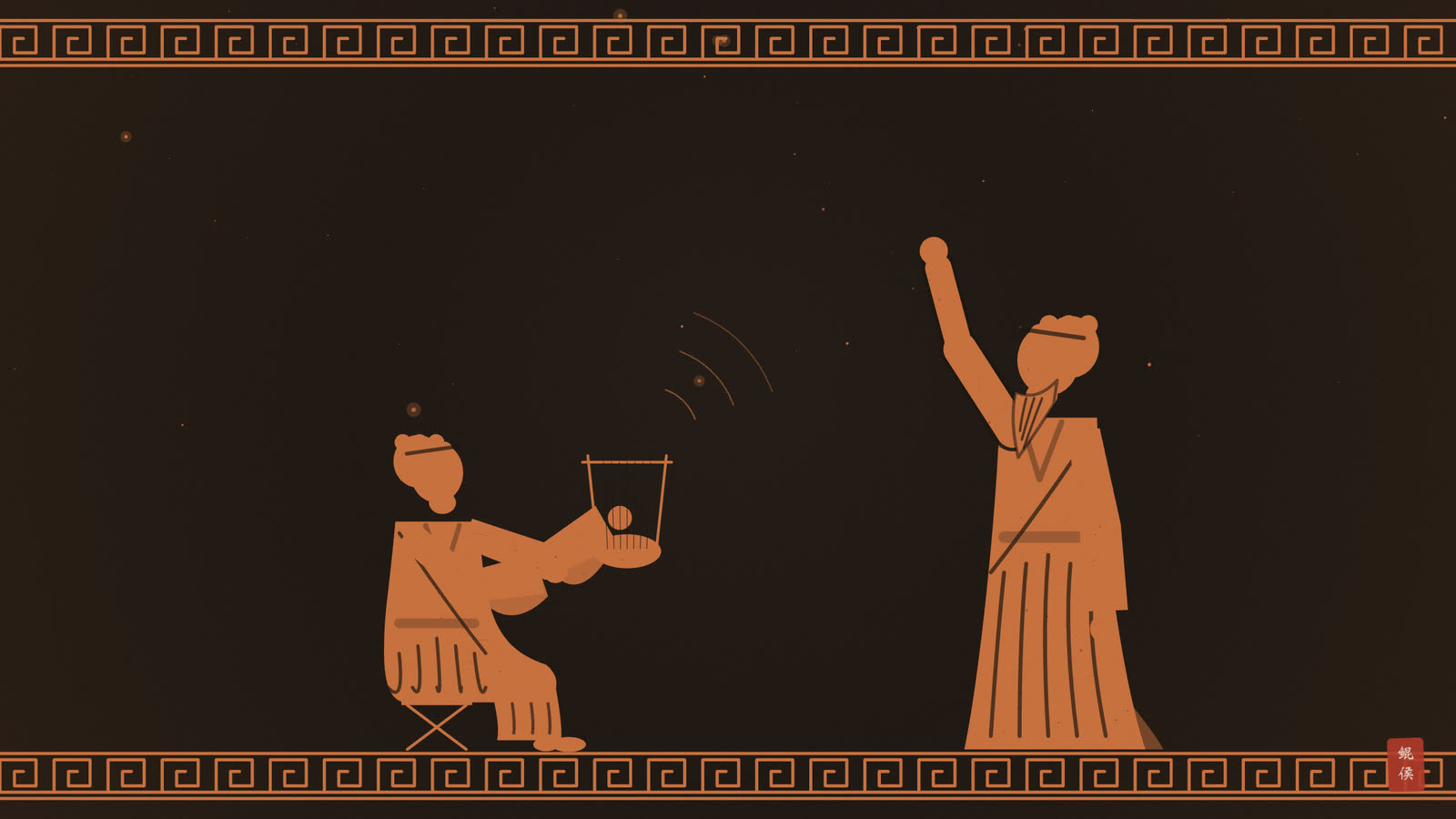
Beside the usual rays of the ⚹, □, △, and ☍, I only suppose the quintile, sesqui-quadrate, and biquintile, to be powerful, as experience evinces from the symmetrical concerts of sound, from which the very excellent Kepler, in a most exquisite manner of resemblance, collects the rays of the stars in the heavens, Whatever may be the opinion of others with regard to the semi-sextile, semi-quadrate, and several others, to which it seems quite absurd to assign any efficacy, (with this one exception) I confess, that in the same quadrate's distances, sounds begin to arrive at a degree of harmony, but altogether imperfect to this, therefore some portion of efficacy may be attributed; and on this principle I think that neither the Sun nor Moon become the prorogation of life, except they be semi-quadrate distance from the horoscope, or half of their semi-diurnal arc.
翻译点开
CANON XXIX.
第二十九则。
To direct the Cardinal Signs to the Rays of the Quintile or Sesqui-quadrate and Biquintile.
四角向五分或倍半四分与倍五分光线的推运。
Beside the usual rays of the ⚹, □, △, and ☍, I only suppose the quintile, sesqui-quadrate, and biquintile, to be powerful, as experience evinces from the symmetrical concerts of sound, from which the very excellent Kepler, in a most exquisite manner of resemblance, collects the rays of the stars in the heavens, Whatever may be the opinion of others with regard to the semi-sextile, semi-quadrate, and several others, to which it seems quite absurd to assign any efficacy, (with this one exception) I confess, that in the same quadrate's distances, sounds begin to arrive at a degree of harmony, but altogether imperfect to this, therefore some portion of efficacy may be attributed; and on this principle I think that neither the Sun nor Moon become the prorogation of life, except they be semi-quadrate distance from the horoscope, or half of their semi-diurnal arc.
除了通常的六分、四分、三分与对冲诸光线,我只认为五分、倍半四分与倍五分有力,这是经验从声音的对称和谐中证明的;杰出的开普勒正是由此,以极精妙的类比,汇集天上星辰的光线。无论别人对半六分、半四分以及其他若干相位意见如何,给它们指派任何效力在我看来都十分荒谬(只有一个例外),我承认,在同一四分的距离上,声音开始达到某种程度的和谐,但比起这个全然不完美,因此可以给它一些效力;根据这个原理,我认为太阳与月亮都不成为生命的释放者,除非它们离上升点有半四分的距离,即它们半昼弧的一半。
大意与图解点开
🔎 大意:普拉西德斯依开普勒的音律类比,只承认五分、倍半四分、倍五分三种新相位;半四分只给一点效力,其余一概不取。
📖 术语
| 术语 | 英文原词 | 意思 |
|---|---|---|
| 倍半四分 | sesqui-quadrate | 相距一百三十五度 |
| 倍五分 | biquintile | 相距一百四十四度 |
| 半六分 | semi-sextile | 相距三十度 |
| 半四分 | semi-quadrate | 相距四十五度 |
| 开普勒 | Kepler | 德国天文学家 |
🧭 图解与讲解
第二十九则先交代为什么在会合、六分、四分、三分、对冲之外,只再加五分、倍半四分、倍五分三种(表一)。理由来自开普勒:他用音律中和谐的比例来类比天上的光线,弦长成某些比例时声音和谐,星光成相应的比例时就有效力。普拉西德斯接受这一类比,所以第一部天的哲学第四十二条说相位共有九种:会合、六分、五分、四分、三分、倍半四分、倍五分、对冲,再加平行。
| 相位 | 世界上的量 | 普拉西德斯的取舍 |
|---|---|---|
| 会合、六分、四分、三分、对冲 | 半弧的 0、2/3、1、4/3、2 倍 | 通常的光线,有力 |
| 五分 | 半弧的 4/5 | 有力(开普勒的音律比例) |
| 倍半四分 | 半弧的 3/2 | 有力 |
| 倍五分 | 半弧的 8/5 | 有力 |
| 半四分 | 半弧的 1/2 | 唯一的例外:和谐不完美,给一些效力 |
| 半六分及其他 | — | 指派效力「十分荒谬」 |
〔图〕半四分的一点效力,用在释放之位上
半六分、半四分等,他斥为「十分荒谬」,只给半四分留了一点余地:在半个四分的距离上,声音开始有某种不完美的和谐。他由此推出一条释放之位的规定(图二):太阳或月亮离上升点不到半四分,即还没有走完半昼弧的一半,就不取作生命的释放者。这正好对应托勒密说的上升点以上的那段位置。
📖 术语
| 术语 | 英文原词 | 意思 |
|---|---|---|
| 倍半四分 | sesqui-quadrate | 相距一百三十五度 |
| 倍五分 | biquintile | 相距一百四十四度 |
| 半六分 | semi-sextile | 相距三十度 |
| 半四分 | semi-quadrate | 相距四十五度 |
| 开普勒 | Kepler | 德国天文学家 |
🧭 图解与讲解
第二十九则先交代为什么在会合、六分、四分、三分、对冲之外,只再加五分、倍半四分、倍五分三种(表一)。理由来自开普勒:他用音律中和谐的比例来类比天上的光线,弦长成某些比例时声音和谐,星光成相应的比例时就有效力。普拉西德斯接受这一类比,所以第一部天的哲学第四十二条说相位共有九种:会合、六分、五分、四分、三分、倍半四分、倍五分、对冲,再加平行。
| 相位 | 世界上的量 | 普拉西德斯的取舍 |
|---|---|---|
| 会合、六分、四分、三分、对冲 | 半弧的 0、2/3、1、4/3、2 倍 | 通常的光线,有力 |
| 五分 | 半弧的 4/5 | 有力(开普勒的音律比例) |
| 倍半四分 | 半弧的 3/2 | 有力 |
| 倍五分 | 半弧的 8/5 | 有力 |
| 半四分 | 半弧的 1/2 | 唯一的例外:和谐不完美,给一些效力 |
| 半六分及其他 | — | 指派效力「十分荒谬」 |
半六分、半四分等,他斥为「十分荒谬」,只给半四分留了一点余地:在半个四分的距离上,声音开始有某种不完美的和谐。他由此推出一条释放之位的规定(图二):太阳或月亮离上升点不到半四分,即还没有走完半昼弧的一半,就不取作生命的释放者。这正好对应托勒密说的上升点以上的那段位置。
Above it, we may easily calculate the sesqui-quadrate ray to the cardinal signs, for it consists of the quarter of the world, and half of another quarter; or of the semi-diurnal or nocturnal arc; and also of half of the same, or another, so that the stars have this ray to the medium cœli, and the east, in the mean distance between the west and imum cœli; to the medium cœli and west, in the mean distance from the imum cœli to the east; to the west and imum cœli, in the middle between the east and the medium cœli, to the imum and east; in the middle, between the medium and the west.
For the calculation, divide the semi-diurnal arc into two equal parts; or as occasion requires, the semi-nocturnal of the stars, and this half part is the secondary distance from both the cardinal signs, as beforementioned.—In the example of the former Canon, the Sun forms the sesqui-quadrate to the west, and to the imum cœli, when it is the mean distance between the east and medium cœli, the Sun's semi-diurnal arc is 64.12, the half of this 32.6; wherefore I substract this secondary distance from the primary, which is betwixt it and the medium cœli, being 51.32, and there remains the arc of direction 19.26.
But as this secondary distance, as well from the preceding as the succedent cardinal house, is the same, the Sun's primary distance from the east is 12.40. I substract this from the secondary, and the remainder is the same arc of direction, 19.26.
Likewise, half the same semi-diurnal arc consists of the triplicate horary times; wherefore, if we add the Sun's horary times to its distance from the twelfth house, which was the arc of direction of the medium cœli to the Sun's ⚹, that is. 8.44, the Sun's horary times are 10.42; the sum is the arc of direction 19.26.
翻译点开
Above it, we may easily calculate the sesqui-quadrate ray to the cardinal signs, for it consists of the quarter of the world, and half of another quarter; or of the semi-diurnal or nocturnal arc; and also of half of the same, or another, so that the stars have this ray to the medium cœli, and the east, in the mean distance between the west and imum cœli; to the medium cœli and west, in the mean distance from the imum cœli to the east; to the west and imum cœli, in the middle between the east and the medium cœli, to the imum and east; in the middle, between the medium and the west.
在上述基础上,我们很容易算出向四角的倍半四分光线,因为它由世界的一个象限加另一象限的一半构成;即由半昼弧或半夜弧,再加上同一个或另一个的一半构成;所以星辰与中天和东方成这光线时,位于西方与天底的正中间;与中天和西方成这光线时,位于天底到东方的正中间;与西方和天底成这光线时,位于东方与中天的正中间;与天底和东方成这光线时,位于中天与西方的正中间。
For the calculation, divide the semi-diurnal arc into two equal parts; or as occasion requires, the semi-nocturnal of the stars, and this half part is the secondary distance from both the cardinal signs, as beforementioned.—In the example of the former Canon, the Sun forms the sesqui-quadrate to the west, and to the imum cœli, when it is the mean distance between the east and medium cœli, the Sun's semi-diurnal arc is 64.12, the half of this 32.6; wherefore I substract this secondary distance from the primary, which is betwixt it and the medium cœli, being 51.32, and there remains the arc of direction 19.26.
计算时,把星的半昼弧,或视情况把半夜弧,分成两等分,这一半就是离两个角的次距,如前所述。——在上一则的例子中,太阳位于东方与中天的正中间时,与西方和天底成倍半四分;太阳的半昼弧是六十四度十二分,一半是三十二度六分;所以我从它与中天之间的初距五十一度三十二分中减去这个次距,余下推运弧十九度二十六分。
But as this secondary distance, as well from the preceding as the succedent cardinal house, is the same, the Sun's primary distance from the east is 12.40. I substract this from the secondary, and the remainder is the same arc of direction, 19.26.
但因为这个次距,无论从前面的还是后面的角宫量,都相同,而太阳离东方的初距是十二度四十分,我从次距中减去它,余数是同一个推运弧,十九度二十六分。
Likewise, half the same semi-diurnal arc consists of the triplicate horary times; wherefore, if we add the Sun's horary times to its distance from the twelfth house, which was the arc of direction of the medium cœli to the Sun's ⚹, that is. 8.44, the Sun's horary times are 10.42; the sum is the arc of direction 19.26.
同样,同一半昼弧的一半由三个时量构成;所以,若把太阳的时量加到它离第十二宫的距离上,这距离就是中天向太阳六分的推运弧,即八度四十四分,太阳的时量是十度四十二分,和数就是推运弧十九度二十六分。
大意与图解点开
🔎 大意:倍半四分是一个象限加半个象限,星在两角正中时成立。太阳到东方与中天正中,与西方、天底成倍半四分,得十九度二十六分。
📖 术语
| 术语 | 英文原词 | 意思 |
|---|---|---|
| 象限 | quarter of the world | 两角之间的四分之一圈 |
| 正中间 | mean distance | 两角之间的中点 |
| 角宫 | cardinal house | 上升、中天、下降、天底 |
| 三个时量 | triplicate horary times | 半弧的一半 |
🧭 图解与讲解
倍半四分是一百三十五度,即一个象限加半个象限。在世界上,象限就是星的半昼弧或半夜弧,所以星位于某个象限的正中点时,就与夹着对面象限的两个角都成倍半四分(表二)。例如星在东方与中天的正中间,离西方是半昼弧加半昼弧的一半,离天底是半夜弧加半昼弧的一半,同时与西方、天底成倍半四分。
| 步骤 | 算什么 | 用哪个数 | 结果 |
|---|---|---|---|
| 一 | 次距:半昼弧的一半 | 64°12′ ÷ 2 | 32°6′ |
| 法一 | 从离中天的初距中减去次距 | 51°32′ − 32°6′ | 19°26′ |
| 法二 | 次距减去离东方的初距 | 32°6′ − 12°40′(12°40′ = 64°12′ − 51°32′) | 19°26′ |
| 法三 | 离第十二宫的距离加一个时量 | 8°44′ + 10°42′ | 19°26′ |
| 星与哪两个角成倍半四分 | 星所在之处 |
|---|---|
| 中天与东方 | 西方与天底的正中间 |
| 中天与西方 | 天底与东方的正中间 |
| 西方与天底 | 东方与中天的正中间 |
| 天底与东方 | 中天与西方的正中间 |
例子仍是摩羯一度的太阳(表一)。太阳半昼弧六十四度十二分,一半是三十二度六分,这是它离东方、离中天都应有的次距。三种算法结果一致:离中天的初距五十一度三十二分减次距;次距减离东方的初距十二度四十分;或者把上一单元算过的中天向六分的推运弧八度四十四分(太阳到第十二宫宫头),再加一个时量,因为半个半弧正好是三个时量。
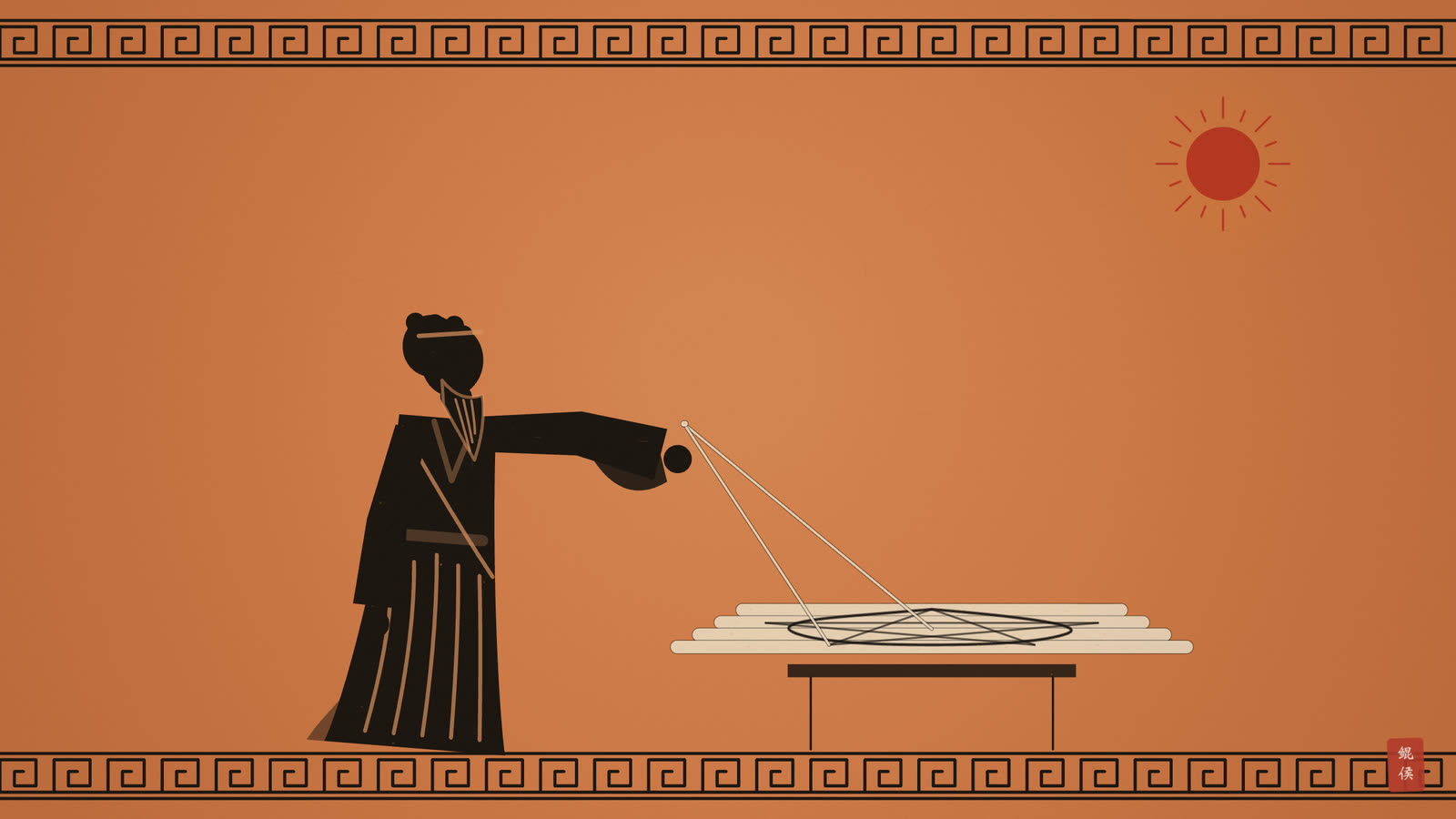
You see, therefore, there are several ways of directing the angles to the aspects of the stars; but to calculate the rays quintile and biquintile with ease and exactness, we must understand the Pentagonal figure in the opposite plate, wherein the point A may represent any cardinal sign of the world, or any other significator to be directed to the quintile and biquintile: the points F, G, H, are the other three cardinal signs;
B is the end of the quintile, C of the biquintile, D the point of another quintile, E of another biquintile, and F of the opposition; the fourth AG, CF, FH, HA, are the quadrates or quarters of the world, or arcs, which, by the stars in those quarters, are semi-diurnal or semi-nocturnal, which may be various in quantity, according to the variety of the declination of the stars, and altitude of the pole.
If the point A may be said to be the medium cœli, divide the semi-diurnal arc of the aspecting star into five equal parts, four of which constitute the ray quintile, both in points D and B: also let the semi-nocturnal arc be divided into five equal parts; three parts after adding the whole semi-diurnal arc, constitute the biquintile rays in the point E C; so that two parts out of five of the semi-nocturnal arc are wanting to the opposition.
But if the point A represents the horoscope four out of five parts of the semi-diurnal arc, makes the quintile above the earth so many of the semi-nocturnal arcs under the earth; adding the other four to both of them, make the biquintile.
It is to be known likewise that the quintile ray, compared to the ⚹, is greater than the ⚹ by its fifth part; for it consists of twelve parts more than the ⚹, which is the 5th part of the ⚹, or 60 parts; compared to the quadrate, it is less by five parts of the same quadrate, that is, 18°, which are the fifth part of that □, or 90; and the biquintile is greater than the △, by its fifth part, viz. 24, which are the fifth part of the trigon or 120°, but is less than the ☍ by five parts, that is, 36 of the ☍, viz. 180, or three parts out of five of the ⚹, that is, made a〔?〕 the ☍; from these it is inferred that there are two ways very easy to calculate the directions of these rays.
The first is, by adding the quintile's distance to the ascension of the aspecting star, if it preceds the cardinal sign that is directed; or by substracting, if it follows; and from the sum or remainder, substracting the cardinal ascension for the remainder, is the arc of direction required.
翻译点开
You see, therefore, there are several ways of directing the angles to the aspects of the stars; but to calculate the rays quintile and biquintile with ease and exactness, we must understand the Pentagonal figure in the opposite plate, wherein the point A may represent any cardinal sign of the world, or any other significator to be directed to the quintile and biquintile: the points F, G, H, are the other three cardinal signs;
由此你看到,把四角推向诸星的相位有好几种方法;但要轻松而精确地计算五分与倍五分光线,就必须理解对页图版上的五边形图:其中甲点可代表世界的任何一个角,或任何别的要推向五分与倍五分的征象星;己、庚、辛三点是另外三个角;
B is the end of the quintile, C of the biquintile, D the point of another quintile, E of another biquintile, and F of the opposition; the fourth AG, CF, FH, HA, are the quadrates or quarters of the world, or arcs, which, by the stars in those quarters, are semi-diurnal or semi-nocturnal, which may be various in quantity, according to the variety of the declination of the stars, and altitude of the pole.
乙是五分的终点,丙是倍五分的终点,丁是另一个五分之点,戊是另一个倍五分之点,己是对冲之点;第四,甲庚、丙己、己辛、辛甲,是世界的四分或四个象限,即诸弧,按照位于这些象限中的星,是半昼弧或半夜弧,其数量可以各不相同,随星的赤纬与天极高度的不同而变。
If the point A may be said to be the medium cœli, divide the semi-diurnal arc of the aspecting star into five equal parts, four of which constitute the ray quintile, both in points D and B: also let the semi-nocturnal arc be divided into five equal parts; three parts after adding the whole semi-diurnal arc, constitute the biquintile rays in the point E C; so that two parts out of five of the semi-nocturnal arc are wanting to the opposition.
若甲点代表中天,就把成相位之星的半昼弧分成五等分,其中四份构成五分光线,在丁、乙两点都是如此;再把半夜弧也分成五等分,加上整个半昼弧之后再加三份,就构成戊、丙两点的倍五分光线;所以离对冲还差半夜弧五份中的两份。
But if the point A represents the horoscope four out of five parts of the semi-diurnal arc, makes the quintile above the earth so many of the semi-nocturnal arcs under the earth; adding the other four to both of them, make the biquintile.
但若甲点代表上升点,半昼弧五份中的四份在地平以上构成五分,半夜弧同样多份在地平以下构成五分;在两者上各再加四份,就构成倍五分。
It is to be known likewise that the quintile ray, compared to the ⚹, is greater than the ⚹ by its fifth part; for it consists of twelve parts more than the ⚹, which is the 5th part of the ⚹, or 60 parts; compared to the quadrate, it is less by five parts of the same quadrate, that is, 18°, which are the fifth part of that □, or 90; and the biquintile is greater than the △, by its fifth part, viz. 24, which are the fifth part of the trigon or 120°, but is less than the ☍ by five parts, that is, 36 of the ☍, viz. 180, or three parts out of five of the ⚹, that is, made a〔?〕 the ☍; from these it is inferred that there are two ways very easy to calculate the directions of these rays.
还要知道,五分光线与六分相比,比六分大六分的五分之一;因为它比六分多十二度,这是六分即六十度的五分之一;与四分相比,它小四分的五分之一,即十八度,这是四分即九十度的五分之一;倍五分比三分大三分的五分之一,即二十四度,这是三角即一百二十度的五分之一,但比对冲小对冲的五分之一,即三十六度,对冲为一百八十度,或说是六分的五分之三,即与对冲所差之数;由此推知,计算这些光线的推运有两种非常容易的方法。
The first is, by adding the quintile's distance to the ascension of the aspecting star, if it preceds the cardinal sign that is directed; or by substracting, if it follows; and from the sum or remainder, substracting the cardinal ascension for the remainder, is the arc of direction required.
第一种是:若成相位之星在被推运的角之前,就把五分的距离加到它的上升上;若在其后,就减去;再从和数或余数中减去该角的上升,余数就是所求的推运弧。
大意与图解点开
🔎 大意:五边形图里象限即星的半弧:五分是半弧的五分之四,倍五分是一个半弧加另一半弧的五分之三;由此可从常用光线加减求得。
📖 术语
| 术语 | 英文原词 | 意思 |
|---|---|---|
| 五边形图 | Pentagonal figure | 原书插图,本站不收 |
| 终点 | end | 光线落到之点 |
| 三角 | trigon | 即三分 |
| 天极高度 | altitude of the pole | 即本地纬度 |
| 上升 | ascension | 赤经或斜升 |
🧭 图解与讲解
原书在这里附了一幅五边形图,本站不收图版,按文字整理成表一。甲点代表要推运的角(或任一征象星),另外三个角在圆周上把它分成四个象限;象限不是固定的九十度,而是位于其中的星的半昼弧或半夜弧,随星的赤纬与天极高度而长短不同。甲为中天时,两个五分在半昼弧的五分之四处,两个倍五分在过了地平、再走半夜弧五分之三处,离对冲还差半夜弧的五分之二。
| 点 | 意义 | 甲为中天时离甲的距离 |
|---|---|---|
| 甲 | 任一个角,或任一征象星 | 0 |
| 乙、丁 | 两个五分 | 半昼弧的 4/5 |
| 庚、辛 | 另外两个角(上升、下降) | 半昼弧 |
| 丙、戊 | 两个倍五分 | 半昼弧 + 半夜弧的 3/5 |
| 己 | 对冲(天底) | 半昼弧 + 半夜弧 |
| 光线 | 黄道上的度数 | 与邻近光线比 | 世界上的量 |
|---|---|---|---|
| 五分 | 72° | 六分 60° + 12°(六分的 1/5);四分 90° − 18°(四分的 1/5) | 半弧的 4/5 |
| 倍半四分 | 135° | 三分 120° + 15°(一个时量) | 半弧的 3/2 |
| 倍五分 | 144° | 三分 120° + 24°(三分的 1/5);对冲 180° − 36°(对冲的 1/5) | 半弧的 8/5 |
然后他把五分家族与常用光线比较(表二):五分比六分多六分的五分之一,比四分少四分的五分之一;倍五分比三分多三分的五分之一,比对冲少对冲的五分之一;倍半四分比三分多十五度,即一个时量。所以只要已有六分、四分、三分或对冲的推运弧,加减一个比例部分就行,这是第二种方法,下文第二十八行起详说。
原书此处疑有误:四个象限列作「甲庚、丙己、己辛、辛甲」,丙是倍五分之点,不是角,按文意当作「庚己」。「第四」一词也不通,扫描本上有后人手改作「四条线」,本站不收手改,照印。
Let there be an example of the Quintile.
We have said in the above given example, the Sun's oblique ascension is 296.51, that is, to the latitude of the country; the semi-diurnal arc 64.12, the fifth part of which is 12.50; which taken from the whole semi-diurnal arc, leaves four of the five parts of that semi-diurnal arc, viz. 51.22. I add these to the Sun's oblique ascension taken in the horoscope, as it precedes it; and I make the aggregate 348.13, from which I substract the horoscope's oblique ascension, and there remains the arc of direction 38.40, viz. the quintile of Sol to the horoscope.
Or I substract 51.22 from the Sun's right ascension, which is 271° 5', by reason it succeeds the medium cœli, and the remainder is 219 43; from these substracting the right ascension of the medium cœli, which is 219.33, leaves the medium cœli arc of direction to the Sun's quintile 0° 10'; or I substract the quintile's secondary direction of the said distance, which is 51.22, from the Sun's primary distance from the medium cœli, which is 51.32, and there remains the same arc of direction.
翻译点开
Let there be an example of the Quintile.
举一个五分的例子。
We have said in the above given example, the Sun's oblique ascension is 296.51, that is, to the latitude of the country; the semi-diurnal arc 64.12, the fifth part of which is 12.50; which taken from the whole semi-diurnal arc, leaves four of the five parts of that semi-diurnal arc, viz. 51.22. I add these to the Sun's oblique ascension taken in the horoscope, as it precedes it; and I make the aggregate 348.13, from which I substract the horoscope's oblique ascension, and there remains the arc of direction 38.40, viz. the quintile of Sol to the horoscope.
在上面所举的例子中,我们说过,太阳的斜升是二百九十六度五十一分,即按本地纬度所取;半昼弧六十四度十二分,其五分之一是十二度五十分;从整个半昼弧中减去它,剩下半昼弧五份中的四份,即五十一度二十二分。因为太阳在上升点之前,我就把它加到在上升点所取的太阳的斜升上,得总和三百四十八度十三分,从中减去上升点的斜升,余下推运弧三十八度四十分,即太阳的五分到上升点。
Or I substract 51.22 from the Sun's right ascension, which is 271° 5', by reason it succeeds the medium cœli, and the remainder is 219 43; from these substracting the right ascension of the medium cœli, which is 219.33, leaves the medium cœli arc of direction to the Sun's quintile 0° 10'; or I substract the quintile's secondary direction of the said distance, which is 51.22, from the Sun's primary distance from the medium cœli, which is 51.32, and there remains the same arc of direction.
或者,因为太阳在中天之后,我从太阳的赤经二百七十一度五分中减去五十一度二十二分,余数是二百一十九度四十三分;从中减去中天的赤经二百一十九度三十三分,余下中天向太阳五分的推运弧零度十分;或者,从太阳离中天的初距五十一度三十二分中,减去上述距离的五分次距五十一度二十二分,余下同一个推运弧。
大意与图解点开
🔎 大意:太阳半昼弧的五分之四是五十一度二十二分:加到太阳斜升上得上升点向五分三十八度四十分;中天向太阳五分只有零度十分。
📖 术语
| 术语 | 英文原词 | 意思 |
|---|---|---|
| 五分次距 | quintile's secondary distance | 半弧的五分之四 |
| 总和 | aggregate | 相加所得 |
| 在前 | precedes | 尚未到达那个角 |
🧭 图解与讲解
五分的距离是半弧的五分之四:太阳半昼弧六十四度十二分,五分之一十二度五十分,五分之四五十一度二十二分(表一)。太阳在上升点之前(还在第十二宫,要往中天走,离上升点越来越远),所以上升点向太阳五分,就是太阳斜升加上这段距离,再减上升点的斜升,得三十八度四十分。
| 步骤 | 算什么 | 用哪个数 | 结果 |
|---|---|---|---|
| 一 | 太阳半昼弧的 1/5 | 64°12′ ÷ 5 | 12°50′ |
| 二 | 五分的距离(半昼弧的 4/5) | 64°12′ − 12°50′ | 51°22′ |
| 三 | 上升点 → 太阳五分 | 296°51′ + 51°22′ = 348°13′;减 309°33′ | 38°40′ |
| 四 | 中天 → 太阳五分(法一) | 271°5′ − 51°22′ = 219°43′;减 219°33′ | 0°10′ |
| 五 | 中天 → 太阳五分(法二) | 初距 51°32′ − 次距 51°22′ | 0°10′ |
〔图〕五分落在离角五分之四半弧处:太阳离中天已近此数
中天向太阳五分只差十分:太阳离中天的初距五十一度三十二分,五分要求的次距五十一度二十二分,几乎已经成立(图二)。照第一部第六十五条以下的量度,推运弧一度约当一年,十分只合两个月上下,说明出生后不久中天就与太阳成五分。普拉西德斯给出两种算法,一用赤经,一用初距与次距,结果相同。
📖 术语
| 术语 | 英文原词 | 意思 |
|---|---|---|
| 五分次距 | quintile's secondary distance | 半弧的五分之四 |
| 总和 | aggregate | 相加所得 |
| 在前 | precedes | 尚未到达那个角 |
🧭 图解与讲解
五分的距离是半弧的五分之四:太阳半昼弧六十四度十二分,五分之一十二度五十分,五分之四五十一度二十二分(表一)。太阳在上升点之前(还在第十二宫,要往中天走,离上升点越来越远),所以上升点向太阳五分,就是太阳斜升加上这段距离,再减上升点的斜升,得三十八度四十分。
| 步骤 | 算什么 | 用哪个数 | 结果 |
|---|---|---|---|
| 一 | 太阳半昼弧的 1/5 | 64°12′ ÷ 5 | 12°50′ |
| 二 | 五分的距离(半昼弧的 4/5) | 64°12′ − 12°50′ | 51°22′ |
| 三 | 上升点 → 太阳五分 | 296°51′ + 51°22′ = 348°13′;减 309°33′ | 38°40′ |
| 四 | 中天 → 太阳五分(法一) | 271°5′ − 51°22′ = 219°43′;减 219°33′ | 0°10′ |
| 五 | 中天 → 太阳五分(法二) | 初距 51°32′ − 次距 51°22′ | 0°10′ |
中天向太阳五分只差十分:太阳离中天的初距五十一度三十二分,五分要求的次距五十一度二十二分,几乎已经成立(图二)。照第一部第六十五条以下的量度,推运弧一度约当一年,十分只合两个月上下,说明出生后不久中天就与太阳成五分。普拉西德斯给出两种算法,一用赤经,一用初距与次距,结果相同。
Of the biquintile, care must be taken, that if we want to substract the distance of this ray, which consists of eight parts out of ten of the whole diurnal or nocturnal arc, when to the rays we direct either to the medium or imum cœli; instead of these five parts, we must take the whole semi-diurnal or nocturnal arc of the aspecting star of the other hemisphere; the other three of the same hemisphere in which the star remains; but of the biquintile, let us reject this method. The easier way, which also serves for all these rays, whenever the significators, as we call them, are found out of the cardinal signs, is this:
When you have found the direction, either to sextile, quartile, or opposition from the pole, adding or substracting the proportional parts, by which the quintile, sesqui-quadrate, and biquintile, are greater or less than the other ray, we shall obtain the arc of direction; for if you have the arc of direction to the ⚹, and want the same to the quintile, add to the quintile, if it be subsequent, or substract if it precedes the fifth part of the sextile from its arc of direction, and the remainder or aggregate is the arc of direction required.
But remember, the ⚹ consists of the diurnal horary times, four times computed, if the aspecting star be above the earth; of the nocturnal, if below. Or if you have the direction to the quintile, for the quintile add, if it succeed; or substract, if the quintile precede the fifth part of the quadrate, from that quartile's arc of direction.
If you have the direction to the trine, and want that of the sesqui-quadrate, add, if this follows, or substract, if it precedes the horary times of the aspecting star, whereby the sesqui-quadrate is greater than the trine. When I say horary times, understand diurnal, if the aspecting star be above the earth, &c.
If you require the direction's arc to the biquintile, and have already the arc of direction to the trine, multiply four times the diurnal horary times of the aspecting star, if it be above the earth; the nocturnal, if under the earth; and from the product, take two of the five parts, which add, if the biquintile succeeds the trine; but if it precedes, substract from the trine's arc of direction, and the remainder or sum is the arc of direction to the biquintile; but if you have the direction's arc to the opposition, take two of the five parts of the star's semi-diurnal arc, if it is above the earth; or seminocturnal, if below; and if the biquintile succeeds the opposition, add to the same direction's arc; but if it precedes, substract these two parts, and the remainder, or sum, is the arc of direction to the biquintile.
翻译点开
Of the biquintile, care must be taken, that if we want to substract the distance of this ray, which consists of eight parts out of ten of the whole diurnal or nocturnal arc, when to the rays we direct either to the medium or imum cœli; instead of these five parts, we must take the whole semi-diurnal or nocturnal arc of the aspecting star of the other hemisphere; the other three of the same hemisphere in which the star remains; but of the biquintile, let us reject this method. The easier way, which also serves for all these rays, whenever the significators, as we call them, are found out of the cardinal signs, is this:
关于倍五分,要注意:这种光线由整个昼弧或夜弧十份中的八份构成,若我们把光线推向中天或天底,想减去这光线的距离,就不能取那五份,而必须取成相位之星在另一半球的整个半昼弧或半夜弧,再取它所在同一半球的另外三份;但对于倍五分,我们不用这个方法。更容易的方法,对所有这些光线都适用,只要征象星——我们这样称呼——位于四角以外,就是这样:
When you have found the direction, either to sextile, quartile, or opposition from the pole, adding or substracting the proportional parts, by which the quintile, sesqui-quadrate, and biquintile, are greater or less than the other ray, we shall obtain the arc of direction; for if you have the arc of direction to the ⚹, and want the same to the quintile, add to the quintile, if it be subsequent, or substract if it precedes the fifth part of the sextile from its arc of direction, and the remainder or aggregate is the arc of direction required.
当你已从极高求得向六分、四分或对冲的推运之后,加上或减去五分、倍半四分与倍五分比另一种光线大或小的那个比例部分,就得推运弧;因为若你已有向六分的推运弧,想求向五分的,就在五分在后时加上、在前时减去六分的五分之一,从六分的推运弧中加减,余数或和数就是所求的推运弧。
But remember, the ⚹ consists of the diurnal horary times, four times computed, if the aspecting star be above the earth; of the nocturnal, if below. Or if you have the direction to the quintile, for the quintile add, if it succeed; or substract, if the quintile precede the fifth part of the quadrate, from that quartile's arc of direction.
但要记住,若成相位之星在地平以上,六分由四个昼时量构成;若在地平以下,由夜时量构成。或者,若你已有向五分的推运,为求五分,若五分在后就加上,若五分在前就减去四分的五分之一,从那四分的推运弧中加减。
If you have the direction to the trine, and want that of the sesqui-quadrate, add, if this follows, or substract, if it precedes the horary times of the aspecting star, whereby the sesqui-quadrate is greater than the trine. When I say horary times, understand diurnal, if the aspecting star be above the earth, &c.
若你已有向三分的推运,想求倍半四分的,就在倍半四分在后时加上、在前时减去成相位之星的时量,倍半四分正比三分大这么多。我说时量,若成相位之星在地平以上,指昼时量,等等。
If you require the direction's arc to the biquintile, and have already the arc of direction to the trine, multiply four times the diurnal horary times of the aspecting star, if it be above the earth; the nocturnal, if under the earth; and from the product, take two of the five parts, which add, if the biquintile succeeds the trine; but if it precedes, substract from the trine's arc of direction, and the remainder or sum is the arc of direction to the biquintile; but if you have the direction's arc to the opposition, take two of the five parts of the star's semi-diurnal arc, if it is above the earth; or seminocturnal, if below; and if the biquintile succeeds the opposition, add to the same direction's arc; but if it precedes, substract these two parts, and the remainder, or sum, is the arc of direction to the biquintile.
若你要求向倍五分的推运弧,而已有向三分的推运弧,就把成相位之星的昼时量乘以四(若它在地平以上;在地平以下则用夜时量),从乘积中取五份中的两份;若倍五分在三分之后,就加上;若在前,就从三分的推运弧中减去,余数或和数就是向倍五分的推运弧;但若你已有向对冲的推运弧,就取星的半昼弧(若它在地平以上;在地平以下则取半夜弧)五份中的两份;若倍五分在对冲之后,就加到同一推运弧上;若在前,就减去这两份,余数或和数就是向倍五分的推运弧。
大意与图解点开
🔎 大意:第二种方法:已有六分、四分、三分或对冲的推运弧,加减一个比例部分即得五分、倍半四分、倍五分,比例部分都用时量表示。
📖 术语
| 术语 | 英文原词 | 意思 |
|---|---|---|
| 比例部分 | proportional part | 两种光线之差 |
| 在后 / 在前 | subsequent / precedes | 晚于 / 早于那个光线 |
| 乘以四 | four times computed | 四个时量即六分 |
| 半球 | hemisphere | 地平上或地平下 |
🧭 图解与讲解
倍五分是对冲的十分之八,要跨过地平,从一个半球进入另一个半球;两个半球的半弧长短不同,直接量距离就得一半取另一半球的整个半弧、一半取本半球的五分之三,十分麻烦(图二)。所以他给出「更容易的方法」:先求出向六分、四分、三分或对冲的推运弧,再加减一个比例部分(表一)。光线在已知光线之后就加,在前就减。
| 已有向哪种光线的推运弧 | 要求 | 加减的比例部分(在后加、在前减) |
|---|---|---|
| 六分 | 五分 | 六分的 1/5(四个时量的 1/5) |
| 四分 | 五分 | 四分的 1/5(半弧的 1/5) |
| 三分 | 倍半四分 | 一个时量 |
| 三分 | 倍五分 | 四个时量的 2/5 |
| 对冲 | 倍五分 | 半弧的 2/5 |
〔图〕倍五分不宜直接量:十份中的八份跨过两个半球
比例部分都用时量表示:六分是四个时量,其五分之一就是五分与六分之差;倍半四分比三分多一个时量;倍五分比三分多四个时量的五分之二,比对冲少半弧的五分之二。时量取成相位之星所在半球的,地上用昼时量,地下用夜时量。
原书此处疑有误:第二十九行「若你已有向五分的推运,为求五分」,后文说减去「四分的五分之一」,可见前一个「五分」当作「四分」。本站照印原文,读时按「已有向四分的推运」理解。
📖 术语
| 术语 | 英文原词 | 意思 |
|---|---|---|
| 比例部分 | proportional part | 两种光线之差 |
| 在后 / 在前 | subsequent / precedes | 晚于 / 早于那个光线 |
| 乘以四 | four times computed | 四个时量即六分 |
| 半球 | hemisphere | 地平上或地平下 |
🧭 图解与讲解
倍五分是对冲的十分之八,要跨过地平,从一个半球进入另一个半球;两个半球的半弧长短不同,直接量距离就得一半取另一半球的整个半弧、一半取本半球的五分之三,十分麻烦(图二)。所以他给出「更容易的方法」:先求出向六分、四分、三分或对冲的推运弧,再加减一个比例部分(表一)。光线在已知光线之后就加,在前就减。
| 已有向哪种光线的推运弧 | 要求 | 加减的比例部分(在后加、在前减) |
|---|---|---|
| 六分 | 五分 | 六分的 1/5(四个时量的 1/5) |
| 四分 | 五分 | 四分的 1/5(半弧的 1/5) |
| 三分 | 倍半四分 | 一个时量 |
| 三分 | 倍五分 | 四个时量的 2/5 |
| 对冲 | 倍五分 | 半弧的 2/5 |
比例部分都用时量表示:六分是四个时量,其五分之一就是五分与六分之差;倍半四分比三分多一个时量;倍五分比三分多四个时量的五分之二,比对冲少半弧的五分之二。时量取成相位之星所在半球的,地上用昼时量,地下用夜时量。
原书此处疑有误:第二十九行「若你已有向五分的推运,为求五分」,后文说减去「四分的五分之一」,可见前一个「五分」当作「四分」。本站照印原文,读时按「已有向四分的推运」理解。
As in the example of the former Canon, the arc of direction of the medium cœli to the Sun's sextile is 8.44, the Sun's horary times, as being above the Earth diurnal, are 10.44; four times computed make the sextile's quantity 42.48, whose fifth part is 8.34; I therefore take 8.34 from the sextile's arc of direction, instead of the quintile to the medium cœli, because it precedes the sextile, and there remains the arc of direction to the Sun's quintile 0° 10'.
The direction of the imum cœli to the Sun's sesqui-quadrate, as it follows the trine, is had by adding the Sun's diurnal horary times 10.42, to the arc of direction of the medium cœli to its ⚹, which is the △ to the imum cœli, and the arc of direction becomes 19.26, as above.
Of the imum cœli, to the Sun's biquintile, by adding, as it succeeds the △, two of the fifth part of the Sun's diurnal ⚹, because it is above the Earth, which, as we have said, is 42.48, whose fifth part 8.34, doubled, makes 17.8; wherefore the arc of direction becomes 25.52.
Another way.—The directions of the medium cœli to the Sun, or if the imum cœli to the Sun's ☍, is 51.32, from this I substract, as the biquintile precedes three parts out of five of the ⚹ of the Sun's diurnal arc, that is, 25.40, and there remains the arc of direction 25.52, as above.
The direction of the horoscope to the Sun's quintile is thus obtained:
We have already, in the former Canon, calculated the Sun's sextile to the horoscope, which was 30.6; to this I add, as the quintile succeeds the sextile, the fifth part of the Sun's sextile ray, which is 8.34, and I make the houses arc of direction to the quintile of the Sun 33.40.
Another Method.—The Sun's semi-diurnal arc, which is the quadrate to the houses, is 64.12. that is, of the distance, not of direction, its fifth part is 12.50, which are the Sun's secondary distance from the medium cœli, the primary is 51.32; from which, substracting that secondary one, leaves the arc of direction, 38.42, greater than the former by two, by reason of the fractions that are to be met with in the different calculations.
We have said that the horoscope direction to the Sun's trine, was 72.56; to this I add the Sun's horary times, 10.42, and I make the horoscope arc of directions, to the Sun's sesqui-quadrate, 83.38; or I add the Sun's semi-diurnal arc, 64.12, of the arc of direction of the imum cœli, to the Sun's sesqui-quadrate, which was, as we have said, 19.26, and the same produces the arc of direction, 83.38.
And it is the same in all of them; so that by addition and substraction only, the direction of those rays may be calculated with the greatest exactness. But if any one would provide himself with a Ptolemaic Astrobate, with the horary circles, crepuscules, the Zodiac's latitude, and all other things requisite, it would be of very great service towards foreseeing the aspects, before the calculation, both of this and the following Canons.
翻译点开
As in the example of the former Canon, the arc of direction of the medium cœli to the Sun's sextile is 8.44, the Sun's horary times, as being above the Earth diurnal, are 10.44; four times computed make the sextile's quantity 42.48, whose fifth part is 8.34; I therefore take 8.34 from the sextile's arc of direction, instead of the quintile to the medium cœli, because it precedes the sextile, and there remains the arc of direction to the Sun's quintile 0° 10'.
如上一则的例子,中天向太阳六分的推运弧是八度四十四分,太阳的时量因在地平以上而是昼时量,为十度四十四分;乘以四得六分的量四十二度四十八分,其五分之一是八度三十四分;因为五分在六分之前,我就从六分的推运弧中减去八度三十四分,以代替中天向五分的,余下向太阳五分的推运弧零度十分。
The direction of the imum cœli to the Sun's sesqui-quadrate, as it follows the trine, is had by adding the Sun's diurnal horary times 10.42, to the arc of direction of the medium cœli to its ⚹, which is the △ to the imum cœli, and the arc of direction becomes 19.26, as above.
天底向太阳倍半四分的推运,因倍半四分在三分之后,可把太阳的昼时量十度四十二分,加到中天向太阳六分的推运弧上而得,中天的六分就是天底的三分,推运弧成为十九度二十六分,同上。
Of the imum cœli, to the Sun's biquintile, by adding, as it succeeds the △, two of the fifth part of the Sun's diurnal ⚹, because it is above the Earth, which, as we have said, is 42.48, whose fifth part 8.34, doubled, makes 17.8; wherefore the arc of direction becomes 25.52.
天底向太阳的倍五分:因为它在三分之后,就加上太阳昼六分的五分之二,因太阳在地平以上;如前所说,昼六分是四十二度四十八分,其五分之一八度三十四分,加倍得十七度八分;所以推运弧成为二十五度五十二分。
Another way.—The directions of the medium cœli to the Sun, or if the imum cœli to the Sun's ☍, is 51.32, from this I substract, as the biquintile precedes three parts out of five of the ⚹ of the Sun's diurnal arc, that is, 25.40, and there remains the arc of direction 25.52, as above.
另一法。——中天向太阳,或天底向太阳对冲的推运弧,是五十一度三十二分;因为倍五分在前,我从中减去太阳昼弧六分的五分之三,即二十五度四十分,余下推运弧二十五度五十二分,同上。
The direction of the horoscope to the Sun's quintile is thus obtained:
上升点向太阳五分的推运是这样求得的:
We have already, in the former Canon, calculated the Sun's sextile to the horoscope, which was 30.6; to this I add, as the quintile succeeds the sextile, the fifth part of the Sun's sextile ray, which is 8.34, and I make the houses arc of direction to the quintile of the Sun 33.40.
我们在上一则中已算出太阳的六分到上升点,是三十度六分;因为五分在六分之后,我就加上太阳六分光线的五分之一,即八度三十四分,得诸宫向太阳五分的推运弧三十三度四十分。
Another Method.—The Sun's semi-diurnal arc, which is the quadrate to the houses, is 64.12. that is, of the distance, not of direction, its fifth part is 12.50, which are the Sun's secondary distance from the medium cœli, the primary is 51.32; from which, substracting that secondary one, leaves the arc of direction, 38.42, greater than the former by two, by reason of the fractions that are to be met with in the different calculations.
另一方法。——太阳的半昼弧,即对诸宫的四分,是六十四度十二分,这是距离,不是推运弧;其五分之一十二度五十分,就是太阳离中天的次距,初距是五十一度三十二分;从中减去那个次距,余下推运弧三十八度四十二分,比前一个大二分,这是由于不同计算中遇到的零数之故。
We have said that the horoscope direction to the Sun's trine, was 72.56; to this I add the Sun's horary times, 10.42, and I make the horoscope arc of directions, to the Sun's sesqui-quadrate, 83.38; or I add the Sun's semi-diurnal arc, 64.12, of the arc of direction of the imum cœli, to the Sun's sesqui-quadrate, which was, as we have said, 19.26, and the same produces the arc of direction, 83.38.
我们说过,上升点向太阳三分的推运弧是七十二度五十六分;我在其上加太阳的时量十度四十二分,得上升点向太阳倍半四分的推运弧八十三度三十八分;或者,把太阳的半昼弧六十四度十二分,加到天底向太阳倍半四分的推运弧上,如我们所说是十九度二十六分,得出同一推运弧八十三度三十八分。
And it is the same in all of them; so that by addition and substraction only, the direction of those rays may be calculated with the greatest exactness. But if any one would provide himself with a Ptolemaic Astrobate, with the horary circles, crepuscules, the Zodiac's latitude, and all other things requisite, it would be of very great service towards foreseeing the aspects, before the calculation, both of this and the following Canons.
一切都是如此;所以只用加减,就能以最大的精确算出这些光线的推运。但若有人备一具托勒密式的星盘仪,带有时圈、晨昏蒙影、黄道的纬度及其他一切所需之物,在计算之前预见这些相位,对本则与以下各则都大有帮助。
大意与图解点开
🔎 大意:用加减比例部分复算太阳诸光线:中天向五分零度十分,天底向倍半四分十九度二十六分、倍五分二十五度五十二分,等等。
📖 术语
| 术语 | 英文原词 | 意思 |
|---|---|---|
| 昼六分 | diurnal sextile | 四个昼时量 |
| 零数 | fractions | 计算中舍去的尾数 |
| 星盘仪 | Astrobate | 照原文,疑指星盘 |
| 时圈 | horary circles | 按季节时划分的圈 |
| 晨昏蒙影 | crepuscules | 日出前日落后的微光 |
🧭 图解与讲解
本单元用摩羯一度的太阳把第二种方法逐一验算(表一)。中天向太阳五分:六分的推运弧八度四十四分,减去六分之量四十二度四十八分的五分之一八度三十四分,得零度十分,与上一单元直接量出的相同。天底向倍半四分:中天的六分就是天底的三分,八度四十四分加一个时量,得十九度二十六分,与第二十九则开头的结果相同。
| 步骤 | 推运 | 用哪个数 | 结果 |
|---|---|---|---|
| 一 | 中天 → 太阳五分 | 六分 8°44′ − 4 × 10°42′ 的 1/5(42°48′ ÷ 5 = 8°34′) | 0°10′ |
| 二 | 天底 → 太阳倍半四分 | 中天六分(即天底三分)8°44′ + 一个时量 10°42′ | 19°26′ |
| 三 | 天底 → 太阳倍五分 | 8°44′ + 2 × 8°34′(17°8′) | 25°52′ |
| 四 | 同上(另一法) | 对冲 51°32′ − 42°48′ 的 3/5(25°40′) | 25°52′ |
| 五 | 上升点 → 太阳五分 | 六分 30°6′ + 8°34′ | 38°40′(原书印作 33°40′) |
| 六 | 同上(另一法) | 初距 51°32′ − 次距 12°50′ | 38°42′ |
| 七 | 上升点 → 太阳倍半四分 | 三分 72°56′(前文作 72°54′)+ 10°42′;或 64°12′ + 19°26′ | 83°38′ |
〔图〕两条路算出同一个推运弧,互为验算
原书此处数字疑有误,有三处:第三十二行太阳的时量印作「十度四十四分」,前后文都是十度四十二分,乘以四得四十二度四十八分也只合十度四十二分;第三十七行上升点向五分印作「三十三度四十分」,三十度六分加八度三十四分实为三十八度四十分,下一行另法得三十八度四十二分,并说「比前一个大二分」,可证当作三十八度四十分(扫描本确印作三十三度四十分);第三十九行上升点向三分作「七十二度五十六分」,前一单元算得七十二度五十四分,加十度四十二分得八十三度三十八分,用的是五十六分。
结论是:五分、倍半四分、倍五分都可只用加减算出(图二)。最后他建议备一具「托勒密式的星盘仪」,画上时圈、晨昏蒙影与黄道纬度,计算之前先在仪器上看出大致哪些光线将要成立。第三十七行「诸宫向太阳五分」,扫描本上有后人手改作「上升点」,本站不收手改,照印。
📖 术语
| 术语 | 英文原词 | 意思 |
|---|---|---|
| 昼六分 | diurnal sextile | 四个昼时量 |
| 零数 | fractions | 计算中舍去的尾数 |
| 星盘仪 | Astrobate | 照原文,疑指星盘 |
| 时圈 | horary circles | 按季节时划分的圈 |
| 晨昏蒙影 | crepuscules | 日出前日落后的微光 |
🧭 图解与讲解
本单元用摩羯一度的太阳把第二种方法逐一验算(表一)。中天向太阳五分:六分的推运弧八度四十四分,减去六分之量四十二度四十八分的五分之一八度三十四分,得零度十分,与上一单元直接量出的相同。天底向倍半四分:中天的六分就是天底的三分,八度四十四分加一个时量,得十九度二十六分,与第二十九则开头的结果相同。
| 步骤 | 推运 | 用哪个数 | 结果 |
|---|---|---|---|
| 一 | 中天 → 太阳五分 | 六分 8°44′ − 4 × 10°42′ 的 1/5(42°48′ ÷ 5 = 8°34′) | 0°10′ |
| 二 | 天底 → 太阳倍半四分 | 中天六分(即天底三分)8°44′ + 一个时量 10°42′ | 19°26′ |
| 三 | 天底 → 太阳倍五分 | 8°44′ + 2 × 8°34′(17°8′) | 25°52′ |
| 四 | 同上(另一法) | 对冲 51°32′ − 42°48′ 的 3/5(25°40′) | 25°52′ |
| 五 | 上升点 → 太阳五分 | 六分 30°6′ + 8°34′ | 38°40′(原书印作 33°40′) |
| 六 | 同上(另一法) | 初距 51°32′ − 次距 12°50′ | 38°42′ |
| 七 | 上升点 → 太阳倍半四分 | 三分 72°56′(前文作 72°54′)+ 10°42′;或 64°12′ + 19°26′ | 83°38′ |
原书此处数字疑有误,有三处:第三十二行太阳的时量印作「十度四十四分」,前后文都是十度四十二分,乘以四得四十二度四十八分也只合十度四十二分;第三十七行上升点向五分印作「三十三度四十分」,三十度六分加八度三十四分实为三十八度四十分,下一行另法得三十八度四十二分,并说「比前一个大二分」,可证当作三十八度四十分(扫描本确印作三十三度四十分);第三十九行上升点向三分作「七十二度五十六分」,前一单元算得七十二度五十四分,加十度四十二分得八十三度三十八分,用的是五十六分。
结论是:五分、倍半四分、倍五分都可只用加减算出(图二)。最后他建议备一具「托勒密式的星盘仪」,画上时圈、晨昏蒙影与黄道纬度,计算之前先在仪器上看出大致哪些光线将要成立。第三十七行「诸宫向太阳五分」,扫描本上有后人手改作「上升点」,本站不收手改,照印。
原文为公有领域古籍;翻译、印象画与图文解读由 AI 辅助生成,鲲侯审校。