卷四·第 222–231 问 昼弧、恒显恒隐之星、高度、表影与方位
昼弧与昼之均差,恒显恒隐之星及其并非永恒,高度与低落,表、影与表的分法,方位,以及正午时这一切的情形。
§222. What are the arc of daytime, its excess and its equation?
The arc of daytime is the part of the daily orbit that is above the horizon, and the arc of night the part of it that is below the horizon; it is expressed as the amount of its times. The excess of daytime is its increase over the equal daytime, which is 12 hours or 180 times, or its shortfall from it. The equation of daytime is half the excess of daytime. This is the figure of it.
翻译点开
§222. What are the arc of daytime, its excess and its equation?
第二百二十二问 何谓昼弧、昼之余与昼之均差?
The arc of daytime is the part of the daily orbit that is above the horizon, and the arc of night the part of it that is below the horizon; it is expressed as the amount of its times. The excess of daytime is its increase over the equal daytime, which is 12 hours or 180 times, or its shortfall from it. The equation of daytime is half the excess of daytime. This is the figure of it.
昼弧是日周圈在地平以上的部分,夜弧是它在地平以下的部分;昼弧以它所含时度的多少来表示。昼之余是白昼比等昼——即十二小时,或一百八十时度——多出的部分,或比它短少的部分。昼之均差是昼之余的一半。这是它的图。
大意与图解点开
🔎 大意:日周圈在地平上的部分是昼弧,在下的是夜弧;昼弧比一百八十时度多出或短少的叫昼之余,其半为昼之均差。
📖 术语
| 术语 | 英文原词 | 意思 |
|---|---|---|
| 昼弧 | the arc of daytime | 日周圈在地平上的部分 |
| 昼之余 | the excess of daytime | 比十二小时多出或短少 |
| 昼之均差 | the equation of daytime | 昼之余的一半 |
| 等昼 | the equal daytime | 十二小时之昼 |
| 时度 | times | 天赤道上的度 |
🧭 图解与讲解
卷四的地理到这里转向“各地的天象”。第一问先立几个名目:太阳每日绕行的日周圈,地平以上的部分是昼弧,以下的是夜弧。昼弧不用度数而用“时度”来量,即与它同时转过的天赤道之度,十五时度为一小时。白昼比十二小时(一百八十时度)多出或短少的部分,叫“昼之余”;它的一半叫“昼之均差”。
〔图〕半个昼弧=九十时度+昼之均差;均差加倍,就是白昼比十二小时多出(或短少)的部分
| 步骤 | 算什么 | 示意数值(纬度三十五度,夏至) |
|---|---|---|
| 一 | 昼之均差(今法:其正弦=纬度正切×赤纬正切) | 约 17°48′ |
| 二 | 半个昼弧=九十时度+均差 | 107°48′ |
| 三 | 昼弧=半昼弧的两倍 | 215°36′ |
| 四 | 昼之余=昼弧−一百八十=均差的两倍 | 35°36′ |
| 五 | 化为小时:每十五时度为一小时 | 昼长约 14 时 22 分 |
为什么要取一半?看图一:侧看天球,日周圈投成直线。从上中天到“六时处”(过天极、与子午圈垂直的大圆)恒为九十时度,即六小时;从六时处到地平那一段,就是均差。半个昼弧等于九十加均差,整个昼弧就是一百八十加两倍均差,所以昼之余正是均差的两倍。北方的日周圈均差为正,南方的为负。
表二按今法算一个示意:纬度三十五度、夏至日,均差约十七度四十八分,昼弧约二百一十五度三十六分,合十四时二十二分。上一章第二百二十一问讲昼夜随纬度与季节长短,这里给出的就是量它的尺子。占星里用不等时分昼夜各为十二,求一个不等时有多少时度,先要知道昼弧;按半弧分宫的方法,也从半个昼弧出发。
📖 术语
| 术语 | 英文原词 | 意思 |
|---|---|---|
| 昼弧 | the arc of daytime | 日周圈在地平上的部分 |
| 昼之余 | the excess of daytime | 比十二小时多出或短少 |
| 昼之均差 | the equation of daytime | 昼之余的一半 |
| 等昼 | the equal daytime | 十二小时之昼 |
| 时度 | times | 天赤道上的度 |
🧭 图解与讲解
卷四的地理到这里转向“各地的天象”。第一问先立几个名目:太阳每日绕行的日周圈,地平以上的部分是昼弧,以下的是夜弧。昼弧不用度数而用“时度”来量,即与它同时转过的天赤道之度,十五时度为一小时。白昼比十二小时(一百八十时度)多出或短少的部分,叫“昼之余”;它的一半叫“昼之均差”。
| 步骤 | 算什么 | 示意数值(纬度三十五度,夏至) |
|---|---|---|
| 一 | 昼之均差(今法:其正弦=纬度正切×赤纬正切) | 约 17°48′ |
| 二 | 半个昼弧=九十时度+均差 | 107°48′ |
| 三 | 昼弧=半昼弧的两倍 | 215°36′ |
| 四 | 昼之余=昼弧−一百八十=均差的两倍 | 35°36′ |
| 五 | 化为小时:每十五时度为一小时 | 昼长约 14 时 22 分 |
为什么要取一半?看图一:侧看天球,日周圈投成直线。从上中天到“六时处”(过天极、与子午圈垂直的大圆)恒为九十时度,即六小时;从六时处到地平那一段,就是均差。半个昼弧等于九十加均差,整个昼弧就是一百八十加两倍均差,所以昼之余正是均差的两倍。北方的日周圈均差为正,南方的为负。
表二按今法算一个示意:纬度三十五度、夏至日,均差约十七度四十八分,昼弧约二百一十五度三十六分,合十四时二十二分。上一章第二百二十一问讲昼夜随纬度与季节长短,这里给出的就是量它的尺子。占星里用不等时分昼夜各为十二,求一个不等时有多少时度,先要知道昼弧;按半弧分宫的方法,也从半个昼弧出发。
§223. What are the stars that are always visible and always hidden?
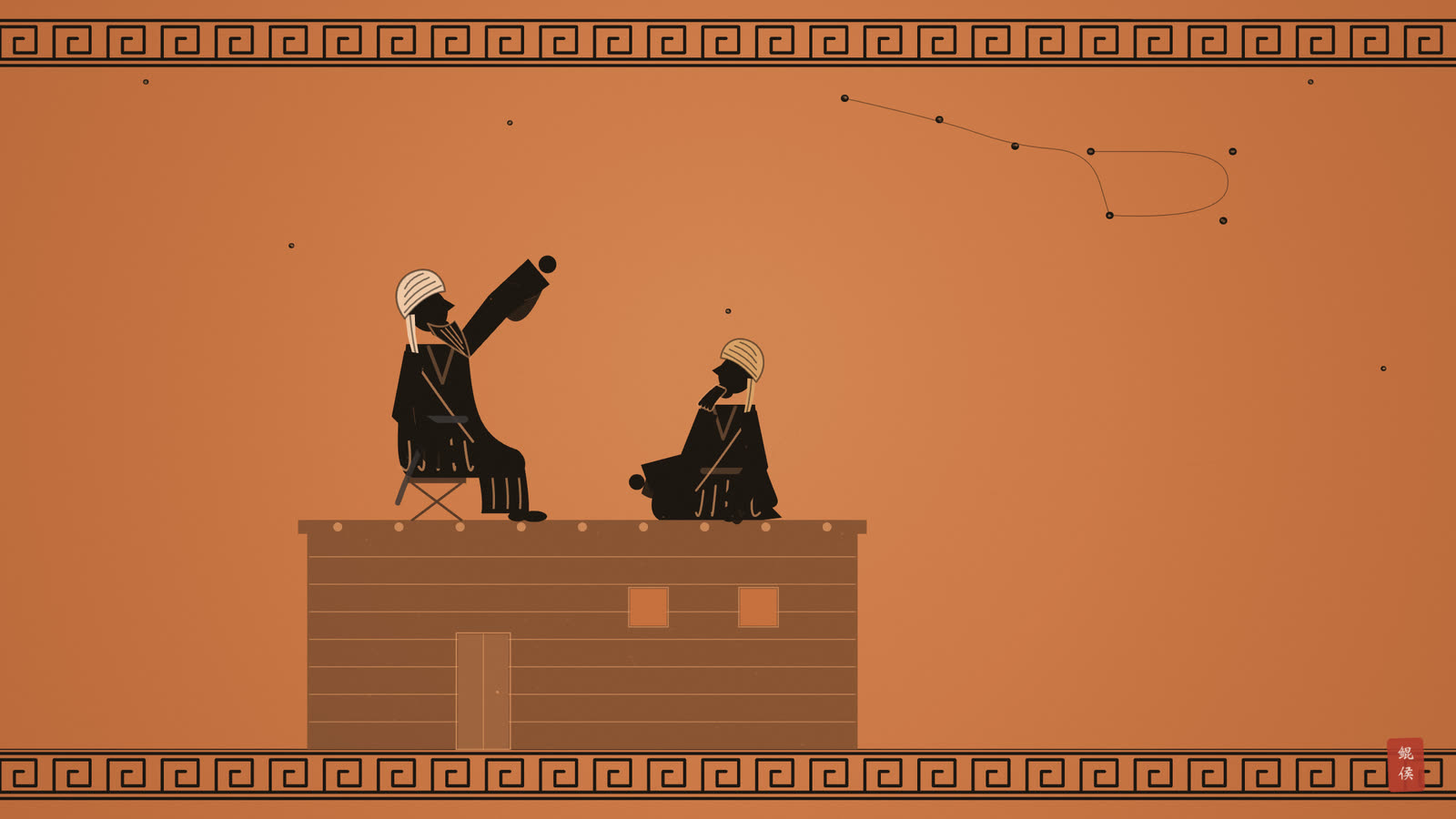
If you imagine a circle drawn about the north pole at the distance of its altitude, it is the greatest of the circles visible in the town whose latitude is the altitude of the pole, by touching the horizon. The circles drawn about the pole inside it do not reach the horizon, and the stars that revolve on them are the ones always visible, because they complete their circuits above the horizon and do not cut it so as to appear by rising and be hidden by setting, since rising and setting come about through the intersection of the daily orbit with the horizon; they are only concealed from sight by the brightness of daytime and appear to it in the darkness of night. An example of this is the Greater Banāt Naʿsh, all of which do not set in the lands of Transoxiana (mā warāʾ al-nahr), while some of the Daughters set at Mecca and in al-Yaman. The same is the case with the stars that revolve inside the circle drawn about the south pole at the amount of its depression: they are always hidden in that town. An example of this is Suhayl, which is seen above the horizon but is never seen at all in the lands of Transoxiana.
§224. Is this permanence in visibility and hiddenness real or not?
It is not, because the motion of the fixed stars is about the pole of the zodiac, so that their distances from it do not change; only their distances from the pole of the universe change. So a star may come inside one of the two circles touching the horizon that we have mentioned, after not having been in it, and become always visible or always hidden after it used to rise and set; or it may go out of the two circles and come to have rising and setting after its visibility or hiddenness had been permanent. But that happens over long stretches of time, because of the length of the periods of that motion. The rule for it is that any star that is visible and is not hidden, or hidden and does not appear: if its latitude is subtracted from 90 and the remainder is more than the difference between the latitude of the town and the greatest declination, then it is one that may come to have rising and setting there; but if the remainder is less, its passing out of that state is impossible.
翻译点开
§223. What are the stars that are always visible and always hidden?
第二百二十三问 何谓恒显之星与恒隐之星?
If you imagine a circle drawn about the north pole at the distance of its altitude, it is the greatest of the circles visible in the town whose latitude is the altitude of the pole, by touching the horizon. The circles drawn about the pole inside it do not reach the horizon, and the stars that revolve on them are the ones always visible, because they complete their circuits above the horizon and do not cut it so as to appear by rising and be hidden by setting, since rising and setting come about through the intersection of the daily orbit with the horizon; they are only concealed from sight by the brightness of daytime and appear to it in the darkness of night. An example of this is the Greater Banāt Naʿsh, all of which do not set in the lands of Transoxiana (mā warāʾ al-nahr), while some of the Daughters set at Mecca and in al-Yaman. The same is the case with the stars that revolve inside the circle drawn about the south pole at the amount of its depression: they are always hidden in that town. An example of this is Suhayl, which is seen above the horizon but is never seen at all in the lands of Transoxiana.
若你设想绕北极、以北极高度为距离画一个圆,它就是在纬度等于北极高度的那座城市里可见诸圆中最大的一个,因为它与地平相切。绕北极画在它里面的诸圆碰不到地平,在这些圆上运转的星就是恒显之星,因为它们在地平以上走完一周,不与地平相交,不会因升起而出现、因落下而隐没——升起与落下,是由日周圈与地平相交而来的;它们只是被白昼的光亮遮住,看不见,到夜晚的黑暗中又显现出来。例子是大棺架之女,它们在河中地区全都不落,而其中“女儿”的一部分在麦加和也门会落下。绕南极、以南极低落的度数为距离所画之圆以内运转的星,也是同样的情形:它们在那座城市里永远隐没。例子是苏海勒:它[在别处]见于地平之上,在河中地区却全然看不见。
§224. Is this permanence in visibility and hiddenness real or not?
第二百二十四问 这种恒显与恒隐是真实的吗?
It is not, because the motion of the fixed stars is about the pole of the zodiac, so that their distances from it do not change; only their distances from the pole of the universe change. So a star may come inside one of the two circles touching the horizon that we have mentioned, after not having been in it, and become always visible or always hidden after it used to rise and set; or it may go out of the two circles and come to have rising and setting after its visibility or hiddenness had been permanent. But that happens over long stretches of time, because of the length of the periods of that motion. The rule for it is that any star that is visible and is not hidden, or hidden and does not appear: if its latitude is subtracted from 90 and the remainder is more than the difference between the latitude of the town and the greatest declination, then it is one that may come to have rising and setting there; but if the remainder is less, its passing out of that state is impossible.
不是。因为恒星的运动是绕黄道之极的,所以它们与黄道之极的距离不变,变的只是它们与宇宙之极的距离。于是一颗星可能在不曾进入我们所说的那两个与地平相切的圆之后,进入其中一个,原先有升有落,变成恒显或恒隐;也可能出了这两个圆,原先恒显或恒隐,变成有升有落。但这要经过很长的时间才会发生,因为那种运动的周期很长。它的法则是:任何一颗显而不隐、或隐而不显的星,若从九十中减去它的纬度,余数大于城市纬度与最大赤纬之差,它就是在那里可能变成有升有落的星;若余数较小,它就不可能脱离那种状态。
大意与图解点开
🔎 大意:绕极之圆在地平以上不落的星恒显,在南极一侧不升的星恒隐;但恒星绕黄极而行,日久可出入此圈,并非永恒。
📖 术语
| 术语 | 英文原词 | 意思 |
|---|---|---|
| 恒显之星 | the stars always visible | 绕极而行、终年不落 |
| 恒隐之星 | the stars always hidden | 终年不升出地平 |
| 大棺架之女 | the Greater Banāt Naʿsh | 大熊七亮星 |
| 苏海勒 | Suhayl | 南天亮星,今称老人星 |
| 河中地区 | Transoxiana (mā warāʾ al-nahr) | 阿姆河以北之地 |
🧭 图解与讲解
第二百二十三问讲两类特殊的星。绕北极、以北极高度为半径画一个圆,它在正北切着地平(图一蓝线);圈内的星每日绕极一周都在地平以上,不升不落,白天只是被日光遮住,这就是恒显之星。南极一侧同理,以南极低落的度数为半径画圆,圈内的星永不升出地平,是恒隐之星(图一红线)。两圈的大小都等于本地纬度。
〔图〕恒显之星绕北极、不碰地平;恒隐之星绕南极、永在地平以下;两圈大小等于纬度
| 步骤 | 算什么 | 示意(城市纬度四十度) |
|---|---|---|
| 一 | 城市纬度减最大赤纬 | 40° − 23°35′ = 16°25′ |
| 二 | 九十减去星的(黄道)纬度 | 星甲黄纬 80°:余 10°;星乙黄纬 60°:余 30° |
| 三 | 余数大于第一步之数:将来可能有升有落 | 星乙:30° > 16°25′ |
| 四 | 余数较小:永远恒显(或恒隐) | 星甲:10° < 16°25′ |
比鲁尼举了两个例子。“大棺架之女”即大熊七亮星(前面第一百六十三问说过:四星为棺架,尾三星为女儿),在河中地区(mā warāʾ al-nahr,阿姆河以北)全部不落;到了纬度较低的麦加、也门,尾上的“女儿”就有几颗会落到地平以下。苏海勒(Suhayl,今称老人星)在南方可见,在河中地区却永远看不见。
第二百二十四问追问:这种“恒”是真的吗?不是。前面讲过,恒星以极慢的速度绕黄道之极运行,它们离黄极的距离不变,离天极(宇宙之极)的距离却在变。所以一颗星可以在漫长岁月中进入或离开那两个圈。他给出判断法则(表二):九十减去星的黄纬,即星离黄极的距离;它绕黄极转时,离天极最远可达这个距离加最大赤纬;若这个最远距离超过本地纬度,即“九十减黄纬”大于“纬度减最大赤纬”,它总有一天会落下。
这一问把天球的两种转动区分得很清楚:一日一周的“第一运动”绕天极,恒星自身的缓慢运动绕黄极。占星里常说某星在某地“不落”或“不见”,比鲁尼提醒,这只在一段时代里成立。
📖 术语
| 术语 | 英文原词 | 意思 |
|---|---|---|
| 恒显之星 | the stars always visible | 绕极而行、终年不落 |
| 恒隐之星 | the stars always hidden | 终年不升出地平 |
| 大棺架之女 | the Greater Banāt Naʿsh | 大熊七亮星 |
| 苏海勒 | Suhayl | 南天亮星,今称老人星 |
| 河中地区 | Transoxiana (mā warāʾ al-nahr) | 阿姆河以北之地 |
🧭 图解与讲解
第二百二十三问讲两类特殊的星。绕北极、以北极高度为半径画一个圆,它在正北切着地平(图一蓝线);圈内的星每日绕极一周都在地平以上,不升不落,白天只是被日光遮住,这就是恒显之星。南极一侧同理,以南极低落的度数为半径画圆,圈内的星永不升出地平,是恒隐之星(图一红线)。两圈的大小都等于本地纬度。
| 步骤 | 算什么 | 示意(城市纬度四十度) |
|---|---|---|
| 一 | 城市纬度减最大赤纬 | 40° − 23°35′ = 16°25′ |
| 二 | 九十减去星的(黄道)纬度 | 星甲黄纬 80°:余 10°;星乙黄纬 60°:余 30° |
| 三 | 余数大于第一步之数:将来可能有升有落 | 星乙:30° > 16°25′ |
| 四 | 余数较小:永远恒显(或恒隐) | 星甲:10° < 16°25′ |
比鲁尼举了两个例子。“大棺架之女”即大熊七亮星(前面第一百六十三问说过:四星为棺架,尾三星为女儿),在河中地区(mā warāʾ al-nahr,阿姆河以北)全部不落;到了纬度较低的麦加、也门,尾上的“女儿”就有几颗会落到地平以下。苏海勒(Suhayl,今称老人星)在南方可见,在河中地区却永远看不见。
第二百二十四问追问:这种“恒”是真的吗?不是。前面讲过,恒星以极慢的速度绕黄道之极运行,它们离黄极的距离不变,离天极(宇宙之极)的距离却在变。所以一颗星可以在漫长岁月中进入或离开那两个圈。他给出判断法则(表二):九十减去星的黄纬,即星离黄极的距离;它绕黄极转时,离天极最远可达这个距离加最大赤纬;若这个最远距离超过本地纬度,即“九十减黄纬”大于“纬度减最大赤纬”,它总有一天会落下。
这一问把天球的两种转动区分得很清楚:一日一周的“第一运动”绕天极,恒星自身的缓慢运动绕黄极。占星里常说某星在某地“不落”或“不见”,比鲁尼提醒,这只在一段时代里成立。
§225. What are altitude and depression and their complements?
If the Sun, or a star, or any assumed point of the orb whatever, happens to be above the horizon, and a great circle passing through the pole of the horizon is turned round to pass over it, then the part of it falling between the thing and the horizon is the altitude of that thing, and it stands perpendicular; and what lies between that thing and the zenith, which is one of the two poles of the horizon, is the complement of that altitude. If the assumed thing is below the horizon and what we have mentioned is done, then the part of that circle falling between it and the horizon is its depression, and what lies between it and the nadir, which is the other pole of the horizon, is the complement of that depression.
§226. What is the mean altitude?
It is the part of the altitude circle of the thing that falls between the equator and the horizon, and its complement is what lies between the equator and the zenith on this circle.
翻译点开
§225. What are altitude and depression and their complements?
第二百二十五问 何谓高度、低落及其余弧?
If the Sun, or a star, or any assumed point of the orb whatever, happens to be above the horizon, and a great circle passing through the pole of the horizon is turned round to pass over it, then the part of it falling between the thing and the horizon is the altitude of that thing, and it stands perpendicular; and what lies between that thing and the zenith, which is one of the two poles of the horizon, is the complement of that altitude. If the assumed thing is below the horizon and what we have mentioned is done, then the part of that circle falling between it and the horizon is its depression, and what lies between it and the nadir, which is the other pole of the horizon, is the complement of that depression.
若太阳、或一颗星、或天球上任意假设的一点恰在地平以上,让一个通过地平之极的大圆转过来经过它,那么这圆上落在该物与地平之间的部分,就是该物的高度,它是垂直立着的;该物与天顶——地平的两极之一——之间的部分,就是这高度的余弧。若所设之物在地平以下,照我们所说的去做,那么那圆上落在它与地平之间的部分就是它的低落,它与天底——地平的另一极——之间的部分就是这低落的余弧。
§226. What is the mean altitude?
第二百二十六问 何谓中高度?
It is the part of the altitude circle of the thing that falls between the equator and the horizon, and its complement is what lies between the equator and the zenith on this circle.
它是该物的高度圈上落在天赤道与地平之间的部分;它的余弧是这个圈上天赤道与天顶之间的部分。
大意与图解点开
🔎 大意:过天顶天底的大圆转到某物上,地平到该物之弧是高度,到天顶是余弧;在地平下则称低落。中高度是高度圈上天赤道到地平之弧。
📖 术语
| 术语 | 英文原词 | 意思 |
|---|---|---|
| 高度 | altitude | 地平到该物之弧 |
| 低落 | depression | 地平以下之弧 |
| 余弧 | complement | 补足九十度的弧 |
| 高度圈 | the altitude circle | 过天顶天底的大圆 |
| 中高度 | the mean altitude | 高度圈上天赤道的高 |
🧭 图解与讲解
高度的量法:让一个过地平两极(天顶与天底)的大圆转过来经过太阳、星或任意一点,这个圆叫高度圈,它垂直于地平。圈上从地平到该物的弧是高度,从该物到天顶的弧是高度的余弧,两者相加为九十度(图一)。物在地平以下时,从地平量到它的是“低落”,到天底的是低落的余弧。上一章讲纬度时说过北极的高度与南极的低落,用的就是这两个名目。
〔图〕高度从地平沿高度圈量到星,余弧量到天顶;在地平下则称低落,余弧量到天底
| 名目 | 在高度圈上从哪里量到哪里 |
|---|---|
| 高度 | 地平 → 该物(在地平以上) |
| 高度的余弧 | 该物 → 天顶 |
| 低落 | 地平 → 该物(在地平以下) |
| 低落的余弧 | 该物 → 天底 |
| 中高度 | 地平 → 天赤道 |
| 中高度的余弧 | 天赤道 → 天顶 |
“中高度”(al-irtifāʿ al-awsaṭ)稍特别:它不是该物本身的高度,而是同一个高度圈上天赤道离地平的高度;余下到天顶的一段是它的余弧。它把该物的高度分成两段:天赤道以下一段,以上一段,后者正与该物的赤纬有关。这是求赤纬、求纬度时的一个中间量。
高度是星盘上最常用的读数。观测者用星盘背面的照准器量出太阳或某星的高度,再在盘面上转动,就能求出此刻的时刻和上升点。卷七讲星盘时,量高度是第一步;要定一张星盘的宫位,就从这里开始。
📖 术语
| 术语 | 英文原词 | 意思 |
|---|---|---|
| 高度 | altitude | 地平到该物之弧 |
| 低落 | depression | 地平以下之弧 |
| 余弧 | complement | 补足九十度的弧 |
| 高度圈 | the altitude circle | 过天顶天底的大圆 |
| 中高度 | the mean altitude | 高度圈上天赤道的高 |
🧭 图解与讲解
高度的量法:让一个过地平两极(天顶与天底)的大圆转过来经过太阳、星或任意一点,这个圆叫高度圈,它垂直于地平。圈上从地平到该物的弧是高度,从该物到天顶的弧是高度的余弧,两者相加为九十度(图一)。物在地平以下时,从地平量到它的是“低落”,到天底的是低落的余弧。上一章讲纬度时说过北极的高度与南极的低落,用的就是这两个名目。
| 名目 | 在高度圈上从哪里量到哪里 |
|---|---|
| 高度 | 地平 → 该物(在地平以上) |
| 高度的余弧 | 该物 → 天顶 |
| 低落 | 地平 → 该物(在地平以下) |
| 低落的余弧 | 该物 → 天底 |
| 中高度 | 地平 → 天赤道 |
| 中高度的余弧 | 天赤道 → 天顶 |
“中高度”(al-irtifāʿ al-awsaṭ)稍特别:它不是该物本身的高度,而是同一个高度圈上天赤道离地平的高度;余下到天顶的一段是它的余弧。它把该物的高度分成两段:天赤道以下一段,以上一段,后者正与该物的赤纬有关。这是求赤纬、求纬度时的一个中间量。
高度是星盘上最常用的读数。观测者用星盘背面的照准器量出太阳或某星的高度,再在盘面上转动,就能求出此刻的时刻和上升点。卷七讲星盘时,量高度是第一步;要定一张星盘的宫位,就从这里开始。
§227. What are the gnomon and the shadow?
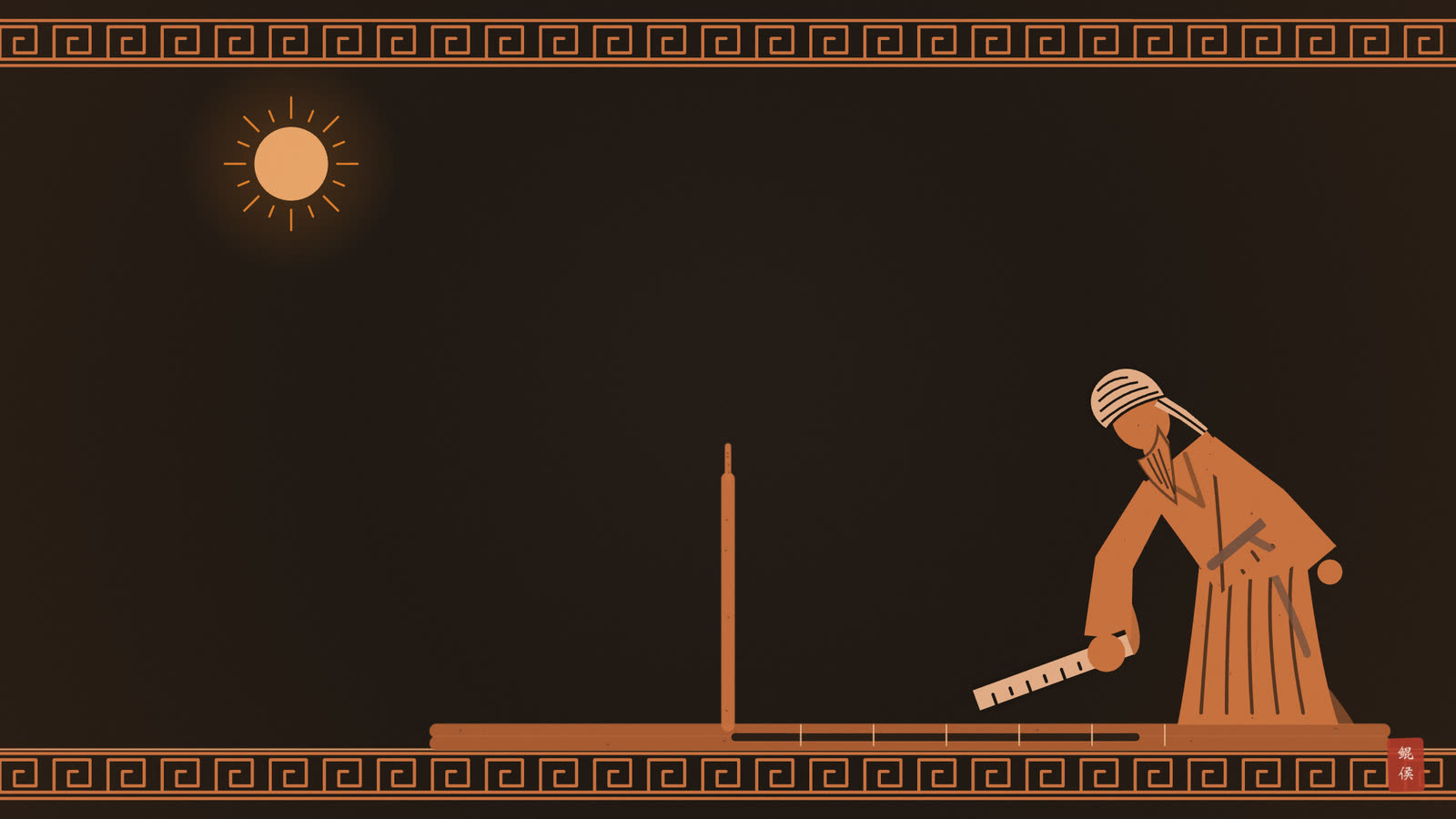
The gnomon is an upright body of wood or some other substance, straight, with a sharp head shaped like a cone, set up like a peg perpendicular to the surface on which it is set. The shadow is the shadow of that gnomon, measured in the parts of its length so that it is known how much it is of it. The line joining the tips of the gnomon and of the shadow is called the hypotenuse of the shadow.
§228. How many are the parts of the gnomon?
When they are 12 equal parts they are called parts [sic]; when they are 60 they are called parts; and when they are 6 1/2 they are called feet. In this there is disagreement, for some of them divide the body for feet into 7 equal parts.
§229. How many are the kinds of shadow?
They are two. One is called spread out and level: that is when the gnomon is set up on the plane of the horizon after levelling and correction, and its shadow spreads out on the ground. The other kind is called reversed and upright: that is when the gnomon is set up on a surface facing the Sun, such as a wall or something else, the gnomon being on it like a peg, and its shadow stands upright on the ground, with its head downward; and so it is called reversed.
翻译点开
§227. What are the gnomon and the shadow?
第二百二十七问 何谓表与影?
The gnomon is an upright body of wood or some other substance, straight, with a sharp head shaped like a cone, set up like a peg perpendicular to the surface on which it is set. The shadow is the shadow of that gnomon, measured in the parts of its length so that it is known how much it is of it. The line joining the tips of the gnomon and of the shadow is called the hypotenuse of the shadow.
表是一根直立的物体,用木头或别种材料做成,挺直,顶端尖锐,作圆锥之形,像木桩一样垂直立在所安放的面上。影就是这根表的影子,用表长的份数来量,以便知道它是表长的多少。连接表端与影端的线,称为影的斜边。
§228. How many are the parts of the gnomon?
第二百二十八问 表分为几份?
When they are 12 equal parts they are called parts [sic]; when they are 60 they are called parts; and when they are 6 1/2 they are called feet. In this there is disagreement, for some of them divide the body for feet into 7 equal parts.
分成十二等份时,称为“份”〔原书如此〕;分成六十份时,称为“份”;分成六又二分之一份时,称为“足”。这一点有分歧:有些人按足来分时,把表身分成七等份。
§229. How many are the kinds of shadow?
第二百二十九问 影有几种?
They are two. One is called spread out and level: that is when the gnomon is set up on the plane of the horizon after levelling and correction, and its shadow spreads out on the ground. The other kind is called reversed and upright: that is when the gnomon is set up on a surface facing the Sun, such as a wall or something else, the gnomon being on it like a peg, and its shadow stands upright on the ground, with its head downward; and so it is called reversed.
有两种。一种称为铺开的、平的影:那是把表在整平、校正之后立在地平的平面上,它的影子铺在地上。另一种称为倒的、竖的影:那是把表安在朝向太阳的面上,例如墙壁之类,表像木桩一样钉在上面,它的影子竖着向地面伸去,头朝下;所以称为倒影。
大意与图解点开
🔎 大意:表是垂直立起、尖顶的直杆,影以表长的份数来量;表分十二、六十或六个半份;影有铺在地上的平影与顺墙向下的倒影。
📖 术语
| 术语 | 英文原词 | 意思 |
|---|---|---|
| 表 | the gnomon | 立起测影的直杆 |
| 影的斜边 | the hypotenuse of the shadow | 表端到影端之线 |
| 足 | feet | 表分六个半份时之称 |
| 平影 | the spread-out (level) shadow | 铺在地上的影 |
| 倒影 | the reversed (upright) shadow | 顺墙向下的影 |
🧭 图解与讲解
卷四的后半要讲正午影、晡时影、礼拜朝向,先得把测影的工具讲明。“表”是一根挺直的杆子,顶端削成圆锥形的尖,像木桩一样垂直立在面上;影用表长的份数来量,表端与影端的连线叫“影的斜边”(图一)。中国古代立表测影的“表”与此同理,所以本站借用这个字。
〔图〕影有两种:立表于地得平影,横钉于墙得倒影;表端到影端的连线是影的斜边
| 表的分法 | 各份之称 | 说明 |
|---|---|---|
| 十二等份 | 份〔原书如此〕 | 通例称“指”;抄本作“份”,未敢径改 |
| 六十等份 | 份 | 与度、分的六十进位相合 |
| 六又二分之一份 | 足 | 以人身比表:人高约六个半足 |
| 七等份 | 足 | 另一派的分法 |
表分几份,各家不同(表二)。分十二份的最常见,通例称这十二份为“指”;抄本此处写的却和六十份时一样是“份”,统稿时认为是抄写之误,但没有把握,照原文译出并标〔原书如此〕。分六个半份或七份的叫“足”,用的是人身的比例:一个人身高约合自己的六个半到七个足长,所以按足来量影,等于拿自己的身影来比。
影有两种。表立在整平的地面上,影铺在地上,叫“平影”;表横钉在朝日的墙上,影顺着墙竖直向下,头朝下,叫“倒影”(图一右)。两者是同一角度的两个函数:太阳越高,平影越短而倒影越长。用今天的话说,平影是高度的余切,倒影是高度的正切。卷七讲星盘背面的“影方”时,平影、倒影两种刻度都会出现。
📖 术语
| 术语 | 英文原词 | 意思 |
|---|---|---|
| 表 | the gnomon | 立起测影的直杆 |
| 影的斜边 | the hypotenuse of the shadow | 表端到影端之线 |
| 足 | feet | 表分六个半份时之称 |
| 平影 | the spread-out (level) shadow | 铺在地上的影 |
| 倒影 | the reversed (upright) shadow | 顺墙向下的影 |
🧭 图解与讲解
卷四的后半要讲正午影、晡时影、礼拜朝向,先得把测影的工具讲明。“表”是一根挺直的杆子,顶端削成圆锥形的尖,像木桩一样垂直立在面上;影用表长的份数来量,表端与影端的连线叫“影的斜边”(图一)。中国古代立表测影的“表”与此同理,所以本站借用这个字。
| 表的分法 | 各份之称 | 说明 |
|---|---|---|
| 十二等份 | 份〔原书如此〕 | 通例称“指”;抄本作“份”,未敢径改 |
| 六十等份 | 份 | 与度、分的六十进位相合 |
| 六又二分之一份 | 足 | 以人身比表:人高约六个半足 |
| 七等份 | 足 | 另一派的分法 |
表分几份,各家不同(表二)。分十二份的最常见,通例称这十二份为“指”;抄本此处写的却和六十份时一样是“份”,统稿时认为是抄写之误,但没有把握,照原文译出并标〔原书如此〕。分六个半份或七份的叫“足”,用的是人身的比例:一个人身高约合自己的六个半到七个足长,所以按足来量影,等于拿自己的身影来比。
影有两种。表立在整平的地面上,影铺在地上,叫“平影”;表横钉在朝日的墙上,影顺着墙竖直向下,头朝下,叫“倒影”(图一右)。两者是同一角度的两个函数:太阳越高,平影越短而倒影越长。用今天的话说,平影是高度的余切,倒影是高度的正切。卷七讲星盘背面的“影方”时,平影、倒影两种刻度都会出现。
§230. What is the azimuth?
The meeting of the circle of altitude of the elevated thing, whether Sun, star or anything else, when it passes through the two poles of the horizon, with the horizon, is its azimuth. Then its distance is found either from the equinoctial line, in which case its distance from the meridian line is the complement of the azimuth, or from the meridian line, in which case its distance from the equinoctial line is the complement of the azimuth. If a line is drawn on the plane of the level shadow, in a straight line with it, until it reaches the circumference of the Indian circle, its end is at the tip of the azimuth, and the amount of its distance is equal to that of the azimuth but on the opposite side: I mean, if the shadow is towards the west, the azimuth is towards the east, and the reverse; and if it is towards the north, the azimuth is towards the south, and the reverse. This is the figure of it.
§231. What is all this at midday?
The circles passing through the two poles of the horizon, when altitude is meant by them, are named after it; and the meridian is one of them, the one of them that passes through the centre and the two poles of the equator. When the altitude is taken on it, it is called the altitude of midday; and since the shadow goes according to the altitude, its shadow is called the shadow of midday, which, on the plane of the horizon, is the shortest of the shadows of the gnomon on that day. Since the meridian circle cuts the horizon at the very points of north and south, the azimuth of midday is one of these two points, and no distance from anything is mentioned with it.
翻译点开
§230. What is the azimuth?
第二百三十问 何谓方位?
The meeting of the circle of altitude of the elevated thing, whether Sun, star or anything else, when it passes through the two poles of the horizon, with the horizon, is its azimuth. Then its distance is found either from the equinoctial line, in which case its distance from the meridian line is the complement of the azimuth, or from the meridian line, in which case its distance from the equinoctial line is the complement of the azimuth. If a line is drawn on the plane of the level shadow, in a straight line with it, until it reaches the circumference of the Indian circle, its end is at the tip of the azimuth, and the amount of its distance is equal to that of the azimuth but on the opposite side: I mean, if the shadow is towards the west, the azimuth is towards the east, and the reverse; and if it is towards the north, the azimuth is towards the south, and the reverse. This is the figure of it.
高起之物——太阳、星或别的什么——的高度圈通过地平两极,它与地平相交之处,就是该物的方位。然后求它的距离:或从春秋分线量起,这时它离子午线的距离就是方位的余弧;或从子午线量起,这时它离春秋分线的距离就是方位的余弧。若在平影的平面上,沿着影子画一条与它成一直线的线,一直画到印度圆的圆周,它的端点就对着方位的端点,距离的大小与方位相等,但在相反的一侧:我是说,影在西,方位就在东,反之亦然;影在北,方位就在南,反之亦然。这是它的图。
§231. What is all this at midday?
第二百三十一问 这一切在正午时如何?
The circles passing through the two poles of the horizon, when altitude is meant by them, are named after it; and the meridian is one of them, the one of them that passes through the centre and the two poles of the equator. When the altitude is taken on it, it is called the altitude of midday; and since the shadow goes according to the altitude, its shadow is called the shadow of midday, which, on the plane of the horizon, is the shortest of the shadows of the gnomon on that day. Since the meridian circle cuts the horizon at the very points of north and south, the azimuth of midday is one of these two points, and no distance from anything is mentioned with it.
通过地平两极的诸圆,用来量高度时,就以高度为名;子午圈是其中之一,就是其中通过天赤道中心与两极的那一个。在它上面取的高度称为正午高度;又因为影随高度而变,它的影称为正午之影,在地平面上,它是那一天表影中最短的。又因为子午圈恰在正北、正南两点切过地平,正午的方位就是这两点之一,不必说它离什么有多少距离。
大意与图解点开
🔎 大意:高度圈与地平的交点是方位,自春秋分线或子午线量起,与影方向相反;正午时高度圈即子午圈,影最短,方位正南或正北。
📖 术语
| 术语 | 英文原词 | 意思 |
|---|---|---|
| 方位 | the azimuth | 高度圈与地平之交 |
| 春秋分线 | the equinoctial line | 地上的东西线 |
| 子午线 | the meridian line | 地上的南北线 |
| 印度圆 | the Indian circle | 立表测影所画之圆 |
| 正午之影 | the shadow of midday | 一日中最短的影 |
🧭 图解与讲解
“方位”(al-samt)是高度圈与地平相交的那一点,也就是该物在地平上的方向。量它的度数有两种起点:从春秋分线(地上的东西线)量起,或从子午线(南北线)量起;用其中一种时,到另一条线的距离就是余弧(图一)。上一章讲日出方位的幅度,就是太阳在地平上时的方位从东西线量起的度数。
〔图〕方位是高度圈与地平的交点:自春秋分线或子午线量起;它总在影子的对面
| 一般时刻 | 正午 | |
|---|---|---|
| 所用的高度圈 | 过天顶、经过该物的任一大圆 | 子午圈 |
| 高度 | 高度 | 正午高度(一日最大) |
| 平影 | 随高度而变 | 正午之影(一日最短) |
| 方位 | 自春秋分线或子午线量出度数 | 恰在正南或正北,不必说度数 |
比鲁尼给了一个用表影求方位的实用办法:在“印度圆”(前面立表画圆求子午线的那个圆)的平面上,把影线延长到圆周,所到之点与方位等距,只是在相反的一侧——影朝西,物在东;影朝北,物在南。道理很简单:光沿直线照来,影子总在物的正对面。
第二百三十一问把这几个名目落到正午:子午圈本身就是一条高度圈,在它上面量的是正午高度,这是一日之中最大的高度,所以正午之影是一日最短的影;子午圈与地平交于正南、正北,所以正午的方位就是这两点之一,不必再说偏离多少度(表二)。下一章接着讲正午影随纬度与季节的几种情形。
这几问合起来,就是古代天文家确定“此时此地”的整套工具:高度、方位与影。占星盘需要准确的时刻与地点,比鲁尼在讲星座上升之前,先把这些测量的名目一一交代清楚。
📖 术语
| 术语 | 英文原词 | 意思 |
|---|---|---|
| 方位 | the azimuth | 高度圈与地平之交 |
| 春秋分线 | the equinoctial line | 地上的东西线 |
| 子午线 | the meridian line | 地上的南北线 |
| 印度圆 | the Indian circle | 立表测影所画之圆 |
| 正午之影 | the shadow of midday | 一日中最短的影 |
🧭 图解与讲解
“方位”(al-samt)是高度圈与地平相交的那一点,也就是该物在地平上的方向。量它的度数有两种起点:从春秋分线(地上的东西线)量起,或从子午线(南北线)量起;用其中一种时,到另一条线的距离就是余弧(图一)。上一章讲日出方位的幅度,就是太阳在地平上时的方位从东西线量起的度数。
| 一般时刻 | 正午 | |
|---|---|---|
| 所用的高度圈 | 过天顶、经过该物的任一大圆 | 子午圈 |
| 高度 | 高度 | 正午高度(一日最大) |
| 平影 | 随高度而变 | 正午之影(一日最短) |
| 方位 | 自春秋分线或子午线量出度数 | 恰在正南或正北,不必说度数 |
比鲁尼给了一个用表影求方位的实用办法:在“印度圆”(前面立表画圆求子午线的那个圆)的平面上,把影线延长到圆周,所到之点与方位等距,只是在相反的一侧——影朝西,物在东;影朝北,物在南。道理很简单:光沿直线照来,影子总在物的正对面。
第二百三十一问把这几个名目落到正午:子午圈本身就是一条高度圈,在它上面量的是正午高度,这是一日之中最大的高度,所以正午之影是一日最短的影;子午圈与地平交于正南、正北,所以正午的方位就是这两点之一,不必再说偏离多少度(表二)。下一章接着讲正午影随纬度与季节的几种情形。
这几问合起来,就是古代天文家确定“此时此地”的整套工具:高度、方位与影。占星盘需要准确的时刻与地点,比鲁尼在讲星座上升之前,先把这些测量的名目一一交代清楚。
原文为公有领域古籍;翻译、印象画与图文解读由 AI 辅助生成,鲲侯审校。