博纳提·第五十五至六十二则 东出西入、角宫的范围与龙首龙尾
游离之星主狡诈,第八宫是黑暗与死亡之处;角宫的力量延到宫头之外几度,龙首龙尾只论体合,月亮空亡事难成。
The 55th is, To consider whether the Significator be perigrine, for then the person whom he signifies, either in a Nativity or Question, &c. will be subtil, crafty, malicious, one that shall know how to act both good and evil; but more inclinable to the latter.
The 56th is, To consider if the Significator of any thing shall commit his disposition or vertue to any other planet? whether it be to one that is Oriental or Occidental? for if he be Oriental & one of the Inferiors and direct, or if he be Occidental and one of the Superiors, and that there be not above 20 minutes between him and the Sun, he will be weak, says Sarcinator, and not perform what he shews, but hinders many things; under that impediment like a sick man whose disease has prevailed so far, that he is forced to lie by it, and cannot help himself; or a falling house which none can preserve from ruin; and so much further as such planet shall be from the Sun, so much less shall he be afflicted.
And if it be Oriental, and one of the Superiors, or Occidental and one of the Inferiors, and not retrograde, he shall be strong and fit to perfect what he promises; as one that hath been ill, but is more perfectly recovered; or a building which fell and is repaired, and so of all other planets so disposed.
翻译点开
The 55th is, To consider whether the Significator be perigrine, for then the person whom he signifies, either in a Nativity or Question, &c. will be subtil, crafty, malicious, one that shall know how to act both good and evil; but more inclinable to the latter.
第五十五则:要考虑征象星是否游离;因为那样它所征象的人,无论在本命还是卜卦等中,都会狡猾、诡诈、心怀恶意,善事恶事都懂得做,但更倾向于后者。
The 56th is, To consider if the Significator of any thing shall commit his disposition or vertue to any other planet? whether it be to one that is Oriental or Occidental? for if he be Oriental & one of the Inferiors and direct, or if he be Occidental and one of the Superiors, and that there be not above 20 minutes between him and the Sun, he will be weak, says Sarcinator, and not perform what he shews, but hinders many things; under that impediment like a sick man whose disease has prevailed so far, that he is forced to lie by it, and cannot help himself; or a falling house which none can preserve from ruin; and so much further as such planet shall be from the Sun, so much less shall he be afflicted.
第五十六则:要考虑某事的征象星若把它的配置或效力交付给另一颗行星,那颗行星是东出还是西入?因为若它东出而属下行星且顺行,或它西入而属上行星,又与太阳相距不过二十分,萨尔奇纳托尔说,它就是弱的,不能兑现它所显示的,反而妨碍许多事;在那种阻碍之下,它就像一个病人,病势已重到不得不卧床,无法自助;或像一座将倾的房子,无人能救它免于倒塌;而这颗行星离太阳越远,受的损害就越少。
And if it be Oriental, and one of the Superiors, or Occidental and one of the Inferiors, and not retrograde, he shall be strong and fit to perfect what he promises; as one that hath been ill, but is more perfectly recovered; or a building which fell and is repaired, and so of all other planets so disposed.
若它东出而属上行星,或西入而属下行星,又不逆行,它就有力,适于成就它所应许的事;像一个病过而已完全康复的人,或一座倒塌后又修复的房子;凡这样配置的其他行星,也都如此。
大意与图解点开
🔎 大意:游离的征象星主其人狡诈。效力交给哪颗星,要看它东出西入:上行星宜东出,下行星宜西入,反之且近日则弱。
📖 术语
| 术语 | 英文原词 | 意思 |
|---|---|---|
| 游离 | perigrine | 不在任何尊贵之中 |
| 交付 | commit his disposition | 把效力转交他星 |
| 东出 | Oriental | 先于太阳升起 |
| 西入 | Occidental | 后于太阳落下 |
| 萨尔奇纳托尔 | Sarcinator | 博纳提引的古人 |
🧭 图解与讲解
第五十五则很短,却是由星看人的典型说法:征象星游离(不在任何尊贵之中,参第四十则),它所代表的人就狡猾、诡诈,好事坏事都会做,偏向坏事。没有「家」的星,行事没有根柢,只能见机行事——这是古人从星的处境推到人的品性。
〔图〕上行星宜东出、下行星宜西入:火星在日西,金星在日东,两者皆有力
| 东出 | 西入 | |
|---|---|---|
| 上行星(土、木、火) | 有力,能成事 | 弱(近日二十分内尤甚) |
| 下行星(金、水、月) | 顺行而东出则弱 | 不逆行则有力,能成事 |
第五十六则讲「交付」:征象星与另一颗星成相位,就把自己的效力交给了它,事情要靠那颗星来办。那颗星能不能办成,要看它东出(先于太阳升起)还是西入(后于太阳落下)。上行星土、木、火宜东出,下行星金、水、月宜西入;反过来就弱,再贴近太阳,就像卧床不起的病人、将倾的房子。
图一示意两颗都有力的情形:太阳在巨蟹十度,火星在它西边(黄经小),清晨先于太阳升起,是东出的上行星;金星在它东边,黄昏后于太阳落下,是西入的下行星。这与第五十二则「下行星宜昏出、上行星宜晨出」是同一个道理。
原文「与太阳相距不过二十分」恐怕是说贴近太阳的极端情形;后半句又说「离太阳越远,受的损害就越少」,可见是一个由重到轻的梯度,并非二十分以外就毫无妨碍。萨尔奇纳托尔(Sarcinator)是博纳提常引的古人,拉丁文意为「裁缝」。
📖 术语
| 术语 | 英文原词 | 意思 |
|---|---|---|
| 游离 | perigrine | 不在任何尊贵之中 |
| 交付 | commit his disposition | 把效力转交他星 |
| 东出 | Oriental | 先于太阳升起 |
| 西入 | Occidental | 后于太阳落下 |
| 萨尔奇纳托尔 | Sarcinator | 博纳提引的古人 |
🧭 图解与讲解
第五十五则很短,却是由星看人的典型说法:征象星游离(不在任何尊贵之中,参第四十则),它所代表的人就狡猾、诡诈,好事坏事都会做,偏向坏事。没有「家」的星,行事没有根柢,只能见机行事——这是古人从星的处境推到人的品性。
| 东出 | 西入 | |
|---|---|---|
| 上行星(土、木、火) | 有力,能成事 | 弱(近日二十分内尤甚) |
| 下行星(金、水、月) | 顺行而东出则弱 | 不逆行则有力,能成事 |
第五十六则讲「交付」:征象星与另一颗星成相位,就把自己的效力交给了它,事情要靠那颗星来办。那颗星能不能办成,要看它东出(先于太阳升起)还是西入(后于太阳落下)。上行星土、木、火宜东出,下行星金、水、月宜西入;反过来就弱,再贴近太阳,就像卧床不起的病人、将倾的房子。
图一示意两颗都有力的情形:太阳在巨蟹十度,火星在它西边(黄经小),清晨先于太阳升起,是东出的上行星;金星在它东边,黄昏后于太阳落下,是西入的下行星。这与第五十二则「下行星宜昏出、上行星宜晨出」是同一个道理。
原文「与太阳相距不过二十分」恐怕是说贴近太阳的极端情形;后半句又说「离太阳越远,受的损害就越少」,可见是一个由重到轻的梯度,并非二十分以外就毫无妨碍。萨尔奇纳托尔(Sarcinator)是博纳提常引的古人,拉丁文意为「裁缝」。
The 57th is, To consider whether the Significator be in the Eighth from the Ascendant? for if he be there, and a Fortune, though he do not harm he will do no good; and if he be an Infortune, he will do greater mischief than in any other place of the Figure; and if the Question be of going to War, advise not the Querent to go then, although it be a Fortune; for alwayes some evil is to be suspected, that is death, or at least captivity, for it is a place of darkness and death: but if it be an Infortune, judge death, unless he separate then from the Lord of the Eighth; for then it may be onely a wound or bruise, or a fall, wherein he was in danger of death, although he may escape; and if it be a journey, especially a long one, he wil be taken prisoner, or in great dread of it; understand still if he separate from the Lord of the Eighth: And also remember that an Infortune so disposed, alwayes does more mischief than a Fortune.
翻译点开
The 57th is, To consider whether the Significator be in the Eighth from the Ascendant? for if he be there, and a Fortune, though he do not harm he will do no good; and if he be an Infortune, he will do greater mischief than in any other place of the Figure; and if the Question be of going to War, advise not the Querent to go then, although it be a Fortune; for alwayes some evil is to be suspected, that is death, or at least captivity, for it is a place of darkness and death: but if it be an Infortune, judge death, unless he separate then from the Lord of the Eighth; for then it may be onely a wound or bruise, or a fall, wherein he was in danger of death, although he may escape; and if it be a journey, especially a long one, he wil be taken prisoner, or in great dread of it; understand still if he separate from the Lord of the Eighth: And also remember that an Infortune so disposed, alwayes does more mischief than a Fortune.
第五十七则:要考虑征象星是否在距上升的第八宫?因为若它在那里,且是吉星,它虽不为害,也不会行善;若它是凶星,它在那里作的恶,比在盘中任何别处都大;若问题是要不要去打仗,即使那是吉星,也劝问卜者此时不要去;因为总要提防某种凶事,也就是死亡,至少是被俘,因为那是黑暗与死亡之处。但若它是凶星,就断死亡,除非它此时正离开第八宫主;因为那样或许只是受伤、挫伤或跌倒,虽有性命之虞,却可能逃过;若是出行,尤其是远行,他会被俘,或深为此担惊受怕;这仍须理解为它正离开第八宫主。还要记住,这样配置的凶星,作恶总比吉星多。
大意与图解点开
🔎 大意:第八宫是黑暗与死亡之处:吉星在此无害无益,凶星在此最凶。问出征,凶星在八宫断死,正离开八宫主则伤而不死。
📖 术语
| 术语 | 英文原词 | 意思 |
|---|---|---|
| 第八宫 | the Eighth | 死亡之宫 |
| 第八宫主 | Lord of the Eighth | 第八宫星座之主 |
| 盘 | Figure | 卜卦所起的星盘 |
🧭 图解与讲解
第八宫在古典占星里主死亡,博纳提称之为「黑暗与死亡之处」。这一则说,征象星落在这里,吉星也帮不上忙,「虽不为害,也不会行善」;凶星则是全盘最凶的位置。图一示意:上升白羊,第八宫是天蝎,火星作征象星落在那里。
〔图〕第八宫是黑暗与死亡之处:征象星落此,问出征者不宜行
〔图〕第八宫里的征象星:先分吉凶,再看是否正离开第八宫主
这一则有很具体的应用:问要不要出征打仗,征象星在第八宫,即使是吉星也劝问卜者别去,至少要防被俘;若是凶星,就断死亡。唯一的余地是「正离开第八宫主」——征象星与第八宫主的相位已经过去,死亡之兆就减为受伤、挫伤、跌倒,有惊无险(图二)。
离开、趋近的分别,在第二十一至二十三则已经讲过:离开的是过去,趋近的是将来。这里把它用在死亡之宫上,道理一样:与死亡之主的关系已成过去,危险就在身后了。问远行也照此断:被俘,或者一路提心吊胆。
📖 术语
| 术语 | 英文原词 | 意思 |
|---|---|---|
| 第八宫 | the Eighth | 死亡之宫 |
| 第八宫主 | Lord of the Eighth | 第八宫星座之主 |
| 盘 | Figure | 卜卦所起的星盘 |
🧭 图解与讲解
第八宫在古典占星里主死亡,博纳提称之为「黑暗与死亡之处」。这一则说,征象星落在这里,吉星也帮不上忙,「虽不为害,也不会行善」;凶星则是全盘最凶的位置。图一示意:上升白羊,第八宫是天蝎,火星作征象星落在那里。
这一则有很具体的应用:问要不要出征打仗,征象星在第八宫,即使是吉星也劝问卜者别去,至少要防被俘;若是凶星,就断死亡。唯一的余地是「正离开第八宫主」——征象星与第八宫主的相位已经过去,死亡之兆就减为受伤、挫伤、跌倒,有惊无险(图二)。
离开、趋近的分别,在第二十一至二十三则已经讲过:离开的是过去,趋近的是将来。这里把它用在死亡之宫上,道理一样:与死亡之主的关系已成过去,危险就在身后了。问远行也照此断:被俘,或者一路提心吊胆。
The 58th is to consider, Whether the Significator be fixed in that Sign where he is found? Now Zaell saith, That a Planet is not said to be fixed in a sign till he hath past 5 degrees thereof. But I am of opinion that when he hath pass'd one whole degree of a Sign he is firmly therein, but he said it for more certainty.
So likewise he says, That a planet is not said to be cadent from the Ascendant, unless he be removed from thence 5 degrees; as for Example the Ascendant is 9 degrees of Aries, and a planet was in the fifth degree thereof, Ptolomy and many other Sages affirm, That planet to be in an Angle, with whom I agree; yet some would have it, that a planet should be said to be in an Angle onely, when he is in the very degree of the Ascendant, or one degree before it or two after it; but they meant in revolutions, and that they might be so certain as not to be in the least deceived.
But I have experimented that a planet is in an Angle to the space of 5 degrees beyond the Cusp; for as once I sought the revolution of a year, I found Mars in the 5th degree beyond the Cusp of the Angle of the Earth in Capricorn, South Latitude, which signified the killing of the Roman Emperor; and acquainted him with it, for his Court was at Grossietti and I at Forlirii; and it was found that Pandulfus de Farsenella and Theobaldus Franciscus and divers others of the Secretaries had conspired to slay him, and none of his own Astrologers observed it, because they did not believe that Mars was in an Angle, for he was 4 degrees beyond the Cusp, and 58 min. in their opinion: however after a planet shall be removed from the Cusp or Line of any Angle full 5 degrees or more he is to be counted cadent from that Angle.
翻译点开
The 58th is to consider, Whether the Significator be fixed in that Sign where he is found? Now Zaell saith, That a Planet is not said to be fixed in a sign till he hath past 5 degrees thereof. But I am of opinion that when he hath pass'd one whole degree of a Sign he is firmly therein, but he said it for more certainty.
第五十八则:要考虑征象星在所在的星座里是否坐稳了?扎埃尔说,行星走过一个星座的五度之前,不算在其中坐稳。但我认为,它走过一个星座的完整一度后,就牢牢在其中了;不过他这么说,是为了更加稳妥。
So likewise he says, That a planet is not said to be cadent from the Ascendant, unless he be removed from thence 5 degrees; as for Example the Ascendant is 9 degrees of Aries, and a planet was in the fifth degree thereof, Ptolomy and many other Sages affirm, That planet to be in an Angle, with whom I agree; yet some would have it, that a planet should be said to be in an Angle onely, when he is in the very degree of the Ascendant, or one degree before it or two after it; but they meant in revolutions, and that they might be so certain as not to be in the least deceived.
同样,他说一颗行星离开上升不到五度,就不算从上升落下;举例说,上升是白羊九度,有一颗行星在白羊第五度,托勒密和许多别的哲人都断言这颗行星在角上,我也同意;但也有人主张,行星只有恰在上升那一度,或在它之前一度、之后两度,才算在角上;不过他们说的是回归盘,为的是确定无误、丝毫不致受骗。
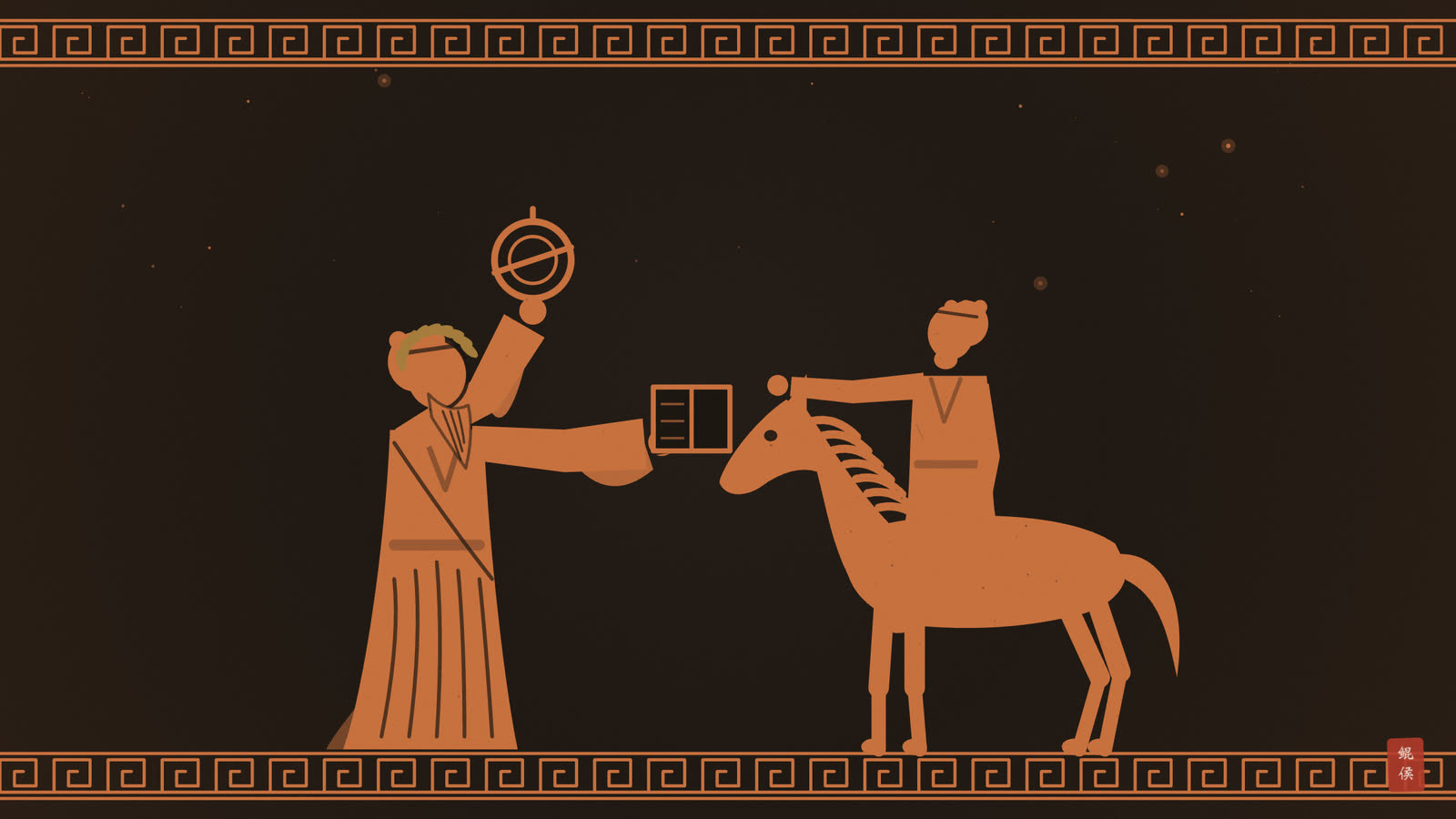
But I have experimented that a planet is in an Angle to the space of 5 degrees beyond the Cusp; for as once I sought the revolution of a year, I found Mars in the 5th degree beyond the Cusp of the Angle of the Earth in Capricorn, South Latitude, which signified the killing of the Roman Emperor; and acquainted him with it, for his Court was at Grossietti and I at Forlirii; and it was found that Pandulfus de Farsenella and Theobaldus Franciscus and divers others of the Secretaries had conspired to slay him, and none of his own Astrologers observed it, because they did not believe that Mars was in an Angle, for he was 4 degrees beyond the Cusp, and 58 min. in their opinion: however after a planet shall be removed from the Cusp or Line of any Angle full 5 degrees or more he is to be counted cadent from that Angle.
但我验证过,一颗行星越过宫头五度以内都算在角上;因为我曾推算某一年的回归盘,发现火星在摩羯,越过地底之角的宫头第五度,在南纬,这征象罗马皇帝将遭杀害;我把此事告知了他,因为他的宫廷在格罗塞托,我在弗利;结果查明,潘杜尔福斯·德·法尔塞内拉、特奥巴尔杜斯·弗朗西斯库斯以及其他几位秘书,曾密谋要杀他;他自己的星占家没有一个看出来,因为他们不相信火星在角上,照他们的看法,火星越过宫头四度五十八分;不过行星离开任何角的宫头或宫线满五度或更多之后,就要算作从那个角落下了。
大意与图解点开
🔎 大意:行星入星座满一度即算坐稳。在角宫宫头前五度内也算在角上;博纳提以火星距天底四度五十八分,预见皇帝遇刺之谋。
📖 术语
| 术语 | 英文原词 | 意思 |
|---|---|---|
| 坐稳 | fixed in that Sign | 确实入了那个星座 |
| 宫头 | Cusp | 宫的起始线 |
| 地底之角 | Angle of the Earth | 天底,第四宫头 |
| 回归盘 | revolution | 年度回归的星盘 |
| 南纬 | South Latitude | 在黄道以南 |
🧭 图解与讲解
第五十八则先讲「坐稳」:行星刚进一个星座,算不算已经在那里?扎埃尔要求走过五度,博纳提说走过一整度就够了,并替扎埃尔解释:他是为了稳妥。这与第三十则讲星座末度的问题正好首尾相对:末度已无力,初度一过就算数。
〔图〕越过天底四度五十八分,仍算在角上
| 说法 | 角的范围 | 出处 |
|---|---|---|
| 扎埃尔 | 离上升不到五度,不算落下 | 第五十八则 |
| 托勒密与诸哲人 | 上升白羊九度,白羊第五度的行星在角上 | 第五十八则 |
| 回归盘的严格派 | 宫头前一度、后两度 | 第五十八则 |
| 博纳提 | 越过宫头五度以内都在角上 | 火星应验之例 |
接着讲角宫的范围。行星不在宫头正上,而在它之前几度,算不算在角上?托勒密与「许多别的哲人」说算:上升白羊九度,白羊第五度的行星仍在角上。也有人要求极严,只许宫头前一度、后两度,博纳提说那是为年度回归盘求稳。几家的宽严见表二。
博纳提以亲身经历作证:某年推回归盘,火星在摩羯,过天底宫头四度五十八分,在第五度之内。他断为皇帝将遇刺,从弗利写信告知在格罗塞托的皇帝(原文只称「罗马皇帝」),后来果然查出秘书们的密谋。皇帝身边的星占家看漏了,正因为他们不认为火星在角上。图一是按这段话摆的示意盘,宫头度数原文未给。
这个故事是博纳提书中最有名的掌故之一,也说明他所说的「宫」是以宫头度数为准的象限宫,而非整宫制。读第五十九则时要记住这一点:宫与星座并不重合,下一则会明说。量角的远近,量的是离宫头几度,而不是离星座起点几度。
📖 术语
| 术语 | 英文原词 | 意思 |
|---|---|---|
| 坐稳 | fixed in that Sign | 确实入了那个星座 |
| 宫头 | Cusp | 宫的起始线 |
| 地底之角 | Angle of the Earth | 天底,第四宫头 |
| 回归盘 | revolution | 年度回归的星盘 |
| 南纬 | South Latitude | 在黄道以南 |
🧭 图解与讲解
第五十八则先讲「坐稳」:行星刚进一个星座,算不算已经在那里?扎埃尔要求走过五度,博纳提说走过一整度就够了,并替扎埃尔解释:他是为了稳妥。这与第三十则讲星座末度的问题正好首尾相对:末度已无力,初度一过就算数。
| 说法 | 角的范围 | 出处 |
|---|---|---|
| 扎埃尔 | 离上升不到五度,不算落下 | 第五十八则 |
| 托勒密与诸哲人 | 上升白羊九度,白羊第五度的行星在角上 | 第五十八则 |
| 回归盘的严格派 | 宫头前一度、后两度 | 第五十八则 |
| 博纳提 | 越过宫头五度以内都在角上 | 火星应验之例 |
接着讲角宫的范围。行星不在宫头正上,而在它之前几度,算不算在角上?托勒密与「许多别的哲人」说算:上升白羊九度,白羊第五度的行星仍在角上。也有人要求极严,只许宫头前一度、后两度,博纳提说那是为年度回归盘求稳。几家的宽严见表二。
博纳提以亲身经历作证:某年推回归盘,火星在摩羯,过天底宫头四度五十八分,在第五度之内。他断为皇帝将遇刺,从弗利写信告知在格罗塞托的皇帝(原文只称「罗马皇帝」),后来果然查出秘书们的密谋。皇帝身边的星占家看漏了,正因为他们不认为火星在角上。图一是按这段话摆的示意盘,宫头度数原文未给。
这个故事是博纳提书中最有名的掌故之一,也说明他所说的「宫」是以宫头度数为准的象限宫,而非整宫制。读第五十九则时要记住这一点:宫与星座并不重合,下一则会明说。量角的远近,量的是离宫头几度,而不是离星座起点几度。
The 59th is to consider, Whether the Significator be behind the Cusp of an Angle 15 degrees and no more; for he shall be said to be in an Angle as well as he that is exactly there, as Zaell affirms; whence he said before that it was not in an Angle, nor had any strength there beyond the 15th degree after the Cusp of the Angle:
For Example the Ascendant is 4 degrees of Taurus, and the end thereof was behind the Angle, whatever planet is posited from the 4th to the 19th degree thereof, is in the angle, but what is beyond that is not; but Ptolomy seems to intimate, though he says not expresly, That every planet who shall be 5 degrees before or 25 after the Cusp, is in the angle. Now Zaell would clear the doubt, least that great distance of the planet from the angle should hinder the business.
The same Ptolomy (from whom I cannot dissent) seems to assert, That no part of any house remains void of vertue; and my self am of opinion, I think not idlely, that every planet that is in any house shall be said to be in that house where he is found, from the beginning of the house even to the end thereof; and therefore I say in the house not in the sign, because sometimes the same house comprehends more than one sign and sometimes less; for it seems ridiculous that any part of any house should continue idle, and be left void of vertue.
翻译点开
The 59th is to consider, Whether the Significator be behind the Cusp of an Angle 15 degrees and no more; for he shall be said to be in an Angle as well as he that is exactly there, as Zaell affirms; whence he said before that it was not in an Angle, nor had any strength there beyond the 15th degree after the Cusp of the Angle:
第五十九则:要考虑征象星是否在某角宫头之后十五度以内而不超过;因为如扎埃尔所断言,它和恰在宫头上的行星一样,都算在角上;所以他先前才说,越过角的宫头第十五度以后,就不在角上,在那里也没有力量:
For Example the Ascendant is 4 degrees of Taurus, and the end thereof was behind the Angle, whatever planet is posited from the 4th to the 19th degree thereof, is in the angle, but what is beyond that is not; but Ptolomy seems to intimate, though he says not expresly, That every planet who shall be 5 degrees before or 25 after the Cusp, is in the angle. Now Zaell would clear the doubt, least that great distance of the planet from the angle should hinder the business.
举例说,上升是金牛四度,而金牛的其余部分在角后面,那么凡落在金牛四度到十九度之间的行星,都在角上,超出的就不在;但托勒密似乎暗示——虽然没有明说——凡在宫头之前五度或之后二十五度以内的行星,都在角上。扎埃尔想把疑问说清楚,免得行星离角太远而妨碍事情。
The same Ptolomy (from whom I cannot dissent) seems to assert, That no part of any house remains void of vertue; and my self am of opinion, I think not idlely, that every planet that is in any house shall be said to be in that house where he is found, from the beginning of the house even to the end thereof; and therefore I say in the house not in the sign, because sometimes the same house comprehends more than one sign and sometimes less; for it seems ridiculous that any part of any house should continue idle, and be left void of vertue.
同一位托勒密(我不能不同意他)似乎主张,任何一宫都没有哪一部分是没有效力的;我自己也认为——我想并非妄言——凡在某一宫中的行星,从这宫的起点直到终点,都应说它在它所在的那一宫里;我说「在宫中」而不说「在星座中」,是因为同一宫有时包含不止一个星座,有时不到一个星座;任何一宫的任何部分若闲置不用、毫无效力,那似乎是可笑的。
大意与图解点开
🔎 大意:扎埃尔:宫头后十五度内算在角上;托勒密似主宫头前五度至后二十五度。博纳提主张一宫从头到尾都有效力,宫不等于星座。
📖 术语
| 术语 | 英文原词 | 意思 |
|---|---|---|
| 角 | Angle | 四角宫 |
| 宫 | house | 盘上十二分区 |
| 星座 | sign | 黄道十二段 |
🧭 图解与讲解
第五十九则接着谈角的范围,这回从宫头往后量:扎埃尔说,宫头之后十五度以内都算在角上。图一照原文的例子:上升金牛四度,金牛四度到十九度的行星都在角上,十九度以外就不在。托勒密则「似乎暗示」宫头之前五度到之后二十五度,也就是一整宫(三十度)都算。
〔图〕上升金牛四度:金牛四度到十九度都算在角上
| 说法 | 在角上的范围(以宫头为准) |
|---|---|
| 扎埃尔(第五十九则) | 宫头之后十五度以内 |
| 托勒密(博纳提转述) | 宫头之前五度至之后二十五度 |
| 博纳提(第五十八则) | 宫头之前五度以内也算 |
| 博纳提(本则) | 行星在哪一宫,从宫头到宫尾都属那一宫 |
博纳提最后站在托勒密一边,并把话说透:一宫从起点到终点都有效力,行星在哪一宫,就是在那一宫,没有一段是闲置的。他还特别说明,这里讲的是「宫」而不是「星座」:同一宫有时包含不止一个星座,有时不到一个星座。
这句话透露了博纳提用的宫制:宫有宽有窄,宫头落在星座中间某一度,所以是按宫头度数划分的象限宫,而不是一个星座一宫的整宫制。前面几则的示意盘为了清楚,多用整宫制画;遇到这类宫头度数的问题,要按宫头来量(参表二)。
📖 术语
| 术语 | 英文原词 | 意思 |
|---|---|---|
| 角 | Angle | 四角宫 |
| 宫 | house | 盘上十二分区 |
| 星座 | sign | 黄道十二段 |
🧭 图解与讲解
第五十九则接着谈角的范围,这回从宫头往后量:扎埃尔说,宫头之后十五度以内都算在角上。图一照原文的例子:上升金牛四度,金牛四度到十九度的行星都在角上,十九度以外就不在。托勒密则「似乎暗示」宫头之前五度到之后二十五度,也就是一整宫(三十度)都算。
| 说法 | 在角上的范围(以宫头为准) |
|---|---|
| 扎埃尔(第五十九则) | 宫头之后十五度以内 |
| 托勒密(博纳提转述) | 宫头之前五度至之后二十五度 |
| 博纳提(第五十八则) | 宫头之前五度以内也算 |
| 博纳提(本则) | 行星在哪一宫,从宫头到宫尾都属那一宫 |
博纳提最后站在托勒密一边,并把话说透:一宫从起点到终点都有效力,行星在哪一宫,就是在那一宫,没有一段是闲置的。他还特别说明,这里讲的是「宫」而不是「星座」:同一宫有时包含不止一个星座,有时不到一个星座。
这句话透露了博纳提用的宫制:宫有宽有窄,宫头落在星座中间某一度,所以是按宫头度数划分的象限宫,而不是一个星座一宫的整宫制。前面几则的示意盘为了清楚,多用整宫制画;遇到这类宫头度数的问题,要按宫头来量(参表二)。
The 60th is to consider, Whether the Significator be in a sign fixed, common or movable, because in a fixed sign he signifies stability and continuance of the thing begun or to be undertaken or inquired of. In a common sign, a change with a return or repeating of it, that the same will once be broken off and afterwards begun again, or something added, or other alteration happen; for which reason in things that require alteration, as buying, selling, or the like, we should put the Significator and Moon, or one of them, into a common sign; but in a moveable sign it signifies a sudden change, a quick dispatch or end, whether good or ill.
And therefore in matters where we desire a sudden conclusion, we ought to put the Significator in moveable signs; but in things that we desire should be fixt and endure, we ought to place them in fixed signs; where we would have a mean, let them be in common signs, understand the same always of the nature of the Moon, if at any time thou canst observe it.
翻译点开
The 60th is to consider, Whether the Significator be in a sign fixed, common or movable, because in a fixed sign he signifies stability and continuance of the thing begun or to be undertaken or inquired of. In a common sign, a change with a return or repeating of it, that the same will once be broken off and afterwards begun again, or something added, or other alteration happen; for which reason in things that require alteration, as buying, selling, or the like, we should put the Significator and Moon, or one of them, into a common sign; but in a moveable sign it signifies a sudden change, a quick dispatch or end, whether good or ill.
第六十则:要考虑征象星在固定、双体还是启动星座中,因为在固定星座中,它表示所开始、所要着手或所问之事稳定持久。在双体星座中,表示变动而又回返或重复,事情会中断一次,之后再开始,或有所增添,或发生别的变化;所以,在需要变动的事上,例如买卖之类,我们应把征象星与月亮,或其中之一,放进双体星座;而在启动星座中,它表示突然的变化、迅速的了结或结束,不论好坏。
And therefore in matters where we desire a sudden conclusion, we ought to put the Significator in moveable signs; but in things that we desire should be fixt and endure, we ought to place them in fixed signs; where we would have a mean, let them be in common signs, understand the same always of the nature of the Moon, if at any time thou canst observe it.
所以,在希望迅速了结的事上,我们应把征象星放在启动星座;在希望稳固长久的事上,应把它们放在固定星座;希望取其中道时,就放在双体星座;对于月亮的性质,也要始终这样理解,只要你能顾及到它。
大意与图解点开
🔎 大意:固定星座主稳定持久,双体星座主变动反复,启动星座主速变速了。择时就照所求之事,把征象星与月亮放进相应星座。
📖 术语
| 术语 | 英文原词 | 意思 |
|---|---|---|
| 固定星座 | fixed | 金牛狮子天蝎水瓶 |
| 双体星座 | common | 双子处女射手双鱼 |
| 启动星座 | movable | 白羊巨蟹天秤摩羯 |
🧭 图解与讲解
十二星座按「模式」分三组,每组四座,彼此成四分或对冲:启动星座(白羊、巨蟹、天秤、摩羯,太阳到此正值分至,季节开始转换)、固定星座(金牛、狮子、天蝎、水瓶,季节正盛)、双体星座(双子、处女、射手、双鱼,季节将尽、交替之间)。图一的动画依次描出三组。
〔图〕三种星座三种节奏:启动主速,固定主久,双体主反复
| 星座 | 所主 | 择时宜用于 |
|---|---|---|
| 启动(白羊、巨蟹、天秤、摩羯) | 突然变化,迅速了结 | 希望速成速了之事 |
| 固定(金牛、狮子、天蝎、水瓶) | 稳定持久 | 希望稳固长久之事 |
| 双体(双子、处女、射手、双鱼) | 中断再起、增添、改变 | 买卖等需要变动、取中道之事 |
第六十则把这三种节奏用到卜卦与择时上:征象星在固定星座,事情稳定持久;在启动星座,变得快、结束得快,好坏都一样;在双体星座,事情会断一次再续,或有增添、改变。这与季节的意象正合:季初在变,季中在稳,季末在交替。
后半则转为择时的建议:求速成,把征象星放在启动星座;求长久,放在固定星座;买卖这类本身就要来回变动的事,放在双体星座。月亮也照此安排,「只要你能顾及到它」——择时很难面面俱到,月亮能顾就顾。
📖 术语
| 术语 | 英文原词 | 意思 |
|---|---|---|
| 固定星座 | fixed | 金牛狮子天蝎水瓶 |
| 双体星座 | common | 双子处女射手双鱼 |
| 启动星座 | movable | 白羊巨蟹天秤摩羯 |
🧭 图解与讲解
十二星座按「模式」分三组,每组四座,彼此成四分或对冲:启动星座(白羊、巨蟹、天秤、摩羯,太阳到此正值分至,季节开始转换)、固定星座(金牛、狮子、天蝎、水瓶,季节正盛)、双体星座(双子、处女、射手、双鱼,季节将尽、交替之间)。图一的动画依次描出三组。
| 星座 | 所主 | 择时宜用于 |
|---|---|---|
| 启动(白羊、巨蟹、天秤、摩羯) | 突然变化,迅速了结 | 希望速成速了之事 |
| 固定(金牛、狮子、天蝎、水瓶) | 稳定持久 | 希望稳固长久之事 |
| 双体(双子、处女、射手、双鱼) | 中断再起、增添、改变 | 买卖等需要变动、取中道之事 |
第六十则把这三种节奏用到卜卦与择时上:征象星在固定星座,事情稳定持久;在启动星座,变得快、结束得快,好坏都一样;在双体星座,事情会断一次再续,或有增添、改变。这与季节的意象正合:季初在变,季中在稳,季末在交替。
后半则转为择时的建议:求速成,把征象星放在启动星座;求长久,放在固定星座;买卖这类本身就要来回变动的事,放在双体星座。月亮也照此安排,「只要你能顾及到它」——择时很难面面俱到,月亮能顾就顾。
The 61th is to behold, Whether the Lord of the Ascendent, or Moon, be with the Dragons head or tail; for that is an impediment in all affairs, and the hindrance or mischief will proceed from a cause signified by that House in which such conjunction happens. But no Conjunction of the Dragons head or tail hurts, unless it be corporal; for they have no Aspect nor Opposition. And it is worse when the Significator, or Moon, goes towards them, than when they go from them:
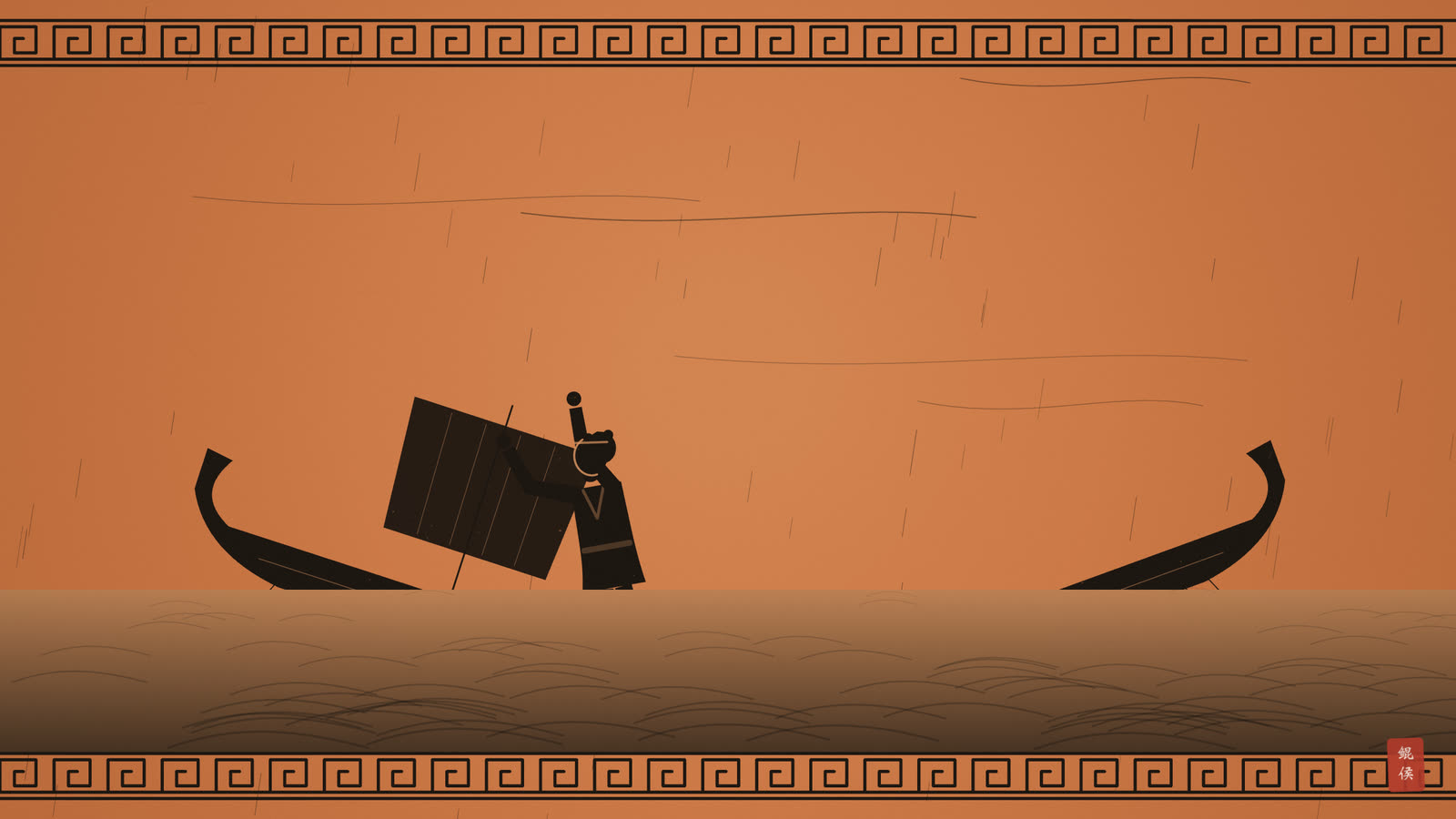
For in the first case is signified the mischief in its full height, like a man in a Ship that is split in the Sea, when there is no hope. But in the last, 'tis like a Ship that is only in danger, but has hopes and probabilities of escaping.
And note, That when the Significator, or Moon, goes to the Dragons head, its malice is augmented, for its nature is to encrease; and when they go to the tail, the mischief is not absolutely at the worst, as 'tis when they go from it; that is, within one degree: for from one degree forwards 'tis not so great as in that degree, although much; and from 1 to 3 less, and from 3 to 5 yet less, and from 5 to 7 very small; from 7 to 9 smaller, and from thence to 12 little or nothing at all.
翻译点开
The 61th is to behold, Whether the Lord of the Ascendent, or Moon, be with the Dragons head or tail; for that is an impediment in all affairs, and the hindrance or mischief will proceed from a cause signified by that House in which such conjunction happens. But no Conjunction of the Dragons head or tail hurts, unless it be corporal; for they have no Aspect nor Opposition. And it is worse when the Significator, or Moon, goes towards them, than when they go from them:
第六十一则:要察看上升主星或月亮是否与龙首或龙尾同处;因为那在一切事上都是阻碍,而阻碍或祸害会出自这次会合所在之宫所征象的缘由。不过龙首或龙尾的会合,除非是体合,否则无害;因为它们没有相位,也没有对冲。征象星或月亮朝它们走去时,比从它们那里离开时更坏:
For in the first case is signified the mischief in its full height, like a man in a Ship that is split in the Sea, when there is no hope. But in the last, 'tis like a Ship that is only in danger, but has hopes and probabilities of escaping.
因为前一种情形表示祸害达到极点,就像一个人乘的船在海上破裂,已无希望。后一种情形则像一条船只是遇险,还有希望、有可能逃脱。
And note, That when the Significator, or Moon, goes to the Dragons head, its malice is augmented, for its nature is to encrease; and when they go to the tail, the mischief is not absolutely at the worst, as 'tis when they go from it; that is, within one degree: for from one degree forwards 'tis not so great as in that degree, although much; and from 1 to 3 less, and from 3 to 5 yet less, and from 5 to 7 very small; from 7 to 9 smaller, and from thence to 12 little or nothing at all.
还要注意,征象星或月亮走向龙首时,它的恶意会增加,因为龙首的本性是增加;走向龙尾时,祸害还不算绝对最坏,不如从龙尾离开时那样坏;也就是在一度以内:因为从一度往后,就不如在那一度里那么大,虽然仍很大;从一度到三度较小,从三度到五度更小,从五度到七度很小;从七度到九度更小,从那里到十二度就很少或全无。
大意与图解点开
🔎 大意:上升主星或月亮与龙首龙尾体合即受阻,祸出于会合所在之宫。趋近比离开更凶;离龙尾越远越轻,十二度外几无。
📖 术语
| 术语 | 英文原词 | 意思 |
|---|---|---|
| 龙首 | Dragons head | 北交点,升交点 |
| 龙尾 | Dragons tail | 南交点,降交点 |
| 体合 | corporal | 同处一度附近 |
🧭 图解与讲解
龙首、龙尾是月亮轨道与黄道的两个交点,龙首即北交点(升交点),龙尾即南交点(降交点),两者永远相隔一百八十度。交食就发生在日月走近交点的时候,所以古人对它们格外警惕。第六十一则说,上升主星或月亮与龙首龙尾同处,是一切事的阻碍,祸由会合所在之宫所主的事而来。
〔图〕龙首龙尾只论体合:月亮走向龙首,祸害正在增大
| 与龙尾的距离 | 祸害 |
|---|---|
| 一度以内 | 最大 |
| 一至三度 | 较小 |
| 三至五度 | 更小 |
| 五至七度 | 很小 |
| 七至九度 | 更小 |
| 九至十二度 | 很少或全无 |
博纳提特别强调只论体合:交点不是星体,「没有相位,也没有对冲」,所以与它们成三分、四分都不算。这与第三十一则末句「体合截断相位」同一个思路——星体相会才是实打实的接触。断事时,上升主星或月亮与龙首龙尾隔着星座相望,可以不必理会。
趋近比离开更凶,比方是两条船:一条已经破裂、毫无希望,一条只是遇险、还有生机。末段又细分:走向龙首,恶意增加,因为龙首「本性是增加」;关于龙尾,原文先说走向它还不算最坏、离开它时更坏,与前文「趋近更凶」似乎相左,照译不改;接着给出按度递减的刻度,一度以内最重,十二度外几乎无害(表二)。
📖 术语
| 术语 | 英文原词 | 意思 |
|---|---|---|
| 龙首 | Dragons head | 北交点,升交点 |
| 龙尾 | Dragons tail | 南交点,降交点 |
| 体合 | corporal | 同处一度附近 |
🧭 图解与讲解
龙首、龙尾是月亮轨道与黄道的两个交点,龙首即北交点(升交点),龙尾即南交点(降交点),两者永远相隔一百八十度。交食就发生在日月走近交点的时候,所以古人对它们格外警惕。第六十一则说,上升主星或月亮与龙首龙尾同处,是一切事的阻碍,祸由会合所在之宫所主的事而来。
| 与龙尾的距离 | 祸害 |
|---|---|
| 一度以内 | 最大 |
| 一至三度 | 较小 |
| 三至五度 | 更小 |
| 五至七度 | 很小 |
| 七至九度 | 更小 |
| 九至十二度 | 很少或全无 |
博纳提特别强调只论体合:交点不是星体,「没有相位,也没有对冲」,所以与它们成三分、四分都不算。这与第三十一则末句「体合截断相位」同一个思路——星体相会才是实打实的接触。断事时,上升主星或月亮与龙首龙尾隔着星座相望,可以不必理会。
趋近比离开更凶,比方是两条船:一条已经破裂、毫无希望,一条只是遇险、还有生机。末段又细分:走向龙首,恶意增加,因为龙首「本性是增加」;关于龙尾,原文先说走向它还不算最坏、离开它时更坏,与前文「趋近更凶」似乎相左,照译不改;接着给出按度递减的刻度,一度以内最重,十二度外几乎无害(表二)。
The 62th is to consider, Whether the Moon be void of course? for that signifies that the thing enquired after shall scarce ever come to a good end, or not without much labour, sorrow and trouble, unless the Lord of the Ascendant, or Significator of the thing, shall be in very good condition, and then it may be hindred, but not wholly frustrated: yet 'tis a good time then for drinking, bathing, feasting, &c. and to use ointments for taking away of hair, especially if she be in Scorpio.
翻译点开
The 62th is to consider, Whether the Moon be void of course? for that signifies that the thing enquired after shall scarce ever come to a good end, or not without much labour, sorrow and trouble, unless the Lord of the Ascendant, or Significator of the thing, shall be in very good condition, and then it may be hindred, but not wholly frustrated: yet 'tis a good time then for drinking, bathing, feasting, &c. and to use ointments for taking away of hair, especially if she be in Scorpio.
第六十二则:要考虑月亮是否空亡?因为那表示所问之事几乎永远不会有好结果,或非经许多辛劳、忧伤与烦扰不能成,除非上升主星或此事的征象星状态非常好,那样事情或许受阻,却不至全然落空;不过此时正宜饮酒、沐浴、宴饮等,也宜用药膏除毛,尤其月亮在天蝎时。
大意与图解点开
🔎 大意:月亮空亡,所问之事难有好结果,除非上升主星或征象星状态极好。此时只宜饮酒、沐浴、宴饮、除毛。
📖 术语
| 术语 | 英文原词 | 意思 |
|---|---|---|
| 空亡 | void of course | 不再与任何星成相 |
| 上升主星 | Lord of the Ascendant | 代表问卜者的星 |
🧭 图解与讲解
「月亮空亡」(void of course)原文没有定义。一般理解为月亮离开所在星座之前,不再与任何行星成相位,像一个走空了路的人。第六十九则说「若她在所在星座之内或之后不与任何星相会,就取下一星座里她最先相会者」,可与此对看。图一示意:月亮在天蝎二十五度,剩下五度里与诸星都成不了相位。
〔图〕月亮空亡:离开天蝎之前,不再与任何行星成相位
〔图〕月亮空亡时的判断:先断难成,再看有无救星,最后看宜做何事
空亡的意思是事情没有下文。第二十三则说将来看月亮下一个相会者,空亡就是没有下一个,所以所问之事几乎不会有好结果。唯一的补救在上升主星或此事的征象星:它们状态很好,事情会受阻,但不至全然落空。
这一则的结尾很有生活气息:月亮空亡时不宜办正事,却正好饮酒、沐浴、宴饮,用药膏除毛,尤其月亮在天蝎时。天蝎是月亮的落,月亮在此最无力,用来做「不求结果」的事反而合宜。择时的书里常见这类条目,说明古人的择日并非只挑大事。
📖 术语
| 术语 | 英文原词 | 意思 |
|---|---|---|
| 空亡 | void of course | 不再与任何星成相 |
| 上升主星 | Lord of the Ascendant | 代表问卜者的星 |
🧭 图解与讲解
「月亮空亡」(void of course)原文没有定义。一般理解为月亮离开所在星座之前,不再与任何行星成相位,像一个走空了路的人。第六十九则说「若她在所在星座之内或之后不与任何星相会,就取下一星座里她最先相会者」,可与此对看。图一示意:月亮在天蝎二十五度,剩下五度里与诸星都成不了相位。
空亡的意思是事情没有下文。第二十三则说将来看月亮下一个相会者,空亡就是没有下一个,所以所问之事几乎不会有好结果。唯一的补救在上升主星或此事的征象星:它们状态很好,事情会受阻,但不至全然落空。
这一则的结尾很有生活气息:月亮空亡时不宜办正事,却正好饮酒、沐浴、宴饮,用药膏除毛,尤其月亮在天蝎时。天蝎是月亮的落,月亮在此最无力,用来做「不求结果」的事反而合宜。择时的书里常见这类条目,说明古人的择日并非只挑大事。
原文为公有领域古籍;翻译、印象画与图文解读由 AI 辅助生成,鲲侯审校。