博纳提·第一至六则 问卜之心与诸星受损
问卜须心动、天应、意决,郑重而问;行星作用于下界有十六种方式;月亮受损十七种,行星受损十种。
THE First, Is to observe what it is that moves a person to propose or ask a Question of an Astrologer; where we must take notice of Three motions, the First of the mind, when a man is stirred up in his thoughts and hath an intent to inquire; a Second of the Superior and Celestial Bodies; so that they at that time imprint on the things inquired after, what shall become of it; the Third of the free-will which disposes him to the very Act of Inquiring; for although the mind be moved to Inquire, 'tis not enough, unless the Superior Bodies sympathize therewith; nor is such motion of the Stars enough, unless by the Election of his will the person does actually Inquire.
翻译点开
THE First, Is to observe what it is that moves a person to propose or ask a Question of an Astrologer; where we must take notice of Three motions, the First of the mind, when a man is stirred up in his thoughts and hath an intent to inquire; a Second of the Superior and Celestial Bodies; so that they at that time imprint on the things inquired after, what shall become of it; the Third of the free-will which disposes him to the very Act of Inquiring; for although the mind be moved to Inquire, 'tis not enough, unless the Superior Bodies sympathize therewith; nor is such motion of the Stars enough, unless by the Election of his will the person does actually Inquire.
第一则,要观察是什么促使一个人向星占家提出或询问一个问题;这里我们必须注意三种运动:第一是心的运动,即一个人在念头里被激起,有意要询问;第二是上位天体、即诸天体的运动,它们在那一刻就把所问之事将来会如何,印在所问之事上;第三是自由意志的运动,它使人付诸询问的实际行动;因为心虽然动了要问,还不够,除非上位天体与之相感;星辰的这种运动也不够,除非这人凭意志的选择真的去问。
大意与图解点开
🔎 大意:问卜要三动俱足:心动想问,天体同时相感并印下结局,自由意志使人真去问;缺一则不足凭。
📖 术语
| 术语 | 英文原词 | 意思 |
|---|---|---|
| 考量 | Consideration | 判断前须考虑之事 |
| 上位天体 | Superior Bodies | 天上的诸天体 |
| 自由意志 | free-will | 人自主的选择 |
| 相感 | sympathize | 彼此呼应感通 |
🧭 图解与讲解
一百四十六则的第一则,问的是「为什么来问」。博纳提把一次问卜拆成三种运动(图一):先是人的心动了,念头里有一件事放不下,想要询问;其次是天上的运动,那一刻诸天体把这件事将来的结局「印」在所问之事上;最后是自由意志,使人真的走到星占家面前开口。
〔图〕问卜三动:心动、天动、意动,三者俱足,盘才可凭
三者缺一不可。心动而天不应,起出来的盘就不反映这件事;天有所应而人不去问,也就没有可判的盘。这是卜卦的根本道理:问题被郑重提出的那一刻,天象与所问之事相应,所以可以就这一刻起盘。下一则讲问卜者该怎样问,下一章的第七则再讲怎样从盘上看出问题是否出于真心。
值得留意的是「自由意志」一说。中世纪基督教世界的星占家必须回应「星辰决定一切」的指责,博纳提在这里把人的选择放进问卜成立的条件里:天体印下趋势,还要人自己选择去问,盘才有意义。这与《四书》卷一第三章托勒密说预知能让人预先防备,用意相通。
📖 术语
| 术语 | 英文原词 | 意思 |
|---|---|---|
| 考量 | Consideration | 判断前须考虑之事 |
| 上位天体 | Superior Bodies | 天上的诸天体 |
| 自由意志 | free-will | 人自主的选择 |
| 相感 | sympathize | 彼此呼应感通 |
🧭 图解与讲解
一百四十六则的第一则,问的是「为什么来问」。博纳提把一次问卜拆成三种运动(图一):先是人的心动了,念头里有一件事放不下,想要询问;其次是天上的运动,那一刻诸天体把这件事将来的结局「印」在所问之事上;最后是自由意志,使人真的走到星占家面前开口。
三者缺一不可。心动而天不应,起出来的盘就不反映这件事;天有所应而人不去问,也就没有可判的盘。这是卜卦的根本道理:问题被郑重提出的那一刻,天象与所问之事相应,所以可以就这一刻起盘。下一则讲问卜者该怎样问,下一章的第七则再讲怎样从盘上看出问题是否出于真心。
值得留意的是「自由意志」一说。中世纪基督教世界的星占家必须回应「星辰决定一切」的指责,博纳提在这里把人的选择放进问卜成立的条件里:天体印下趋势,还要人自己选择去问,盘才有意义。这与《四书》卷一第三章托勒密说预知能让人预先防备,用意相通。
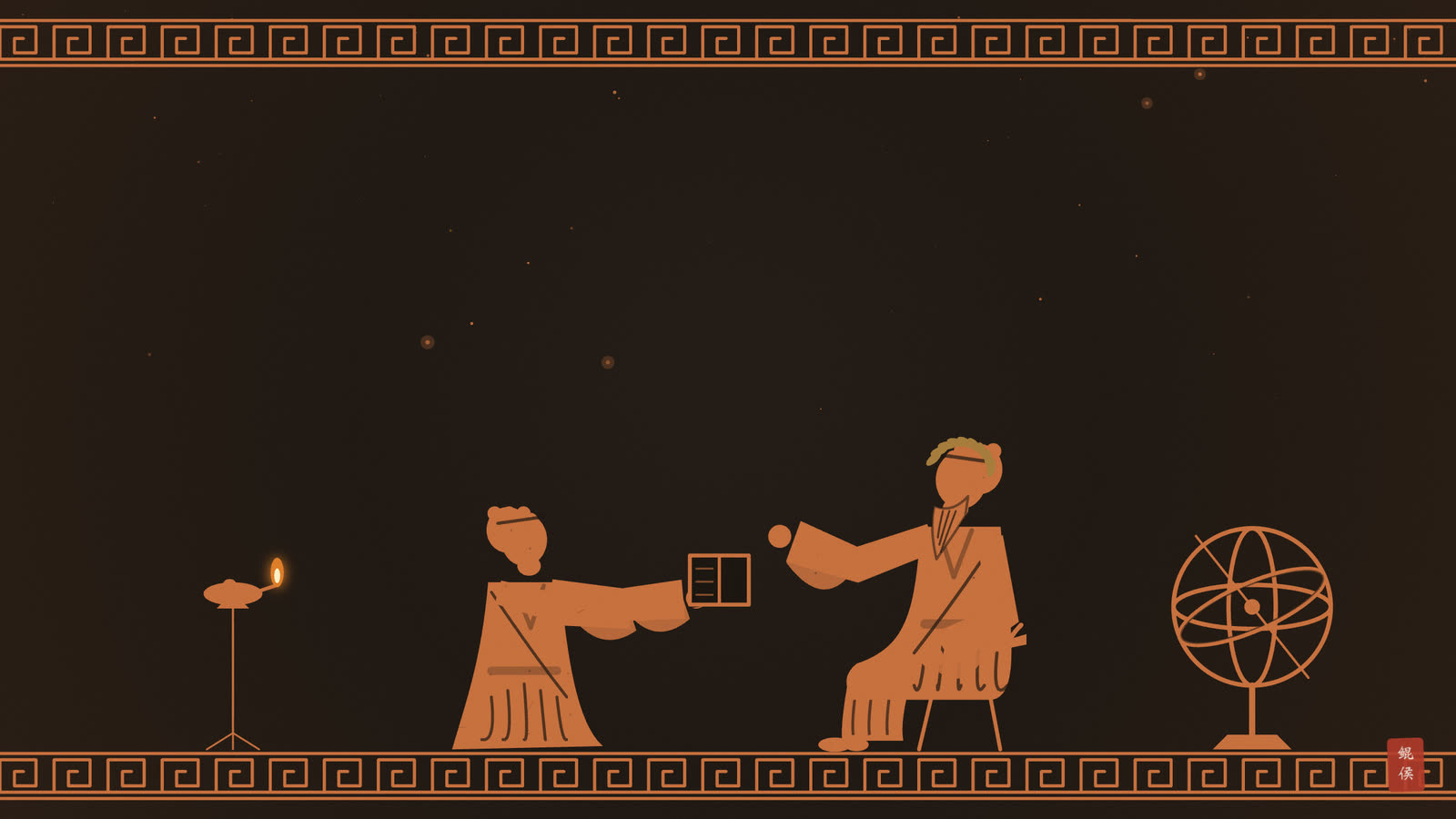
The Second Considerable is (what we hinted at before) the method or manner every one ought to observe that inquires of an Astrologer; which is, that when he intends to take an Artist's Judgment of things past, present, or to come, he should first with a devout Spirit pray unto the Lord, from whom proceeds the success of every lawful enterprize, that he would grant him the knowledge of those things, of the Truth of which he would be resolv'd:
And then let him apply himself to the Astrologer with a serious intent of being satisfied in some certain and particular doubt, and this not on trifling occasions, or light sudden motions, much less in matters base or unlawful, as many ignorant people use to do; but in matters of honest importance, and such as have possest and disturbed his mind for the space of a day and night or longer; unless in sudden accidents which admit not of delay.
Those that take this sober Course, shall find the Truth in what they inquire after; but whosoever do otherwise, deceive both themselves and the Artist; for a foolish Querent may cause a wise Respondent to erre, which brings a scandal upon Art amongst inconsiderate people; when as the Astrologer is not blameable, but the ignorant silly Querent.
翻译点开
The Second Considerable is (what we hinted at before) the method or manner every one ought to observe that inquires of an Astrologer; which is, that when he intends to take an Artist's Judgment of things past, present, or to come, he should first with a devout Spirit pray unto the Lord, from whom proceeds the success of every lawful enterprize, that he would grant him the knowledge of those things, of the Truth of which he would be resolv'd:
第二则(前面已经提过)是每个向星占家询问的人都应遵守的方法或方式:当他打算请一位星占家判断过去、现在或未来之事时,应先以虔诚的心向主祈祷——一切正当事业的成功都出于主——求主赐他知道那些他想弄清真相的事:
And then let him apply himself to the Astrologer with a serious intent of being satisfied in some certain and particular doubt, and this not on trifling occasions, or light sudden motions, much less in matters base or unlawful, as many ignorant people use to do; but in matters of honest importance, and such as have possest and disturbed his mind for the space of a day and night or longer; unless in sudden accidents which admit not of delay.
然后再带着认真的意图去找星占家,要解决的是某个确定而具体的疑问;不要为琐碎的小事,或一时轻率的冲动,更不要为卑劣或不法之事来问,许多无知的人就是这样做的;而要为正当而要紧的事,并且是已经占据、困扰他的心一天一夜或更久的事;除非是突发之事,不容耽搁。
Those that take this sober Course, shall find the Truth in what they inquire after; but whosoever do otherwise, deceive both themselves and the Artist; for a foolish Querent may cause a wise Respondent to erre, which brings a scandal upon Art amongst inconsiderate people; when as the Astrologer is not blameable, but the ignorant silly Querent.
走这条稳重之路的人,会在所问之事中找到真相;而不这样做的人,既欺骗了自己,也欺骗了星占家;因为一个愚蠢的问卜者,会使一个明智的答卜者出错,这在不明事理的人当中给此术招来恶名;其实该怪的不是星占家,而是那无知愚蠢的问卜者。
大意与图解点开
🔎 大意:问卜先虔诚祈祷,再为正当、确切、已萦怀一昼夜的事认真来问;轻率愚蠢的问者会让明智的星占家也出错。
📖 术语
| 术语 | 英文原词 | 意思 |
|---|---|---|
| 问卜者 | Querent | 提出问题的人 |
| 答卜者 | Respondent | 回答问题的星占家 |
| 星占家 | Artist | 精于此术的人 |
| 正当事业 | lawful enterprize | 合法正当的事 |
🧭 图解与讲解
第二则讲问卜者该怎样来问。博纳提开出的第一步是祈祷:一切正当事业的成功都出于主,所以先求主赐知真相。这是中世纪基督教世界的说法,用意在于让问者收心,确认自己真想知道答案。
〔图〕郑重之问得真相,轻率之问误人误术
其次是问什么、怎么问(图一上行):要带着认真的意图,问一件确定而具体的事;不问琐事,不凭一时冲动,更不问卑劣不法的事;最好是这件事已经萦绕心头「一天一夜或更久」。只有突发急事例外:事情来得急,不容等待,也可以马上问。后世卜卦家常说「问题要真切」,源头就在这里。
反过来(图一下行),轻率妄问的人既欺骗自己,也欺骗星占家:愚蠢的问卜者会让明智的答卜者出错,于是外人把错归给星占学本身。博纳提替同行辩白:这时该怪问卜者,不该怪星占家。下一章的第七则还会回到这个题目,讲星占家怎样从盘上辨出问者是否认真。
📖 术语
| 术语 | 英文原词 | 意思 |
|---|---|---|
| 问卜者 | Querent | 提出问题的人 |
| 答卜者 | Respondent | 回答问题的星占家 |
| 星占家 | Artist | 精于此术的人 |
| 正当事业 | lawful enterprize | 合法正当的事 |
🧭 图解与讲解
第二则讲问卜者该怎样来问。博纳提开出的第一步是祈祷:一切正当事业的成功都出于主,所以先求主赐知真相。这是中世纪基督教世界的说法,用意在于让问者收心,确认自己真想知道答案。
其次是问什么、怎么问(图一上行):要带着认真的意图,问一件确定而具体的事;不问琐事,不凭一时冲动,更不问卑劣不法的事;最好是这件事已经萦绕心头「一天一夜或更久」。只有突发急事例外:事情来得急,不容等待,也可以马上问。后世卜卦家常说「问题要真切」,源头就在这里。
反过来(图一下行),轻率妄问的人既欺骗自己,也欺骗星占家:愚蠢的问卜者会让明智的答卜者出错,于是外人把错归给星占学本身。博纳提替同行辩白:这时该怪问卜者,不该怪星占家。下一章的第七则还会回到这个题目,讲星占家怎样从盘上辨出问者是否认真。
The Third, Is to consider how many waies Planets operate upon Inferior Bodies, according to the divers Qualities of their Motions; there being Sixteen different wayes of such their Operations and Effects in all things that are either wholly or in part perfected or destroyed.
The Fourth, Is to consider particularly these several Sixteen wayes, and what are the assisting causes that help forwards things to perfection, and what those are that destroy things after they are perfected: Now of these the first is Profection, or an Advance of or in things; which the Philosophers call Alchecohol. 2. Detriment, which they call Aliber. 3. Conjunction or Reversion, which they call Alitisall. 4. Seperation, which they call Alnichirat. 5. Translation of light, which they call Annecad. 6. Collection, which they call Algemei. 7. Prohibition, which they call Almana. 8. Reception, called Alcohol. 9.
Being void of course, called Gastalcobol. 10. Permission, called Galaalocir. 11. The restoring or giving of Vertue or Disposition, called Alteat. 12. The with-drawing of Vertue, called Dalpha Alchoa. 13. The with-drawer or driver away of Disposition, called Daff aredbit. 14. Fortitude, Alcoevah. 15. Debility Adirof. The 16th. Is the state of the Moon, called Gnaymel, or the Moon ill-affected; which the Ancients generally hold to be of ill signification.
翻译点开
The Third, Is to consider how many waies Planets operate upon Inferior Bodies, according to the divers Qualities of their Motions; there being Sixteen different wayes of such their Operations and Effects in all things that are either wholly or in part perfected or destroyed.
第三则,要考虑诸行星依其运动的种种性质,以多少种方式作用于下界诸物体;它们这样的作用与效应共有十六种不同的方式,见于一切全部或部分成就、或全部或部分毁坏的事物之中。
The Fourth, Is to consider particularly these several Sixteen wayes, and what are the assisting causes that help forwards things to perfection, and what those are that destroy things after they are perfected: Now of these the first is Profection, or an Advance of or in things; which the Philosophers call Alchecohol. 2. Detriment, which they call Aliber. 3. Conjunction or Reversion, which they call Alitisall. 4. Seperation, which they call Alnichirat. 5. Translation of light, which they call Annecad. 6. Collection, which they call Algemei. 7. Prohibition, which they call Almana. 8. Reception, called Alcohol. 9.
第四则,要逐一考察这十六种方式,看哪些是帮助事物推向完成的辅助原因,哪些是在事物完成后又将其毁坏的原因。其中第一是前进,即事物的推进或进展,哲人称之为“阿尔切科霍尔”;第二是退损,他们称之为“阿利贝尔”;第三是会合或转归,他们称之为“阿利提萨尔”;第四是离相,他们称之为“阿尔尼奇拉特”;第五是光线传递,他们称之为“安内卡德”;第六是光线收集,他们称之为“阿尔杰梅”;第七是阻止,他们称之为“阿尔马纳”;第八是接纳,称为“阿尔科霍尔”;第九,
Being void of course, called Gastalcobol. 10. Permission, called Galaalocir. 11. The restoring or giving of Vertue or Disposition, called Alteat. 12. The with-drawing of Vertue, called Dalpha Alchoa. 13. The with-drawer or driver away of Disposition, called Daff aredbit. 14. Fortitude, Alcoevah. 15. Debility Adirof. The 16th. Is the state of the Moon, called Gnaymel, or the Moon ill-affected; which the Ancients generally hold to be of ill signification.
是空亡,称为“加斯塔尔科博尔”;第十是允许,称为“加拉阿洛西尔”;第十一是归还或交付力量或支配之力,称为“阿尔提阿特”;第十二是撤走力量,称为“达尔法·阿尔科阿”;第十三是撤走或驱走支配之力者,称为“达夫·阿雷德比特”;第十四是强旺,称为“阿尔科埃瓦”;第十五是衰弱,称为“阿迪罗夫”;第十六是月亮的状态,称为“格奈梅尔”,即月亮受损,古人普遍认为这主凶。
大意与图解点开
🔎 大意:行星作用于下界有十六种方式,或助事成,或败已成之事:前进、退损、会合、离相、传光、集光、阻止、接纳等。
📖 术语
| 术语 | 英文原词 | 意思 |
|---|---|---|
| 光线传递 | Translation of light | 借第三星把光转过去 |
| 光线收集 | Collection | 由一颗重星收合两星 |
| 阻止 | Prohibition | 另一星插入阻断 |
| 接纳 | Reception | 在对方尊贵处被收留 |
| 空亡 | void of course | 不再与任何星相会 |
🧭 图解与讲解
第三、四两则合起来,是一份行星「作用方式」的清单。博纳提说,行星依其运动的不同性质,对下界之物有十六种作用方式;凡是事情成了或坏了、全部或部分,都逃不出这十六种。第四则逐一列名,并附上中世纪拉丁译者沿用的阿拉伯名称;英译者照拉丁书转写,拼法早已走样,本站翻译里只作音写,原拼写见表一。
| 序 | 英译原名 | 阿拉伯名(原书拼写) | 中文 | 中世纪卜卦的通常所指 |
|---|---|---|---|---|
| 1 | Profection | Alchecohol | 前进 | 行星居角宫、续宫,事情向前推进 |
| 2 | Detriment | Aliber | 退损 | 行星落于果宫,事情后退 |
| 3 | Conjunction / Reversion | Alitisall | 会合(转归) | 两星趋近,成相位或体合 |
| 4 | Seperation | Alnichirat | 离相 | 相位已过,两星彼此离开 |
| 5 | Translation of light | Annecad | 光线传递 | 快星离开一星、再会另一星,把光带过去 |
| 6 | Collection | Algemei | 光线收集 | 两星不相会,同去会一颗重星,由它收合 |
| 7 | Prohibition | Almana | 阻止 | 两星将会之前,另一星先插入 |
| 8 | Reception | Alcohol | 接纳 | 一星在另一星的尊贵之处而相会 |
| 9 | Being void of course | Gastalcobol | 空亡 | 不再与任何星成相位 |
| 10 | Permission | Galaalocir | 允许 | 本则只列其名 |
| 11 | Restoring / giving of Vertue | Alteat | 归还或交付力量 | 本则只列其名;第二十则用到「交付力量」 |
| 12 | With-drawing of Vertue | Dalpha Alchoa | 撤走力量 | 本则只列其名 |
| 13 | With-drawer of Disposition | Daff aredbit | 撤走支配之力者 | 本则只列其名 |
| 14 | Fortitude | Alcoevah | 强旺 | 有尊贵、居角、顺行等 |
| 15 | Debisity [Debility] | Adirof | 衰弱 | 种种受损,见第六则 |
| 16 | State of the Moon | Gnaymel | 月亮受损 | 见第五则 |
这十六种可以粗分三组。一组讲两星之间相位的进程:会合、离相、光线传递、光线收集、阻止、接纳、空亡——这是卜卦断「事成不成」的核心:两颗征象星趋近会合,事成;已经离相,事已过去;中间有第三颗星传光或集光,也能借它成事;被另一星插入阻断,则事败。另一组讲行星本身的强弱:前进与退损、强旺与衰弱。最后一项单列月亮的状态,第五则专讲。
本章只列名目,没有逐一定义;表一最后一栏是中世纪卜卦里这些名目的通常用法,供读者先有个轮廓。其中允许、交付力量、撤走力量、撤走支配之力几项,博纳提在这里没有解释,后面各则遇到时再看他怎么用,比如本书第二十则就说到「交付力量」。
The fifth, Is to consider, How many wayes the Moon comes to be so ill affected, which are generally reckoned to be Ten, but in my opinion Seven more may be added, whereby hindrances and damage happen in all Questions, Nativities, Elections, and Actions whatsoever:
The First is, When the Moon is Combust, that is to say under the Suns Beams, which is counted from 15 degrees of the Body of the Sun as she applies to him to 12 degrees distance from him as she is seperating from him; and the Impediment is greater when she is going to the Sun than when she is going from him; because as she goes off, when she is got five degrees distant, she is said to be escaped; though not wholly freed:
As when a Feavor hath left a Man, he is said to be recovered, although he be Weake and Faint, because he is secure now that he shall obtaine his health again. The 2d. Is when she is in the degrees of her Descensions, that is in the 3d. degree of Scorpio, or in any part of Scorpio or Capricorn or injoyned with any Planet that is in her or its own Decensions as if she be joyned with the Sun, who is in Scorpio or Capricorn or in his proper Descension, viz. in Aquary or Libra, viz. in its 19th. degree or in any part of Libra; or should be joyned with Mars, and he be in Libra or Taurus, or in the 28th. degree, or in any part of Cancer; and so with any other Planet or Planets respectively.
The 3d. Is when she is posited in any of the Combust degrees, of which the worst are those 12. degrees which are before the degree which is directly opposite to the degree in which the Sun is, wherever she shall happen to be. The 4th.
Is when she is in Conjunction, Opposition, or Square to either of the Infortunes Saturn or Mars, without a perfect reception; for with one it hinders but little, but in all other places 'tis a grand Impediment, both in the said Aspects and also in Corporal Conjunction, save only where the Infortune shall have Two of his smaller Dignities, as with Saturn in the 4. last degrees of Aries or Gemini, in each of which he has a Term and a Triplicity; or with Mars in the last 10. degrees of Pisces, where he has a Face and a Triplicity; and so in any other Sign or place.
翻译点开
The fifth, Is to consider, How many wayes the Moon comes to be so ill affected, which are generally reckoned to be Ten, but in my opinion Seven more may be added, whereby hindrances and damage happen in all Questions, Nativities, Elections, and Actions whatsoever:
第五则,要考虑月亮有多少种方式会受损;一般算作十种,但依我之见还可以再加七种;由此在一切问题、本命、择时与行事中,都会产生阻碍与损害:
The First is, When the Moon is Combust, that is to say under the Suns Beams, which is counted from 15 degrees of the Body of the Sun as she applies to him to 12 degrees distance from him as she is seperating from him; and the Impediment is greater when she is going to the Sun than when she is going from him; because as she goes off, when she is got five degrees distant, she is said to be escaped; though not wholly freed:
第一,月亮焦伤,也就是在太阳光下;其范围是:她趋近太阳时从距太阳本体十五度算起,到她离开太阳时距太阳十二度为止;而她趋向太阳时,阻碍比离开太阳时更大;因为她离开时,一旦相距五度,就说她已经逃出,虽然还没有完全脱身:
As when a Feavor hath left a Man, he is said to be recovered, although he be Weake and Faint, because he is secure now that he shall obtaine his health again. The 2d. Is when she is in the degrees of her Descensions, that is in the 3d. degree of Scorpio, or in any part of Scorpio or Capricorn or injoyned with any Planet that is in her or its own Decensions as if she be joyned with the Sun, who is in Scorpio or Capricorn or in his proper Descension, viz. in Aquary or Libra, viz. in its 19th. degree or in any part of Libra; or should be joyned with Mars, and he be in Libra or Taurus, or in the 28th. degree, or in any part of Cancer; and so with any other Planet or Planets respectively.
就好比热病退了的人,虽然还虚弱乏力,也说他已经康复,因为他如今可以确定会重获健康。第二,她在自己的落处的度数上,即在天蝎第三度,或在天蝎、摩羯的任何部分;或与任何处于她或它自身落处的行星相会,比如她与太阳相会,在天蝎或摩羯,或在太阳自己的落处,即水瓶或天秤,就是天秤第十九度,或天秤的任何部分;又或与火星相会,而火星在天秤或金牛,或在巨蟹第二十八度,或巨蟹的任何部分;其他任何一颗或几颗行星,都依此类推。
The 3d. Is when she is posited in any of the Combust degrees, of which the worst are those 12. degrees which are before the degree which is directly opposite to the degree in which the Sun is, wherever she shall happen to be. The 4th.
第三,她处于任何焦伤度数之中,其中最坏的,是太阳所在度数的正对面那一度之前的十二度,无论她在哪里。第四,
Is when she is in Conjunction, Opposition, or Square to either of the Infortunes Saturn or Mars, without a perfect reception; for with one it hinders but little, but in all other places 'tis a grand Impediment, both in the said Aspects and also in Corporal Conjunction, save only where the Infortune shall have Two of his smaller Dignities, as with Saturn in the 4. last degrees of Aries or Gemini, in each of which he has a Term and a Triplicity; or with Mars in the last 10. degrees of Pisces, where he has a Face and a Triplicity; and so in any other Sign or place.
是她与凶星土星或火星成会合、对冲或四分,而没有完全的接纳;有其一时阻碍不大,但在其他一切情形下都是重大的阻碍,不论在上述相位中,还是在体合中;只有一种例外:凶星在那里有两项较小的尊贵,比如土星在白羊或双子的最后四度,他在这两处各有界与三方;或火星在双鱼的最后十度,他在那里有面与三方;其他星座、位置也依此类推。
大意与图解点开
🔎 大意:月亮受损一般算十种,博纳提再加七种。前四种:焦伤、在落处或会落处之星、在焦伤度数、受凶星冲克而无接纳。
📖 术语
| 术语 | 英文原词 | 意思 |
|---|---|---|
| 焦伤 | Combust | 近日而为日光所掩 |
| 落处 | Descensions | 兼指落与陷 |
| 完全接纳 | perfect reception | 以庙、旺或两项小尊贵收留 |
| 较小的尊贵 | smaller Dignities | 界、三方、面 |
| 体合 | Corporal Conjunction | 星体本身相会 |
🧭 图解与讲解
第五则专讲月亮。第四则末项「月亮的状态」在这里展开:月亮受损的方式,一般算十种,博纳提再加七种,共十七种。月亮受损,不论问卜、本命、择时还是日常行事,都会带来阻碍与损害;月亮为什么如此要紧,下一章第九则的末尾有详细说明。本单元先讲前四种。
〔图〕月亮焦伤:趋近太阳十五度内受损,离开到十二度才脱出,离开五度已算逃出
| 行星 | 落(旺的对面) | 陷(庙的对面) | 原文所举 |
|---|---|---|---|
| 月亮 | 天蝎(第三度最甚) | 摩羯 | 天蝎第三度,或天蝎、摩羯任何部分 |
| 太阳 | 天秤(第十九度最甚) | 水瓶 | 水瓶或天秤,天秤第十九度 |
| 火星 | 巨蟹(第二十八度最甚) | 天秤、金牛 | 天秤或金牛,巨蟹第二十八度 |
第一种是焦伤(combust),即月亮在太阳光下(图一)。范围不对称:月亮趋近太阳时,从相距十五度算起;离开太阳时,到相距十二度为止。趋近时比离开时更坏;离开到五度,就算「逃出」,虽然还没完全脱身,正像退了烧的病人,人还虚弱,却可以确定会好。图一用巨蟹的太阳示意这段范围,动画的半径扫过月亮受焦伤的二十七度。
第二种是在「落处」(descensions):月亮自己在天蝎(第三度最甚)或摩羯,或与身处落处的行星相会。从所举三例看(表二),博纳提的「落处」兼指后世分开说的两种:在旺的对面,即落,如月亮在天蝎、太阳在天秤、火星在巨蟹;在庙的对面,后世称「陷」,如月亮在摩羯、太阳在水瓶、火星在天秤与金牛。太阳一例原文写得含混,「在天蝎或摩羯」似指月亮所在,本站照原文语序译出。
第三种是「焦伤度数」,最坏的是太阳对面那一度之前的十二度:月亮正向与太阳对冲的位置走去,即将满月,也正是可能发生月食的地方。第四种是与土星、火星成会合、对冲、四分而没有完全接纳;例外是凶星在那里本身有两项较小的尊贵(界与三方,或面与三方),恶意受到节制。原文「有其一时阻碍不大」一句语意不全,大约是说有接纳时害处轻微。
📖 术语
| 术语 | 英文原词 | 意思 |
|---|---|---|
| 焦伤 | Combust | 近日而为日光所掩 |
| 落处 | Descensions | 兼指落与陷 |
| 完全接纳 | perfect reception | 以庙、旺或两项小尊贵收留 |
| 较小的尊贵 | smaller Dignities | 界、三方、面 |
| 体合 | Corporal Conjunction | 星体本身相会 |
🧭 图解与讲解
第五则专讲月亮。第四则末项「月亮的状态」在这里展开:月亮受损的方式,一般算十种,博纳提再加七种,共十七种。月亮受损,不论问卜、本命、择时还是日常行事,都会带来阻碍与损害;月亮为什么如此要紧,下一章第九则的末尾有详细说明。本单元先讲前四种。
| 行星 | 落(旺的对面) | 陷(庙的对面) | 原文所举 |
|---|---|---|---|
| 月亮 | 天蝎(第三度最甚) | 摩羯 | 天蝎第三度,或天蝎、摩羯任何部分 |
| 太阳 | 天秤(第十九度最甚) | 水瓶 | 水瓶或天秤,天秤第十九度 |
| 火星 | 巨蟹(第二十八度最甚) | 天秤、金牛 | 天秤或金牛,巨蟹第二十八度 |
第一种是焦伤(combust),即月亮在太阳光下(图一)。范围不对称:月亮趋近太阳时,从相距十五度算起;离开太阳时,到相距十二度为止。趋近时比离开时更坏;离开到五度,就算「逃出」,虽然还没完全脱身,正像退了烧的病人,人还虚弱,却可以确定会好。图一用巨蟹的太阳示意这段范围,动画的半径扫过月亮受焦伤的二十七度。
第二种是在「落处」(descensions):月亮自己在天蝎(第三度最甚)或摩羯,或与身处落处的行星相会。从所举三例看(表二),博纳提的「落处」兼指后世分开说的两种:在旺的对面,即落,如月亮在天蝎、太阳在天秤、火星在巨蟹;在庙的对面,后世称「陷」,如月亮在摩羯、太阳在水瓶、火星在天秤与金牛。太阳一例原文写得含混,「在天蝎或摩羯」似指月亮所在,本站照原文语序译出。
第三种是「焦伤度数」,最坏的是太阳对面那一度之前的十二度:月亮正向与太阳对冲的位置走去,即将满月,也正是可能发生月食的地方。第四种是与土星、火星成会合、对冲、四分而没有完全接纳;例外是凶星在那里本身有两项较小的尊贵(界与三方,或面与三方),恶意受到节制。原文「有其一时阻碍不大」一句语意不全,大约是说有接纳时害处轻微。
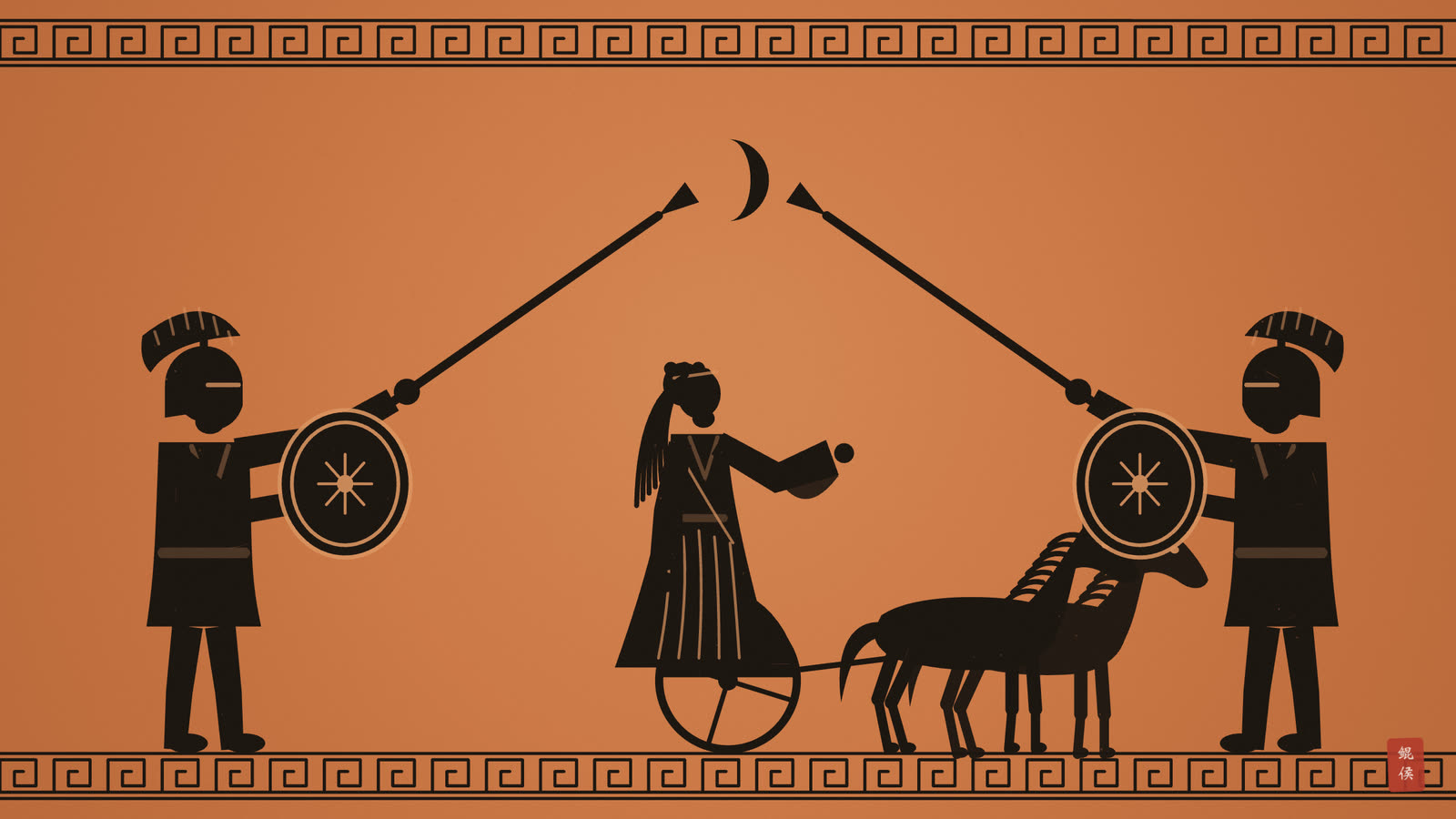
The 5th. Is when she is with the Dragons Head or with the Dragons Tail, that is within Twelve degrees of either of them, because that is the place where she is eclipsed. The 6th. Is when she is in Gemini which is the Twelfth from her own House. The 7th. Is when she is in the ends of Signs, which are all Terms of the Infortunes, except the last 6. degrees of Leo, which belong to Jupiter; but in the first eight she is weakened, because they are Terms of Saturn.
If it be objected by the same reason she must be impedited likewise in the first 6. degrees of Cancer, since they are Terms of Mars; I answer no, because Cancer is her own House and greatest Fortitude. The 8th. Is when she is in the 6th. 8th. 9th. or 12th.
Houses (not in reception with the Ascendent) or joyned to any Planet that is in any of them, or posited in the Third House, because it is Cadent from Augies; yet because the same is said to be her joy (or that she delights therein) she is not afflicted there so much as in other Cadent Houses. The 9th. Is when she is between the 15. degree of Libra and the 15. degree of Scorpio, which 30. degrees are called the Combust way. The 10th.
When she is void of course, that is not joyned to any Planet by Body or Aspect, or in that condition when they call her Ferall or Desart, that is in a place where she has not any Dignity. The 11th. When she is slow of course, because then she may be compared to a Planet Retrograde. The 12th. When she is in want of light, so that no part or very little of her is seen, which happens about the end of the Lunar Month. The 13th. When she is besieged by the two Infortunes impediting her. The 14th.
If she be in Azimene degrees. The 15th. If in Pitted degrees. The 16th. If in Smoaky degrees. The 17th. and last, Is when she is posited in those degrees which are called dark: To know and distinguish all which you have Tables commonly in most Books of Astrology.
翻译点开
The 5th. Is when she is with the Dragons Head or with the Dragons Tail, that is within Twelve degrees of either of them, because that is the place where she is eclipsed. The 6th. Is when she is in Gemini which is the Twelfth from her own House. The 7th. Is when she is in the ends of Signs, which are all Terms of the Infortunes, except the last 6. degrees of Leo, which belong to Jupiter; but in the first eight she is weakened, because they are Terms of Saturn.
第五,她与龙头或龙尾同在,即在其中任何一个的十二度之内,因为那是她发生交食的地方。第六,她在双子,那是从她自己的庙数起的第十二个星座。第七,她在星座的末段,这些末段都是凶星的界,只有狮子的最后六度属于木星;但在前八度她也会减弱,因为那是土星的界。
If it be objected by the same reason she must be impedited likewise in the first 6. degrees of Cancer, since they are Terms of Mars; I answer no, because Cancer is her own House and greatest Fortitude. The 8th. Is when she is in the 6th. 8th. 9th. or 12th.
如果有人反驳说,照同样的道理,她在巨蟹的前六度也必定受阻,因为那是火星的界;我回答:不会,因为巨蟹是她自己的庙,是她最大的强旺之处。第八,她在第六、第八、第九或第十二
Houses (not in reception with the Ascendent) or joyned to any Planet that is in any of them, or posited in the Third House, because it is Cadent from Augies; yet because the same is said to be her joy (or that she delights therein) she is not afflicted there so much as in other Cadent Houses. The 9th. Is when she is between the 15. degree of Libra and the 15. degree of Scorpio, which 30. degrees are called the Combust way. The 10th.
宫(且与上升点没有接纳),或与处在这些宫里的任何行星相会;或处在第三宫,因为它是从角宫落下的;不过因为据说第三宫是她的喜乐之处(即她乐在其中),她在那里受的损害不像在其他果宫那么多。第九,她在天秤十五度到天蝎十五度之间,这三十度称为焦伤之路。第十,
When she is void of course, that is not joyned to any Planet by Body or Aspect, or in that condition when they call her Ferall or Desart, that is in a place where she has not any Dignity. The 11th. When she is slow of course, because then she may be compared to a Planet Retrograde. The 12th. When she is in want of light, so that no part or very little of her is seen, which happens about the end of the Lunar Month. The 13th. When she is besieged by the two Infortunes impediting her. The 14th.
是她空亡,即不以星体或相位与任何行星相会;或处于所谓“野性”或“荒僻”的状态,即在一个她毫无尊贵的地方。第十一,她行速迟缓,因为那时她可比作一颗逆行的行星。第十二,她缺光,看不见或只看见很少一部分,这发生在太阴月将尽之时。第十三,她被两颗凶星围困而受阻。第十四,
If she be in Azimene degrees. The 15th. If in Pitted degrees. The 16th. If in Smoaky degrees. The 17th. and last, Is when she is posited in those degrees which are called dark: To know and distinguish all which you have Tables commonly in most Books of Astrology.
是她在残缺度数。第十五,在坑陷度数。第十六,在烟雾度数。第十七,也是最后一种,她处在所谓的黑暗度数:要了解、区分这一切,大多数星占书里通常都有表格可查。
大意与图解点开
🔎 大意:月亮受损后十三种:近交点、在双子、在凶星之界、在凶宫、在焦伤之路、空亡、行迟、缺光、被围、在诸种凶度。
📖 术语
| 术语 | 英文原词 | 意思 |
|---|---|---|
| 龙头 / 龙尾 | Dragons Head / Tail | 北交点 / 南交点 |
| 焦伤之路 | Combust way | 天秤十五至天蝎十五度 |
| 喜乐之处 | joy | 行星所乐之宫 |
| 被围 | besieged | 夹在两凶星之间 |
| 残缺度数 | Azimene degrees | 使人残缺的凶度 |
🧭 图解与讲解
后十三种里,第五种是月亮在龙头或龙尾(即北交点、南交点)十二度之内。交点是月亮轨道与黄道的交点,日月在这里才会发生交食,所以月亮近交点被看作危险。第六种是月亮在双子:双子紧挨在巨蟹之前,从她自己的庙数起是第十二座,与本庙相邻而不成相位,所以不利。
〔图〕月亮的凶地:天秤十五度到天蝎十五度是焦伤之路,双子是她本庙之前的第十二座
| 序 | 月亮受损的情形 | 要点 |
|---|---|---|
| 一 | 焦伤 | 趋近太阳十五度起,离开到十二度止;离开五度算逃出 |
| 二 | 在落处 | 在天蝎、摩羯,或与身在落处的行星相会 |
| 三 | 在焦伤度数 | 最坏是太阳对面那一度之前的十二度 |
| 四 | 受凶星冲克 | 与土星、火星会合、对冲、四分而无完全接纳 |
| 五 | 近交点 | 在龙头或龙尾十二度内,交食之处 |
| 六 | 在双子 | 本庙巨蟹之前的第十二座 |
| 七 | 在星座末段 | 多为凶星之界;巨蟹前六度例外 |
| 八 | 在凶宫 | 第六、八、九、十二宫;第三宫是喜乐之处,损害较轻 |
| 九 | 在焦伤之路 | 天秤十五度至天蝎十五度 |
| 十 | 空亡 | 不与任何行星相会;或在毫无尊贵处,称野性、荒僻 |
| 十一 | 行速迟缓 | 可比逆行 |
| 十二 | 缺光 | 太阴月将尽 |
| 十三 | 被围 | 夹在两颗凶星之间 |
| 十四至十七 | 在残缺、坑陷、烟雾、黑暗诸度 | 各星占书有表可查 |
第七种是在星座的末段:按界的分配,各星座最后几度大多归土星、火星,月亮在凶星的界里就受损。博纳提随即答了一个反驳:巨蟹前六度是火星的界,月亮在那里为什么不算受损?因为巨蟹是她自己的庙,她在那里最强,庙的力量盖过了界的不利。第八种是在第六、八、九、十二宫,或与在这些宫里的行星相会;第三宫是果宫,本也不吉,但它是月亮的「喜乐之处」,所以损害较轻——七星各自的喜乐之处,下一章第八则会列全。
第九种是著名的「焦伤之路」(图一):天秤十五度到天蝎十五度这三十度。第十种是空亡:月亮不以体合或相位与任何行星相会,或在毫无尊贵的地方,被称为「野性」「荒僻」;空亡在第十九则还要专门讲。第十一种是行速迟缓,可比逆行;第十二种是月末缺光;第十三种是被两颗凶星围困。最后四种是残缺、坑陷、烟雾、黑暗诸度,博纳提让读者去查一般星占书里的表,本书不列。
十七种合在表二。实际判断时,不是见了一种就判死刑,而是看月亮受损的轻重:焦伤、被凶星冲克而无接纳、空亡是重的;在第三宫、离日已过五度是轻的。下一章第八则还会把这些与行星受损、行星喜乐合起来,算作判断时要过的三十项。
📖 术语
| 术语 | 英文原词 | 意思 |
|---|---|---|
| 龙头 / 龙尾 | Dragons Head / Tail | 北交点 / 南交点 |
| 焦伤之路 | Combust way | 天秤十五至天蝎十五度 |
| 喜乐之处 | joy | 行星所乐之宫 |
| 被围 | besieged | 夹在两凶星之间 |
| 残缺度数 | Azimene degrees | 使人残缺的凶度 |
🧭 图解与讲解
后十三种里,第五种是月亮在龙头或龙尾(即北交点、南交点)十二度之内。交点是月亮轨道与黄道的交点,日月在这里才会发生交食,所以月亮近交点被看作危险。第六种是月亮在双子:双子紧挨在巨蟹之前,从她自己的庙数起是第十二座,与本庙相邻而不成相位,所以不利。
| 序 | 月亮受损的情形 | 要点 |
|---|---|---|
| 一 | 焦伤 | 趋近太阳十五度起,离开到十二度止;离开五度算逃出 |
| 二 | 在落处 | 在天蝎、摩羯,或与身在落处的行星相会 |
| 三 | 在焦伤度数 | 最坏是太阳对面那一度之前的十二度 |
| 四 | 受凶星冲克 | 与土星、火星会合、对冲、四分而无完全接纳 |
| 五 | 近交点 | 在龙头或龙尾十二度内,交食之处 |
| 六 | 在双子 | 本庙巨蟹之前的第十二座 |
| 七 | 在星座末段 | 多为凶星之界;巨蟹前六度例外 |
| 八 | 在凶宫 | 第六、八、九、十二宫;第三宫是喜乐之处,损害较轻 |
| 九 | 在焦伤之路 | 天秤十五度至天蝎十五度 |
| 十 | 空亡 | 不与任何行星相会;或在毫无尊贵处,称野性、荒僻 |
| 十一 | 行速迟缓 | 可比逆行 |
| 十二 | 缺光 | 太阴月将尽 |
| 十三 | 被围 | 夹在两颗凶星之间 |
| 十四至十七 | 在残缺、坑陷、烟雾、黑暗诸度 | 各星占书有表可查 |
第七种是在星座的末段:按界的分配,各星座最后几度大多归土星、火星,月亮在凶星的界里就受损。博纳提随即答了一个反驳:巨蟹前六度是火星的界,月亮在那里为什么不算受损?因为巨蟹是她自己的庙,她在那里最强,庙的力量盖过了界的不利。第八种是在第六、八、九、十二宫,或与在这些宫里的行星相会;第三宫是果宫,本也不吉,但它是月亮的「喜乐之处」,所以损害较轻——七星各自的喜乐之处,下一章第八则会列全。
第九种是著名的「焦伤之路」(图一):天秤十五度到天蝎十五度这三十度。第十种是空亡:月亮不以体合或相位与任何行星相会,或在毫无尊贵的地方,被称为「野性」「荒僻」;空亡在第十九则还要专门讲。第十一种是行速迟缓,可比逆行;第十二种是月末缺光;第十三种是被两颗凶星围困。最后四种是残缺、坑陷、烟雾、黑暗诸度,博纳提让读者去查一般星占书里的表,本书不列。
十七种合在表二。实际判断时,不是见了一种就判死刑,而是看月亮受损的轻重:焦伤、被凶星冲克而无接纳、空亡是重的;在第三宫、离日已过五度是轻的。下一章第八则还会把这些与行星受损、行星喜乐合起来,算作判断时要过的三十项。
The Sixth Consideration, Is to regard another manner whereby Planets are dibilitated or weakened and afflicted, not much different from the former; which comes to pass Ten wayes. The 1. When a Planet is Cadent from Angles or from the Ascendant, so that he doth not behold the same. The 2. When a Planet is Retrograd. The 3. If they be Combust, that is within 15 degrees before or after the Sun; the lower Planets are more debilitated being behind the Sun, and less before him, when they are direct; but when retrograde the contrary. 4.
When any of them is in Opposition, Corporal Conjunction, or Square of either or both the Infortunes, without Reception. 5. When they are besieged by the Infortunes, so as to separate from one and be joyned to another, without perfect Reception of House, Exaltation, or two of the smaller Dignities, which are Term, Triplicity, and Face. 6. When a Planet is joyned to another in his Declension or Fall; that is, in Opposition to its own House or Exaltation. 7.
When it is joyned to a Planet Cadent from the Ascendent, or separates from a Planet that did receive him, and is joyned to one that doth not. 8. When a Planet is Perigrine, that is, In a place where he hath not any Dignity; or being one of the Superiours, is followed by the Sun, or being of the Inferiors when it follows the Sun. 9. When a Planet is with the Head or Tail of the Dragon, without Latitude. 10.
When a Planet weakens it self, that is, when it is in the Seventh House from its own, Feral, or not in Reception. These are the Impediments of the Planets, that cause Hinderances Delays and Mischiefs in Nativities, Questions, Elections, &c. All which thou oughtest to be well acquainted with. There are some more that seem necessary to be known, but to avoid tediousness and confusion, I shall at present omit them.
翻译点开
The Sixth Consideration, Is to regard another manner whereby Planets are dibilitated or weakened and afflicted, not much different from the former; which comes to pass Ten wayes. The 1. When a Planet is Cadent from Angles or from the Ascendant, so that he doth not behold the same. The 2. When a Planet is Retrograd. The 3. If they be Combust, that is within 15 degrees before or after the Sun; the lower Planets are more debilitated being behind the Sun, and less before him, when they are direct; but when retrograde the contrary. 4.
第六则,要注意行星被削弱、受损受害的另一种方式,与前一种相差不多,共有十种。第一,行星从角宫或从上升点落下,以致不与上升点相照。第二,行星逆行。第三,它们焦伤,即在太阳前后十五度之内;下位行星在太阳之后时减弱更甚,在太阳之前时较轻——这是就顺行而言;逆行时则相反。第四,
When any of them is in Opposition, Corporal Conjunction, or Square of either or both the Infortunes, without Reception. 5. When they are besieged by the Infortunes, so as to separate from one and be joyned to another, without perfect Reception of House, Exaltation, or two of the smaller Dignities, which are Term, Triplicity, and Face. 6. When a Planet is joyned to another in his Declension or Fall; that is, in Opposition to its own House or Exaltation. 7.
是它们与一颗或两颗凶星成对冲、体合或四分,而没有接纳。第五,它们被凶星围困,即离开一颗凶星、又与另一颗相会,而没有庙、旺或两项较小尊贵(即界、三方、面)的完全接纳。第六,行星与另一颗处于衰退或落的行星相会,即那颗星在自己庙或旺的对面。第七,
When it is joyned to a Planet Cadent from the Ascendent, or separates from a Planet that did receive him, and is joyned to one that doth not. 8. When a Planet is Perigrine, that is, In a place where he hath not any Dignity; or being one of the Superiours, is followed by the Sun, or being of the Inferiors when it follows the Sun. 9. When a Planet is with the Head or Tail of the Dragon, without Latitude. 10.
是它与一颗从上升点落下的行星相会,或离开一颗曾接纳它的行星,而与一颗不接纳它的行星相会。第八,行星游离,即在它毫无尊贵的地方;或者,它是上位行星之一,而太阳跟在它后面;或是下位行星之一,而它跟在太阳后面。第九,行星与龙头或龙尾同在,而没有纬度。第十,
When a Planet weakens it self, that is, when it is in the Seventh House from its own, Feral, or not in Reception. These are the Impediments of the Planets, that cause Hinderances Delays and Mischiefs in Nativities, Questions, Elections, &c. All which thou oughtest to be well acquainted with. There are some more that seem necessary to be known, but to avoid tediousness and confusion, I shall at present omit them.
是行星自己削弱自己,即它在自己庙起算的第七个星座、处于野性状态,或没有接纳。这些就是行星的种种受损,在本命、问题、择时等等之中造成阻碍、耽搁与祸害;这一切你都应当熟知。还有一些似乎也必须知道,但为避免冗长与混乱,我暂且略去。
大意与图解点开
🔎 大意:行星受损十种:落于果宫、逆行、焦伤、受凶星冲克、被围、会落陷之星、会果宫之星、游离、近交点、在本庙对宫。
📖 术语
| 术语 | 英文原词 | 意思 |
|---|---|---|
| 逆行 | Retrograd | 行星看似倒退 |
| 游离 | Perigrine | 在毫无尊贵之处 |
| 上位行星 | Superiours | 土星、木星、火星 |
| 下位行星 | Inferiors | 金星、水星 |
| 果宫 | Cadent | 第三、六、九、十二宫 |
🧭 图解与讲解
第五则讲月亮,第六则讲一般行星受损的十种情形(表二)。第一种是从角宫或上升点「落下」:行星在果宫,不与上升点相照,力量就使不出来。第二种是逆行。第三种是焦伤,范围定为太阳前后十五度;金星、水星这两颗下位行星,顺行时在太阳之后受损更甚,在太阳之前较轻,逆行时反过来。图一的金星离太阳九度,就是焦伤。
〔图〕行星受损示意:金星近日焦伤,土星落在第十二宫,火星在本庙对面
| 序 | 行星受损的情形 | 说明 |
|---|---|---|
| 一 | 落于果宫 | 从角宫或上升点落下,不与上升点相照 |
| 二 | 逆行 | 第二十五则再详论 |
| 三 | 焦伤 | 太阳前后十五度之内;金水二星顺逆有别 |
| 四 | 受凶星冲克 | 与土星、火星对冲、体合、四分而无接纳 |
| 五 | 被围 | 离开一颗凶星又会另一颗,无完全接纳 |
| 六 | 会落处之星 | 所会之星在自己庙或旺的对面 |
| 七 | 会果宫之星 | 或离开接纳者,转会不接纳者 |
| 八 | 游离 | 毫无尊贵;上位星被太阳追随,下位星追随太阳 |
| 九 | 近交点 | 在龙头或龙尾而无纬度 |
| 十 | 自损 | 在本庙起算的第七座,野性或无接纳 |
第四、五种是凶星之害:与土星、火星成对冲、体合、四分而没有接纳;或被两颗凶星围困——刚离开一颗,又去会另一颗,中间没有完全接纳可以解救。「完全接纳」博纳提说得很具体:以庙、旺,或两项较小的尊贵(界、三方、面)接纳。第六、七种是与「坏伙伴」相会:与在落处的行星相会,与落于果宫的行星相会,或离开接纳它的星、转去会不接纳它的星。
第八种是「游离」(peregrine),即在一个毫无尊贵的地方。博纳提又附带两种:土星、木星、火星这几颗上位行星,被太阳跟在后面时受损;金星、水星这两颗下位行星,跟在太阳后面时受损。第九种是在交点上而没有纬度,与月亮近交点同理。第十种是行星在自己庙起算的第七座,即正对面,后世称为「陷」(detriment),如图一的火星在天秤;或处于野性状态,或没有接纳。
这一则与第五则合看,就是卜卦里判断征象星「有没有力量办成事」的基本清单。博纳提最后说还有一些,为免冗长暂且不列;后面诸则会陆续补上,比如第二十四则讲在落处,第二十五、二十六则讲逆行与留。
📖 术语
| 术语 | 英文原词 | 意思 |
|---|---|---|
| 逆行 | Retrograd | 行星看似倒退 |
| 游离 | Perigrine | 在毫无尊贵之处 |
| 上位行星 | Superiours | 土星、木星、火星 |
| 下位行星 | Inferiors | 金星、水星 |
| 果宫 | Cadent | 第三、六、九、十二宫 |
🧭 图解与讲解
第五则讲月亮,第六则讲一般行星受损的十种情形(表二)。第一种是从角宫或上升点「落下」:行星在果宫,不与上升点相照,力量就使不出来。第二种是逆行。第三种是焦伤,范围定为太阳前后十五度;金星、水星这两颗下位行星,顺行时在太阳之后受损更甚,在太阳之前较轻,逆行时反过来。图一的金星离太阳九度,就是焦伤。
| 序 | 行星受损的情形 | 说明 |
|---|---|---|
| 一 | 落于果宫 | 从角宫或上升点落下,不与上升点相照 |
| 二 | 逆行 | 第二十五则再详论 |
| 三 | 焦伤 | 太阳前后十五度之内;金水二星顺逆有别 |
| 四 | 受凶星冲克 | 与土星、火星对冲、体合、四分而无接纳 |
| 五 | 被围 | 离开一颗凶星又会另一颗,无完全接纳 |
| 六 | 会落处之星 | 所会之星在自己庙或旺的对面 |
| 七 | 会果宫之星 | 或离开接纳者,转会不接纳者 |
| 八 | 游离 | 毫无尊贵;上位星被太阳追随,下位星追随太阳 |
| 九 | 近交点 | 在龙头或龙尾而无纬度 |
| 十 | 自损 | 在本庙起算的第七座,野性或无接纳 |
第四、五种是凶星之害:与土星、火星成对冲、体合、四分而没有接纳;或被两颗凶星围困——刚离开一颗,又去会另一颗,中间没有完全接纳可以解救。「完全接纳」博纳提说得很具体:以庙、旺,或两项较小的尊贵(界、三方、面)接纳。第六、七种是与「坏伙伴」相会:与在落处的行星相会,与落于果宫的行星相会,或离开接纳它的星、转去会不接纳它的星。
第八种是「游离」(peregrine),即在一个毫无尊贵的地方。博纳提又附带两种:土星、木星、火星这几颗上位行星,被太阳跟在后面时受损;金星、水星这两颗下位行星,跟在太阳后面时受损。第九种是在交点上而没有纬度,与月亮近交点同理。第十种是行星在自己庙起算的第七座,即正对面,后世称为「陷」(detriment),如图一的火星在天秤;或处于野性状态,或没有接纳。
这一则与第五则合看,就是卜卦里判断征象星「有没有力量办成事」的基本清单。博纳提最后说还有一些,为免冗长暂且不列;后面诸则会陆续补上,比如第二十四则讲在落处,第二十五、二十六则讲逆行与留。
原文为公有领域古籍;翻译、印象画与图文解读由 AI 辅助生成,鲲侯审校。