古代附录(二) 十二座之界;十年期的月日时次分配
先列十二星座之界;再论十年期(一百二十九个月)按月、日、时层层次分配,以月亮与太阳为首之例,演示怎样求某一天的主星。
The Zodiacal Places of the 12 Signs Suited to the Length of Life, for the Least, Middle, and Greatest Limit, Concerning the Terms.
翻译点开
The Zodiacal Places of the 12 Signs Suited to the Length of Life, for the Least, Middle, and Greatest Limit, Concerning the Terms.
十二星座适于生命时期的黄道诸位,用于最小、中等与最大的界限,论界。
大意与图解点开
🔎 大意:附录所列十二星座之界:每座分给五颗行星若干度,用于按最小、中等、最大三种界限求生命的时期。
📖 术语
| 术语 | 英文原词 | 意思 |
|---|---|---|
| 界 | terms | 一座内各星所主之段 |
| 最小的界限 | least limit | 最小年数 |
| 中等 | middle | 平均年数 |
| 最大 | greatest | 完整年数 |
| 黄道诸位 | zodiacal places | 星座中的段落 |
🧭 图解与讲解
古代附录的第二篇以一张界表开头(表一),题为「十二星座适于生命时期的黄道诸位,用于最小、中等与最大的界限,论界」。每个星座分成五段,分给五颗行星(不含日月),如白羊:木星六度,金星六度,水星八度,火星五度,土星五度。这与卷一所列、后世通称的「埃及界」大体相同,但有几座的度数略有出入,例如金牛末两段这里作土星六度、火星二度;Kroll 注说他对表中数字有几处默改,这里照印本录入。
| 星座 | 第一界 | 第二界 | 第三界 | 第四界 | 第五界 |
|---|---|---|---|---|---|
| 白羊 | 木 6(至 6) | 金 6(至 12) | 水 8(至 20) | 火 5(至 25) | 土 5(至 30) |
| 金牛 | 金 8(至 8) | 水 6(至 14) | 木 8(至 22) | 土 6(至 28) | 火 2(至 30) |
| 双子 | 水 6(至 6) | 木 6(至 12) | 金 5(至 17) | 火 7(至 24) | 土 6(至 30) |
| 巨蟹 | 火 7(至 7) | 金 6(至 13) | 水 6(至 19) | 木 7(至 26) | 土 4(至 30) |
| 狮子 | 木 5(至 5) | 金 6(至 11) | 土 7(至 18) | 水 6(至 24) | 火 6(至 30) |
| 处女 | 水 7(至 7) | 金 10(至 17) | 木 4(至 21) | 火 7(至 28) | 土 2(至 30) |
| 天秤 | 土 6(至 6) | 水 8(至 14) | 木 8(至 22) | 金 6(至 28) | 火 2(至 30) |
| 天蝎 | 火 7(至 7) | 金 4(至 11) | 水 8(至 19) | 木 5(至 24) | 土 6(至 30) |
| 射手 | 木 12(至 12) | 金 5(至 17) | 水 4(至 21) | 土 5(至 26) | 火 4(至 30) |
| 摩羯 | 水 7(至 7) | 木 7(至 14) | 金 8(至 22) | 土 4(至 26) | 火 4(至 30) |
| 水瓶 | 水 7(至 7) | 金 6(至 13) | 木 7(至 20) | 火 4(至 24) | 土 6(至 30) |
| 双鱼 | 金 12(至 12) | 木 4(至 16) | 水 3(至 19) | 火 9(至 28) | 土 2(至 30) |
〔图〕用界求生命时期的三种界限
题中的「最小、中等与最大的界限」,是卷三论寿数时用的三种年数(图二):度数落在哪颗行星的界,就按那颗行星的最小、平均或完整年数来论生命的时期。这张表本身没有说明文字,下面接着的是一篇论十年期次分配的长文,两者在抄本中前后相连。
📖 术语
| 术语 | 英文原词 | 意思 |
|---|---|---|
| 界 | terms | 一座内各星所主之段 |
| 最小的界限 | least limit | 最小年数 |
| 中等 | middle | 平均年数 |
| 最大 | greatest | 完整年数 |
| 黄道诸位 | zodiacal places | 星座中的段落 |
🧭 图解与讲解
古代附录的第二篇以一张界表开头(表一),题为「十二星座适于生命时期的黄道诸位,用于最小、中等与最大的界限,论界」。每个星座分成五段,分给五颗行星(不含日月),如白羊:木星六度,金星六度,水星八度,火星五度,土星五度。这与卷一所列、后世通称的「埃及界」大体相同,但有几座的度数略有出入,例如金牛末两段这里作土星六度、火星二度;Kroll 注说他对表中数字有几处默改,这里照印本录入。
| 星座 | 第一界 | 第二界 | 第三界 | 第四界 | 第五界 |
|---|---|---|---|---|---|
| 白羊 | 木 6(至 6) | 金 6(至 12) | 水 8(至 20) | 火 5(至 25) | 土 5(至 30) |
| 金牛 | 金 8(至 8) | 水 6(至 14) | 木 8(至 22) | 土 6(至 28) | 火 2(至 30) |
| 双子 | 水 6(至 6) | 木 6(至 12) | 金 5(至 17) | 火 7(至 24) | 土 6(至 30) |
| 巨蟹 | 火 7(至 7) | 金 6(至 13) | 水 6(至 19) | 木 7(至 26) | 土 4(至 30) |
| 狮子 | 木 5(至 5) | 金 6(至 11) | 土 7(至 18) | 水 6(至 24) | 火 6(至 30) |
| 处女 | 水 7(至 7) | 金 10(至 17) | 木 4(至 21) | 火 7(至 28) | 土 2(至 30) |
| 天秤 | 土 6(至 6) | 水 8(至 14) | 木 8(至 22) | 金 6(至 28) | 火 2(至 30) |
| 天蝎 | 火 7(至 7) | 金 4(至 11) | 水 8(至 19) | 木 5(至 24) | 土 6(至 30) |
| 射手 | 木 12(至 12) | 金 5(至 17) | 水 4(至 21) | 土 5(至 26) | 火 4(至 30) |
| 摩羯 | 水 7(至 7) | 木 7(至 14) | 金 8(至 22) | 土 4(至 26) | 火 4(至 30) |
| 水瓶 | 水 7(至 7) | 金 6(至 13) | 木 7(至 20) | 火 4(至 24) | 土 6(至 30) |
| 双鱼 | 金 12(至 12) | 木 4(至 16) | 水 3(至 19) | 火 9(至 28) | 土 2(至 30) |
题中的「最小、中等与最大的界限」,是卷三论寿数时用的三种年数(图二):度数落在哪颗行星的界,就按那颗行星的最小、平均或完整年数来论生命的时期。这张表本身没有说明文字,下面接着的是一篇论十年期次分配的长文,两者在抄本中前后相连。
Most people, however, distribute the periods in every nativity according to the seven-zone week, beginning by giving first to Saturn, then to Jupiter, then to Mars, then to the Sun, after him to Venus, then to Mercury, and next to the Moon; and likewise, by the revolution of the periods, they examine the master of the week and of the days. But such a thing does not please me, since the same chronocrators will be found in most nativities; rather, as is set out, the releaser will be judged from the Sun and the Moon, or the planet found after the Ascendant, and the rest in order as they happen to be disposed from the nativity, by sign and by degree. To get the sub-allotment readily, let it be done thus: resolving into days the months of the lord of each decennial, divide by 129; and multiplying the result of the division by the months of each in turn, you will have the days falling to each from the mastery of that planet, of the months resolved into days and divided by 129. For example, since Saturn is master of 30 months, you will make the sub-allotment of these to himself and to the planets: taking the 30 months and resolving them into days you will find 912, which you divide by 129; and you will have the result of the division, about 7; multiplying the number of each one's months by this, one must find the days which Saturn grants from his own sub-allotments to himself and to the others; for there will be for Saturn 210 months, for Jupiter 84, for Mars 105, for the Sun 133, for Venus 56, for Mercury 140, for the Moon 175. If those of Jupiter, the result of the division of the 360 days by 129 will be 2½ 1/200; multiplying this again by the number of Jupiter's own months and by that of the others, you will make the days falling to each; for Jupiter allots to Saturn about 7, to Jupiter 2½ 1/3, to Mars 3½, to Venus 1½ 1/200, to Mercury 4 1/12 1/21, to the Moon 5 1/12 1/4, to the Sun 4 1/3 [text uncertain]. The proof is clear: for as 129 days are to 30 days, so are 30 months to 210 days; and likewise for the others. And if we seek the sub-allotment of the 210 days themselves, we shall again compare them with the 129; for as the 129 months are to the 210 days, so, in the case of Saturn, the 210 days are one and two-thirds times the 129. So if we take the 30 once and two-thirds again, we shall have Saturn's 50 days; and Jupiter's 12 once and two-thirds again: we shall have the 20 days of Jupiter which Saturn grants him; and the 15 of Mars once and two-thirds again, 25; and so on in the same way. And again let us make the sub-allotment of Saturn's 50 days themselves: as the 129 are to the 50, so, for Saturn, the 30 are to something else [corrected: Kroll prints Mars], for Jupiter the 12, and for each of the others its own period of the 129. The finer of these methods, when it comes to fractions, becomes hard to grasp; but the other, which grants to each, in proportion to the months, both the days and the hours, is easy and more reasonable; for as Saturn, let us say, is lord of thirty months in the 129 months of the decennial, so also in 129 days, however often taken, being lord of 30 of them he will be lord of the 30 days within them; and again, being lord of the 30 days, which are 720 hours, he will be lord of the 30 hours within them. For as 129 months are to the 30 months, so are 129 days to 30 days and 129 hours to 30 hours.
翻译点开
Most people, however, distribute the periods in every nativity according to the seven-zone week, beginning by giving first to Saturn, then to Jupiter, then to Mars, then to the Sun, after him to Venus, then to Mercury, and next to the Moon; and likewise, by the revolution of the periods, they examine the master of the week and of the days. But such a thing does not please me, since the same chronocrators will be found in most nativities; rather, as is set out, the releaser will be judged from the Sun and the Moon, or the planet found after the Ascendant, and the rest in order as they happen to be disposed from the nativity, by sign and by degree. To get the sub-allotment readily, let it be done thus: resolving into days the months of the lord of each decennial, divide by 129; and multiplying the result of the division by the months of each in turn, you will have the days falling to each from the mastery of that planet, of the months resolved into days and divided by 129. For example, since Saturn is master of 30 months, you will make the sub-allotment of these to himself and to the planets: taking the 30 months and resolving them into days you will find 912, which you divide by 129; and you will have the result of the division, about 7; multiplying the number of each one's months by this, one must find the days which Saturn grants from his own sub-allotments to himself and to the others; for there will be for Saturn 210 months, for Jupiter 84, for Mars 105, for the Sun 133, for Venus 56, for Mercury 140, for the Moon 175. If those of Jupiter, the result of the division of the 360 days by 129 will be 2½ 1/200; multiplying this again by the number of Jupiter's own months and by that of the others, you will make the days falling to each; for Jupiter allots to Saturn about 7, to Jupiter 2½ 1/3, to Mars 3½, to Venus 1½ 1/200, to Mercury 4 1/12 1/21, to the Moon 5 1/12 1/4, to the Sun 4 1/3 [text uncertain]. The proof is clear: for as 129 days are to 30 days, so are 30 months to 210 days; and likewise for the others. And if we seek the sub-allotment of the 210 days themselves, we shall again compare them with the 129; for as the 129 months are to the 210 days, so, in the case of Saturn, the 210 days are one and two-thirds times the 129. So if we take the 30 once and two-thirds again, we shall have Saturn's 50 days; and Jupiter's 12 once and two-thirds again: we shall have the 20 days of Jupiter which Saturn grants him; and the 15 of Mars once and two-thirds again, 25; and so on in the same way. And again let us make the sub-allotment of Saturn's 50 days themselves: as the 129 are to the 50, so, for Saturn, the 30 are to something else [corrected: Kroll prints Mars], for Jupiter the 12, and for each of the others its own period of the 129. The finer of these methods, when it comes to fractions, becomes hard to grasp; but the other, which grants to each, in proportion to the months, both the days and the hours, is easy and more reasonable; for as Saturn, let us say, is lord of thirty months in the 129 months of the decennial, so also in 129 days, however often taken, being lord of 30 of them he will be lord of the 30 days within them; and again, being lord of the 30 days, which are 720 hours, he will be lord of the 30 hours within them. For as 129 months are to the 30 months, so are 129 days to 30 days and 129 hours to 30 hours.
但大多数人在每个本命中都按七带周分配时期,开头先给土星,然后给木星,然后给火星,然后给太阳,在他之后给金星,然后给水星,接着给月亮;同样,按时期的轮转,他们查看一周与诸日的主人。但这样的事不合我意,因为在大多数本命中会发现同样的时主;而是如所列的那样,释放者要从太阳与月亮,或从上升之后找到的那颗行星来判断,其余依它们从本命中按星座与按度数恰好排列的次序。为了容易得到次分配,就这样做:把每个十年期之主的月数化为日数,除以一百二十九;再把除得的结果依次乘以每颗星的月数,你就会得到从那颗行星的主管中落到每颗星的日数,即月数化成日数、再除以一百二十九的那些。例如,既然土星是三十个月的主人,你就要作这些月对他自己与对诸行星的次分配:取这三十个月,化成日数,得九百一十二,以一百二十九除之;你就会得到除得的结果,约七;把每一颗的月数乘以它,就必须求出土星从他自己的次分配中给他自己与给其他诸星的日数;因为土星将有二百一十个月,木星八十四,火星一百零五,太阳一百三十三,金星五十六,水星一百四十,月亮一百七十五。若是木星的,三百六十日除以一百二十九的结果将是二又二分之一又二百分之一;把这个再乘以木星自己的月数与其他诸星的月数,你就会作出落到每颗星的日数;因为木星分给土星约七,给木星二又二分之一又三分之一,给火星三又二分之一,给金星一又二分之一又二百分之一,给水星四又十二分之一又二十一分之一,给月亮五又十二分之一又四分之一,给太阳四又三分之一〔原文疑有讹误〕。证明是清楚的:因为一百二十九日比三十日,就如三十个月比二百一十日;其他的也一样。若我们寻求这二百一十日本身的次分配,我们又要把它们与一百二十九相比;因为一百二十九个月比二百一十日,就土星而言,二百一十日是一百二十九的一又三分之二倍。所以若我们把三十取一次、再取三分之二,就会得到土星的五十日;把木星的十二取一次、再取三分之二:就会得到土星给木星的二十日;火星的十五取一次再取三分之二,二十五;其余也一样。再让我们作土星这五十日本身的次分配:一百二十九比五十,就如对土星,三十比另一个数〔据算改正:Kroll 本作火星〕,对木星是十二,对其他各星则是各自在一百二十九中的时期。这些方法中较精细的那一种,到了分数时就难以把握;但另一种,按月数的比例给每颗星日数与时数,是容易而更合理的;因为正如,比方说,土星在十年期的一百二十九个月中是三十个月的主,同样在一百二十九日中,不论取多少次,作为其中三十日的主,他也将是其中三十日的主;又作为三十日即七百二十小时的主,他将是其中三十小时的主。因为一百二十九个月比三十个月,就如一百二十九日比三十日,一百二十九小时比三十小时。
大意与图解点开
🔎 大意:不用七带周,以免众命同一时主;释放者由日月或上升后之星定。十年期一百二十九个月,按各星月数之比层层分给日与时。
📖 术语
| 术语 | 英文原词 | 意思 |
|---|---|---|
| 七带周 | seven-zone week | 七曜轮值的一周 |
| 十年期 | decennial | 十年九个月 |
| 次分配 | sub-allotment | 时期内再分 |
| 释放者 | releaser | 首掌时期之星 |
| 除得的结果 | result of the division | 商数 |
🧭 图解与讲解
第二行先批评一般人的做法:按七带周(土、木、火、日、金、水、月)轮流分配时期,那样大多数本命会有同样的时主。附录作者主张,释放者从太阳与月亮、或上升之后的那颗行星来判断,其余诸星依本命中的次序排列。这与卷九第三章瓦伦斯反对「人人同一时主」的理由相同。
| 行星 | 最小年数=十年期中的月数 | 土星次分配所得(×约 7) | 较简法:在 129 日中所主 |
|---|---|---|---|
| 土星 | 30 | 210 | 30 日 |
| 木星 | 12 | 84 | 12 日 |
| 火星 | 15 | 105 | 15 日 |
| 太阳 | 19 | 133 | 19 日 |
| 金星 | 8 | 56 | 8 日 |
| 水星 | 20 | 140 | 20 日 |
| 月亮 | 25 | 175 | 25 日 |
| 合计 | 129(十年九个月) | 903 | 129 日 |
〔图〕两种次分配
然后讲「十年期」(decennial)的次分配(表一)。七星的最小年数之和是一百二十九(土三十、木十二、火十五、日十九、金八、水二十、月二十五),所以一轮十年期是一百二十九个月,即十年九个月,每颗星主管与它年数相同的月数。细分时,把主星的月数化为日数,除以一百二十九,再乘以各星的月数,就得各星分得的日数;土星三十个月化成九百一十二日,除以一百二十九约得七(此句印本讹乱,依 Kroll 补正),所以土星给自己二百一十日、给木星八十四日等,原文写作「月」,按上下文应是日。木星一段数字多处英译标疑讹。
作者最后认为较精细的那种算法一遇分数就难把握,另一种更简便合理(图二):既然土星在一百二十九个月中主三十个月,那么在一百二十九日中他也主三十日,在一百二十九小时中主三十小时,比例处处相同。下面的例子都用这种简法。
📖 术语
| 术语 | 英文原词 | 意思 |
|---|---|---|
| 七带周 | seven-zone week | 七曜轮值的一周 |
| 十年期 | decennial | 十年九个月 |
| 次分配 | sub-allotment | 时期内再分 |
| 释放者 | releaser | 首掌时期之星 |
| 除得的结果 | result of the division | 商数 |
🧭 图解与讲解
第二行先批评一般人的做法:按七带周(土、木、火、日、金、水、月)轮流分配时期,那样大多数本命会有同样的时主。附录作者主张,释放者从太阳与月亮、或上升之后的那颗行星来判断,其余诸星依本命中的次序排列。这与卷九第三章瓦伦斯反对「人人同一时主」的理由相同。
| 行星 | 最小年数=十年期中的月数 | 土星次分配所得(×约 7) | 较简法:在 129 日中所主 |
|---|---|---|---|
| 土星 | 30 | 210 | 30 日 |
| 木星 | 12 | 84 | 12 日 |
| 火星 | 15 | 105 | 15 日 |
| 太阳 | 19 | 133 | 19 日 |
| 金星 | 8 | 56 | 8 日 |
| 水星 | 20 | 140 | 20 日 |
| 月亮 | 25 | 175 | 25 日 |
| 合计 | 129(十年九个月) | 903 | 129 日 |
然后讲「十年期」(decennial)的次分配(表一)。七星的最小年数之和是一百二十九(土三十、木十二、火十五、日十九、金八、水二十、月二十五),所以一轮十年期是一百二十九个月,即十年九个月,每颗星主管与它年数相同的月数。细分时,把主星的月数化为日数,除以一百二十九,再乘以各星的月数,就得各星分得的日数;土星三十个月化成九百一十二日,除以一百二十九约得七(此句印本讹乱,依 Kroll 补正),所以土星给自己二百一十日、给木星八十四日等,原文写作「月」,按上下文应是日。木星一段数字多处英译标疑讹。
作者最后认为较精细的那种算法一遇分数就难把握,另一种更简便合理(图二):既然土星在一百二十九个月中主三十个月,那么在一百二十九日中他也主三十日,在一百二十九小时中主三十小时,比例处处相同。下面的例子都用这种简法。
For the sake of example, then, let the light of the sect be the Moon, and let her have the first account and the first decennial; after her let Saturn lie in the nativity, then Jupiter, say, after him Mars, then the Sun, after him Venus, and last Mercury. Since, then, the Moon is the releaser, she has 25 months, which make 760 days. If, then, the child should be of 40 days, one must give the 25 days to the Moon and the remaining 15 to Saturn who follows; for the amount up to 55 days is his; we say, then, that the Moon has transmitted to Saturn. If the period sought should be beyond the 15 days, for example 60 days, they will be Jupiter's up to 67 days; for he is lord of 12 days. If of 70 days, one must consider of how many Mars, who follows him, is lord; he is lord of 15; Mars, then, has received from Jupiter up to 82 days. And if beyond these, for example 95, if Venus should be next, it will again be the one after her; for she is master of 8 days; but if the Sun, he has the days up to 101; for he is master of 19 days. If the period sought should be of 120 days, if Venus should be after the Sun, her days have passed; for she is master up to 109; so they will be Mercury's up to 129; and if beyond the 129, the Moon will take again. Hence the completion of the 129 days is also called a period; for having passed through the 7 it returns again to the first and will have the same distribution. And the second period of the 129 days, and the third and fourth and however many, until the amount of the Moon's 760 days is used up. They are used up after the 5th period and 115 days of the sixth, so that there remain for the completion of the sixth conjunction 4 1/6 1/10 days [text uncertain], of which Saturn is lord, being next after the Moon and master of 30 months in the monthly periods, and in the daily ones of 30 days. When the Moon's 25 months are completed, then, Saturn will succeed to the 30 months and will give again to himself, not, as is said, 210 days of 7 months (for why must one bring in distributions of yet other months, and not that of the days from the months?); he gives himself, then, from his own 30 months 30 days, and to Jupiter who follows him the 12, to the next, if it should be Mars, the 15, to the one after him, say the Sun, the 19, and to Venus the 8, if she should be after him, to Mercury the 20, and last to the Moon the 25; and when the first period of the 129 days is completed, Saturn will again take, after the Moon, the 30 days of the second period of the 129 days, then those after him according to their own position, up to the 7. And when the second period is completed, he himself will again take the first 30 of the third, then the others in order, until the third is completed; and likewise for the 4th and the 5th and the 7th, until the completion of the 30 months, that is, of the 912 days; for after the 7th period he will take only the 9 days [corrected: Kroll prints 7], then the one after him, say Jupiter, the 12 monthly periods; from these he gives himself the first 12 days, then to Mars, after him to the Sun, then to Venus, after her to Mercury, then to the Moon, and last to Saturn; and likewise the first twelve days of the second period to himself, then to those following; when the second has been completed, and the third is not completed but holds up to 107 days, he himself will take the first 12 again, from Saturn, and Mars the 15 from him, because he lies next; the Sun the 19 after Mars, after him Venus the 8 and Mercury 20, and next the Moon 25; and the remaining 8 Saturn will take last, for the completion of the 107. After him comes the monthly distribution of Mars, of the 15 months, which, resolved into the daily one, will make 455 days; of these he will have the first 15 days, then he gives to those in order; likewise for the second and third period. Of the remaining 68 days of the fourth period he himself will again take the first 15, the Sun the 19, then Venus the 8 and Mercury the 20, and the remaining six the Moon will take. In all cases, when there is a sixth day, that is, in an intercalary year, one must add the day to the one who has the remaining days; as now we shall add one to the Moon's six days.
翻译点开
For the sake of example, then, let the light of the sect be the Moon, and let her have the first account and the first decennial; after her let Saturn lie in the nativity, then Jupiter, say, after him Mars, then the Sun, after him Venus, and last Mercury. Since, then, the Moon is the releaser, she has 25 months, which make 760 days. If, then, the child should be of 40 days, one must give the 25 days to the Moon and the remaining 15 to Saturn who follows; for the amount up to 55 days is his; we say, then, that the Moon has transmitted to Saturn. If the period sought should be beyond the 15 days, for example 60 days, they will be Jupiter's up to 67 days; for he is lord of 12 days. If of 70 days, one must consider of how many Mars, who follows him, is lord; he is lord of 15; Mars, then, has received from Jupiter up to 82 days. And if beyond these, for example 95, if Venus should be next, it will again be the one after her; for she is master of 8 days; but if the Sun, he has the days up to 101; for he is master of 19 days. If the period sought should be of 120 days, if Venus should be after the Sun, her days have passed; for she is master up to 109; so they will be Mercury's up to 129; and if beyond the 129, the Moon will take again. Hence the completion of the 129 days is also called a period; for having passed through the 7 it returns again to the first and will have the same distribution. And the second period of the 129 days, and the third and fourth and however many, until the amount of the Moon's 760 days is used up. They are used up after the 5th period and 115 days of the sixth, so that there remain for the completion of the sixth conjunction 4 1/6 1/10 days [text uncertain], of which Saturn is lord, being next after the Moon and master of 30 months in the monthly periods, and in the daily ones of 30 days. When the Moon's 25 months are completed, then, Saturn will succeed to the 30 months and will give again to himself, not, as is said, 210 days of 7 months (for why must one bring in distributions of yet other months, and not that of the days from the months?); he gives himself, then, from his own 30 months 30 days, and to Jupiter who follows him the 12, to the next, if it should be Mars, the 15, to the one after him, say the Sun, the 19, and to Venus the 8, if she should be after him, to Mercury the 20, and last to the Moon the 25; and when the first period of the 129 days is completed, Saturn will again take, after the Moon, the 30 days of the second period of the 129 days, then those after him according to their own position, up to the 7. And when the second period is completed, he himself will again take the first 30 of the third, then the others in order, until the third is completed; and likewise for the 4th and the 5th and the 7th, until the completion of the 30 months, that is, of the 912 days; for after the 7th period he will take only the 9 days [corrected: Kroll prints 7], then the one after him, say Jupiter, the 12 monthly periods; from these he gives himself the first 12 days, then to Mars, after him to the Sun, then to Venus, after her to Mercury, then to the Moon, and last to Saturn; and likewise the first twelve days of the second period to himself, then to those following; when the second has been completed, and the third is not completed but holds up to 107 days, he himself will take the first 12 again, from Saturn, and Mars the 15 from him, because he lies next; the Sun the 19 after Mars, after him Venus the 8 and Mercury 20, and next the Moon 25; and the remaining 8 Saturn will take last, for the completion of the 107. After him comes the monthly distribution of Mars, of the 15 months, which, resolved into the daily one, will make 455 days; of these he will have the first 15 days, then he gives to those in order; likewise for the second and third period. Of the remaining 68 days of the fourth period he himself will again take the first 15, the Sun the 19, then Venus the 8 and Mercury the 20, and the remaining six the Moon will take. In all cases, when there is a sixth day, that is, in an intercalary year, one must add the day to the one who has the remaining days; as now we shall add one to the Moon's six days.
所以举例来说,设当令一方的光体是月亮,让她有第一层推算与第一个十年期;在本命中,她之后设为土星,然后比如木星,在他之后火星,然后太阳,在他之后金星,最后水星。既然月亮是释放者,她就有二十五个月,合七百六十日。所以,若孩子是四十日的,就必须把二十五日给月亮,把余下的十五日给随后的土星;因为到五十五日为止的量是他的;所以我们说月亮已交付给土星。若所求的时期超过这十五日,例如六十日,它们就将是木星的,直到六十七日;因为他是十二日的主。若是七十日,就必须考虑跟在他后面的火星是多少日的主;他是十五日的主;所以火星从木星接受,直到八十二日。若超过这些,例如九十五日,若金星是下一个,那又会是她之后的那一个;因为她是八日的主人;但若是太阳,他有直到一百零一日的日数;因为他是十九日的主人。若所求的时期是一百二十日,若金星在太阳之后,她的日子已经过去;因为她是到一百零九日为止的主;所以它们将是水星的,直到一百二十九日;若超过一百二十九日,月亮又会接手。因此,一百二十九日的满足也被称为一个周期;因为走过七颗之后,它又回到第一颗,并将有同样的分配。还有一百二十九日的第二个周期,第三、第四以及任意多个,直到月亮的七百六十日用完。它们在第五个周期与第六个的一百一十五日之后用完,所以剩下四又六分之一又十分之一日〔原文疑有讹误〕以满第六个合朔,由土星主管,因为他在月亮之后,在按月的时期中是三十个月的主人,在按日的时期中是三十日的主人。所以,当月亮的二十五个月满了,土星将接续三十个月,又会给他自己,不是如所说的七个月的二百一十日(因为为什么必须带进另外一些月的分配,而不是从月化来的日的分配呢?);所以他从自己的三十个月中给自己三十日,给跟在他后面的木星十二日,给下一个,若是火星,十五日,给他之后的那个,比如太阳,十九日,给在他之后的金星八日,给水星二十日,最后给月亮二十五日;当一百二十九日的第一个周期满了,土星又会在月亮之后取一百二十九日第二个周期的三十日,然后按他们自己的位置取他之后的那些,直到七颗。第二个周期满了,他自己又会取第三个的头三十日,然后其他的依次,直到第三个满了;第四、第五与第七个也一样,直到三十个月即九百一十二日满了;因为在第七个周期之后,他只会取九日〔据算改正:Kroll 本作七日〕,然后是他之后的那一个,比如木星,取十二个按月的时期;从这些中,他给自己头十二日,然后给火星,在他之后给太阳,然后给金星,在她之后给水星,然后给月亮,最后给土星;同样,第二个周期的头十二日给他自己,然后给随后的;当第二个满了,第三个没有满、只到一百零七日时,他自己又会从土星那里取头十二日,火星从他取十五日,因为他接着排;太阳在火星之后取十九日,在他之后金星八日,水星二十日,接着月亮二十五日;余下的八日土星最后取,以满一百零七日。在他之后是火星的按月分配,十五个月,化成按日的,就是四百五十五日;其中他将有头十五日,然后依次给其他的;第二与第三个周期也一样。第四个周期余下的六十八日,他自己又会取头十五日,太阳十九日,然后金星八日,水星二十日,余下的六日由月亮取。在一切情形中,当有第六日,即在闰年时,必须把这一日加给拥有余下日数的那一个;正如现在我们要给月亮的六日加一日。
大意与图解点开
🔎 大意:例:月亮为释放者,其后土、木、火、日、金、水。婴儿四十日已交付土星;一百二十九日一周期,月亮七百六十日后交给土星。
📖 术语
| 术语 | 英文原词 | 意思 |
|---|---|---|
| 当令一方的光体 | light of the sect | 昼日夜月 |
| 第一层推算 | first account | 第一层时期 |
| 周期 | period | 一百二十九日一轮 |
| 闰年 | intercalary year | 有第六个附加日 |
| 交付 | transmitted | 时期移交 |
🧭 图解与讲解
第三行用一个例子演示(表一):当令的光体是月亮,取第一个十年期,本命中她之后依次是土星、木星、火星、太阳、金星、水星。月亮主二十五个月,即七百六十日。婴儿四十日时,前二十五日属月亮,其后十五日属土星(土星主到第五十五日),所以说「月亮已交付给土星」;六十日属木星(到六十七日),七十日属火星(到八十二日),一百二十日属水星(到一百二十九日);过了一百二十九日,月亮又重新接手,这一百二十九日就叫一个「周期」。
| 所问日数 | 主管之星(月亮为首:月、土、木、火、日、金、水) | 其主管到第几日 |
|---|---|---|
| 1–25 | 月亮 | 25 |
| 40 | 土星(月亮已交付土星) | 55 |
| 60 | 木星 | 67 |
| 70 | 火星(从木星接受) | 82 |
| 95 | 太阳(若在金星之前,则是太阳) | 101 |
| 120 | 水星(金星到 109 已过) | 129 |
| 130 起 | 又回到月亮:第二个周期 | … |
〔图〕月亮的二十五个月怎样分完
月亮的七百六十日,走完五个周期再加第六个周期的一百一十五日就用完(图二)。之后土星接续他的三十个月,即九百一十二日,同样以一百二十九日为一周期,每个周期由土星先取三十日,再依次分给其余诸星;作者特别批评「土星给自己七个月的二百一十日」的旧说,主张从月化成日来分,才前后一贯。七个周期后只剩九日(原书传抄作「七日」,按算改正)。木星、火星依此类推,周期不满时只分到余下的日数为止。
最后一条细则:遇到闰年多出的「第六个附加日」,就把这一日加给拥有余下日数的那颗星,这里加给月亮的六日。埃及历每年三百六十五日,四年一闰多一日,这是附录作者以实际历日计算的细心之处。
📖 术语
| 术语 | 英文原词 | 意思 |
|---|---|---|
| 当令一方的光体 | light of the sect | 昼日夜月 |
| 第一层推算 | first account | 第一层时期 |
| 周期 | period | 一百二十九日一轮 |
| 闰年 | intercalary year | 有第六个附加日 |
| 交付 | transmitted | 时期移交 |
🧭 图解与讲解
第三行用一个例子演示(表一):当令的光体是月亮,取第一个十年期,本命中她之后依次是土星、木星、火星、太阳、金星、水星。月亮主二十五个月,即七百六十日。婴儿四十日时,前二十五日属月亮,其后十五日属土星(土星主到第五十五日),所以说「月亮已交付给土星」;六十日属木星(到六十七日),七十日属火星(到八十二日),一百二十日属水星(到一百二十九日);过了一百二十九日,月亮又重新接手,这一百二十九日就叫一个「周期」。
| 所问日数 | 主管之星(月亮为首:月、土、木、火、日、金、水) | 其主管到第几日 |
|---|---|---|
| 1–25 | 月亮 | 25 |
| 40 | 土星(月亮已交付土星) | 55 |
| 60 | 木星 | 67 |
| 70 | 火星(从木星接受) | 82 |
| 95 | 太阳(若在金星之前,则是太阳) | 101 |
| 120 | 水星(金星到 109 已过) | 129 |
| 130 起 | 又回到月亮:第二个周期 | … |
月亮的七百六十日,走完五个周期再加第六个周期的一百一十五日就用完(图二)。之后土星接续他的三十个月,即九百一十二日,同样以一百二十九日为一周期,每个周期由土星先取三十日,再依次分给其余诸星;作者特别批评「土星给自己七个月的二百一十日」的旧说,主张从月化成日来分,才前后一贯。七个周期后只剩九日(原书传抄作「七日」,按算改正)。木星、火星依此类推,周期不满时只分到余下的日数为止。
最后一条细则:遇到闰年多出的「第六个附加日」,就把这一日加给拥有余下日数的那颗星,这里加给月亮的六日。埃及历每年三百六十五日,四年一闰多一日,这是附录作者以实际历日计算的细心之处。
When both the monthly and the daily distribution of Mars have been completed, the distribution of the months will come from the same decennial to the one lying next after him, say the Sun; and the Sun will take 19 months, which, resolved likewise, will be a number of 575 days; and if there is a sixth day, one day will be added to the 575. Of these the Sun will first take the 19 days, then Venus, then Mercury, then the Moon, after her Saturn, after him Jupiter, and last Mars. And when the first period of the 129 days is completed, the Sun again assigns himself the 19 days, and after him those lying next to him according to the nativity of the chart, and this up to four times. Of the 59 days remaining of the fifth it is clear that the Sun will again take from them the 19 of the fifth, then Venus 8, then Mercury 20, and finally the Moon the remaining twelve (or thirteen, if there should have been a sixth day in the 19 months).
In the same way one must give the months, and the days resolved from them, to those that follow, until the first decennial, that of the Moon, is completed; after it Saturn, being second from the Moon, will take the second; this again he will begin first, in the monthly period giving himself 30 months and from these 30 days; and to the next the months and the days falling due, until again his daily, monthly, and decennial period is completed, and again the next will begin another decennial, and the months and days falling to him; from these he also distributes to the others as described before, until the end of the periods of the nativity.
翻译点开
When both the monthly and the daily distribution of Mars have been completed, the distribution of the months will come from the same decennial to the one lying next after him, say the Sun; and the Sun will take 19 months, which, resolved likewise, will be a number of 575 days; and if there is a sixth day, one day will be added to the 575. Of these the Sun will first take the 19 days, then Venus, then Mercury, then the Moon, after her Saturn, after him Jupiter, and last Mars. And when the first period of the 129 days is completed, the Sun again assigns himself the 19 days, and after him those lying next to him according to the nativity of the chart, and this up to four times. Of the 59 days remaining of the fifth it is clear that the Sun will again take from them the 19 of the fifth, then Venus 8, then Mercury 20, and finally the Moon the remaining twelve (or thirteen, if there should have been a sixth day in the 19 months).
当火星的按月与按日的分配都满了,月的分配就会从同一个十年期来到排在他之后的那一个,比如太阳;太阳将取十九个月,同样化成日,是五百七十五日之数;若有第六日,就给五百七十五日加一日。其中太阳先取十九日,然后金星,然后水星,然后月亮,在她之后土星,在他之后木星,最后火星。当一百二十九日的第一个周期满了,太阳又给自己十九日,在他之后按盘中本命的位置给排在他旁边的那些,这样直到四次。第五个周期余下的五十九日中,显然太阳又会从中取第五个的十九日,然后金星八日,然后水星二十日,最后月亮取余下的十二日(若在这十九个月中有过第六日,就是十三日)。
In the same way one must give the months, and the days resolved from them, to those that follow, until the first decennial, that of the Moon, is completed; after it Saturn, being second from the Moon, will take the second; this again he will begin first, in the monthly period giving himself 30 months and from these 30 days; and to the next the months and the days falling due, until again his daily, monthly, and decennial period is completed, and again the next will begin another decennial, and the months and days falling to him; from these he also distributes to the others as described before, until the end of the periods of the nativity.
同样,必须把月以及从它们化来的日,给随后的那些,直到第一个十年期即月亮的十年期满了;在它之后,土星作为月亮之后的第二个,将取第二个十年期;这一个他又会首先开始,在按月的时期中给自己三十个月,并从这些中给自己三十日;给下一个应得的月与日,直到他按日、按月与按十年期的时期又满了,然后下一个又会开始另一个十年期,以及落到他身上的月与日;从这些他也如前所述分给其他的,直到本命的诸时期终了。
大意与图解点开
🔎 大意:太阳十九个月合五百七十五日,同样以一百二十九日为一周期分给诸星;月亮的十年期满后,土星接第二个十年期,依次直到寿终。
📖 术语
| 术语 | 英文原词 | 意思 |
|---|---|---|
| 按月的分配 | monthly distribution | 十年期内按月 |
| 按日的分配 | daily distribution | 月内按日 |
| 第六日 | sixth day | 闰年的附加日 |
| 第二个十年期 | second decennial | 下一个十年九个月 |
| 本命的诸时期 | periods of the nativity | 一生的年限 |
🧭 图解与讲解
第四行续讲太阳(表一):火星的分配满了之后,同一个十年期中轮到太阳,十九个月化成五百七十五日,有闰日再加一日。太阳先取十九日,再依次分给金星、水星、月亮、土星、木星、火星;一百二十九日一周期,满四个周期后,第五个周期只剩五十九日,太阳十九、金星八、水星二十,月亮只得余下的十二日(有闰日则十三日)。
| 层次 | 谁主管 | 时长 |
|---|---|---|
| 十年期 | 月亮 → 土星 → 木星 → …(依本命次序) | 每个 129 个月 |
| 按月 | 十年期之主先取自己的月数,再依次分 | 各星的最小年数为月数 |
| 按日 | 每月化为日,以 129 日为一周期,主星先取 | 太阳 19 个月 = 575 日 |
| 第五个周期的余数 | 太阳 19、金星 8、水星 20、月亮余 12 | 有闰日则 13 |
〔图〕诸十年期依次轮转
第五行总结整套结构(图二):月亮的第一个十年期满后,月亮之后的土星取第二个十年期,先给自己三十个月,月内先给自己三十日,依此层层分下去;他的十年期满了,下一颗星再开一个十年期,直到本命的寿数终了。这样,任一天都同时有十年期之主、月之主与日之主,下一个例子就是求这三层主星。
📖 术语
| 术语 | 英文原词 | 意思 |
|---|---|---|
| 按月的分配 | monthly distribution | 十年期内按月 |
| 按日的分配 | daily distribution | 月内按日 |
| 第六日 | sixth day | 闰年的附加日 |
| 第二个十年期 | second decennial | 下一个十年九个月 |
| 本命的诸时期 | periods of the nativity | 一生的年限 |
🧭 图解与讲解
第四行续讲太阳(表一):火星的分配满了之后,同一个十年期中轮到太阳,十九个月化成五百七十五日,有闰日再加一日。太阳先取十九日,再依次分给金星、水星、月亮、土星、木星、火星;一百二十九日一周期,满四个周期后,第五个周期只剩五十九日,太阳十九、金星八、水星二十,月亮只得余下的十二日(有闰日则十三日)。
| 层次 | 谁主管 | 时长 |
|---|---|---|
| 十年期 | 月亮 → 土星 → 木星 → …(依本命次序) | 每个 129 个月 |
| 按月 | 十年期之主先取自己的月数,再依次分 | 各星的最小年数为月数 |
| 按日 | 每月化为日,以 129 日为一周期,主星先取 | 太阳 19 个月 = 575 日 |
| 第五个周期的余数 | 太阳 19、金星 8、水星 20、月亮余 12 | 有闰日则 13 |
第五行总结整套结构(图二):月亮的第一个十年期满后,月亮之后的土星取第二个十年期,先给自己三十个月,月内先给自己三十日,依此层层分下去;他的十年期满了,下一颗星再开一个十年期,直到本命的寿数终了。这样,任一天都同时有十年期之主、月之主与日之主,下一个例子就是求这三层主星。
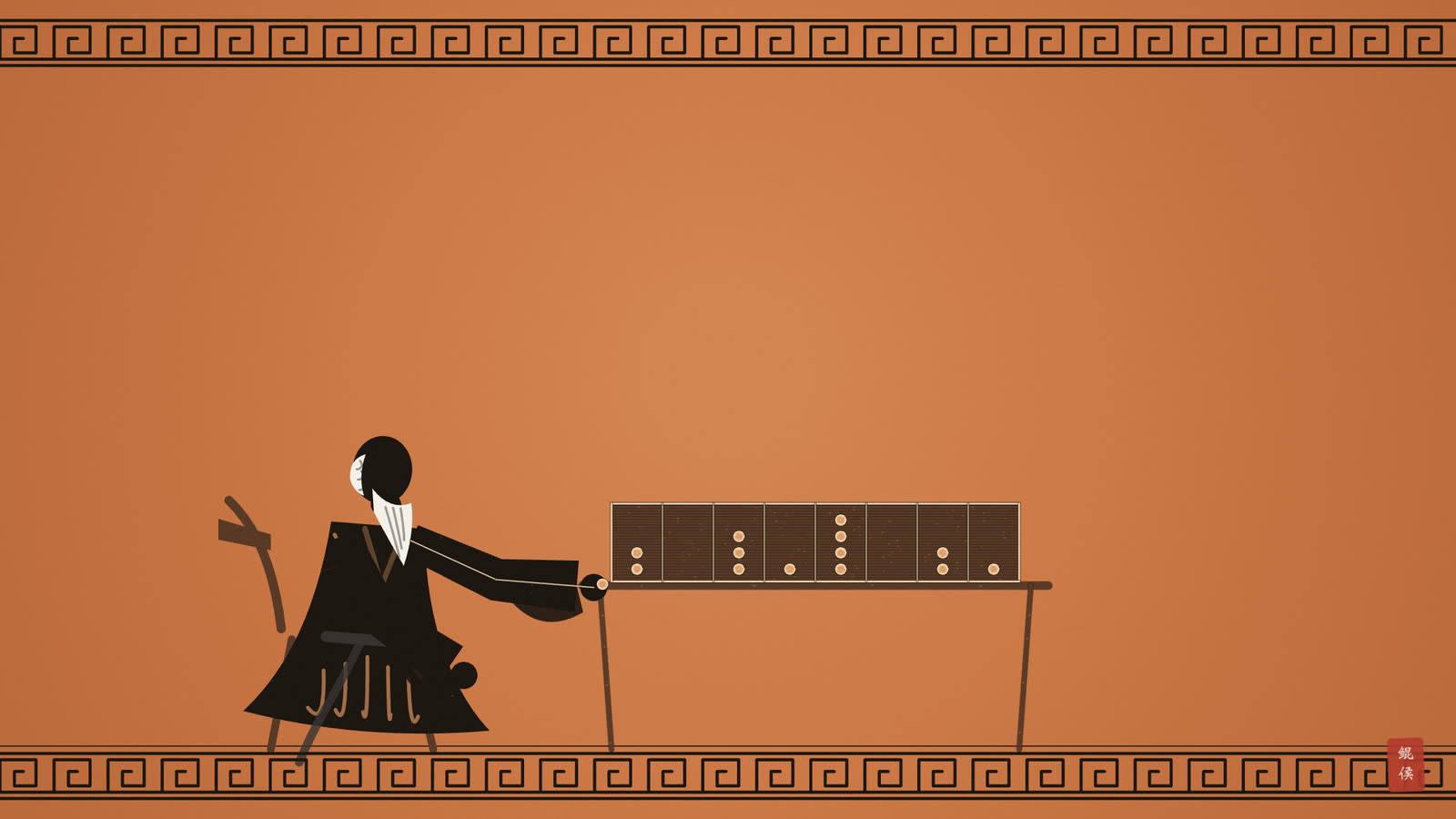
Let the period of the nativity be 45 years, 9 months, and 25 days; and let the Sun, say, take the first decennial; next after him let there be the Moon, then Mars, then Mercury, then Jupiter, after him Venus, and last Saturn. The 43 years make 4 decennials, and the remaining 2 years, 9 months, and 25 days will be of the fifth decennial, of which Jupiter, fifth from the Sun, is master; he has given himself 12 months of the monthly period and to Venus, after him, 8 months. There remain, up to the day sought, another thirteen months and 25 days; Saturn, lying after Venus, has 30 months, of which are the thirteen months and 25 days, that is, 420 days in all, which Saturn received from Jupiter. When, then, we resolve Saturn's 30 months into the 912 days and subtract from these three daily periods of 129 days, which make 387, of the remaining 33 toward the 420 Saturn again gives himself the first 30, then to the Sun, after him, the remaining three. Jupiter, then, is lord of the fifth decennial, Saturn of the months, having received them from Venus, and the Sun of the 3 days, having received them from Saturn, up to another 16 days. So there are three distributions: of the periods of years, of the months, and of the days.
翻译点开
Let the period of the nativity be 45 years, 9 months, and 25 days; and let the Sun, say, take the first decennial; next after him let there be the Moon, then Mars, then Mercury, then Jupiter, after him Venus, and last Saturn. The 43 years make 4 decennials, and the remaining 2 years, 9 months, and 25 days will be of the fifth decennial, of which Jupiter, fifth from the Sun, is master; he has given himself 12 months of the monthly period and to Venus, after him, 8 months. There remain, up to the day sought, another thirteen months and 25 days; Saturn, lying after Venus, has 30 months, of which are the thirteen months and 25 days, that is, 420 days in all, which Saturn received from Jupiter. When, then, we resolve Saturn's 30 months into the 912 days and subtract from these three daily periods of 129 days, which make 387, of the remaining 33 toward the 420 Saturn again gives himself the first 30, then to the Sun, after him, the remaining three. Jupiter, then, is lord of the fifth decennial, Saturn of the months, having received them from Venus, and the Sun of the 3 days, having received them from Saturn, up to another 16 days. So there are three distributions: of the periods of years, of the months, and of the days.
设本命的时期是四十五年九个月二十五日;比如说,让太阳取第一个十年期;在他之后设为月亮,然后火星,然后水星,然后木星,在他之后金星,最后土星。四十三年合四个十年期,余下的两年九个月二十五日将属于第五个十年期,太阳之后的第五个木星是它的主人;他给自己按月的时期十二个月,给在他之后的金星八个月。到所求之日为止,还剩下另外十三个月二十五日;在金星之后的土星有三十个月,其中就有这十三个月二十五日,即总共四百二十日,这是土星从木星接受的。所以,当我们把土星的三十个月化为九百一十二日,从中减去三个一百二十九日的按日周期,即三百八十七,在到四百二十的余下三十三日中,土星又给自己头三十日,然后给在他之后的太阳余下的三日。所以木星是第五个十年期之主,土星是诸月之主,从金星接受了它们,太阳是那三日之主,从土星接受了它们,直到另外十六日。所以有三种分配:年的时期的、月的、日的。
大意与图解点开
🔎 大意:例:寿四十五年九个月二十五日,太阳起第一个十年期;第五个十年期属木星,月属土星,所求之日属太阳;三层分配一目了然。
📖 术语
| 术语 | 英文原词 | 意思 |
|---|---|---|
| 第五个十年期 | fifth decennial | 第五个十年九个月 |
| 从……接受 | received from | 时期移交 |
| 诸月之主 | lord of the months | 按月的主星 |
| 按日周期 | daily periods | 一百二十九日 |
| 三种分配 | three distributions | 年、月、日 |
🧭 图解与讲解
第六行是一个完整的查法(表一)。寿数四十五年九个月二十五日,太阳取第一个十年期,本命次序为日、月、火、水、木、金、土。四个十年期合四十三年,余下两年九个月二十五日属第五个十年期,太阳之后的第五颗是木星。木星先给自己十二个月,再给金星八个月,还剩十三个月二十五日,落在其后土星的三十个月中,合四百二十日。
| 步骤 | 四十五年九个月二十五日之例(第六行) | 所得 |
|---|---|---|
| 一 | 次序:日、月、火、水、木、金、土 | 太阳取第一个十年期 |
| 二 | 四个十年期 = 43 年 | 余 2 年 9 个月 25 日 |
| 三 | 第五个十年期 | 太阳之后第五个:木星 |
| 四 | 木星给自己 12 个月,给金星 8 个月 | 余 13 个月 25 日 |
| 五 | 其后土星的 30 个月中 | 13 个月 25 日 = 420 日 |
| 六 | 土星 30 个月 = 912 日;减三个周期 387 | 余 33 日 |
| 七 | 土星先取 30 日,太阳取余下 3 日 | 所求之日在太阳 |
| 结论 | 十年期之主:木星;月之主:土星;日之主:太阳 | 太阳还主之后 16 日 |
〔图〕一天的三层主星
土星的三十个月化为九百一十二日,减去三个一百二十九日的周期(三百八十七日),在余下的三十三日中,土星先取三十日,太阳取最后三日。所以这一天(图二):十年期之主是木星,月之主是土星(从金星接受),日之主是太阳(从土星接受),太阳还要再主十六日。作者说这就是「三种分配:年的时期的、月的、日的」。
📖 术语
| 术语 | 英文原词 | 意思 |
|---|---|---|
| 第五个十年期 | fifth decennial | 第五个十年九个月 |
| 从……接受 | received from | 时期移交 |
| 诸月之主 | lord of the months | 按月的主星 |
| 按日周期 | daily periods | 一百二十九日 |
| 三种分配 | three distributions | 年、月、日 |
🧭 图解与讲解
第六行是一个完整的查法(表一)。寿数四十五年九个月二十五日,太阳取第一个十年期,本命次序为日、月、火、水、木、金、土。四个十年期合四十三年,余下两年九个月二十五日属第五个十年期,太阳之后的第五颗是木星。木星先给自己十二个月,再给金星八个月,还剩十三个月二十五日,落在其后土星的三十个月中,合四百二十日。
| 步骤 | 四十五年九个月二十五日之例(第六行) | 所得 |
|---|---|---|
| 一 | 次序:日、月、火、水、木、金、土 | 太阳取第一个十年期 |
| 二 | 四个十年期 = 43 年 | 余 2 年 9 个月 25 日 |
| 三 | 第五个十年期 | 太阳之后第五个:木星 |
| 四 | 木星给自己 12 个月,给金星 8 个月 | 余 13 个月 25 日 |
| 五 | 其后土星的 30 个月中 | 13 个月 25 日 = 420 日 |
| 六 | 土星 30 个月 = 912 日;减三个周期 387 | 余 33 日 |
| 七 | 土星先取 30 日,太阳取余下 3 日 | 所求之日在太阳 |
| 结论 | 十年期之主:木星;月之主:土星;日之主:太阳 | 太阳还主之后 16 日 |
土星的三十个月化为九百一十二日,减去三个一百二十九日的周期(三百八十七日),在余下的三十三日中,土星先取三十日,太阳取最后三日。所以这一天(图二):十年期之主是木星,月之主是土星(从金星接受),日之主是太阳(从土星接受),太阳还要再主十六日。作者说这就是「三种分配:年的时期的、月的、日的」。
Some also distribute fourths, that is, hours, resolving the days of each into the 24 hours of the day and night; for example, the 19 of the Sun into 456 hours; of these he will grant himself 19 hours, then to the Moon 25, after them to Mars 15, then to Mercury, then to Jupiter 12, after him to Venus 8, then to Saturn 30; and again the Sun gives to himself and to those in order another 129 hours, and this three times; and of the 69 hours remaining of the 456 the Sun again assigns himself 19, to the Moon 25, to Mars 15; of the remainder Mercury will be lord, at the completion of the 69 days [sic] of the Sun. As for the first 3 days, which he had received from Saturn, and which were the remainder of the 45 years, 9 months, and 25 days, let us resolve the 3 days into 72 hours; the first of the 72 hours will fall to the Sun up to the seventh hour of the night; after him 25 hours to the Moon, from the eighth of the night to the eighth of the following night; after her Mars is lord of the 15 hours, from the 9th hour of the night to the 11th of the day; after him Mercury will take, from the 12th of the day, the remaining 13 hours of the 72, up to the first hour of the day. And one must examine the powers in the transmissions: what Mars brings about in transmitting to Mercury in the decennials, he brings about also in the monthly sub-allotments, in the daily sub-allotments, and in the hourly distributions, from which the changes of affairs on each day will be recognized; and much more from the planet that is in transit and governs.
翻译点开
Some also distribute fourths, that is, hours, resolving the days of each into the 24 hours of the day and night; for example, the 19 of the Sun into 456 hours; of these he will grant himself 19 hours, then to the Moon 25, after them to Mars 15, then to Mercury, then to Jupiter 12, after him to Venus 8, then to Saturn 30; and again the Sun gives to himself and to those in order another 129 hours, and this three times; and of the 69 hours remaining of the 456 the Sun again assigns himself 19, to the Moon 25, to Mars 15; of the remainder Mercury will be lord, at the completion of the 69 days [sic] of the Sun. As for the first 3 days, which he had received from Saturn, and which were the remainder of the 45 years, 9 months, and 25 days, let us resolve the 3 days into 72 hours; the first of the 72 hours will fall to the Sun up to the seventh hour of the night; after him 25 hours to the Moon, from the eighth of the night to the eighth of the following night; after her Mars is lord of the 15 hours, from the 9th hour of the night to the 11th of the day; after him Mercury will take, from the 12th of the day, the remaining 13 hours of the 72, up to the first hour of the day. And one must examine the powers in the transmissions: what Mars brings about in transmitting to Mercury in the decennials, he brings about also in the monthly sub-allotments, in the daily sub-allotments, and in the hourly distributions, from which the changes of affairs on each day will be recognized; and much more from the planet that is in transit and governs.
有些人还分配第四层,即时,把每颗星的日化成昼夜的二十四小时;例如太阳的十九日化成四百五十六小时;其中他将给自己十九小时,然后给月亮二十五,在它们之后给火星十五,然后给水星,然后给木星十二,在他之后给金星八,然后给土星三十;太阳又给他自己与依次的诸星另外一百二十九小时,这样三次;在四百五十六小时中余下的六十九小时,太阳又给自己十九,给月亮二十五,给火星十五;余下的由水星主管,以满太阳的六十九日〔原文如此〕。至于他从土星接受的头三日,即四十五年九个月二十五日的余数,让我们把这三日化为七十二小时;七十二小时中的第一小时落给太阳,直到夜里第七小时;在他之后,二十五小时给月亮,从夜里第八小时到下一夜的第八小时;在她之后,火星主十五小时,从夜里第九小时到白天第十一小时;在他之后,水星将从白天第十二小时取七十二小时中余下的十三小时,直到白天第一小时。也必须查看交付中的诸力:火星在十年期中向水星交付时造成什么,他在按月的次分配、按日的次分配与按时的分配中也造成同样的事,从这些就会认出每一天事务的变化;而从正在行运并主管的那颗行星更是如此。
大意与图解点开
🔎 大意:第四层按时分配:每日化为二十四小时,以一百二十九小时为一周期;交付之力在年、月、日、时各层都同样作用,行运主星尤要紧。
📖 术语
| 术语 | 英文原词 | 意思 |
|---|---|---|
| 第四层 | fourths | 按时的分配 |
| 昼夜的二十四小时 | 24 hours of the day and night | 一昼夜 |
| 交付中的诸力 | powers in the transmissions | 交付的效验 |
| 按时的分配 | hourly distributions | 时之主 |
| 正在行运 | in transit | 当下天上 |
🧭 图解与讲解
第七行说,有些人还分到第四层,即「时」(表一):把每颗星的日数化为小时,太阳的十九日是四百五十六小时,同样以一百二十九小时为一个周期,太阳先取十九小时,再依次分给其余诸星,满三个周期后余六十九小时,再分给太阳、月亮、火星,余下归水星。例中所求的三日化为七十二小时,第一小时属太阳,其后二十五小时属月亮,再十五小时属火星,余下十三小时属水星,作者还逐一标出起讫的时辰。
| 层次 | 例中所得 |
|---|---|
| 太阳的十九日 | 456 小时:三个 129 小时周期 + 余 69 小时 |
| 余 69 小时 | 太阳 19、月亮 25、火星 15,余下归水星 |
| 所求的三日 = 72 小时 | 第 1 小时:太阳(到夜里第七时) |
| 其后 25 小时:月亮(夜里第八时到次夜第八时) | |
| 其后 15 小时:火星(到白天第十一时) | |
| 余 13 小时:水星(到白天第一时) |
〔图〕同一种交付,四层同效
最后一句点出这套分配的用处(图二):交付的效验在各层都一样,火星在十年期中交付给水星时造成什么,在按月、按日、按时的次分配中也造成同样的事,由此可以认出每一天事务的变化;而当下正在行运并主管的那颗行星,影响更大。这与卷四论交付与次分配诸章的思路一致,只是层层细分到了小时。
📖 术语
| 术语 | 英文原词 | 意思 |
|---|---|---|
| 第四层 | fourths | 按时的分配 |
| 昼夜的二十四小时 | 24 hours of the day and night | 一昼夜 |
| 交付中的诸力 | powers in the transmissions | 交付的效验 |
| 按时的分配 | hourly distributions | 时之主 |
| 正在行运 | in transit | 当下天上 |
🧭 图解与讲解
第七行说,有些人还分到第四层,即「时」(表一):把每颗星的日数化为小时,太阳的十九日是四百五十六小时,同样以一百二十九小时为一个周期,太阳先取十九小时,再依次分给其余诸星,满三个周期后余六十九小时,再分给太阳、月亮、火星,余下归水星。例中所求的三日化为七十二小时,第一小时属太阳,其后二十五小时属月亮,再十五小时属火星,余下十三小时属水星,作者还逐一标出起讫的时辰。
| 层次 | 例中所得 |
|---|---|
| 太阳的十九日 | 456 小时:三个 129 小时周期 + 余 69 小时 |
| 余 69 小时 | 太阳 19、月亮 25、火星 15,余下归水星 |
| 所求的三日 = 72 小时 | 第 1 小时:太阳(到夜里第七时) |
| 其后 25 小时:月亮(夜里第八时到次夜第八时) | |
| 其后 15 小时:火星(到白天第十一时) | |
| 余 13 小时:水星(到白天第一时) |
最后一句点出这套分配的用处(图二):交付的效验在各层都一样,火星在十年期中交付给水星时造成什么,在按月、按日、按时的次分配中也造成同样的事,由此可以认出每一天事务的变化;而当下正在行运并主管的那颗行星,影响更大。这与卷四论交付与次分配诸章的思路一致,只是层层细分到了小时。
原文为公有领域古籍;翻译、印象画与图文解读由 AI 辅助生成,鲲侯审校。