卷四·第四节第十五章 元旦逢星期几断一年世事(全书终)
古人以元旦落在星期几断一年的四季、年成与人事。拉姆齐录下七条,却说找不到可靠的根据,不愿人依赖它。全书至此终。
CHAP. XV. Shewing how to judge of the General Accidents of the World by the Falling of New-Years Day.
YOu are herein to observe on what day of the week New-Years-Day falleth; for if it fall on Sunday, a pleasant Winter ensueth, and a natural and kindly Summer and sufficient fruit; the Harvest will be indifferent for weather, yet some wind and rain it will produce, a temperate Spring and it seasonable; it denotes also many Marriages, plenty of Wine and Honey, the death of young Men and Cattel, robberies in most places, news of Prelates and Kings, and cruel wars towards the end of the Year, or at lest much dissention and discord amongh men.
If it fall on a Monday, the Winter will be somewhat uncomfortable; the Summer temperate; No great plenty of fruit, many fansies and fables dispersed abroad, many Agues, the death of Kings, Nobles and Great men, in most places marriages, and a downfal of the Gentry.
If on Tuesday there followeth a stormy Winter, and a wet Summer, a various harvest, and moist Spring, Corn and fruit indifferent, yet Garden Herbs shall not flourish, great sickness amongst men, women and young children, and a mortality of Cattel, many men shall die of the Bloody-Flux, and every thing save corn shall be dear.
翻译点开
CHAP. XV. Shewing how to judge of the General Accidents of the World by the Falling of New-Years Day.
第十五章 说明怎样由元旦落在哪一天来判断世上的一般事故。
YOu are herein to observe on what day of the week New-Years-Day falleth; for if it fall on Sunday, a pleasant Winter ensueth, and a natural and kindly Summer and sufficient fruit; the Harvest will be indifferent for weather, yet some wind and rain it will produce, a temperate Spring and it seasonable; it denotes also many Marriages, plenty of Wine and Honey, the death of young Men and Cattel, robberies in most places, news of Prelates and Kings, and cruel wars towards the end of the Year, or at lest much dissention and discord amongh men.
在这里你要观察元旦落在一星期中的哪一天;因为若落在星期日,随之是宜人的冬天,自然而温和的夏天,果实充足;收成时的天气一般,但会有一些风雨,春天温和而合时;它也表示多有婚嫁,酒与蜜丰足,年轻男子与牲畜死亡,多数地方有抢劫,有关于高级教士与国王的消息,年末有残酷的战争,至少人与人之间有许多纷争与不和。
If it fall on a Monday, the Winter will be somewhat uncomfortable; the Summer temperate; No great plenty of fruit, many fansies and fables dispersed abroad, many Agues, the death of Kings, Nobles and Great men, in most places marriages, and a downfal of the Gentry.
若落在星期一,冬天会有些不舒服;夏天温和;果实不太丰足,许多幻想与传言四散,许多疟疾,国王、贵族与大人物死亡,多数地方有婚嫁,士绅衰落。
If on Tuesday there followeth a stormy Winter, and a wet Summer, a various harvest, and moist Spring, Corn and fruit indifferent, yet Garden Herbs shall not flourish, great sickness amongst men, women and young children, and a mortality of Cattel, many men shall die of the Bloody-Flux, and every thing save corn shall be dear.
若在星期二,随之是多风暴的冬天,潮湿的夏天,参差不齐的收成,潮湿的春天,谷物与果实一般,但园中的菜蔬不会茂盛,男人、女人与小孩都会大病,牲畜死亡,许多人会死于血痢,除了谷物以外样样都贵。
大意与图解点开
🔎 大意:看元旦落在星期几。星期日:冬宜人、果足、多婚嫁,年末有战事;星期一:冬不适、果不多、贵人死;星期二:冬多风暴、多病。
📖 术语
| 术语 | 英文原词 | 意思 |
|---|---|---|
| 元旦 | New-Years Day | 一年的第一天 |
| 高级教士 | Prelates | 主教之类 |
| 疟疾 | Agues | 寒热交作之病 |
| 血痢 | Bloody-Flux | 便血的痢疾 |
| 士绅 | Gentry | 有地位的乡绅 |
🧭 图解与讲解
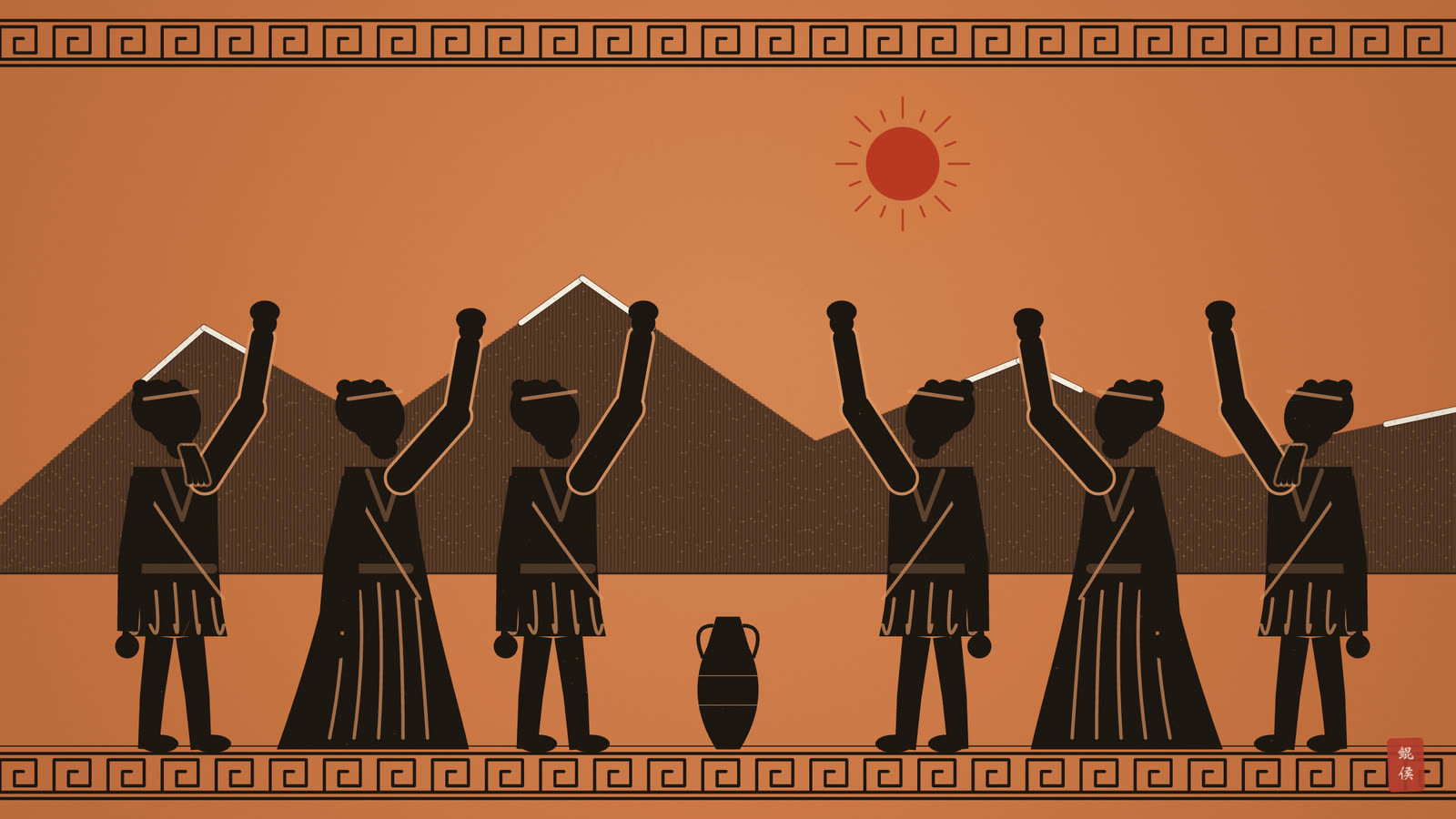
全书最后一章,拉姆齐录下古人「由元旦落在星期几判断一年世事」之法(图二)。上一章末他已说明,这一章是为了「供读者消遣娱乐」,虽然他几年来验过,觉得多半接近真实。方法很简单:查元旦是星期几,对照下面七条。
| 元旦逢 | 冬 | 夏 | 春与收成 | 年成 | 人事(原书) |
|---|---|---|---|---|---|
| 星期日 | 冬天宜人 | 自然温和 | 春温和;收成天气一般,有些风雨 | 果实足,酒蜜丰 | 多婚嫁;青年与牲畜死;多盗;年末有战争或不和 |
| 星期一 | 冬天有些难受 | 温和 | — | 果实不多 | 多流言;多疟疾;国王贵人死;多婚嫁;士绅衰落 |
| 星期二 | 多风暴 | 多雨 | 春湿;收成不一 | 谷果一般,菜蔬不旺;除谷物外样样贵 | 男女小儿多病;牲畜死;多人死于血痢 |
〔图〕怎样用这一法
每一条都包括四季天气、收成与年成、人事三方面(表一)。星期日:冬宜人、夏温和、果实足、多婚嫁、酒蜜丰,但年轻人与牲畜有死亡,年末有战争或纷争。星期一:冬天不太舒服,果实不多,多流言、多疟疾、贵人死亡、士绅衰落。星期二:冬多风暴、夏多雨,菜蔬不旺,人多病、多死于血痢,除谷物外样样贵。
这一类以星期几断年成的歌诀,在欧洲民间历书里流传很广。疾病部分是古人之说,本站照译,不作医疗建议,也不作现实预言。
📖 术语
| 术语 | 英文原词 | 意思 |
|---|---|---|
| 元旦 | New-Years Day | 一年的第一天 |
| 高级教士 | Prelates | 主教之类 |
| 疟疾 | Agues | 寒热交作之病 |
| 血痢 | Bloody-Flux | 便血的痢疾 |
| 士绅 | Gentry | 有地位的乡绅 |
🧭 图解与讲解
全书最后一章,拉姆齐录下古人「由元旦落在星期几判断一年世事」之法(图二)。上一章末他已说明,这一章是为了「供读者消遣娱乐」,虽然他几年来验过,觉得多半接近真实。方法很简单:查元旦是星期几,对照下面七条。
| 元旦逢 | 冬 | 夏 | 春与收成 | 年成 | 人事(原书) |
|---|---|---|---|---|---|
| 星期日 | 冬天宜人 | 自然温和 | 春温和;收成天气一般,有些风雨 | 果实足,酒蜜丰 | 多婚嫁;青年与牲畜死;多盗;年末有战争或不和 |
| 星期一 | 冬天有些难受 | 温和 | — | 果实不多 | 多流言;多疟疾;国王贵人死;多婚嫁;士绅衰落 |
| 星期二 | 多风暴 | 多雨 | 春湿;收成不一 | 谷果一般,菜蔬不旺;除谷物外样样贵 | 男女小儿多病;牲畜死;多人死于血痢 |
每一条都包括四季天气、收成与年成、人事三方面(表一)。星期日:冬宜人、夏温和、果实足、多婚嫁、酒蜜丰,但年轻人与牲畜有死亡,年末有战争或纷争。星期一:冬天不太舒服,果实不多,多流言、多疟疾、贵人死亡、士绅衰落。星期二:冬多风暴、夏多雨,菜蔬不旺,人多病、多死于血痢,除谷物外样样贵。
这一类以星期几断年成的歌诀,在欧洲民间历书里流传很广。疾病部分是古人之说,本站照译,不作医疗建议,也不作现实预言。
On Wodensday, a warm Winter in the beginning, but towards the end snow and frost, a cloudy Summer, plenty of fruit, also of corn, wine, hay, honey and other things, damage and hard labour to women with child, death to many children, plenty of sheep, news of Kings and great wars and blood-shed towards the midst.
On Thursday both Winter and Summer windy, a rainy Harvest and a moist Spring, many Innundations towards the latter end of the Year, much fruit, and plenty of the fruits of the Earth and honey, but flesh shall be dear, a death of Cattel, in general, great trouble, wars and commotions, and women shall be loose and licentious.
On Fryday a stormy Winter, and no pleasant Summer, a moderate Spring, save only it will be windy, and an indifferent Harvest, and small store of fruit, wine and honey, corn dear, many blear Eyes, Youth shall dye many of them, Earth quakes in many places, much Thunder and Lightning, also Tempest, and the sudden death of Cattel.
Lastly on Saturday, a mean Winter, a very hot Summer, a late harvest, and a dry windy Spring, Garden Herbs shall be cheap, much burning, plenty of honey. flax and hemp, the death of antient people in most places, many Feavers, but chiefly Tertians, great rumours of wars, and sudden murthers in many places for or upon little or no occasion, &c.
翻译点开
On Wodensday, a warm Winter in the beginning, but towards the end snow and frost, a cloudy Summer, plenty of fruit, also of corn, wine, hay, honey and other things, damage and hard labour to women with child, death to many children, plenty of sheep, news of Kings and great wars and blood-shed towards the midst.
在星期三,冬天开始时温暖,但到末尾有雪与霜,夏天多云,果实丰足,谷物、酒、干草、蜜以及其他东西也丰足,怀孕的妇女受害、生产艰难,许多儿童死亡,羊多,有关于国王的消息,年中有大战与流血。
On Thursday both Winter and Summer windy, a rainy Harvest and a moist Spring, many Innundations towards the latter end of the Year, much fruit, and plenty of the fruits of the Earth and honey, but flesh shall be dear, a death of Cattel, in general, great trouble, wars and commotions, and women shall be loose and licentious.
在星期四,冬天与夏天都多风,收成时多雨,春天潮湿,到年末多有洪水,果实多,地上的果实与蜜丰足,但肉会贵,牲畜死亡,一般说有大麻烦、战争与动乱,妇女会放纵淫荡。
On Fryday a stormy Winter, and no pleasant Summer, a moderate Spring, save only it will be windy, and an indifferent Harvest, and small store of fruit, wine and honey, corn dear, many blear Eyes, Youth shall dye many of them, Earth quakes in many places, much Thunder and Lightning, also Tempest, and the sudden death of Cattel.
在星期五,多风暴的冬天,不宜人的夏天,温和的春天,只是多风,收成一般,果实、酒与蜜所存很少,谷物昂贵,许多人眼睛红烂,青年人许多会死,许多地方有地震,多有雷电,还有暴风雨,以及牲畜暴死。
Lastly on Saturday, a mean Winter, a very hot Summer, a late harvest, and a dry windy Spring, Garden Herbs shall be cheap, much burning, plenty of honey. flax and hemp, the death of antient people in most places, many Feavers, but chiefly Tertians, great rumours of wars, and sudden murthers in many places for or upon little or no occasion, &c.
最后在星期六,冬天寻常,夏天很热,收成晚,春天干燥多风,园中菜蔬便宜,多有火灾,蜜、亚麻与大麻丰足,多数地方老人死亡,多有热病,但主要是间日热,有大的战争谣言,许多地方有为了很小的或毫无缘由而突然发生的凶杀,等等。
大意与图解点开
🔎 大意:星期三:先暖后寒、果谷丰;星期四:多风多雨、果丰肉贵;星期五:多风暴、谷贵、多眼疾;星期六:夏很热、老人死、多热病。
📖 术语
| 术语 | 英文原词 | 意思 |
|---|---|---|
| 干草 | hay | 晒干的牧草 |
| 眼睛红烂 | blear Eyes | 眼睛发炎模糊 |
| 亚麻 | flax | 可织布的植物 |
| 间日热 | Tertians | 隔一日一发的热病 |
🧭 图解与讲解
星期三到星期六四条(表一)。星期三:冬天先暖后有雪霜,夏多云,果、谷、酒、干草、蜜都丰足,羊多,但孕妇受苦、多儿童死亡,年中有战争。星期四:冬夏都多风,收成时多雨,年末多洪水,果实与蜜丰而肉贵,牲畜死亡,多战争动乱。
| 元旦逢 | 冬 | 夏 | 春与收成 | 年成 | 人事(原书) |
|---|---|---|---|---|---|
| 星期三 | 初暖后雪霜 | 多云 | — | 果、谷、酒、干草、蜜都丰;羊多 | 孕妇受苦;多儿童死;年中有战争流血 |
| 星期四 | 多风 | 多风 | 收成多雨;春湿;年末多洪水 | 果实与蜜丰;肉贵 | 牲畜死;大麻烦、战争与动乱;妇女放纵 |
| 星期五 | 多风暴 | 不宜人 | 春温和而多风;收成一般 | 果、酒、蜜少;谷贵 | 多眼疾;青年多死;地震、雷电;牲畜暴死 |
| 星期六 | 寻常 | 很热 | 收成晚;春干而多风 | 菜蔬便宜,蜜、亚麻、大麻丰 | 多火灾;老人死;多热病(间日热尤多);战争谣言,无故凶杀 |
〔图〕星期四与星期六
星期五:冬多风暴、夏不宜人,果、酒、蜜少而谷贵,多眼疾,青年多死,有地震雷电与牲畜暴死。星期六:冬寻常、夏很热、春干而多风,菜蔬便宜,多火灾,老人死,多热病(尤其间日热),并有战争谣言与无故的凶杀(图二对照星期四的多雨与星期六的干热)。
这七条与前面诸章不同,不讲行星位置,只凭日期,所以拉姆齐只把它当作附录。疾病部分是古人之说,本站照译,不作医疗建议;也不作天气预报与现实预言。
📖 术语
| 术语 | 英文原词 | 意思 |
|---|---|---|
| 干草 | hay | 晒干的牧草 |
| 眼睛红烂 | blear Eyes | 眼睛发炎模糊 |
| 亚麻 | flax | 可织布的植物 |
| 间日热 | Tertians | 隔一日一发的热病 |
🧭 图解与讲解
星期三到星期六四条(表一)。星期三:冬天先暖后有雪霜,夏多云,果、谷、酒、干草、蜜都丰足,羊多,但孕妇受苦、多儿童死亡,年中有战争。星期四:冬夏都多风,收成时多雨,年末多洪水,果实与蜜丰而肉贵,牲畜死亡,多战争动乱。
| 元旦逢 | 冬 | 夏 | 春与收成 | 年成 | 人事(原书) |
|---|---|---|---|---|---|
| 星期三 | 初暖后雪霜 | 多云 | — | 果、谷、酒、干草、蜜都丰;羊多 | 孕妇受苦;多儿童死;年中有战争流血 |
| 星期四 | 多风 | 多风 | 收成多雨;春湿;年末多洪水 | 果实与蜜丰;肉贵 | 牲畜死;大麻烦、战争与动乱;妇女放纵 |
| 星期五 | 多风暴 | 不宜人 | 春温和而多风;收成一般 | 果、酒、蜜少;谷贵 | 多眼疾;青年多死;地震、雷电;牲畜暴死 |
| 星期六 | 寻常 | 很热 | 收成晚;春干而多风 | 菜蔬便宜,蜜、亚麻、大麻丰 | 多火灾;老人死;多热病(间日热尤多);战争谣言,无故凶杀 |
星期五:冬多风暴、夏不宜人,果、酒、蜜少而谷贵,多眼疾,青年多死,有地震雷电与牲畜暴死。星期六:冬寻常、夏很热、春干而多风,菜蔬便宜,多火灾,老人死,多热病(尤其间日热),并有战争谣言与无故的凶杀(图二对照星期四的多雨与星期六的干热)。
这七条与前面诸章不同,不讲行星位置,只凭日期,所以拉姆齐只把它当作附录。疾病部分是古人之说,本站照译,不作医疗建议;也不作天气预报与现实预言。
Thus much from the falling of New-Years-day, the which although the Illiterate and Vulgar may make use of, for the frequent verity thereof, yet would I not have them depend thereon, for I cannot (I must confess) finde any sure ground why the Antients should thus conclude; wherefore here I desist with this Conclusion.
To God alone be the Praise.
FINIS.
翻译点开
Thus much from the falling of New-Years-day, the which although the Illiterate and Vulgar may make use of, for the frequent verity thereof, yet would I not have them depend thereon, for I cannot (I must confess) finde any sure ground why the Antients should thus conclude; wherefore here I desist with this Conclusion.
由元旦落在哪一天就说这么多,这一法虽然没有学问的普通人或可因其常常应验而加以利用,但我不愿他们依赖它,因为(我必须承认)我找不到古人这样下结论有什么可靠的根据;所以我就以这个结论在这里停笔。
To God alone be the Praise.
唯独归荣耀于上帝。
FINIS.
全书终。
大意与图解点开
🔎 大意:拉姆齐说此法常应验,普通人可用,但他找不到古人这样断的可靠根据,不愿人依赖它。以归荣耀于上帝作结,全书终。
📖 术语
| 术语 | 英文原词 | 意思 |
|---|---|---|
| 没有学问的 | Illiterate | 不识字、未受教育 |
| 全书终 | FINIS | 拉丁语,终了 |
🧭 图解与讲解
全书最后一段,拉姆齐对元旦之法表了态(图一):它虽常常应验,没受教育的人或可利用,但他「找不到古人这样下结论有什么可靠的根据」,所以不愿人依赖它。这与他在前面诸章一贯的立场相合:占星的判断要有自然的理由(冷热干湿、行星本性、星座性质),只有经验而说不出理由的,他宁可保留。
〔图〕拉姆齐对此法的态度
〔图〕《占星学复原》四卷
全书以「唯独归荣耀于上帝」和「全书终」结束。回看四卷(图二):卷一为占星学辩护,卷二讲判断入门,卷三讲择日,卷四讲世运、天气、交食、彗星与会合。本站照原书逐章翻译讲解,世运部分只说明书中规则,不作现实预言;疾病与医疗部分是古人之说,不作医疗建议。
📖 术语
| 术语 | 英文原词 | 意思 |
|---|---|---|
| 没有学问的 | Illiterate | 不识字、未受教育 |
| 全书终 | FINIS | 拉丁语,终了 |
🧭 图解与讲解
全书最后一段,拉姆齐对元旦之法表了态(图一):它虽常常应验,没受教育的人或可利用,但他「找不到古人这样下结论有什么可靠的根据」,所以不愿人依赖它。这与他在前面诸章一贯的立场相合:占星的判断要有自然的理由(冷热干湿、行星本性、星座性质),只有经验而说不出理由的,他宁可保留。
全书以「唯独归荣耀于上帝」和「全书终」结束。回看四卷(图二):卷一为占星学辩护,卷二讲判断入门,卷三讲择日,卷四讲世运、天气、交食、彗星与会合。本站照原书逐章翻译讲解,世运部分只说明书中规则,不作现实预言;疾病与医疗部分是古人之说,不作医疗建议。
原文为公有领域古籍;翻译、印象画与图文解读由 AI 辅助生成,鲲侯审校。