卷一·第一至二章 占星学是自由七艺之一,与天文学同属一学
有人说天文学是自由七艺,占星学不是。拉姆齐引亚里士多德、托勒密、博纳提等为证:二者是同一门学问的两个部分。
CHAP. I. Proving Astrology to be one of the Liberal Sciences.
WHen I first entred upon these my Labours, I thought by reason of the bulk, and for that it had been of late traduced by the ignorant, it would be very convenient to prefix some Discourse which might tend both to the vindication thereof, and the manifestation of its sublime excellency and verity; whereupon at my spare times, I entred upon this subsequent Discourse: upon my first conception thereof, I thought it would not have exceeded a short Preface; but being brought forth, I perceived both for the largeness of its bulk, and variety of discourse, it deserved rather the denomination of a Book, which I call A Vindication of Astrology.
I shall not need to say any more thereof, only refer thee to its perusal, and here begin our matter, with the Answer of an Objection, the better to usher in our following intentions; which is, Object. That Astrology is none of the Liberal Sciences, but Astronomy is. The vanity of which Objection shall be cleared here beneath, it being indeed one and the same Art, though two distinct parts or properties.
翻译点开
CHAP. I. Proving Astrology to be one of the Liberal Sciences.
第一章 证明占星学是自由七艺之一。
WHen I first entred upon these my Labours, I thought by reason of the bulk, and for that it had been of late traduced by the ignorant, it would be very convenient to prefix some Discourse which might tend both to the vindication thereof, and the manifestation of its sublime excellency and verity; whereupon at my spare times, I entred upon this subsequent Discourse: upon my first conception thereof, I thought it would not have exceeded a short Preface; but being brought forth, I perceived both for the largeness of its bulk, and variety of discourse, it deserved rather the denomination of a Book, which I call A Vindication of Astrology.
我当初着手这些工作时,想到此书篇幅浩大,又因此学近来受到无知之人的诋毁,觉得最好在前面加一篇论述,既为它辩白,也显明它崇高的卓越与真实;于是我利用闲暇,动笔写下后面这篇论述。起初构思时,我以为它不会超出一篇短序;但写成之后,我发觉它篇幅既大,论述又繁多,倒更配称为一卷书,我把它叫作《为占星学辩护》。
I shall not need to say any more thereof, only refer thee to its perusal, and here begin our matter, with the Answer of an Objection, the better to usher in our following intentions; which is, Object. That Astrology is none of the Liberal Sciences, but Astronomy is. The vanity of which Objection shall be cleared here beneath, it being indeed one and the same Art, though two distinct parts or properties.
关于这一卷,我不必再多说,只请你读下去;这里就以答复一条反驳来开始我们的正题,好引出后面要讲的内容。这条反驳是——反驳:占星学不属于自由七艺,天文学才属于。这条反驳的空洞,下文就要澄清:二者其实是同一门技艺,只是两个不同的部分或属性。
大意与图解点开
🔎 大意:卷一原是一篇序,写长了成为一卷《为占星学辩护》。开篇先答反驳:天文属七艺而占星不属;拉姆齐说二者本是一学。
📖 术语
| 术语 | 英文原词 | 意思 |
|---|---|---|
| 自由七艺 | Liberal Sciences | 中世纪大学的七门基础学问 |
| 反驳 | Object. | 论敌提出的非难 |
| 天文学 | Astronomy | 此处与占星学同属一学 |
| 技艺 | Art | 有法度可传授的学问 |
🧭 图解与讲解
《占星学复原》卷一是一卷论战文字。拉姆齐自述:他原想在这部大书前面加一篇短序,为近来受人诋毁的占星学辩白,不料写成后篇幅太大、论题太多,只好单独成卷,题作《为占星学辩护》(A Vindication of Astrology)。所以卷一不讲盘、不讲规则,讲的是「此学能不能学、该不该学」。
〔图〕反驳者把天文与占星分成两门;拉姆齐答:二者是同一门技艺的两个部分
开篇处理的第一条反驳很有当时的特色:天文学是自由七艺(中世纪大学的七门基础学问,算术、几何、天文、音乐与文法、修辞、逻辑)之一,占星学却不是。言下之意,天文学是正经学问,占星学是旁门。拉姆齐的回答是:两者其实是同一门技艺,只是两个不同的部分(图一)。既然是同一门技艺,占星学自然也在七艺之列。
这条反驳在今天看来只是名分之争,但在十七世纪,它关系到占星学在大学与教会面前的地位。下面两章,拉姆齐先引亚里士多德与阿威罗伊证明占星学是一门「技艺」,再引历代作者证明古人从不把二者分开。
📖 术语
| 术语 | 英文原词 | 意思 |
|---|---|---|
| 自由七艺 | Liberal Sciences | 中世纪大学的七门基础学问 |
| 反驳 | Object. | 论敌提出的非难 |
| 天文学 | Astronomy | 此处与占星学同属一学 |
| 技艺 | Art | 有法度可传授的学问 |
🧭 图解与讲解
《占星学复原》卷一是一卷论战文字。拉姆齐自述:他原想在这部大书前面加一篇短序,为近来受人诋毁的占星学辩白,不料写成后篇幅太大、论题太多,只好单独成卷,题作《为占星学辩护》(A Vindication of Astrology)。所以卷一不讲盘、不讲规则,讲的是「此学能不能学、该不该学」。
开篇处理的第一条反驳很有当时的特色:天文学是自由七艺(中世纪大学的七门基础学问,算术、几何、天文、音乐与文法、修辞、逻辑)之一,占星学却不是。言下之意,天文学是正经学问,占星学是旁门。拉姆齐的回答是:两者其实是同一门技艺,只是两个不同的部分(图一)。既然是同一门技艺,占星学自然也在七艺之列。
这条反驳在今天看来只是名分之争,但在十七世纪,它关系到占星学在大学与教会面前的地位。下面两章,拉姆齐先引亚里士多德与阿威罗伊证明占星学是一门「技艺」,再引历代作者证明古人从不把二者分开。
But first, least some may question whether it be an Art, for that, as they suppose, Aristotle in some parts of his Works seems to deny it; yet upon better consideration, there is no rational man but will soon finde that he is so far from denying any such thing, that he speaketh as much thereof as any Astrologer can. Look further, Aristotle Methaphys. 6. and 12. and 1. Polit. cap. 7. and several other places, too tedious to relate here. Also his 2.
De Coelo text 17. and lib. de proprieta. element. and lib. de mundo cap. 9. and in the 4. de generatione animalium, cap. 10. for there is none that is well acquainted with his manner of Writing, but knows that he indifferently useth the Name of Astrologer and Astronomer for one and the same; and also in other places, Astrologer and Philosopher, as making no difference between them, which here to particularize were both tedious and superfluous in so clear a case; and in his Phys. lib. 2. cap. 2. he makes no more difference between Astrology, Astronomy and Physicks, then the particular names of the head, hand and foot, &c. do make that they are different things from the body, though distinct members, when all rational men know that notwithstanding they are several parts, yet they all conduce to the composition of one intire body.
Wherefore in my Lux veritatis or defence of Astrology, chap. 1. sect. 3. I bring Aristotle to affirm Astrology to be Scientia media, a Science between the Mathematicks and Natural Philosophy; wherefore those that finde not these very words, Scientia media, in the above said 2. of Phys. cap. 2. if they finde so much inferred, it is sufficient to evince such carpers at Truth, to be either void of matter of discourse, or envious, or both; when it is clear he makes no more distinction between the one and the other, then what you have but now heard.
I forbear here, to set down the testimony of Averroes in his Com. on the 12. of the Metaph. Text 44. and on the second Book of Phys. cap. 2. but refer you to the perusal of that 3. Sect. aforesaid, where you shall also finde that in his Comment 7. of the third of his Metaph. he affirmeth Astrology to be a Mathematical Art; and this is acknowledged by all the Judicious and learned; neither do any but Fools and Novices make it a distinct Art or Science of it self, but a part of Astronomy, Physicks and Natural Philosophy, which make up one intire Liberal Science; this is well known to the Learned; yet for the satisfaction of some weak headed Momuses have I thus plainly delivered my self, who carp and rail at what they are ignorant of.
Further Averroes, Text 44. of the 12. of the Metaph. (amongst many more, which to insert here would make my labours of too great a bulk) acknowledgeth Astrology to be an Art; but in this place, I say he hath these words, Ita autem ars propria est huic intentioni inter alias Mathematicas, quia considerat de substantiis aeternis sensibilibus; aliae autem Scientiae Mathematicae considerant de accidentibus, ut ars Arithmetica, & Geometria. And in his Comments on the 2. de Coelo, Text 58. he attributeth so much to the power of the Heavens over these inferior Bodies, that he confesseth one Star to have a greater power then another: and also in the 68. Text of the same Book, he acknowledgeth every star to have his own particular operation, &c.
翻译点开
But first, least some may question whether it be an Art, for that, as they suppose, Aristotle in some parts of his Works seems to deny it; yet upon better consideration, there is no rational man but will soon finde that he is so far from denying any such thing, that he speaketh as much thereof as any Astrologer can. Look further, Aristotle Methaphys. 6. and 12. and 1. Polit. cap. 7. and several other places, too tedious to relate here. Also his 2.
不过先说一点:恐怕有人会怀疑它算不算一门技艺,因为照他们的设想,亚里士多德在他著作的某些地方似乎否认这一点;然而只要更仔细地考虑,任何讲理的人都会很快发现,他非但没有否认此事,反而讲起它来不比任何星占家少。请再看亚里士多德《形而上学》第六卷与第十二卷、《政治学》第一卷第七章,以及其他好些地方,在这里一一列举太过繁琐。还有他的
De Coelo text 17. and lib. de proprieta. element. and lib. de mundo cap. 9. and in the 4. de generatione animalium, cap. 10. for there is none that is well acquainted with his manner of Writing, but knows that he indifferently useth the Name of Astrologer and Astronomer for one and the same; and also in other places, Astrologer and Philosopher, as making no difference between them, which here to particularize were both tedious and superfluous in so clear a case; and in his Phys. lib. 2. cap. 2. he makes no more difference between Astrology, Astronomy and Physicks, then the particular names of the head, hand and foot, &c. do make that they are different things from the body, though distinct members, when all rational men know that notwithstanding they are several parts, yet they all conduce to the composition of one intire body.
《论天》第二卷第十七节、《论元素的性质》、《论宇宙》第九章,以及《论动物生成》第四卷第十章。凡是熟悉他写作方式的人都知道,他把“星占家”与“天文学家”这两个名称不加分别地用来指同一种人;在别处又把“星占家”与“哲学家”混用,好像二者毫无分别,在这样明白的事上一一列举,既繁琐又多余。在《物理学》第二卷第二章,他对占星学、天文学与自然学所作的区分,不过像头、手、脚等等各有其名那样:这些名称并不表示它们是与身体不同的东西;它们虽是不同的肢体,但凡讲理的人都知道,尽管是几个部分,却都合起来构成一个完整的身体。
Wherefore in my Lux veritatis or defence of Astrology, chap. 1. sect. 3. I bring Aristotle to affirm Astrology to be Scientia media, a Science between the Mathematicks and Natural Philosophy; wherefore those that finde not these very words, Scientia media, in the above said 2. of Phys. cap. 2. if they finde so much inferred, it is sufficient to evince such carpers at Truth, to be either void of matter of discourse, or envious, or both; when it is clear he makes no more distinction between the one and the other, then what you have but now heard.
因此,我在《真理之光》(即我为占星学所作的辩护)第一章第三节里,引亚里士多德来证明占星学是“中间之学”,即介于数学与自然哲学之间的学问;那些在上述《物理学》第二卷第二章里找不到“中间之学”这几个字的人,若能在那里找到这层意思已被推出,也就足以证明这类对真理吹毛求疵的人,不是无话可说,就是心怀嫉妒,或者两样都有;因为很清楚,他在二者之间所作的区分,不过是你刚才听到的那样。
I forbear here, to set down the testimony of Averroes in his Com. on the 12. of the Metaph. Text 44. and on the second Book of Phys. cap. 2. but refer you to the perusal of that 3. Sect. aforesaid, where you shall also finde that in his Comment 7. of the third of his Metaph. he affirmeth Astrology to be a Mathematical Art; and this is acknowledged by all the Judicious and learned; neither do any but Fools and Novices make it a distinct Art or Science of it self, but a part of Astronomy, Physicks and Natural Philosophy, which make up one intire Liberal Science; this is well known to the Learned; yet for the satisfaction of some weak headed Momuses have I thus plainly delivered my self, who carp and rail at what they are ignorant of.
阿威罗伊在他对《形而上学》第十二卷第四十四节、对《物理学》第二卷第二章的注释里的证言,我这里不录,只请你去读前面说的那第三节;你在那里还会看到,他在对《形而上学》第三卷的第七条注释里断言占星学是一门数学技艺。这一点凡有见识、有学问的人都承认;只有愚人和新手才把它当作一门自成一体的技艺或学问,而不当作天文学、自然学与自然哲学的一部分——这几者合起来构成一门完整的自由学科。这一点学者们都很清楚;但为了让某些头脑软弱的摩摩斯之流满意,我才这样直白地讲出来,他们对自己一无所知的东西吹毛求疵、肆意谩骂。
Further Averroes, Text 44. of the 12. of the Metaph. (amongst many more, which to insert here would make my labours of too great a bulk) acknowledgeth Astrology to be an Art; but in this place, I say he hath these words, Ita autem ars propria est huic intentioni inter alias Mathematicas, quia considerat de substantiis aeternis sensibilibus; aliae autem Scientiae Mathematicae considerant de accidentibus, ut ars Arithmetica, & Geometria. And in his Comments on the 2. de Coelo, Text 58. he attributeth so much to the power of the Heavens over these inferior Bodies, that he confesseth one Star to have a greater power then another: and also in the 68. Text of the same Book, he acknowledgeth every star to have his own particular operation, &c.
再者,阿威罗伊在《形而上学》第十二卷第四十四节(还有许多别处,若都插进来,会使我的书篇幅过大)承认占星学是一门技艺;我说,他在这个地方有这样的话:“在其他数学之学中,这门技艺专属于这一目的,因为它考察永恒而可感的实体;其他数学之学则考察偶性,如算术与几何。”在他对《论天》第二卷第五十八节的注释里,他把那么大的力量归于诸天对这些下界物体的作用,以致承认一颗星比另一颗星力量更大;在同书第六十八节,他又承认每颗星都有自己特有的作用,等等。
大意与图解点开
🔎 大意:亚里士多德混用星占家、天文学家之名,视占星、天文、自然学如头手脚同属一身;阿威罗伊称占星是考察永恒实体的数学技艺。
📖 术语
| 术语 | 英文原词 | 意思 |
|---|---|---|
| 中间之学 | Scientia media | 介于数学与自然哲学之间 |
| 自然学 | Physicks | 研究自然物的学问 |
| 偶性 | accidentibus | 非本质的属性 |
| 下界物体 | inferior Bodies | 月下的元素之物 |
| 摩摩斯之流 | Momuses | 爱挑剔讥嘲的人 |
🧭 图解与讲解
这一单元回应一个更根本的怀疑:占星学算不算一门「技艺」(Art,有法度、可传授的学问)。有人引亚里士多德来否认,拉姆齐反过来引亚里士多德来肯定。他的论据是用词:亚里士多德把「星占家」与「天文学家」两个名称不加分别地用于同一种人,有时又与「哲学家」混用,可见在他那里,这几门学问并没有截然分开。
〔图〕头手脚各有其名,同属一身:占星、天文、自然学同属一门学问
| 证人 | 出处(原文所举) | 拉姆齐取其何义 |
|---|---|---|
| 亚里士多德 | 《形而上学》第六、十二卷;《政治学》第一卷第七章;《论天》第二卷等 | 星占家与天文学家之名混用,不加分别 |
| 亚里士多德 | 《物理学》第二卷第二章 | 占星学是数学与自然哲学之间的「中间之学」 |
| 阿威罗伊 | 《形而上学》第三卷注释第七条 | 占星学是一门数学技艺 |
| 阿威罗伊 | 《形而上学》第十二卷第四十四节 | 它考察永恒而可感的实体,异于算术、几何 |
| 阿威罗伊 | 《论天》第二卷第五十八、六十八节注 | 星有强弱,各有其特有的作用 |
最有分量的是《物理学》第二卷第二章的比喻(图一):占星学、天文学、自然学的区别,就像头、手、脚各有名字,但谁也不会说手是身体以外的东西。拉姆齐据此在他先前的《真理之光》里说,占星学是介于数学与自然哲学之间的「中间之学」。他也承认原书里未必有这四个字,但只要意思推得出来就够了,那些挑字眼的人是「无话可说,或心怀嫉妒」。
第二位证人是十二世纪的阿拉伯哲学家阿威罗伊,亚里士多德最著名的注释家。拉姆齐从他的注释里取了三层意思(表二):占星学是一门数学技艺;它与算术、几何不同,考察的是「永恒而可感的实体」,即天体本身,而不是数与形这类偶性;诸星各有强弱、各有特有的作用。后一层已经从「是不是学问」转到「诸天有没有力量」,为第四章埋下伏笔。
文中的「摩摩斯」是希腊神话里专爱挑剔讥嘲的神,拉姆齐借来骂那些不懂而乱批的论敌。这类骂语在十七世纪的论战文字里很常见,本站照原文翻译,不作评论。
📖 术语
| 术语 | 英文原词 | 意思 |
|---|---|---|
| 中间之学 | Scientia media | 介于数学与自然哲学之间 |
| 自然学 | Physicks | 研究自然物的学问 |
| 偶性 | accidentibus | 非本质的属性 |
| 下界物体 | inferior Bodies | 月下的元素之物 |
| 摩摩斯之流 | Momuses | 爱挑剔讥嘲的人 |
🧭 图解与讲解
这一单元回应一个更根本的怀疑:占星学算不算一门「技艺」(Art,有法度、可传授的学问)。有人引亚里士多德来否认,拉姆齐反过来引亚里士多德来肯定。他的论据是用词:亚里士多德把「星占家」与「天文学家」两个名称不加分别地用于同一种人,有时又与「哲学家」混用,可见在他那里,这几门学问并没有截然分开。
| 证人 | 出处(原文所举) | 拉姆齐取其何义 |
|---|---|---|
| 亚里士多德 | 《形而上学》第六、十二卷;《政治学》第一卷第七章;《论天》第二卷等 | 星占家与天文学家之名混用,不加分别 |
| 亚里士多德 | 《物理学》第二卷第二章 | 占星学是数学与自然哲学之间的「中间之学」 |
| 阿威罗伊 | 《形而上学》第三卷注释第七条 | 占星学是一门数学技艺 |
| 阿威罗伊 | 《形而上学》第十二卷第四十四节 | 它考察永恒而可感的实体,异于算术、几何 |
| 阿威罗伊 | 《论天》第二卷第五十八、六十八节注 | 星有强弱,各有其特有的作用 |
最有分量的是《物理学》第二卷第二章的比喻(图一):占星学、天文学、自然学的区别,就像头、手、脚各有名字,但谁也不会说手是身体以外的东西。拉姆齐据此在他先前的《真理之光》里说,占星学是介于数学与自然哲学之间的「中间之学」。他也承认原书里未必有这四个字,但只要意思推得出来就够了,那些挑字眼的人是「无话可说,或心怀嫉妒」。
第二位证人是十二世纪的阿拉伯哲学家阿威罗伊,亚里士多德最著名的注释家。拉姆齐从他的注释里取了三层意思(表二):占星学是一门数学技艺;它与算术、几何不同,考察的是「永恒而可感的实体」,即天体本身,而不是数与形这类偶性;诸星各有强弱、各有特有的作用。后一层已经从「是不是学问」转到「诸天有没有力量」,为第四章埋下伏笔。
文中的「摩摩斯」是希腊神话里专爱挑剔讥嘲的神,拉姆齐借来骂那些不懂而乱批的论敌。这类骂语在十七世纪的论战文字里很常见,本站照原文翻译,不作评论。
As touching the legality and great esteem Astrology was in in former Ages, I shall here (for brevitie sake) refer thee to the perusal of the 4. Section of the 1. Chapter of my Lux veritatis, and for its Antiquity to the 5. Section of the same Chapter; for there is nothing more certain, then it hath been ever in most high esteem by all the more grave sort of Councels, States, Kingdoms and Empires; as also by the chiefest and wisest sort of men studied and maintained, it being the chiefest of all studies under the Sun, and among the Learned the most coveted after.
For though it hath been (by the malicious adversaries thereof) distinguished from Astronomy, yet (I say) by the Learned and Judicious never; for though they are distinct parts, yet are they one intire Science, and that, one of the seven Liberal Sciences, as you have heard; wherefore the simplicity and ignorance of some weak-braind men who make this distinction, ought not to be countenanced, staining and traducing thereby the chiefest of Sciences that was ever studied by men; for that they, and they only were the first that made them any wise reputed several, shall beneath appear; for since it comes here so opportunely in my way, I will give you (for the farther clearing of this point) the testimony of some former and authentick Writers, though were I not confined to somewhat a narrow bounds, I might insert most or all Writers that were any ways Judicious; but since, Verbum Sapienti sat est, and the case so clear and unquestioned amongst rational men, I shall (as brief as may be) give thee some, and then proceed, that I may hasten (as hath been said) to say somewhat of one that hath put forth a patcht pretended Reply to my Lux Veritatis in answer to Doctor Nathaniel Homes.
翻译点开
As touching the legality and great esteem Astrology was in in former Ages, I shall here (for brevitie sake) refer thee to the perusal of the 4. Section of the 1. Chapter of my Lux veritatis, and for its Antiquity to the 5. Section of the same Chapter; for there is nothing more certain, then it hath been ever in most high esteem by all the more grave sort of Councels, States, Kingdoms and Empires; as also by the chiefest and wisest sort of men studied and maintained, it being the chiefest of all studies under the Sun, and among the Learned the most coveted after.
至于占星学在以往各个时代的合法地位与所受的崇敬,为简短起见,这里请你去读我《真理之光》第一章第四节;关于它的古老,请读同一章第五节。因为最确定不过的是:它向来受到一切较为庄重的议会、邦国、王国与帝国的极高尊崇;也为最杰出、最有智慧的人所研习与维护;它是天下一切学问中的首要之学,也是学者们最向往的学问。
For though it hath been (by the malicious adversaries thereof) distinguished from Astronomy, yet (I say) by the Learned and Judicious never; for though they are distinct parts, yet are they one intire Science, and that, one of the seven Liberal Sciences, as you have heard; wherefore the simplicity and ignorance of some weak-braind men who make this distinction, ought not to be countenanced, staining and traducing thereby the chiefest of Sciences that was ever studied by men; for that they, and they only were the first that made them any wise reputed several, shall beneath appear; for since it comes here so opportunely in my way, I will give you (for the farther clearing of this point) the testimony of some former and authentick Writers, though were I not confined to somewhat a narrow bounds, I might insert most or all Writers that were any ways Judicious; but since, Verbum Sapienti sat est, and the case so clear and unquestioned amongst rational men, I shall (as brief as may be) give thee some, and then proceed, that I may hasten (as hath been said) to say somewhat of one that hath put forth a patcht pretended Reply to my Lux Veritatis in answer to Doctor Nathaniel Homes.
因为,虽然它曾被它那些心怀恶意的对手同天文学区分开来,但我说,有学问、有见识的人从来不这样分;因为二者虽是不同的部分,却是一门完整的学问,而且如你所听到的,是自由七艺之一。所以,某些头脑软弱的人作这种区分,出于他们的愚拙与无知,不应受到支持,因为他们借此玷污、诋毁了人类所研习过的首要之学;而首先把二者看作两门的,正是他们,也只有他们,下文就会显明。既然话题正好走到这里,为进一步澄清这一点,我要给你举几位从前可靠的作者的证言;倘若我不受这较窄的篇幅所限,本可以把凡有见识的作者大都、甚至全都引进来;但既然“对智者一言足矣”,此事在讲理的人中间又如此明白、毫无疑问,我就尽量简短地给你举几位,然后往下讲,好如前所说,赶紧谈一谈某人:他针对我答复纳撒尼尔·霍姆斯博士的《真理之光》,发表了一篇拼凑出来的所谓答复。
大意与图解点开
🔎 大意:占星学向为邦国与智者所尊崇;把它与天文学分家的是近来的论敌。下章引古人为证,再回头答复攻击《真理之光》的人。
📖 术语
| 术语 | 英文原词 | 意思 |
|---|---|---|
| 真理之光 | Lux veritatis | 拉姆齐先前的辩护书 |
| 对智者一言足矣 | Verbum Sapienti sat est | 拉丁成语 |
| 诋毁 | traducing | 恶意贬损 |
| 所谓答复 | pretended Reply | 论敌的反驳文字 |
🧭 图解与讲解
这两行是第一章的收尾,也是第二章的引子。拉姆齐先把占星学的合法地位与古老来历交给他先前的小书《真理之光》(第一章第四、五节),这里只作一句断言:它向来受到庄重的议会、邦国、王国与帝国的尊崇,是「天下一切学问中的首要之学」。
〔图〕古人从不把占星与天文分家,分家出于近人的无知
接着他把矛头指向「分家」之说(图一):把占星学与天文学分成两门的,不是古代的学者,而是近来心怀恶意的对手;分家的目的,是把天文学留在七艺里,把占星学赶出去。拉姆齐说,下文要证明首先这样分的「正是他们,也只有他们」。
末句交代了这一卷的论战背景。《真理之光》是拉姆齐答复纳撒尼尔·霍姆斯博士的辩护书;后来又有人写了一篇反驳《真理之光》的文字,拉姆齐称之为「拼凑出来的所谓答复」,说举完古人的证言就要赶紧回应它。卷一后面各章常提到这位「答复者」,读时可以记住这条线索。
📖 术语
| 术语 | 英文原词 | 意思 |
|---|---|---|
| 真理之光 | Lux veritatis | 拉姆齐先前的辩护书 |
| 对智者一言足矣 | Verbum Sapienti sat est | 拉丁成语 |
| 诋毁 | traducing | 恶意贬损 |
| 所谓答复 | pretended Reply | 论敌的反驳文字 |
🧭 图解与讲解
这两行是第一章的收尾,也是第二章的引子。拉姆齐先把占星学的合法地位与古老来历交给他先前的小书《真理之光》(第一章第四、五节),这里只作一句断言:它向来受到庄重的议会、邦国、王国与帝国的尊崇,是「天下一切学问中的首要之学」。
接着他把矛头指向「分家」之说(图一):把占星学与天文学分成两门的,不是古代的学者,而是近来心怀恶意的对手;分家的目的,是把天文学留在七艺里,把占星学赶出去。拉姆齐说,下文要证明首先这样分的「正是他们,也只有他们」。
末句交代了这一卷的论战背景。《真理之光》是拉姆齐答复纳撒尼尔·霍姆斯博士的辩护书;后来又有人写了一篇反驳《真理之光》的文字,拉姆齐称之为「拼凑出来的所谓答复」,说举完古人的证言就要赶紧回应它。卷一后面各章常提到这位「答复者」,读时可以记住这条线索。
CHAP. II. That Astrology and Astronomy are one and the same Science, and that they were ever so received by the Ancients.
I Have already declared the testimony of Aristotle on this point, and if we peruse the works of Ptolomie, we shall finde also, that he maketh no difference between the one and the other; and more particularly (not to insist long hereon) Lib. 1. cap. de Quadr. & cap. 3. de Quadr. he calleth there the Art of Astrology Astronomy, and the Predictions Astronomical; so confounding the distinction of the parts with the essential name of the Science.
Wherefore though Ptolomie hath, by some brain-sick men, been brought to condemn Astrologie, we see thereby the folly of such envious and ignorant gain-sayers of what they are altogether unknown in: for it is very strange that he should be produced to condemn what he hath taught to the world in four Books in Folio; but such is the stupidity and perversness of the Antagonists thereof, that when Astrologers declare and shew manifestly the power and efficacy of the influence of the Stars, there they accuse them with impiety and illegal practices: and when they sincerely teach not to ascribe so much to the Stars, as to neglect these inferiour causes, but to joyn the consideration of the one with the other; here (not considering, nor indeed understanding the scope and intentions of their Writings) they pick out certain particular places of their works which they think makes for their idle conceits and cavils to the condemnation of Astrology, and the labours of those that herein have spent their whole lives for the benefit of these after Ages; who have by us small requital of their care and pains thus to traduce them, when they ought rather by us to be eternized with Statues of Gold, and whole volumes of praises in perpetuum.
Hermes Trismegistus also in his Centiloquium, calleth the Art no other then Astrology, and the Students Astrologers.
And Tully also in all his Works calleth the Art no other then Astrologie, never so much as once mentioning Astronomy; for in Lib. 2. de Divinitat. he maketh predictions a part of Astrology, and not an Art of it self, when he testifieth of Cassander and Archelaus that they were excellent in other parts of Astrology, yet never used Predictions.
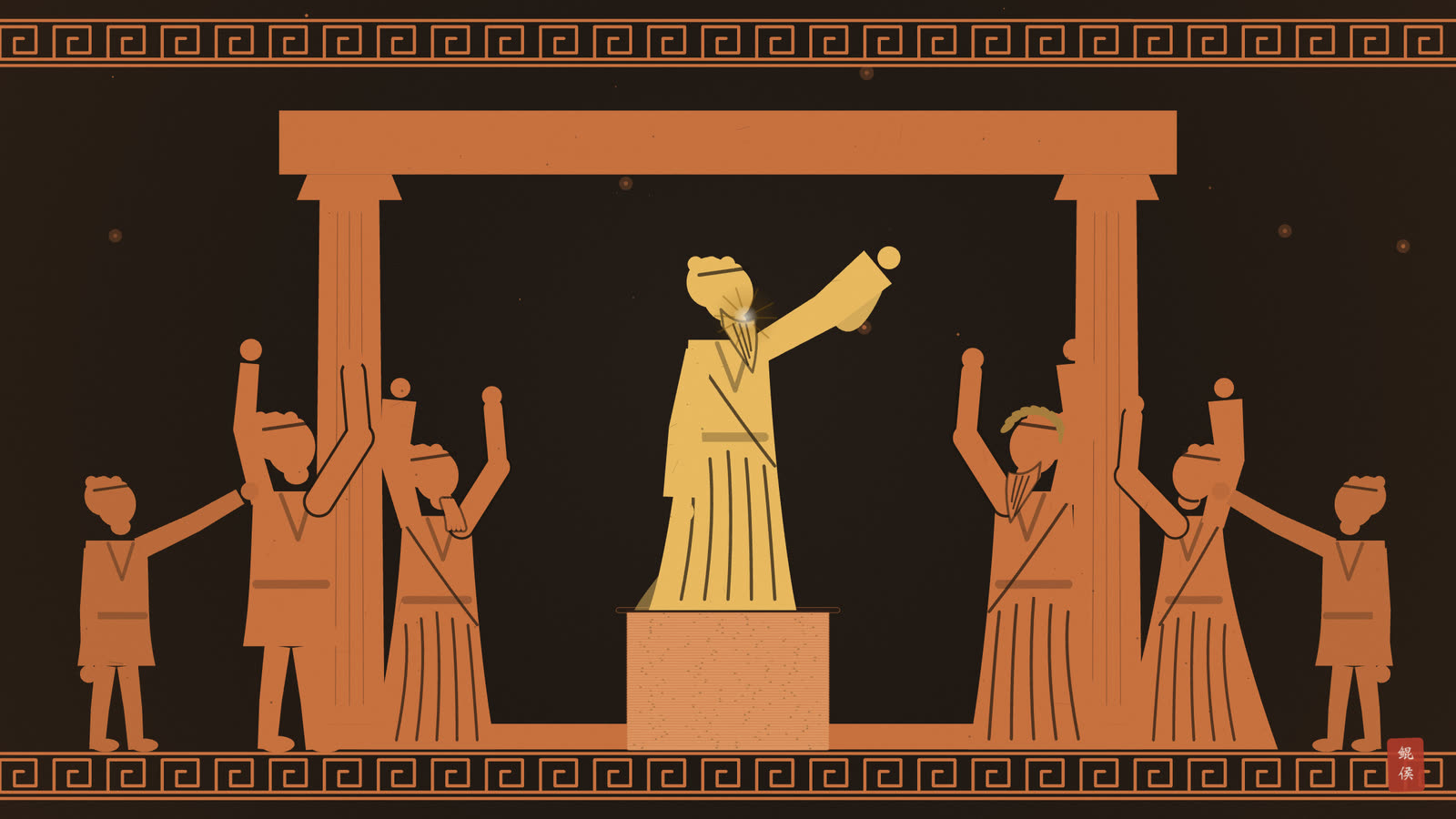
And Plinie lib. 7. cap. 37. witnesseth that Berosus, for his Divine Predictions in Astrology, had his Statue erected him with a golden tongue.
翻译点开
CHAP. II. That Astrology and Astronomy are one and the same Science, and that they were ever so received by the Ancients.
第二章 论占星学与天文学是同一门学问,古人向来都这样看待。
I Have already declared the testimony of Aristotle on this point, and if we peruse the works of Ptolomie, we shall finde also, that he maketh no difference between the one and the other; and more particularly (not to insist long hereon) Lib. 1. cap. de Quadr. & cap. 3. de Quadr. he calleth there the Art of Astrology Astronomy, and the Predictions Astronomical; so confounding the distinction of the parts with the essential name of the Science.
关于这一点,我已经陈述了亚里士多德的证言;如果我们细读托勒密的著作,也会发现他对二者不作区分;更具体地说(不在这上面多停留),在《四书》卷一的一章和第三章里,他把占星之术称为天文学,把预言称为天文的预言;就这样把部分的区别与这门学问本身的名称混在一起。
Wherefore though Ptolomie hath, by some brain-sick men, been brought to condemn Astrologie, we see thereby the folly of such envious and ignorant gain-sayers of what they are altogether unknown in: for it is very strange that he should be produced to condemn what he hath taught to the world in four Books in Folio; but such is the stupidity and perversness of the Antagonists thereof, that when Astrologers declare and shew manifestly the power and efficacy of the influence of the Stars, there they accuse them with impiety and illegal practices: and when they sincerely teach not to ascribe so much to the Stars, as to neglect these inferiour causes, but to joyn the consideration of the one with the other; here (not considering, nor indeed understanding the scope and intentions of their Writings) they pick out certain particular places of their works which they think makes for their idle conceits and cavils to the condemnation of Astrology, and the labours of those that herein have spent their whole lives for the benefit of these after Ages; who have by us small requital of their care and pains thus to traduce them, when they ought rather by us to be eternized with Statues of Gold, and whole volumes of praises in perpetuum.
所以,虽然有些头脑有病的人搬出托勒密来谴责占星学,我们由此正好看出,这些心怀嫉妒、无知的反对者,对他们全然不懂的东西妄加反驳,是何等愚蠢:因为把他搬出来谴责他自己用对开本四卷书教给世人的东西,实在是怪事;可是此学的对手就是这样愚钝乖戾:星占家宣示、明白显示诸星影响的力量与功效时,他们就指控星占家不敬神、行不法之事;而星占家真诚地教人不要把太多归于诸星,以致忽略了下界的这些原因,而要把二者合起来考虑时,他们又(既不考虑、其实也不懂这些著作的宗旨与用意)从中挑出某些个别的段落,以为可以支持他们无聊的念头与挑剔,用来谴责占星学,谴责那些为后世的益处在此学上耗尽一生的人。这些人从我们这里得到的报答如此微薄,竟被这样诋毁;其实我们本该为他们立金像,以整卷整卷的颂辞使他们永垂不朽。
Hermes Trismegistus also in his Centiloquium, calleth the Art no other then Astrology, and the Students Astrologers.
三重伟大的赫密斯在他的《百则》里,也只把这门技艺称作占星学,把研习者称作星占家。
And Tully also in all his Works calleth the Art no other then Astrologie, never so much as once mentioning Astronomy; for in Lib. 2. de Divinitat. he maketh predictions a part of Astrology, and not an Art of it self, when he testifieth of Cassander and Archelaus that they were excellent in other parts of Astrology, yet never used Predictions.
图利在他的全部著作里,也只把这门技艺称作占星学,一次都没提到天文学;因为在《论占卜》第二卷,他把预言当作占星学的一部分,而不是一门独立的技艺:他作证说,卡山德与阿刻劳斯在占星学的其他部分十分出色,却从不作预言。
And Plinie lib. 7. cap. 37. witnesseth that Berosus, for his Divine Predictions in Astrology, had his Statue erected him with a golden tongue.
普林尼在第七卷第三十七章作证说,贝罗苏斯因他在占星学中神妙的预言,人们为他立了一座金舌的雕像。
大意与图解点开
🔎 大意:托勒密称占星为天文、预言为天文预言,怎能拿他来反占星;赫密斯、西塞罗只称占星学;贝罗苏斯因预言得立金舌像。
📖 术语
| 术语 | 英文原词 | 意思 |
|---|---|---|
| 托勒密 | Ptolomie | 《四书》作者 |
| 三重伟大的赫密斯 | Hermes Trismegistus | 传说中的智者 |
| 图利 | Tully | 即西塞罗 |
| 贝罗苏斯 | Berosus | 古巴比伦祭司、星占家 |
| 对开本 | Folio | 大开本的书 |
🧭 图解与讲解
第二章接着举证,先从托勒密说起。拉姆齐说,托勒密在《四书》卷一里把这门占星之术叫作「天文学」,把预言叫作「天文的预言」,部分的名称与整门学问的名称混用,可见在他那里并无分家(表一)。读过本站《占星四书》的读者会记得,卷一第一至三章正是讲「凭天文所作的预言」,与这里所说相合。原文只写「卷一的一章和第三章」,章号有缺,本站照译。
| 证人 | 出处(原文所举) | 怎样称呼此学 |
|---|---|---|
| 托勒密 | 《四书》卷一的一章及第三章 | 把占星之术称为天文学,预言称为天文的预言 |
| 三重伟大的赫密斯 | 《百则》 | 只称占星学,研习者称星占家 |
| 西塞罗(图利) | 《论占卜》第二卷 | 只称占星学;预言只是它的一部分 |
| 普林尼 | 第七卷第三十七章 | 贝罗苏斯以占星预言得立金舌像 |
〔图〕论敌两头指责:讲星力就说不敬神,讲人事就断章取义
紧接着是一段愤激的话(图二):有人竟搬出托勒密来谴责占星学,可托勒密本人写了对开本四卷书来教这门学问。拉姆齐指出论敌的两头指责:星占家讲诸星的力量,就被说成不敬神、行不法;星占家劝人不要把一切归于星辰、也要顾及下界的原因,又被断章取义,拿来证明占星学站不住。这层意思与《四书》卷一第三章托勒密的立场相近:星象是原因之一,人事还有别的原因。
后面三位证人都很简短。三重伟大的赫密斯(传说中的埃及智者,本站《四书》附卷收有托名于他的《百则》)只说「占星学」「星占家」;西塞罗(原文称图利,即其名 Tullius)全部著作只称占星学,在《论占卜》第二卷还说卡山德与阿刻劳斯精于占星学的其他部分而不作预言,可见预言只是占星学的一部分;普林尼记载古巴比伦的贝罗苏斯因预言神妙,人们为他立了金舌雕像。
拉姆齐举这几条,用意都在「名称」:古人有的叫天文,有的叫占星,指的是同一门学问。至于西塞罗本人对占卜的态度如何,原文没有讨论,本站也不展开。
📖 术语
| 术语 | 英文原词 | 意思 |
|---|---|---|
| 托勒密 | Ptolomie | 《四书》作者 |
| 三重伟大的赫密斯 | Hermes Trismegistus | 传说中的智者 |
| 图利 | Tully | 即西塞罗 |
| 贝罗苏斯 | Berosus | 古巴比伦祭司、星占家 |
| 对开本 | Folio | 大开本的书 |
🧭 图解与讲解
第二章接着举证,先从托勒密说起。拉姆齐说,托勒密在《四书》卷一里把这门占星之术叫作「天文学」,把预言叫作「天文的预言」,部分的名称与整门学问的名称混用,可见在他那里并无分家(表一)。读过本站《占星四书》的读者会记得,卷一第一至三章正是讲「凭天文所作的预言」,与这里所说相合。原文只写「卷一的一章和第三章」,章号有缺,本站照译。
| 证人 | 出处(原文所举) | 怎样称呼此学 |
|---|---|---|
| 托勒密 | 《四书》卷一的一章及第三章 | 把占星之术称为天文学,预言称为天文的预言 |
| 三重伟大的赫密斯 | 《百则》 | 只称占星学,研习者称星占家 |
| 西塞罗(图利) | 《论占卜》第二卷 | 只称占星学;预言只是它的一部分 |
| 普林尼 | 第七卷第三十七章 | 贝罗苏斯以占星预言得立金舌像 |
紧接着是一段愤激的话(图二):有人竟搬出托勒密来谴责占星学,可托勒密本人写了对开本四卷书来教这门学问。拉姆齐指出论敌的两头指责:星占家讲诸星的力量,就被说成不敬神、行不法;星占家劝人不要把一切归于星辰、也要顾及下界的原因,又被断章取义,拿来证明占星学站不住。这层意思与《四书》卷一第三章托勒密的立场相近:星象是原因之一,人事还有别的原因。
后面三位证人都很简短。三重伟大的赫密斯(传说中的埃及智者,本站《四书》附卷收有托名于他的《百则》)只说「占星学」「星占家」;西塞罗(原文称图利,即其名 Tullius)全部著作只称占星学,在《论占卜》第二卷还说卡山德与阿刻劳斯精于占星学的其他部分而不作预言,可见预言只是占星学的一部分;普林尼记载古巴比伦的贝罗苏斯因预言神妙,人们为他立了金舌雕像。
拉姆齐举这几条,用意都在「名称」:古人有的叫天文,有的叫占星,指的是同一门学问。至于西塞罗本人对占卜的态度如何,原文没有讨论,本站也不展开。
The Septuagints in the 47. of Isa. also make no difference of Astrology and Astronomy, nor Astrologers and Astronomers, comprehending them both under the name Astrologers, and the Art under the word Astrology.
Galen also, lib 3. cap. 6. & 12. De diebus decret. contrariwise calleth the Egyptian Astrologers Astronomers.
And again Cassiodorus comprehendeth the works and effects of the Stars under the word Astronomy where he defines Astrology: so also Plato, Philo, and indeed all learned Writers; which, since to the Judicious this is so well known, I shall not need here longer to insist; only shall also add this, that Bonatus in his 11. ch. De confirm. Astrol. Scientiae, maketh Astrology as did Aristotle (as you have already heard) a part of Astronomy in these words, Astronomia est Sciencia per quam non solum praesentium, verum etiam praeteritorum ac futurorum habetur cognitio.
Astronomie is a Science by which not onely present things but what is past and to come may be known. Here you see by these words he comprehendeth Astrology under the name and word Astronomie. And then as I have said in the following words, shews it is a part of the same Art; definitur etiam alio modo, viz. In duas partes sive species ipsius breviter, contemplativam scilicet & activam; quae sunt Astrologia & Astronomia. It is defined also another way, viz divided into two parts or kinds, to wit, contemplative and active, which are Astrologie and Astronomie.
Thus you see here what difference the Antients have made betwixt the one part and the other; and he in that same chapter further sheweth how they differ, where he saith, In quo differunt istae duae partes dicam tibi, in what these two parts differ I shall shew thee; and so forward; wherefore then this being apparently manifest, I shall not here spend more time or trouble thee, referring thee for further satisfaction to his twelfe chapter, where he sheweth cleerly both the parts and species of Astronomie; and I believe an artificer is best able to deliver a definition of his own Art, and rather to be believed then one altogether ignorant therein, which that man must needs be, that will be so peremptorily base and impudent, or rather imprudent, as to deny what is thus confessed by all Antient and Authentick writers of this heavenly and most delectable and admired Science; neither upon due consideration will any man finde the knowledge of the motions, which is one part of the Science, to be of much use or validity without the true understanding of their effects, &c.
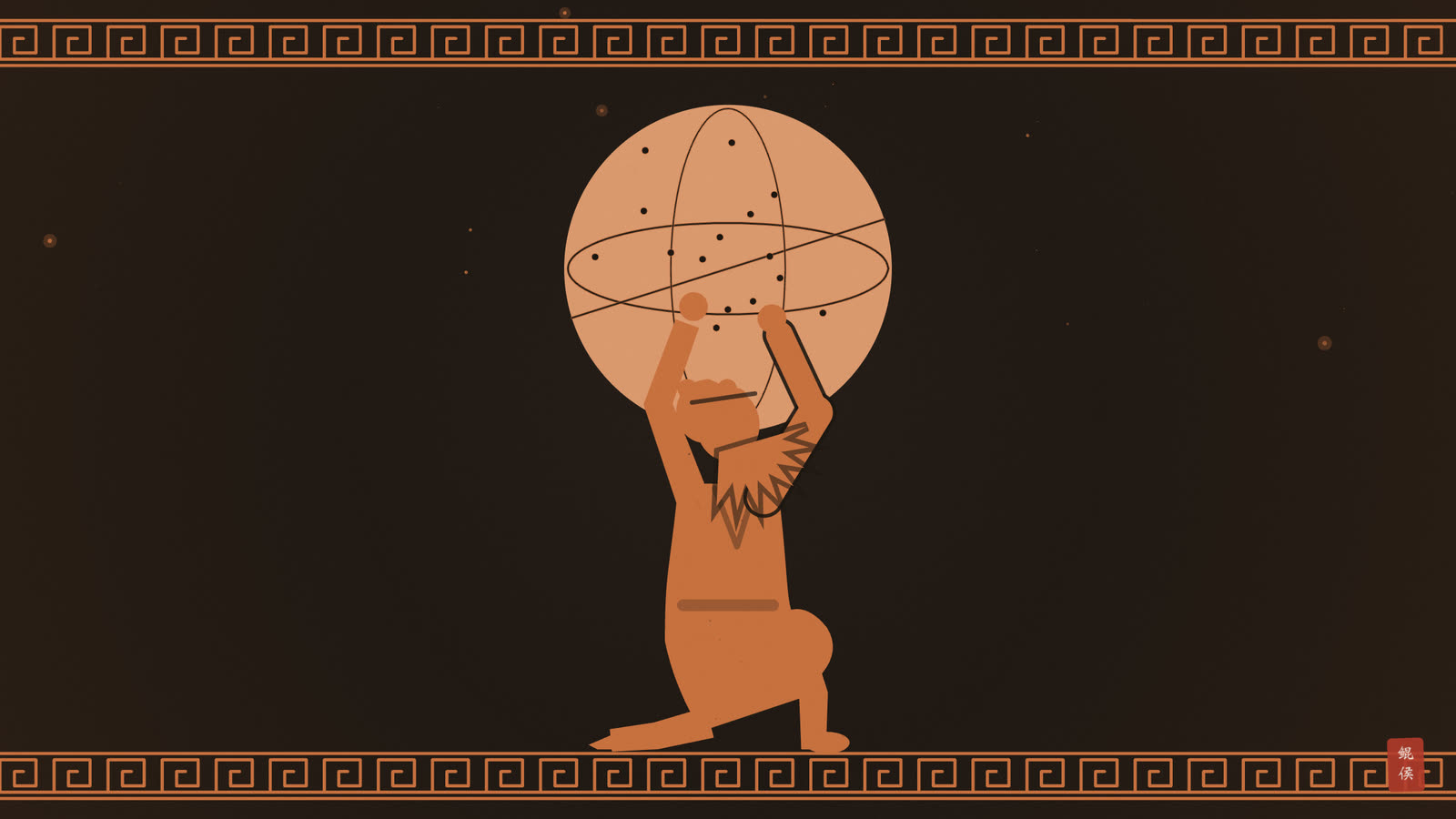
And here also I may add one word to that fourth Section of my first chapter, I have referred thee to, that he also in his next chapter, viz, the thirteenth, witnesseth that Abraham taught the Egyptians his Art, and that Atlas who was afterwards so excellent therein that it was thought of him, he was a God, and therefore was supposed (through his excellency in his knowledge therein) to support the Heavens on his shoulders.
翻译点开
The Septuagints in the 47. of Isa. also make no difference of Astrology and Astronomy, nor Astrologers and Astronomers, comprehending them both under the name Astrologers, and the Art under the word Astrology.
七十士译本在《以赛亚书》第四十七章,也不区分占星学与天文学,不区分星占家与天文学家,把两者都包括在“星占家”这个名称之下,把这门技艺包括在“占星学”这个词之下。
Galen also, lib 3. cap. 6. & 12. De diebus decret. contrariwise calleth the Egyptian Astrologers Astronomers.
盖伦在《论危象之日》第三卷第六章与第十二章,则反过来把埃及的星占家称为天文学家。
And again Cassiodorus comprehendeth the works and effects of the Stars under the word Astronomy where he defines Astrology: so also Plato, Philo, and indeed all learned Writers; which, since to the Judicious this is so well known, I shall not need here longer to insist; only shall also add this, that Bonatus in his 11. ch. De confirm. Astrol. Scientiae, maketh Astrology as did Aristotle (as you have already heard) a part of Astronomy in these words, Astronomia est Sciencia per quam non solum praesentium, verum etiam praeteritorum ac futurorum habetur cognitio.
再者,卡西奥多鲁斯在给占星学下定义的地方,把诸星的作用与效应包括在“天文学”这个词之下;柏拉图、斐洛,实在说所有有学问的作者也都如此;这一点有见识的人都很清楚,我在这里不必再多说;只再补充一点:博纳提在《论确立占星之学》第十一章,像亚里士多德那样(你已经听过了)把占星学当作天文学的一部分,原话是(拉丁文):“天文学是一门学问,凭它不但可得知现在之事,也可得知过去与未来之事。”
Astronomie is a Science by which not onely present things but what is past and to come may be known. Here you see by these words he comprehendeth Astrology under the name and word Astronomie. And then as I have said in the following words, shews it is a part of the same Art; definitur etiam alio modo, viz. In duas partes sive species ipsius breviter, contemplativam scilicet & activam; quae sunt Astrologia & Astronomia. It is defined also another way, viz divided into two parts or kinds, to wit, contemplative and active, which are Astrologie and Astronomie.
天文学是一门学问,凭它不但能知道现在的事,也能知道过去的事与将来的事。这里你看到,他用这些话把占星学包括在“天文学”这个名称与词语之下。接着,如我所说,他又在下面的话里表明它是同一门技艺的一部分:(拉丁文)“它还可以用另一种方式来定义,即简要地分为它的两个部分或种类,也就是思辨的与实践的,即占星学与天文学。”它还可以用另一种方式来定义,也就是分为两个部分或种类,即思辨的与实践的,这就是占星学与天文学。
Thus you see here what difference the Antients have made betwixt the one part and the other; and he in that same chapter further sheweth how they differ, where he saith, In quo differunt istae duae partes dicam tibi, in what these two parts differ I shall shew thee; and so forward; wherefore then this being apparently manifest, I shall not here spend more time or trouble thee, referring thee for further satisfaction to his twelfe chapter, where he sheweth cleerly both the parts and species of Astronomie; and I believe an artificer is best able to deliver a definition of his own Art, and rather to be believed then one altogether ignorant therein, which that man must needs be, that will be so peremptorily base and impudent, or rather imprudent, as to deny what is thus confessed by all Antient and Authentick writers of this heavenly and most delectable and admired Science; neither upon due consideration will any man finde the knowledge of the motions, which is one part of the Science, to be of much use or validity without the true understanding of their effects, &c.
这样你就看到古人在这一部分与那一部分之间作了怎样的区分;他在同一章还进一步说明二者有何不同,他说(拉丁文):“这两部分有何不同,我要告诉你”,也就是这两个部分有什么不同,我会向你说明;以下云云。所以,这既然显而易见,我在这里就不再多费时间,也不再烦扰你,请你到他的第十二章去求进一步的满足,他在那里把天文学的各部分与各种类讲得很清楚。我相信,一个匠人最能为自己的技艺下定义,比起对此全然无知的人更值得相信;而那种人必定是全然无知的——他竟如此武断、卑劣、无耻,或者说不智,要否认一切古代可靠的作者对这门属天的、最令人愉悦、最受赞叹的学问所承认的事。再者,任何人只要好好考虑,都会发现:对诸星运动的认识(这是这门学问的一部分),若不真正懂得它们的效应,用处与效力都不大,等等。
And here also I may add one word to that fourth Section of my first chapter, I have referred thee to, that he also in his next chapter, viz, the thirteenth, witnesseth that Abraham taught the Egyptians his Art, and that Atlas who was afterwards so excellent therein that it was thought of him, he was a God, and therefore was supposed (through his excellency in his knowledge therein) to support the Heavens on his shoulders.
在这里,我还可以给我请你参看的那第一章第四节补充一句:他在下一章,即第十三章,还作证说亚伯拉罕把他的技艺传授给埃及人;又说阿特拉斯后来精于此术,以致人们认为他是一位神,因此(由于他在这方面的知识出众)人们设想他用双肩撑起诸天。
大意与图解点开
🔎 大意:七十士译本、盖伦、卡西奥多鲁斯名称互用;博纳提明说天文学分思辨与实践两部分,即占星与天文;知运动而不知效应用处不大。
📖 术语
| 术语 | 英文原词 | 意思 |
|---|---|---|
| 七十士译本 | Septuagints | 希腊文旧约译本 |
| 思辨的 | contemplativam | 求知其理的部分 |
| 实践的 | activam | 付诸运用的部分 |
| 匠人 | artificer | 精通本门技艺的人 |
| 阿特拉斯 | Atlas | 传说撑天的人物 |
🧭 图解与讲解
第二章后半继续举名称互用的例子(表二):七十士译本(希腊文旧约译本)的《以赛亚书》第四十七章把两者都叫「星占家」;盖伦反过来把埃及的星占家叫「天文学家」;卡西奥多鲁斯给占星学下定义,却把星辰的作用与效应归在「天文学」名下,柏拉图、斐洛等人也是如此。
〔图〕博纳提:天文学这门学问分思辨与实践两部分,即占星学与天文学
| 证人 | 出处(原文所举) | 怎样称呼此学 |
|---|---|---|
| 七十士译本 | 《以赛亚书》第四十七章 | 两者都称「星占家」「占星学」 |
| 盖伦 | 《论危象之日》第三卷第六、十二章 | 反过来把埃及星占家称为天文学家 |
| 卡西奥多鲁斯 | 给占星学下定义处 | 把诸星的作用与效应归在「天文学」之下 |
| 博纳提 | 《论确立占星之学》第十一至十三章 | 天文学分两部分;亚伯拉罕传此术于埃及 |
最关键的证人是十三世纪的博纳提,本站《占星指南》收有他的一百四十六则考量。拉姆齐引了他两段拉丁原文,先引后译,本站照样逐句译出。第一段把天文学定义为「既知现在、也知过去与未来」的学问,能知未来的,正是占星;第二段说这门学问可分两部分,思辨的与实践的,即占星学与天文学(图一)。两部分与两个名称的对应,本站照原文语序列出。
由此拉姆齐下了两个结论。一是「匠人最能为自己的技艺下定义」:博纳提这样的行家说二者同属一学,比外行的话更可信。二是只懂星辰运动而不懂其效应,这门学问就没有多大用处:运动之学与效应之学本来就是同一门学问的两半,拆开反而两伤。
末句是给《真理之光》第一章第四节补的一条古史:博纳提在下一章说亚伯拉罕把此术传给埃及人,阿特拉斯精于此术,被人视为神明,所以传说他用双肩撑起诸天。这是十七世纪辩护者常用的「此学古老而神圣」之说,本站照原文译出,不作考证。
📖 术语
| 术语 | 英文原词 | 意思 |
|---|---|---|
| 七十士译本 | Septuagints | 希腊文旧约译本 |
| 思辨的 | contemplativam | 求知其理的部分 |
| 实践的 | activam | 付诸运用的部分 |
| 匠人 | artificer | 精通本门技艺的人 |
| 阿特拉斯 | Atlas | 传说撑天的人物 |
🧭 图解与讲解
第二章后半继续举名称互用的例子(表二):七十士译本(希腊文旧约译本)的《以赛亚书》第四十七章把两者都叫「星占家」;盖伦反过来把埃及的星占家叫「天文学家」;卡西奥多鲁斯给占星学下定义,却把星辰的作用与效应归在「天文学」名下,柏拉图、斐洛等人也是如此。
| 证人 | 出处(原文所举) | 怎样称呼此学 |
|---|---|---|
| 七十士译本 | 《以赛亚书》第四十七章 | 两者都称「星占家」「占星学」 |
| 盖伦 | 《论危象之日》第三卷第六、十二章 | 反过来把埃及星占家称为天文学家 |
| 卡西奥多鲁斯 | 给占星学下定义处 | 把诸星的作用与效应归在「天文学」之下 |
| 博纳提 | 《论确立占星之学》第十一至十三章 | 天文学分两部分;亚伯拉罕传此术于埃及 |
最关键的证人是十三世纪的博纳提,本站《占星指南》收有他的一百四十六则考量。拉姆齐引了他两段拉丁原文,先引后译,本站照样逐句译出。第一段把天文学定义为「既知现在、也知过去与未来」的学问,能知未来的,正是占星;第二段说这门学问可分两部分,思辨的与实践的,即占星学与天文学(图一)。两部分与两个名称的对应,本站照原文语序列出。
由此拉姆齐下了两个结论。一是「匠人最能为自己的技艺下定义」:博纳提这样的行家说二者同属一学,比外行的话更可信。二是只懂星辰运动而不懂其效应,这门学问就没有多大用处:运动之学与效应之学本来就是同一门学问的两半,拆开反而两伤。
末句是给《真理之光》第一章第四节补的一条古史:博纳提在下一章说亚伯拉罕把此术传给埃及人,阿特拉斯精于此术,被人视为神明,所以传说他用双肩撑起诸天。这是十七世纪辩护者常用的「此学古老而神圣」之说,本站照原文译出,不作考证。
原文为公有领域古籍;翻译、印象画与图文解读由 AI 辅助生成,鲲侯审校。