博纳提·第一百四十二至一百四十六则 行星之赐、断事十四要与伙伴星
行星之赐依天球次序能传数代;第一百四十三则总括断事十四要;末三则讲疑难时的推算、轩辕十四与伙伴星。
The 142d Consideration is, To observe in Nativities and general Questions, the gifts and good advantages bestow'd on men by the Planets; because those are applied more easily to them, and continue longer extended to their successors, according as they are disposed in the Radixes of their Nativities; but they are seldom exceeding great, unless when applied by fortunate fixed Stars, because being of a more swift mutability, they have a closer affinity with them, especially if proceeding from the inferior Planets, for their conformity with men, their correlative subjects. Those of the Superiors last not so long, with men, but in building of houses they are much better than the other.
Of the good given by Saturn and the other planets.
Saturn Oriental and well disposed, that is strong and in Reception, gives great Fortune in Building, Planting Trees requiring a long growth, in Manuring Ground, Water-works, and the like. Jupiter gives good luck in Scientiis, such as the Law, and in Dignities, being made a Bishop, a Judge, or the like. Mars in leading forth of Armies, &c. Sol in Lay Preferments, as Kingdoms, Governments, &c.
But the Lower Planets bestow their gifts inherent to men and more durable; as, Venus in the Attempts of Women, their Ornaments, Courting them. &c. Mercury in Trading, Writing, &c. The Moon in Navigation, Planting Vines, Using Drinks, Selling Wine, &c.
翻译点开
The 142d Consideration is, To observe in Nativities and general Questions, the gifts and good advantages bestow'd on men by the Planets; because those are applied more easily to them, and continue longer extended to their successors, according as they are disposed in the Radixes of their Nativities; but they are seldom exceeding great, unless when applied by fortunate fixed Stars, because being of a more swift mutability, they have a closer affinity with them, especially if proceeding from the inferior Planets, for their conformity with men, their correlative subjects. Those of the Superiors last not so long, with men, but in building of houses they are much better than the other.
第一百四十二则:在本命和一般的卜卦中,要观察行星赋予人的禀赋与好处;因为这些更容易加于人,并且照它们在本命根盘中的安置,能更久地延及他们的后代;但这些赐予很少极大,除非有吉祥的恒星加持;因为行星的变易较快,与人有更近的亲缘,尤其是出于下方行星的,因为它们与人相合,人是它们相应的对象。上方行星的赐予在人身上持续得没那么久,但在建造房屋上,它们比下方行星好得多。
Of the good given by Saturn and the other planets.
论土星及其他行星所赐之福。
Saturn Oriental and well disposed, that is strong and in Reception, gives great Fortune in Building, Planting Trees requiring a long growth, in Manuring Ground, Water-works, and the like. Jupiter gives good luck in Scientiis, such as the Law, and in Dignities, being made a Bishop, a Judge, or the like. Mars in leading forth of Armies, &c. Sol in Lay Preferments, as Kingdoms, Governments, &c.
土星东出而安置得好,即强而有接纳时,在建造、栽种需要长年生长的树木、施肥整地、水利工程之类的事上,赐予大好运。木星在学问上赐予好运,如法律,以及在尊位上,如被立为主教、法官之类。火星在统率军队等事上。太阳在世俗的升迁上,如王国、政府等。
But the Lower Planets bestow their gifts inherent to men and more durable; as, Venus in the Attempts of Women, their Ornaments, Courting them. &c. Mercury in Trading, Writing, &c. The Moon in Navigation, Planting Vines, Using Drinks, Selling Wine, &c.
但下方行星所赐的禀赋附着于人,也更持久;如金星在追求女人、女人的妆饰、向她们求爱等事上。水星在经商、书写等事上。月亮在航海、种植葡萄、使用饮料、卖酒等事上。
大意与图解点开
🔎 大意:行星之赐比恒星之赐易于附人、能传后代,但少有极大;下方行星与人相合更持久,上方行星宜于建房。七星各有所赐之事。
📖 术语
| 术语 | 英文原词 | 意思 |
|---|---|---|
| 根盘 | Radixes | 本命原盘 |
| 接纳 | Reception | 位于对方尊贵之处而相纳 |
| 上方 / 下方行星 | Superiors / inferior Planets | 日以上 / 金水月 |
| 东出 | Oriental | 先于太阳升起 |
🧭 图解与讲解
紧接上一则论恒星之赐,本则转论行星之赐。两者正好相反:恒星之赐大而不久,行星之赐较易附着于人,能照本命根盘(radix,本命原盘)的安置延及后代,但很少极大——除非又有吉祥的恒星加持。理由仍是上一则的「相称」:行星变化较快,与人相近;下方的金星、水星、月亮尤其如此。
| 行星 | 所赐好运之事 |
|---|---|
| ♄︎ 土星 | 建造、栽种长年生长的树木、施肥整地、水利工程(须东出、强而有接纳) |
| ♃︎ 木星 | 学问(如法律);尊位(主教、法官) |
| ♂︎ 火星 | 统率军队 |
| ☉︎ 太阳 | 世俗的升迁:王国、政府 |
| ♀︎ 金星 | 追求女人、女人的妆饰、求爱 |
| ☿︎ 水星 | 经商、书写 |
| ☽︎ 月亮 | 航海、种葡萄、饮料、卖酒 |
〔图〕上方行星宜于建房,下方行星与人相合而更持久
表一列出七星各自赐福的领域。土星要「东出而安置得好,即强而有接纳」,才主建造、栽种长年的树木、整地、水利——都是慢而久的事业,合乎土星的迟缓;木星主法律学问与教会、司法的尊位;火星主统军;太阳主王国政府之类世俗的升迁;金星主女人之事;水星主经商书写;月亮主航海、葡萄、饮料与卖酒。
这里的分组值得留意(图二):太阳与土、木、火同列上方,金、水、月为下方。上方行星所赐在人身上留得不那么久,但用来择时建房比下方行星好——这与上一则「城市用恒星、房屋用行星」是同一个道理的延续:越长久的东西,配越慢的星。
📖 术语
| 术语 | 英文原词 | 意思 |
|---|---|---|
| 根盘 | Radixes | 本命原盘 |
| 接纳 | Reception | 位于对方尊贵之处而相纳 |
| 上方 / 下方行星 | Superiors / inferior Planets | 日以上 / 金水月 |
| 东出 | Oriental | 先于太阳升起 |
🧭 图解与讲解
紧接上一则论恒星之赐,本则转论行星之赐。两者正好相反:恒星之赐大而不久,行星之赐较易附着于人,能照本命根盘(radix,本命原盘)的安置延及后代,但很少极大——除非又有吉祥的恒星加持。理由仍是上一则的「相称」:行星变化较快,与人相近;下方的金星、水星、月亮尤其如此。
| 行星 | 所赐好运之事 |
|---|---|
| ♄︎ 土星 | 建造、栽种长年生长的树木、施肥整地、水利工程(须东出、强而有接纳) |
| ♃︎ 木星 | 学问(如法律);尊位(主教、法官) |
| ♂︎ 火星 | 统率军队 |
| ☉︎ 太阳 | 世俗的升迁:王国、政府 |
| ♀︎ 金星 | 追求女人、女人的妆饰、求爱 |
| ☿︎ 水星 | 经商、书写 |
| ☽︎ 月亮 | 航海、种葡萄、饮料、卖酒 |
表一列出七星各自赐福的领域。土星要「东出而安置得好,即强而有接纳」,才主建造、栽种长年的树木、整地、水利——都是慢而久的事业,合乎土星的迟缓;木星主法律学问与教会、司法的尊位;火星主统军;太阳主王国政府之类世俗的升迁;金星主女人之事;水星主经商书写;月亮主航海、葡萄、饮料与卖酒。
这里的分组值得留意(图二):太阳与土、木、火同列上方,金、水、月为下方。上方行星所赐在人身上留得不那么久,但用来择时建房比下方行星好——这与上一则「城市用恒星、房屋用行星」是同一个道理的延续:越长久的东西,配越慢的星。
All these, I say, are excellently well bestowed by the Planets advantageously posited, and endure longer, that is to say, The Prosperities given by the Moon may continue to the seventh year or generation, because she is the Seventh Planet, reckoning downwards; and if they pass the Seventh Age or Generation, they cannot exceed the Eighth; as suppose from the 42d year to the 45th year including both those of Mercury may endure to the sixth Age, being the sixth from Saturn, but will scarce hold out the seventh.
Those of Venus to the fifth Age, she being the fifth Planet from Saturn; but will not exceed the sixth. Those of the Sun to the fourth Age. Those of Mars to the third Age. Those of Jupiter to the second Age. Those of Saturn onely for one Age, and cannot transcend, nay seldom reach the third. And though I say that they may continue so long, yet do I not say that they shall not be finished before.
For as Aristotle says, There are terms that cannot be past over; yet he does not say but that they may be prevented and come short off: so in these cases. And further, When I say that they cannot continue longer, I mean without vanishing wholly; or so deprest, that it will be no more like what was before, than Green or Russet to a perfect White, unless by chance something from another cause happens anew; which seldom chances, nor can truly be said to be the same, but quite another thing from the first.
Hence comes perhaps the common Observation, That Goods or Possessions ill got never abide to the fifth or third Age; many that use that proverb not knowing whence it comes to pass, but onely because they have heard others say so, or seen it often happen thus. But from what we have here laid down, some reason may be given: For illgotten goods count such as are got by way of Usury, Lies, Deceit, Theft, Rapine, and the like.
翻译点开
All these, I say, are excellently well bestowed by the Planets advantageously posited, and endure longer, that is to say, The Prosperities given by the Moon may continue to the seventh year or generation, because she is the Seventh Planet, reckoning downwards; and if they pass the Seventh Age or Generation, they cannot exceed the Eighth; as suppose from the 42d year to the 45th year including both those of Mercury may endure to the sixth Age, being the sixth from Saturn, but will scarce hold out the seventh.
我说,这一切若由安置有利的行星赐予,都极好,而且持续更久;就是说,月亮所赐的兴旺可以延续到第七年或第七代,因为她往下数是第七颗行星;即使超过第七期或第七代,也不能超过第八期;比方说从第四十二年到第四十五年,两端都算在内。水星所赐的可以延续到第六期,因为他是从土星数起的第六颗,但几乎撑不到第七期。
Those of Venus to the fifth Age, she being the fifth Planet from Saturn; but will not exceed the sixth. Those of the Sun to the fourth Age. Those of Mars to the third Age. Those of Jupiter to the second Age. Those of Saturn onely for one Age, and cannot transcend, nay seldom reach the third. And though I say that they may continue so long, yet do I not say that they shall not be finished before.
金星所赐的到第五期,因为她是从土星数起的第五颗行星;但不会超过第六期。太阳所赐的到第四期。火星所赐的到第三期。木星所赐的到第二期。土星所赐的只有一期,不能超过,甚至很少达到第三期。虽然我说它们可以持续这么久,我却没有说它们不会在此之前就结束。
For as Aristotle says, There are terms that cannot be past over; yet he does not say but that they may be prevented and come short off: so in these cases. And further, When I say that they cannot continue longer, I mean without vanishing wholly; or so deprest, that it will be no more like what was before, than Green or Russet to a perfect White, unless by chance something from another cause happens anew; which seldom chances, nor can truly be said to be the same, but quite another thing from the first.
因为正如亚里士多德所说,有些界限是不能越过的;但他并没有说人不会被阻于界限之前、达不到它:这些情形也是如此。再者,当我说它们不能持续更久,我的意思是不至于完全消失;或者衰落到与先前全然不像,就像绿色或赭褐色之于纯白,除非碰巧有别的原因重新带来什么;这种事很少发生,而且也不能真正说是同一件东西,而是与最初那件完全不同的另一件。
Hence comes perhaps the common Observation, That Goods or Possessions ill got never abide to the fifth or third Age; many that use that proverb not knowing whence it comes to pass, but onely because they have heard others say so, or seen it often happen thus. But from what we have here laid down, some reason may be given: For illgotten goods count such as are got by way of Usury, Lies, Deceit, Theft, Rapine, and the like.
或许由此便有那句常言:不义之财留不到第五代或第三代;许多说这句俗语的人并不知道它从何而来,只是因为听别人这么说,或常常见到事情如此。但从我们这里所讲的,可以给出某种理由:所谓不义之财,是指靠放高利贷、说谎、欺诈、偷窃、抢劫之类得来的财物。
大意与图解点开
🔎 大意:福分能传几代,看赐福之星从土星往下数排第几:土星一代,木星二,火星三,太阳四,金星五,水星六,月亮七。
📖 术语
| 术语 | 英文原词 | 意思 |
|---|---|---|
| 期 / 代 | Age / Generation | 一代人或一段年岁 |
| 界限 | terms | 不能越过的极限 |
| 不义之财 | Goods ill got | 高利贷、欺诈所得 |
🧭 图解与讲解
本则后半给出一个排序:福分能传几「期」(age,或一代人),看赐福的行星从土星往下数排第几(表一)。土星最高,排第一,只传一期;木星第二期,火星第三期,太阳第四期,金星第五期,水星第六期,月亮最低,排第七,可传七期,至多不过第八期。这与上一单元的道理一致:天球越低,与人越相合,所赐越持久。
| 从土星数起 | 行星 | 所赐能传到 | 不能超过 |
|---|---|---|---|
| 第一 | ♄︎ 土星 | 一期 | (原文:很少达到第三期) |
| 第二 | ♃︎ 木星 | 第二期 | — |
| 第三 | ♂︎ 火星 | 第三期 | — |
| 第四 | ☉︎ 太阳 | 第四期 | — |
| 第五 | ♀︎ 金星 | 第五期 | 第六期 |
| 第六 | ☿︎ 水星 | 第六期 | 第七期 |
| 第七 | ☽︎ 月亮 | 第七期 | 第八期 |
〔图〕界限只是上限:可以提前结束,不能越过
原文有两处费解。一是月亮条下「比方说从第四十二年到第四十五年,两端都算在内」,与前后文接不上,大概是举例时的残句。二是土星条说「不能超过,甚至很少达到第三期」,既然只有一期,「第三期」当是「第二期」之误。这里都照原文译出,不加臆改。
博纳提又引亚里士多德:界限是上限,不能越过,但可以达不到(图二)。所谓「不能持续更久」,是说不至于完全消失,或衰落到与先前全然不同,就像绿色、赭褐色比之纯白。最后他用这个排序解释一句俗语:不义之财——高利贷、欺诈、偷盗所得——留不到第五代或第三代。
📖 术语
| 术语 | 英文原词 | 意思 |
|---|---|---|
| 期 / 代 | Age / Generation | 一代人或一段年岁 |
| 界限 | terms | 不能越过的极限 |
| 不义之财 | Goods ill got | 高利贷、欺诈所得 |
🧭 图解与讲解
本则后半给出一个排序:福分能传几「期」(age,或一代人),看赐福的行星从土星往下数排第几(表一)。土星最高,排第一,只传一期;木星第二期,火星第三期,太阳第四期,金星第五期,水星第六期,月亮最低,排第七,可传七期,至多不过第八期。这与上一单元的道理一致:天球越低,与人越相合,所赐越持久。
| 从土星数起 | 行星 | 所赐能传到 | 不能超过 |
|---|---|---|---|
| 第一 | ♄︎ 土星 | 一期 | (原文:很少达到第三期) |
| 第二 | ♃︎ 木星 | 第二期 | — |
| 第三 | ♂︎ 火星 | 第三期 | — |
| 第四 | ☉︎ 太阳 | 第四期 | — |
| 第五 | ♀︎ 金星 | 第五期 | 第六期 |
| 第六 | ☿︎ 水星 | 第六期 | 第七期 |
| 第七 | ☽︎ 月亮 | 第七期 | 第八期 |
原文有两处费解。一是月亮条下「比方说从第四十二年到第四十五年,两端都算在内」,与前后文接不上,大概是举例时的残句。二是土星条说「不能超过,甚至很少达到第三期」,既然只有一期,「第三期」当是「第二期」之误。这里都照原文译出,不加臆改。
博纳提又引亚里士多德:界限是上限,不能越过,但可以达不到(图二)。所谓「不能持续更久」,是说不至于完全消失,或衰落到与先前全然不同,就像绿色、赭褐色比之纯白。最后他用这个排序解释一句俗语:不义之财——高利贷、欺诈、偷盗所得——留不到第五代或第三代。
The 143 Consideration, Is to understand the true Method of Judging, and by what wayes thou mayest come to some result, that thou mayest examine and rightly discuss the same, and discover the truth of what the Stars shall shew thee? And herein there are 14 points to be heeded: 1. Whether the Querent proposes the Question really and intentively or not?
For if the Lord of the Ascendant and Lord of the hour be the same, or the Signs wherein those Significators are placed, be of the same Triplicity or Complection, the Question is serious: but otherwise, if the Ascendant shall be the end of any Sign, the Question is not Radical. 2.
Behold the Ascendant and his Lord, the Moon and the Planet from which she separates, and assign them for Significators of the Querent; the seventh and the Planet with which the Moon is joyned, shall represent the person inquired after: but if it be necessary, descend to the persons, as the things are, signified by the Houses, from the first to the twelfth. 3. Consider the nature of the thing, inquire about the House and Sign whereby it is signified. 4. The Aspects of the Planets both good and malevolent to the Significators of the things sought after. 5.
In what place from its own House each of the Significators are; viz. Whether in his own or the second, third, or fourth, &c. or in the Combust way, or the like places. 6. Whether they are found in Angles Cadent or Succedent Houses. 7. Diligently see where the Querents assistants must come, viz. whether from a Father, a Son, a King, a Kinsman, or a Friend, &c. 8.
翻译点开
The 143 Consideration, Is to understand the true Method of Judging, and by what wayes thou mayest come to some result, that thou mayest examine and rightly discuss the same, and discover the truth of what the Stars shall shew thee? And herein there are 14 points to be heeded: 1. Whether the Querent proposes the Question really and intentively or not?
第一百四十三则:要明白断事的正确方法,知道你可以由哪些途径得出某种结果,以便检验并正确地讨论它,发现星辰向你显示的真相?在这里有十四点要注意:第一,问卜者提出问题是否真心实意?
For if the Lord of the Ascendant and Lord of the hour be the same, or the Signs wherein those Significators are placed, be of the same Triplicity or Complection, the Question is serious: but otherwise, if the Ascendant shall be the end of any Sign, the Question is not Radical. 2.
因为若上升主星与时辰主星是同一颗星,或这两个征象星所在的星座属同一三方或同一气质,这个问题便是认真的;否则,若上升点在某星座的末尾,这个问题便不成立。第二,
Behold the Ascendant and his Lord, the Moon and the Planet from which she separates, and assign them for Significators of the Querent; the seventh and the Planet with which the Moon is joyned, shall represent the person inquired after: but if it be necessary, descend to the persons, as the things are, signified by the Houses, from the first to the twelfth. 3. Consider the nature of the thing, inquire about the House and Sign whereby it is signified. 4. The Aspects of the Planets both good and malevolent to the Significators of the things sought after. 5.
看上升及其主星、月亮以及她所离开的那颗行星,把它们定为问卜者的征象星;第七宫以及月亮所连结的那颗行星,代表被问的那个人:但若有必要,就按十二宫从第一到第十二宫所主的事,落到相应的人身上。第三,考虑所问之事的性质,看主它的宫与星座。第四,诸行星对所问之事的征象星所成的相位,无论吉凶。第五,
In what place from its own House each of the Significators are; viz. Whether in his own or the second, third, or fourth, &c. or in the Combust way, or the like places. 6. Whether they are found in Angles Cadent or Succedent Houses. 7. Diligently see where the Querents assistants must come, viz. whether from a Father, a Son, a King, a Kinsman, or a Friend, &c. 8.
每个征象星离它自己的庙处在什么位置;即是在它自己的庙,还是第二、第三、第四等;或在焦伤之途之类的地方。第六,它们在角宫、果宫还是续宫。第七,仔细看问卜者的助力从哪里来,即来自父亲、儿子、国王、亲戚,还是朋友等等。第八,
大意与图解点开
🔎 大意:断事十四要的前七点:问题是否真心、盘是否成立;定双方征象星;看事的宫与星座;看相位;看离本庙远近;看角续果;看助力来处。
📖 术语
| 术语 | 英文原词 | 意思 |
|---|---|---|
| 时辰主星 | Lord of the hour | 行星时的主星 |
| 成立 | Radical | 盘可据以断事 |
| 气质 | Complection | 冷热干湿的配合 |
| 焦伤之途 | Combust way | 天秤末到天蝎前段 |
| 续宫 / 果宫 | Succedent / Cadent | 角宫之后 / 再后之宫 |
🧭 图解与讲解
第一百四十三则是全部考量的总纲,把卜卦断事的步骤列成十四点,这一单元是前七点(表一)。第一点问问题是否真心:上升主星与「时辰主星」(当时那个行星时的主星)是同一颗,或二者所在星座同属一个三方、同一种气质,便是认真的;上升点若在星座的末尾,盘就「不成立」(radical 的反面),不宜下断。这一点在书前几则讲问卜动机与盘的成立时已经详说。
| 要点 | 做法 |
|---|---|
| 一 是否真心 | 上升主星与时辰主星同一,或二者所在星座同三方、同气质,则认真;上升在星座之末,则不成立 |
| 二 定征象星 | 问卜者:上升及其主星、月亮及她所离开的星;被问者:第七宫及月亮所连结的星;他事按十二宫 |
| 三 事的性质 | 看主此事的宫与星座 |
| 四 相位 | 诸星对征象星的吉凶相位 |
| 五 离本庙远近 | 在本庙,或在离本庙第二、第三、第四座……;或在焦伤之途 |
| 六 宫的强弱 | 角宫、续宫还是果宫 |
| 七 助力来处 | 父亲、儿子、国王、亲戚、朋友…… |
〔图〕定双方征象星:上升与上升主、月亮与她离开的星属问卜者;第七宫与月亮将连结的星属对方
第二点定双方的征象星。问卜者一方是上升、上升主星、月亮,以及月亮刚离开的那颗星;被问的一方是第七宫,以及月亮将要去连结的那颗星。图二是示意:狮子上升,太阳是上升主星;月亮刚离开火星、正趋向金星;第七宫水瓶,其主土星。所问若不是对方本人,而是父母、子女、钱财之类,就改看相应的宫。
第三到第七点逐步细化:看所问之事属哪一宫、哪一星座;看诸星对征象星的相位吉凶;看征象星离它自己的庙有多远——在本庙最好,或落在「焦伤之途」(天秤末到天蝎前段,月亮在此最受伤害)之类的凶地;看它在角宫、续宫还是果宫,以定强弱;最后看问卜者的助力来自何方,父亲、儿子、国王、亲戚或朋友。
📖 术语
| 术语 | 英文原词 | 意思 |
|---|---|---|
| 时辰主星 | Lord of the hour | 行星时的主星 |
| 成立 | Radical | 盘可据以断事 |
| 气质 | Complection | 冷热干湿的配合 |
| 焦伤之途 | Combust way | 天秤末到天蝎前段 |
| 续宫 / 果宫 | Succedent / Cadent | 角宫之后 / 再后之宫 |
🧭 图解与讲解
第一百四十三则是全部考量的总纲,把卜卦断事的步骤列成十四点,这一单元是前七点(表一)。第一点问问题是否真心:上升主星与「时辰主星」(当时那个行星时的主星)是同一颗,或二者所在星座同属一个三方、同一种气质,便是认真的;上升点若在星座的末尾,盘就「不成立」(radical 的反面),不宜下断。这一点在书前几则讲问卜动机与盘的成立时已经详说。
| 要点 | 做法 |
|---|---|
| 一 是否真心 | 上升主星与时辰主星同一,或二者所在星座同三方、同气质,则认真;上升在星座之末,则不成立 |
| 二 定征象星 | 问卜者:上升及其主星、月亮及她所离开的星;被问者:第七宫及月亮所连结的星;他事按十二宫 |
| 三 事的性质 | 看主此事的宫与星座 |
| 四 相位 | 诸星对征象星的吉凶相位 |
| 五 离本庙远近 | 在本庙,或在离本庙第二、第三、第四座……;或在焦伤之途 |
| 六 宫的强弱 | 角宫、续宫还是果宫 |
| 七 助力来处 | 父亲、儿子、国王、亲戚、朋友…… |
第二点定双方的征象星。问卜者一方是上升、上升主星、月亮,以及月亮刚离开的那颗星;被问的一方是第七宫,以及月亮将要去连结的那颗星。图二是示意:狮子上升,太阳是上升主星;月亮刚离开火星、正趋向金星;第七宫水瓶,其主土星。所问若不是对方本人,而是父母、子女、钱财之类,就改看相应的宫。
第三到第七点逐步细化:看所问之事属哪一宫、哪一星座;看诸星对征象星的相位吉凶;看征象星离它自己的庙有多远——在本庙最好,或落在「焦伤之途」(天秤末到天蝎前段,月亮在此最受伤害)之类的凶地;看它在角宫、续宫还是果宫,以定强弱;最后看问卜者的助力来自何方,父亲、儿子、国王、亲戚或朋友。
By the Mirth of the Querent, as if the Lord of the Ascendant shall be in the fifth, or elsewhere joyned with its Lord; free from being afflicted by the Infortunes, or by his sadness: as if his Significator happen in the sixth, seventh, eighth, or twelfth; unless the Question be of things signified by those Houses: and as thou findest judge. 9.
By the Fortunes and Infortunes, according as thou findest them in places signified, the things about which the Question is moved; and if the benevolents are more, 'tis good, if otherwise the contrary; if the testimonies are equal, then indifferent. 10. Whether the Lord of the Ascendant be in the House of the thing enquired after, or with its Lord. 11. In what House the Lord of the first is joyned with the Significator of the things lookt after; for by the Significator of that House, or his occasion, thou mayst judge the matter will be brought about. 12.
If the Significators are not joyned there, whether there be any translation of light between them by any other Planet, or receives their description, thou shalt judge the same thing. 13. By the natures of the Significators themselves, agreeing in their natures and significations with each other. 14. According as the receiver of the Significators virtue or disposition shall be, a Fortune or an Infortune, strong or weak, and does behold the Significator, or the Moon, or any with Aspects of love or enmity, so shalt thou pronounce judgement.
翻译点开
By the Mirth of the Querent, as if the Lord of the Ascendant shall be in the fifth, or elsewhere joyned with its Lord; free from being afflicted by the Infortunes, or by his sadness: as if his Significator happen in the sixth, seventh, eighth, or twelfth; unless the Question be of things signified by those Houses: and as thou findest judge. 9.
看问卜者的喜乐:如上升主星在第五宫,或在别处与第五宫之主相连,又未受凶星侵害;或看他的忧愁:如他的征象星落在第六、第七、第八或第十二宫,除非所问的正是这些宫所主之事:照你所见下断。第九,
By the Fortunes and Infortunes, according as thou findest them in places signified, the things about which the Question is moved; and if the benevolents are more, 'tis good, if otherwise the contrary; if the testimonies are equal, then indifferent. 10. Whether the Lord of the Ascendant be in the House of the thing enquired after, or with its Lord. 11. In what House the Lord of the first is joyned with the Significator of the things lookt after; for by the Significator of that House, or his occasion, thou mayst judge the matter will be brought about. 12.
看吉星与凶星,照你在所问之事所属的那些位置里所见的情形;吉星多则好,否则相反;若证据相等,则不好不坏。第十,上升主星是否在所问之事的宫里,或与该宫之主同在。第十一,第一宫之主在哪一宫与所问之事的征象星相连;因为凭那一宫的征象星或其缘由,你可以断定事情将如何成就。第十二,
If the Significators are not joyned there, whether there be any translation of light between them by any other Planet, or receives their description, thou shalt judge the same thing. 13. By the natures of the Significators themselves, agreeing in their natures and significations with each other. 14. According as the receiver of the Significators virtue or disposition shall be, a Fortune or an Infortune, strong or weak, and does behold the Significator, or the Moon, or any with Aspects of love or enmity, so shalt thou pronounce judgement.
若征象星不在那里相连,看是否有别的行星在它们之间传递光线,或接受它们的配置,你也照样下断。第十三,看征象星本身的性质,它们的性质与征象是否彼此相合。第十四,看接受征象星的力量或配置的那颗星,是吉星还是凶星,是强还是弱,又是否以友爱或敌意的相位照看征象星或月亮或别的星,你就照此下断。
大意与图解点开
🔎 大意:后七点:看喜忧之宫、吉凶星多寡、上升主星入事宫与否、双方在哪一宫相连、有无传光、征象星性质是否相合、受托之星的吉凶强弱。
📖 术语
| 术语 | 英文原词 | 意思 |
|---|---|---|
| 传递光线 | translation of light | 一星把两星的光连起来 |
| 证据 | testimonies | 吉凶星的见证 |
| 配置 | disposition | 星所受的主管与安排 |
| 友爱 / 敌意的相位 | Aspects of love or enmity | 三分六分 / 四分对冲 |
🧭 图解与讲解
后七点(表一)从「看盘」转到「下断」。第八点看喜忧:第五宫主喜乐,上升主星在那里,或与第五宫之主相连而不受克,问卜者心里是高兴的;征象星落在第六、七、八、十二这几个凶宫,问卜者有忧,除非所问的本就是这些宫的事。第九点数吉凶星:所问之事的宫位里吉星多则吉,凶星多则凶,相等则不好不坏。
| 要点 | 做法 |
|---|---|
| 八 喜忧 | 上升主星在第五宫或与第五宫主相连而不受克为喜;征象星在第六、七、八、十二宫为忧(所问正是这些宫的事除外) |
| 九 吉凶多寡 | 所问之事的宫位里,吉星多则好,凶星多则坏,相等则不好不坏 |
| 十 入事宫 | 上升主星在所问之事的宫里,或与该宫之主同在 |
| 十一 在哪里相连 | 第一宫之主与事的征象星在哪一宫相连,事就借那一宫之事成就 |
| 十二 传光与受托 | 不直接相连时,看有无别的星传递光线,或接受双方的配置 |
| 十三 性质相合 | 双方征象星的性质与征象是否彼此相合 |
| 十四 受托之星 | 接受征象星力量的那颗星:吉凶、强弱,以友爱或敌意的相位照看谁 |
〔图〕第十二点:太阳与土星不直接相连,水星离开太阳、去三分土星,把光传了过去
第十、十一点看双方怎样走到一起:上升主星进入所问之事的宫,或与该宫之主同在,是问卜者主动去就那件事;双方征象星在哪一宫相连,事情就借那一宫所主的人或事办成——在第三宫,可能是兄弟邻里促成;在第十一宫,可能是朋友促成。
第十二点讲「传递光线」:双方不直接相连时,若有一颗较快的星刚离开一方、又去连结另一方,就把光传了过去,事情仍可成,图二就是这种示意:水星离开太阳,以三分相入相于土星。原文「receives their description」从上下文看当是「disposition」(配置),即有一颗星同时接受双方。第十三点看双方性质合不合;第十四点看那颗接受征象星力量的星本身是吉是凶、是强是弱,以何种相位照看谁——三分、六分是友爱,四分、对冲是敌意。
📖 术语
| 术语 | 英文原词 | 意思 |
|---|---|---|
| 传递光线 | translation of light | 一星把两星的光连起来 |
| 证据 | testimonies | 吉凶星的见证 |
| 配置 | disposition | 星所受的主管与安排 |
| 友爱 / 敌意的相位 | Aspects of love or enmity | 三分六分 / 四分对冲 |
🧭 图解与讲解
后七点(表一)从「看盘」转到「下断」。第八点看喜忧:第五宫主喜乐,上升主星在那里,或与第五宫之主相连而不受克,问卜者心里是高兴的;征象星落在第六、七、八、十二这几个凶宫,问卜者有忧,除非所问的本就是这些宫的事。第九点数吉凶星:所问之事的宫位里吉星多则吉,凶星多则凶,相等则不好不坏。
| 要点 | 做法 |
|---|---|
| 八 喜忧 | 上升主星在第五宫或与第五宫主相连而不受克为喜;征象星在第六、七、八、十二宫为忧(所问正是这些宫的事除外) |
| 九 吉凶多寡 | 所问之事的宫位里,吉星多则好,凶星多则坏,相等则不好不坏 |
| 十 入事宫 | 上升主星在所问之事的宫里,或与该宫之主同在 |
| 十一 在哪里相连 | 第一宫之主与事的征象星在哪一宫相连,事就借那一宫之事成就 |
| 十二 传光与受托 | 不直接相连时,看有无别的星传递光线,或接受双方的配置 |
| 十三 性质相合 | 双方征象星的性质与征象是否彼此相合 |
| 十四 受托之星 | 接受征象星力量的那颗星:吉凶、强弱,以友爱或敌意的相位照看谁 |
第十、十一点看双方怎样走到一起:上升主星进入所问之事的宫,或与该宫之主同在,是问卜者主动去就那件事;双方征象星在哪一宫相连,事情就借那一宫所主的人或事办成——在第三宫,可能是兄弟邻里促成;在第十一宫,可能是朋友促成。
第十二点讲「传递光线」:双方不直接相连时,若有一颗较快的星刚离开一方、又去连结另一方,就把光传了过去,事情仍可成,图二就是这种示意:水星离开太阳,以三分相入相于土星。原文「receives their description」从上下文看当是「disposition」(配置),即有一颗星同时接受双方。第十三点看双方性质合不合;第十四点看那颗接受征象星力量的星本身是吉是凶、是强是弱,以何种相位照看谁——三分、六分是友爱,四分、对冲是敌意。
The 144th Consideration is, To observe in Questions, Nativities or Elections, when the Significators shall not clearly shew thee what thou wouldst know, but the signification remains dubious, so that the mind is in suspence, take the place of the Lord of the Ascendant, and the place of the Lord of the House of the Moon, and see the distance of degrees between them, beginning from Aries; of which make Signs, and add the degree of the Sign ascending; and project from the Ascendant as well by day as night; and where the number falls, the Lord of that House shall be Significator, and from him take the signification of the business enquired, for according to his disposition thou mayst judge.
翻译点开
The 144th Consideration is, To observe in Questions, Nativities or Elections, when the Significators shall not clearly shew thee what thou wouldst know, but the signification remains dubious, so that the mind is in suspence, take the place of the Lord of the Ascendant, and the place of the Lord of the House of the Moon, and see the distance of degrees between them, beginning from Aries; of which make Signs, and add the degree of the Sign ascending; and project from the Ascendant as well by day as night; and where the number falls, the Lord of that House shall be Significator, and from him take the signification of the business enquired, for according to his disposition thou mayst judge.
第一百四十四则:在卜卦、本命或择时中,若征象星不能清楚地告诉你想知道的事,征象含糊,使你心中犹疑不决,就取上升主星的位置,以及月亮所在之庙的主星的位置,从白羊起算,看两者之间相距的度数;把它化为星座,加上上升星座的度数;无论昼夜,都从上升起投射;数落在哪里,那一宫的主星就是征象星,从他身上取所问之事的征象,你可以照他的状态来判断。
大意与图解点开
🔎 大意:征象含糊、难以决断时,取上升主星与月亮定位星,从白羊起量两者之差,加上升度数,从上升投射,落点之主即征象星。
📖 术语
| 术语 | 英文原词 | 意思 |
|---|---|---|
| 择时 | Elections | 选择行事的时刻 |
| 月亮所在之庙的主星 | Lord of the House of the Moon | 即月亮的定位星 |
| 化为星座 | make Signs | 每三十度折一座 |
🧭 图解与讲解
第一百四十四则是第一百四十则的姊妹法,用于征象含糊、拿不定主意的时候,卜卦、本命、择时都可用。取的两颗星换了:一是上升主星,二是「月亮所在之庙的主星」,也就是月亮的定位星(她所在星座的庙主)。从白羊起算两者的黄经,求出相距的度数,化为星座与度数,再加上升点在其星座内的度数,从上升星座的开头起投射;落在哪一座,那座的主星就是征象星。
| 步骤 | 做法 | 算例(示意) |
|---|---|---|
| 一 取两星 | 上升主星;月亮所在星座的主星 | 天秤十二度上升;金星在双子八度=68°;月亮在天蝎,其主火星在双鱼二十五度=355° |
| 二 从白羊起量差 | 两者黄经相减(照第一百四十则,大减小) | 355° − 68° = 287° |
| 三 化为星座 | 每三十度一座 | 287° = 九座又十七度 |
| 四 加上升度数 | 加上升点在其星座内的度数 | 九座十七度 + 十二度 = 九座二十九度 |
| 五 从上升投射 | 从上升星座的零度起数,昼夜一样 | 数过天秤到双子九座,落在巨蟹二十九度 |
| 六 取落点之主 | 那一宫的主星即征象星,照他的状态判断 | 巨蟹之主:月亮(在天蝎落,状态不佳) |
〔图〕犹疑时的推算:上升主金星与月亮定位星火星相差二百八十七度,从上升投射,落在巨蟹
表一给了示意算例:天秤十二度上升,上升主星金星在双子八度;月亮在天蝎,其庙主火星在双鱼二十五度。二者相差二百八十七度,即九座十七度,加十二度得九座二十九度,从天秤数起,落在巨蟹二十九度,其主为月亮。图二用扫动的半径示意这一投射。原文没有说谁减谁,这里照第一百四十则的「大减小」。
「无论昼夜」一语值得注意:中世纪算各种「点」,常有昼夜颠倒算法的规矩(如福点),本则特意说明不必颠倒。得出的征象星是什么状态,就照什么下断:算例里的月亮在天蝎落,状态不佳,断语便要往坏处看。
📖 术语
| 术语 | 英文原词 | 意思 |
|---|---|---|
| 择时 | Elections | 选择行事的时刻 |
| 月亮所在之庙的主星 | Lord of the House of the Moon | 即月亮的定位星 |
| 化为星座 | make Signs | 每三十度折一座 |
🧭 图解与讲解
第一百四十四则是第一百四十则的姊妹法,用于征象含糊、拿不定主意的时候,卜卦、本命、择时都可用。取的两颗星换了:一是上升主星,二是「月亮所在之庙的主星」,也就是月亮的定位星(她所在星座的庙主)。从白羊起算两者的黄经,求出相距的度数,化为星座与度数,再加上升点在其星座内的度数,从上升星座的开头起投射;落在哪一座,那座的主星就是征象星。
| 步骤 | 做法 | 算例(示意) |
|---|---|---|
| 一 取两星 | 上升主星;月亮所在星座的主星 | 天秤十二度上升;金星在双子八度=68°;月亮在天蝎,其主火星在双鱼二十五度=355° |
| 二 从白羊起量差 | 两者黄经相减(照第一百四十则,大减小) | 355° − 68° = 287° |
| 三 化为星座 | 每三十度一座 | 287° = 九座又十七度 |
| 四 加上升度数 | 加上升点在其星座内的度数 | 九座十七度 + 十二度 = 九座二十九度 |
| 五 从上升投射 | 从上升星座的零度起数,昼夜一样 | 数过天秤到双子九座,落在巨蟹二十九度 |
| 六 取落点之主 | 那一宫的主星即征象星,照他的状态判断 | 巨蟹之主:月亮(在天蝎落,状态不佳) |
表一给了示意算例:天秤十二度上升,上升主星金星在双子八度;月亮在天蝎,其庙主火星在双鱼二十五度。二者相差二百八十七度,即九座十七度,加十二度得九座二十九度,从天秤数起,落在巨蟹二十九度,其主为月亮。图二用扫动的半径示意这一投射。原文没有说谁减谁,这里照第一百四十则的「大减小」。
「无论昼夜」一语值得注意:中世纪算各种「点」,常有昼夜颠倒算法的规矩(如福点),本则特意说明不必颠倒。得出的征象星是什么状态,就照什么下断:算例里的月亮在天蝎落,状态不佳,断语便要往坏处看。
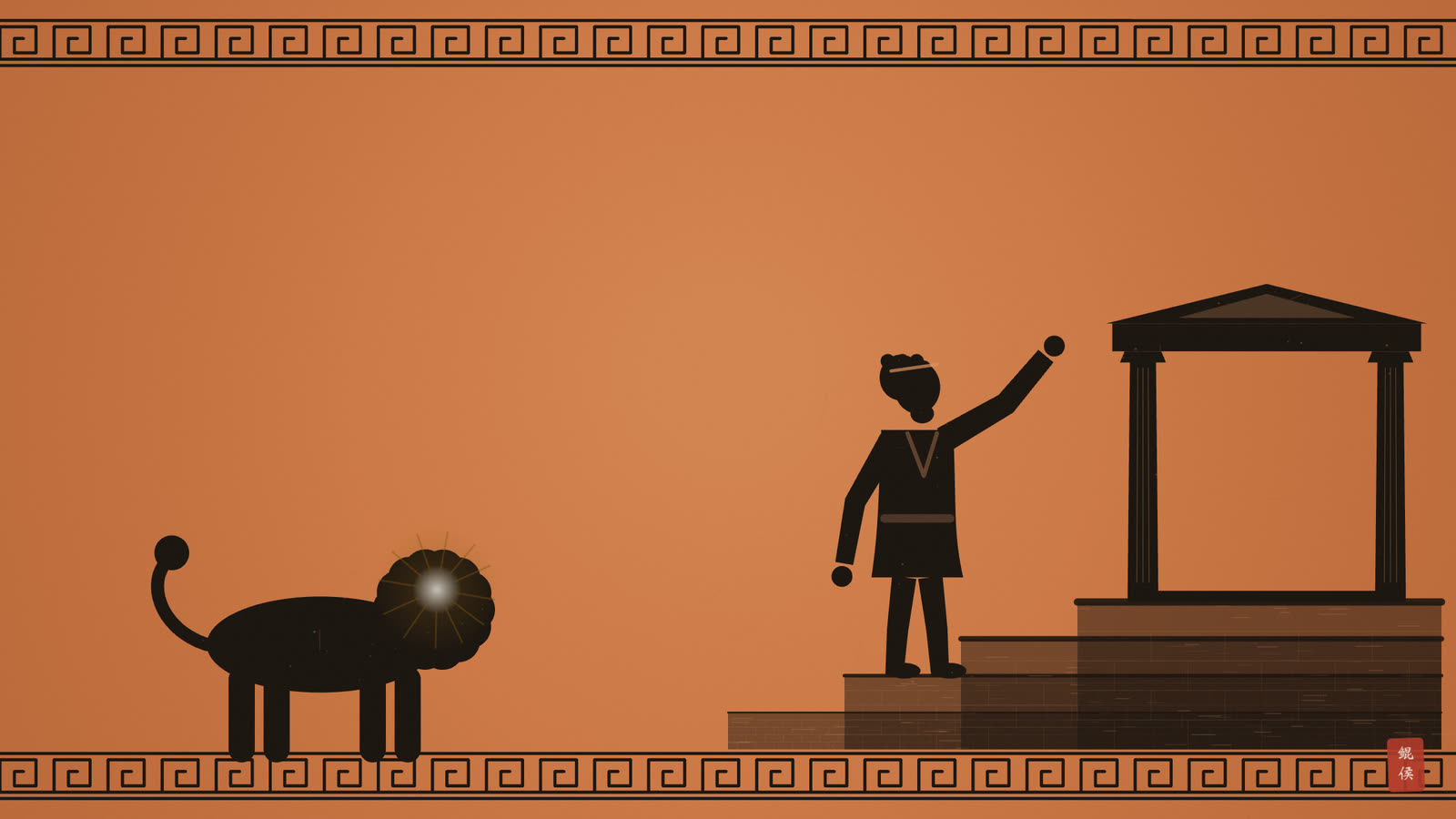
The 145th Consideration is, That thou see in Diurnal Nativities, whether Cor Leonis be in the Ascendant, that is to say, in the Oriental Line, or above it one degree, or below it three degrees; or whether it be in the tenth in like degrees, without the Conjunction or Aspect of any of the Fortunes; for this alone signifies that the Native shall be a person of great note and power, too much exalted, and attain to high perferment and honours, although discended from the meanest Parents; and if any of the Fortunes behold that place also, his glory shall be the more encreased: but if the Nativity be Nocturnal, his Fortune will be somewhat meaner, but not much; but if the Infortunes cast their Aspects there. it will still be more mean; but if the Fortune behold it also, they will augment the good promised a fourth part, and mitigate the evil as much: yet still whatever of all this happens, it signifies that the Native shall die an unhappy death; or at least, that all his honours, greatness and power, shall at last suffer an eclipse, and set in a cloud.
翻译点开
The 145th Consideration is, That thou see in Diurnal Nativities, whether Cor Leonis be in the Ascendant, that is to say, in the Oriental Line, or above it one degree, or below it three degrees; or whether it be in the tenth in like degrees, without the Conjunction or Aspect of any of the Fortunes; for this alone signifies that the Native shall be a person of great note and power, too much exalted, and attain to high perferment and honours, although discended from the meanest Parents; and if any of the Fortunes behold that place also, his glory shall be the more encreased: but if the Nativity be Nocturnal, his Fortune will be somewhat meaner, but not much; but if the Infortunes cast their Aspects there. it will still be more mean; but if the Fortune behold it also, they will augment the good promised a fourth part, and mitigate the evil as much: yet still whatever of all this happens, it signifies that the Native shall die an unhappy death; or at least, that all his honours, greatness and power, shall at last suffer an eclipse, and set in a cloud.
第一百四十五则:你要看在昼生的本命中,轩辕十四是否在上升,即在东方地平线上,或在它之上一度以内、或在它之下三度以内;或是否以同样的度数在第十宫,而没有任何吉星的会合或相位;因为单凭这一点,就表示此人将是声名显赫、权势很大的人,被抬得过高,攀上高位与尊荣,即使他出身于最卑贱的父母;若有吉星也照看那个位置,他的荣耀会更增;但若本命是夜生,他的运势会稍逊,但相差不多;若凶星对那里投以相位,就更逊;但若吉星也照看那里,它们会把所许诺的好处增加四分之一,把凶也减轻同样多:然而不论这一切中发生了什么,这都表示此人将死得不幸;或至少,他的一切荣誉、显赫和权力最终都会遭受亏蚀,没入云中。
大意与图解点开
🔎 大意:昼生而轩辕十四在上升线上一度、下三度之内,或在第十宫,即使无吉星也主出身微贱而登高位;但终难善终。
📖 术语
| 术语 | 英文原词 | 意思 |
|---|---|---|
| 轩辕十四 | Cor Leonis | 狮子之心,主星 |
| 东方地平线 | Oriental Line | 上升线 |
| 亏蚀 | eclipse | 光彩被遮没 |
🧭 图解与讲解
第一百四十五则是恒星之赐的一个具体例子。轩辕十四(Cor Leonis,「狮子之心」,今称 Regulus)是狮子座最亮的星,在博纳提时代约在狮子二十度左右。昼生的命盘里,它若正在上升——在东方地平线上,已升出不超过一度,或尚在地平下不超过三度——或以同样的距离在第十宫,就主此人声名显赫、权势极大,即使出身最卑贱的父母。图一是示意盘。
〔图〕轩辕十四正在上升:昼生主由微贱而登高位,但终难善终
| 情形 | 断语 |
|---|---|
| 昼生,轩辕十四在上升线上一度、下三度之内,或在第十宫同样度数 | 即使无吉星,也主声名权势、出身卑贱而登高位 |
| 再有吉星照看 | 荣耀更增;所许诺的好处加四分之一,凶也减轻四分之一 |
| 夜生 | 稍逊,相差不多 |
| 凶星投以相位 | 更逊 |
| 无论如何 | 终将死得不幸,或荣誉权力最后遭受亏蚀 |
博纳提特别说「单凭这一点」,没有吉星的会合或相位也成立;有吉星照看则荣耀更增,夜生稍逊,凶星照之更逊。吉星的作用给了一个数:把好处增加四分之一,把凶也减轻四分之一(表二)。
然而结局一律:「此人将死得不幸」,至少荣誉权力最后要「遭受亏蚀,没入云中」。这正是第一百四十一则讲的道理——恒星之赐大而不久,常不善终;那里举的腓特烈二世、埃奇利努斯、维尼亚等人,都是这种由微贱暴起、终于覆灭的轨迹。
📖 术语
| 术语 | 英文原词 | 意思 |
|---|---|---|
| 轩辕十四 | Cor Leonis | 狮子之心,主星 |
| 东方地平线 | Oriental Line | 上升线 |
| 亏蚀 | eclipse | 光彩被遮没 |
🧭 图解与讲解
第一百四十五则是恒星之赐的一个具体例子。轩辕十四(Cor Leonis,「狮子之心」,今称 Regulus)是狮子座最亮的星,在博纳提时代约在狮子二十度左右。昼生的命盘里,它若正在上升——在东方地平线上,已升出不超过一度,或尚在地平下不超过三度——或以同样的距离在第十宫,就主此人声名显赫、权势极大,即使出身最卑贱的父母。图一是示意盘。
| 情形 | 断语 |
|---|---|
| 昼生,轩辕十四在上升线上一度、下三度之内,或在第十宫同样度数 | 即使无吉星,也主声名权势、出身卑贱而登高位 |
| 再有吉星照看 | 荣耀更增;所许诺的好处加四分之一,凶也减轻四分之一 |
| 夜生 | 稍逊,相差不多 |
| 凶星投以相位 | 更逊 |
| 无论如何 | 终将死得不幸,或荣誉权力最后遭受亏蚀 |
博纳提特别说「单凭这一点」,没有吉星的会合或相位也成立;有吉星照看则荣耀更增,夜生稍逊,凶星照之更逊。吉星的作用给了一个数:把好处增加四分之一,把凶也减轻四分之一(表二)。
然而结局一律:「此人将死得不幸」,至少荣誉权力最后要「遭受亏蚀,没入云中」。这正是第一百四十一则讲的道理——恒星之赐大而不久,常不善终;那里举的腓特烈二世、埃奇利努斯、维尼亚等人,都是这种由微贱暴起、终于覆灭的轨迹。
The 146th Consideration is, That thou take the place of the Lord of the Ascendant, and the place of the Lord of the twelfth, and substracting the lesser from the greater, add to the remainder the degrees of the Sign ascending and project from the Ascending; and where the number falls, the Lord of that Sign shall be Partner with the Lord of the Question, and shall be called the Principal Partner.
Again, take the place of the Lord of the said Sign, and the place of the Lord of the part of Fortune, and substracting the lesser from the greater, add the degrees of the Sign ascending; and where the number falls, the Lord of that Sign shall be another Partner, and be called the Secondary Partner: which if it happen to be the same Planet, regard only that; but if different, then take both, and substract the lesser from the greater, and add the degrees of the Sign ascending, and the Planet on whose House the number falls shall be the third Partner; and which of those three is the strongest, shall be the chiefest sharer in the signification of the thing enquired after.
If all the remainders, or two of them, shall happen on the House of one Planet that shall be preferred. If the Question seem good, and those Partners are ill disposed, they will diminish of the good signified by the Question, and so on the contrary: but if the Question seem evil, and they are well disposed, they will allay and mitigate the evil signified by the Question, and so likewise on the contrary.
There are many other Considerations which might be added to these, but it would render Art too perplext and intricate; we therefore leave them, as less material to the Students industry, to observe them in their due time and place, as they happen; wherein his care and diligence will not fail of a reward in advantagious discoveries of truth, worthy his pains.
FINIS.
翻译点开
The 146th Consideration is, That thou take the place of the Lord of the Ascendant, and the place of the Lord of the twelfth, and substracting the lesser from the greater, add to the remainder the degrees of the Sign ascending and project from the Ascending; and where the number falls, the Lord of that Sign shall be Partner with the Lord of the Question, and shall be called the Principal Partner.
第一百四十六则:你要取上升主星的位置和第十二宫主星的位置,以大减小,在余数上加上上升星座的度数,从上升起投射;数落在哪里,那个星座的主星就成为问事之主的伙伴,称为主伙伴。
Again, take the place of the Lord of the said Sign, and the place of the Lord of the part of Fortune, and substracting the lesser from the greater, add the degrees of the Sign ascending; and where the number falls, the Lord of that Sign shall be another Partner, and be called the Secondary Partner: which if it happen to be the same Planet, regard only that; but if different, then take both, and substract the lesser from the greater, and add the degrees of the Sign ascending, and the Planet on whose House the number falls shall be the third Partner; and which of those three is the strongest, shall be the chiefest sharer in the signification of the thing enquired after.
再取上述那个星座之主的位置,以及福点之主的位置,以大减小,加上上升星座的度数;数落在哪里,那个星座的主星就是另一个伙伴,称为次伙伴:若它恰好是同一颗行星,就只看它;若不同,就把两者都取来,以大减小,加上上升星座的度数,数落在哪颗行星的庙上,这颗行星就是第三伙伴;这三者之中哪一个最强,哪一个就是在所问之事的征象中分得最多的那一个。
If all the remainders, or two of them, shall happen on the House of one Planet that shall be preferred. If the Question seem good, and those Partners are ill disposed, they will diminish of the good signified by the Question, and so on the contrary: but if the Question seem evil, and they are well disposed, they will allay and mitigate the evil signified by the Question, and so likewise on the contrary.
若所有余数,或其中两个,落在同一颗行星的庙上,就以那颗行星为先。若问题看来是好的,而这些伙伴安置不佳,它们会减损问题所示的好处,反之亦然:但若问题看来是坏的,而它们安置良好,它们会缓和、减轻问题所示的坏处,反之亦然。
There are many other Considerations which might be added to these, but it would render Art too perplext and intricate; we therefore leave them, as less material to the Students industry, to observe them in their due time and place, as they happen; wherein his care and diligence will not fail of a reward in advantagious discoveries of truth, worthy his pains.
还有许多别的考量可以加在这些之上,但那会使这门学问过于繁杂难解;所以我们把它们略去,作为较不重要的东西,留给学者勤勉,在适当的时候和场合,遇到时自己去观察;他的用心与勤奋一定会得到回报,有益地发现值得他付出辛劳的真相。
FINIS.
全篇终。
大意与图解点开
🔎 大意:上升主与十二宫主之差投射得主伙伴;主伙伴与福点之主之差得次伙伴;二者之差得第三伙伴。伙伴吉凶可增减问题的吉凶。
📖 术语
| 术语 | 英文原词 | 意思 |
|---|---|---|
| 伙伴 | Partner | 分享征象的星 |
| 主伙伴 / 次伙伴 | Principal / Secondary Partner | 第一、第二个伙伴星 |
| 福点 | part of Fortune | 由日月与上升推出的点 |
| 第十二宫 | the twelfth | 暗敌、忧患之宫 |
🧭 图解与讲解
全书最后一则讲「伙伴星」(partner):在问事之主之外,另求几颗分享征象的星,用来加减吉凶。算法与第一百四十、一百四十四则同一类,都是两星黄经大减小、加上升点在其星座内的度数、从上升星座的开头每三十度数一座,落在哪座取哪座的主星。区别只在取哪两颗星,而且要连算三次(表一)。
| 步骤 | 取哪两颗星 | 算例(示意,双子十度上升=70°) | 结果 |
|---|---|---|---|
| 一 主伙伴 | 上升主星;第十二宫之主 | 水星在双子三度=63°;第十二宫金牛之主金星在白羊五度=5°。63 − 5 = 58,加 10 得 68:从双子数过两座,落在狮子八度 | 狮子之主:太阳 |
| 二 次伙伴 | 主伙伴;福点之主 | 太阳在金牛二十度=50°;福点在天蝎八度,其主火星在摩羯十二度=282°。282 − 50 = 232,加 10 得 242:数过八座,落在水瓶二度 | 水瓶之主:土星 |
| 三 是否同一颗 | 主伙伴与次伙伴 | 太阳与土星不同,再算第三伙伴 | — |
| 四 第三伙伴 | 主伙伴;次伙伴 | 土星在处女二十五度=175°。175 − 50 = 125,加 10 得 135:数过四座,落在天秤十五度 | 天秤之主:金星 |
| 五 比强弱 | 三个伙伴 | 太阳在第十二宫(果宫),土星在第四宫(角宫),金星在白羊(失势) | 示意盘中土星位置最有力 |
| 六 下断 | 伙伴的吉凶 | 问题吉而伙伴凶则减吉;问题凶而伙伴吉则减凶 | 两个以上余数落在同一星之庙,以它为先 |
〔图〕伙伴星的三次投射:主伙伴落狮子(太阳),次伙伴落水瓶(土星),第三伙伴落天秤(金星)
表一用一个示意盘把三步算完。双子十度上升,昼生。第一步取上升主星水星与第十二宫(金牛)之主金星,相差五十八度,加十度得六十八度,落在狮子,主伙伴是太阳。第二步取太阳与福点之主——福点照昼生算在天蝎八度,其主火星——相差二百三十二度,加十度,落在水瓶,次伙伴是土星。太阳与土星不同,第三步再取二者,相差一百二十五度,加十度,落在天秤,第三伙伴是金星。图二依次点亮三个落点星座。
然后比三个伙伴的强弱,最强者在所问之事中分得最多。示意盘里土星在第四宫居角,位置最有力,太阳在第十二宫的果宫,金星在白羊失势;实际断时还要看尊贵、顺逆与受克。若三次余数中有两次以上落在同一颗星的庙上,就以它为先。伙伴的作用是修正:问题本吉而伙伴凶,减吉;问题本凶而伙伴吉,减凶。
最后一段是博纳提的结语:还有许多考量可以加上,但会使这门学问过于繁杂,留给学者在实践中自己观察,勤勉必有回报。一百四十六则到此全部结束,接下来是卡丹的七卷警句。
📖 术语
| 术语 | 英文原词 | 意思 |
|---|---|---|
| 伙伴 | Partner | 分享征象的星 |
| 主伙伴 / 次伙伴 | Principal / Secondary Partner | 第一、第二个伙伴星 |
| 福点 | part of Fortune | 由日月与上升推出的点 |
| 第十二宫 | the twelfth | 暗敌、忧患之宫 |
🧭 图解与讲解
全书最后一则讲「伙伴星」(partner):在问事之主之外,另求几颗分享征象的星,用来加减吉凶。算法与第一百四十、一百四十四则同一类,都是两星黄经大减小、加上升点在其星座内的度数、从上升星座的开头每三十度数一座,落在哪座取哪座的主星。区别只在取哪两颗星,而且要连算三次(表一)。
| 步骤 | 取哪两颗星 | 算例(示意,双子十度上升=70°) | 结果 |
|---|---|---|---|
| 一 主伙伴 | 上升主星;第十二宫之主 | 水星在双子三度=63°;第十二宫金牛之主金星在白羊五度=5°。63 − 5 = 58,加 10 得 68:从双子数过两座,落在狮子八度 | 狮子之主:太阳 |
| 二 次伙伴 | 主伙伴;福点之主 | 太阳在金牛二十度=50°;福点在天蝎八度,其主火星在摩羯十二度=282°。282 − 50 = 232,加 10 得 242:数过八座,落在水瓶二度 | 水瓶之主:土星 |
| 三 是否同一颗 | 主伙伴与次伙伴 | 太阳与土星不同,再算第三伙伴 | — |
| 四 第三伙伴 | 主伙伴;次伙伴 | 土星在处女二十五度=175°。175 − 50 = 125,加 10 得 135:数过四座,落在天秤十五度 | 天秤之主:金星 |
| 五 比强弱 | 三个伙伴 | 太阳在第十二宫(果宫),土星在第四宫(角宫),金星在白羊(失势) | 示意盘中土星位置最有力 |
| 六 下断 | 伙伴的吉凶 | 问题吉而伙伴凶则减吉;问题凶而伙伴吉则减凶 | 两个以上余数落在同一星之庙,以它为先 |
表一用一个示意盘把三步算完。双子十度上升,昼生。第一步取上升主星水星与第十二宫(金牛)之主金星,相差五十八度,加十度得六十八度,落在狮子,主伙伴是太阳。第二步取太阳与福点之主——福点照昼生算在天蝎八度,其主火星——相差二百三十二度,加十度,落在水瓶,次伙伴是土星。太阳与土星不同,第三步再取二者,相差一百二十五度,加十度,落在天秤,第三伙伴是金星。图二依次点亮三个落点星座。
然后比三个伙伴的强弱,最强者在所问之事中分得最多。示意盘里土星在第四宫居角,位置最有力,太阳在第十二宫的果宫,金星在白羊失势;实际断时还要看尊贵、顺逆与受克。若三次余数中有两次以上落在同一颗星的庙上,就以它为先。伙伴的作用是修正:问题本吉而伙伴凶,减吉;问题本凶而伙伴吉,减凶。
最后一段是博纳提的结语:还有许多考量可以加上,但会使这门学问过于繁杂,留给学者在实践中自己观察,勤勉必有回报。一百四十六则到此全部结束,接下来是卡丹的七卷警句。
原文为公有领域古籍;翻译、印象画与图文解读由 AI 辅助生成,鲲侯审校。